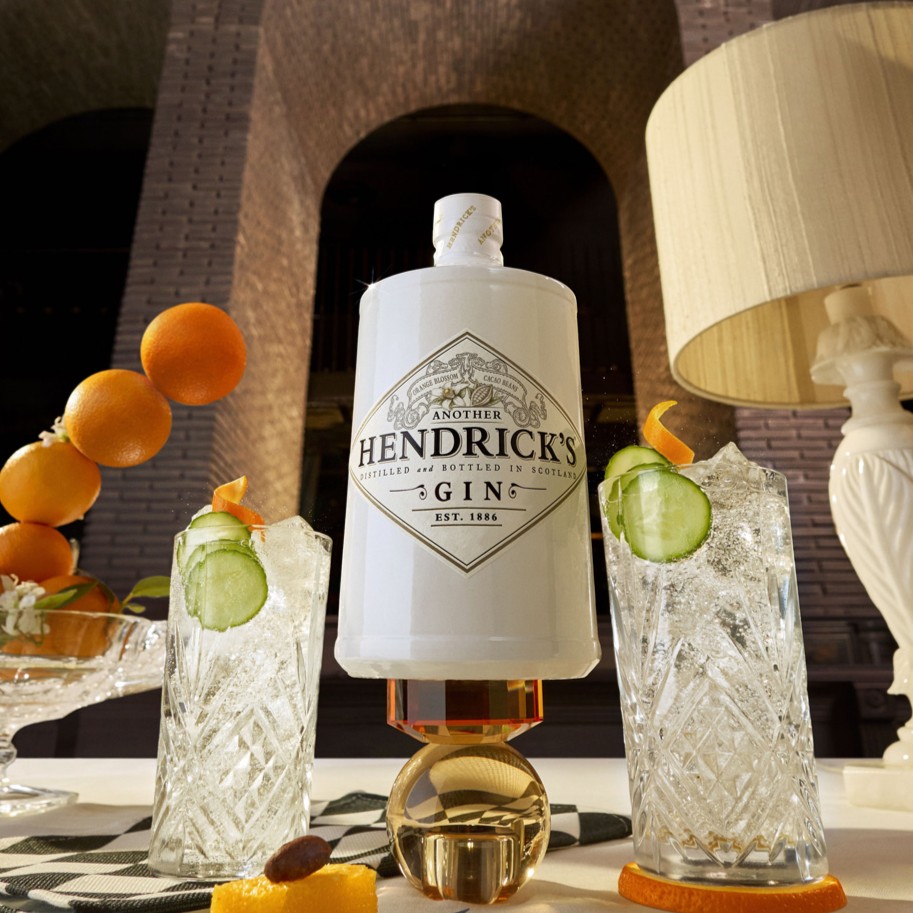
Gin, by now, is one of the most famous and widespread distillates in the world and its history starts from England where, thanks to a revolutionary infusion method, the so-called London Dry Gin spread in the early 1900s. Outside the UK, however, one of the longest-running stories can be found in the Diplôme distillery, based in Dijon, France.
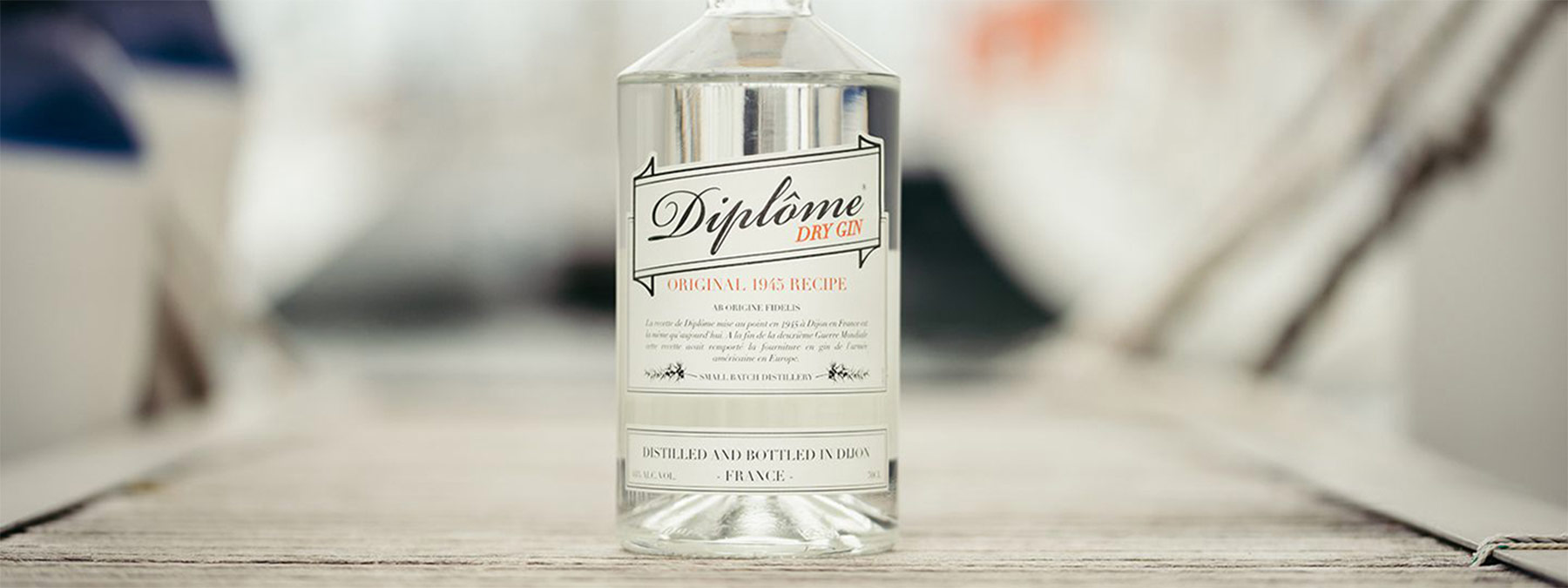
This gin, whose complete formula is still secret, became widespread during the Second World War, where it was appreciated above all by the allied army in the phase of liberation of the French territories from the German troops. Coriander, citrus peel, juniper berries, saffron, angelica, iris and fennel are just some of the elements that the Diplôme carefully researches between Europe and Morocco to make their own Gin, distilled in a small still using the bain-marie method. The result of this slow process is an exceptionally round, elegant, very well balanced product.
Distillates have different alcoholpercentages. So, we have defined a parameter allowing you to better understand and compare different prices. This parameter is calculated by dividing the bottle price by the alcohol content. The alcohol content (or strength) is the amount of pure alcohol (ethanol) contained in the distillate.
This parameter indicates the price of a single 4cl dosage of distillate. It is calculated by dividing the price of the bottle by its quantity (expressed in cl), then multiplying by the centilitres of the recommended single dose, as average in cocktail recipes.