Ti potrebbe interessare anche…







Moscow Mule, the cocktail that cracked the Iron Curtain
The story of the Moscow Mule, with its coincidences, is so crazy that it seems fictional, yet it is very true.

It all begins in 1941 at the Chatham Bar in New York. The scene seems like the opening scene of a TV series, the kind where everything starts: two entrepreneurs meet to talk business. Their expressions are very serious, the mood is black, because things are not going well at all. John G. Martin, of the Heublein Co., has just started distributing Smirnoff vodka and is wondering if he has been too optimistic: that distillate there is too much associated with the Soviet Union, it does not sell well. Jack Morgan, on the other hand, is not only the owner of the Cock'n Bull Tavern on Sunset Boulevard, a very fashionable place in Hollywood, but he has also recently launched a Ginger Beer and has a huge stock of it in his warehouse.
We don't know who came up with the idea, but it was certainly genius: why not combine the two ingredients together to create something new?
So John and Jack decided to mix vodka and ginger beer, adding some lime juice to give it an extra sour touch.
And for the glass? The coincidences continue, because by coincidence there is also another entrepreneur at Chatham, whose name has not been passed on to us, who has a warehouse full of copper objects to dispose of, in particular a stock of mugs that have a donkey engraved on them.
Legend will later say that the name Moscow Mule comes from the fact that this drink really does kick like a mule, but as with all stories that border on myth, the best things are composed of a mix of pragmatism and inspiration.

Originally, however, the cocktail was known as the Buck Vodka - like all ginger beer-based drinks, the Buck Cocktails. The name didn't work much, but the mixture of vodka, ginger beer and lime began to catch on rather easily: in the 1950s it spread from Los Angeles to Manhattan, dragging vodka into its rise, which finally managed to carve out a slice of notoriety in the US.
The fortunes of the Moscow Mule were such that Smirnoff launched a special glass, now sought after by collectors: a copper cup with a mule engraved on it.
After a start with a bang, this cocktail went a little into oblivion only to come back into fashion in more recent years, so much so that in 2016 the Tales of the Cocktail festival in New Orleans awarded it the drink of the year.
It is also worth noting that the Moscow Mule was never an overwhelming success in Italy until recently, due to the difficulty of finding ginger beer. Now that the gap has finally been bridged, this drink is meeting with great appreciation, especially from the younger generation.
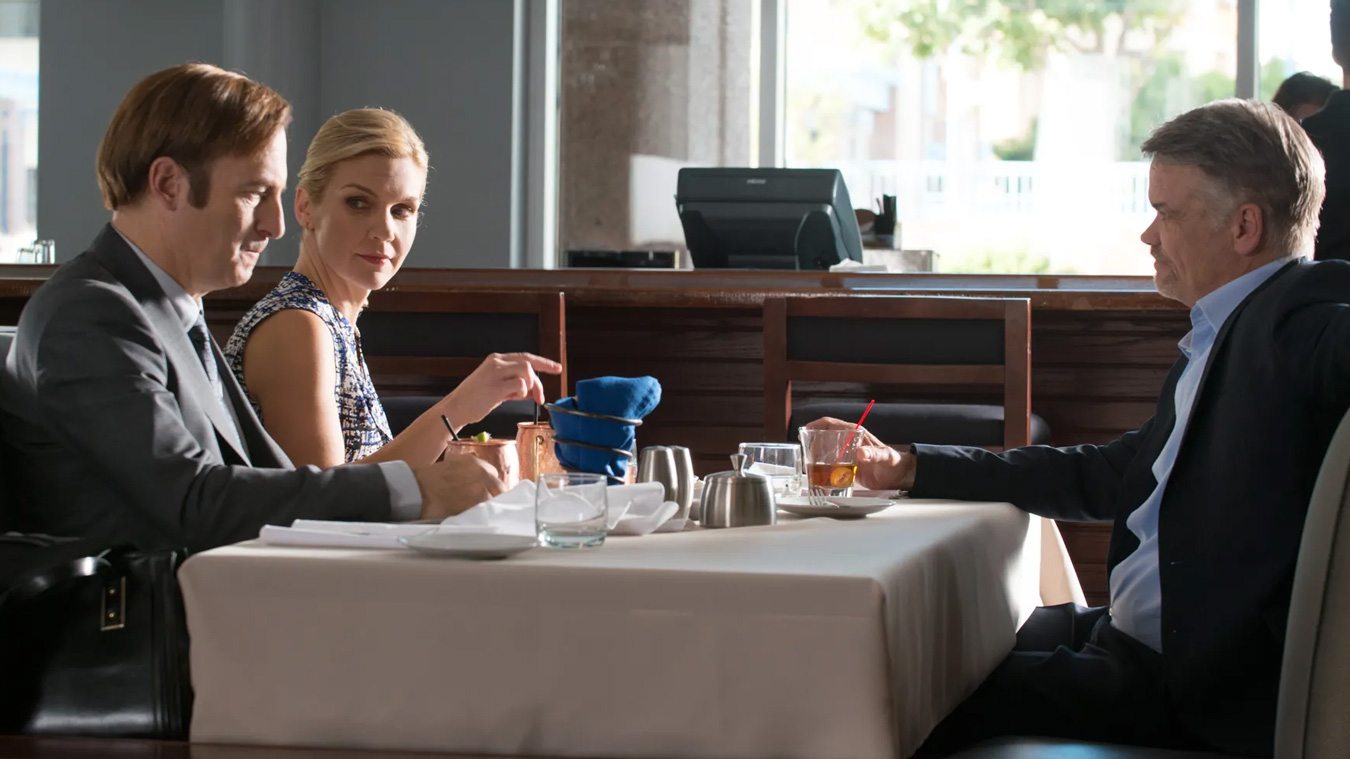
The Moscow Mule has also been spotted in some famous TV series such as Orange is the New Black and Better Call Saul.
TIPS
The use of the copper mug is recommended for two reasons: the first is that copper is a good conductor, so the mug cools quickly.
The second reason has no scientific basis, but has many people saying that copper and lime together add something to the special flavour of the Moscow Mule.
Some bartenders even add a few drops of Angostura.

recipe
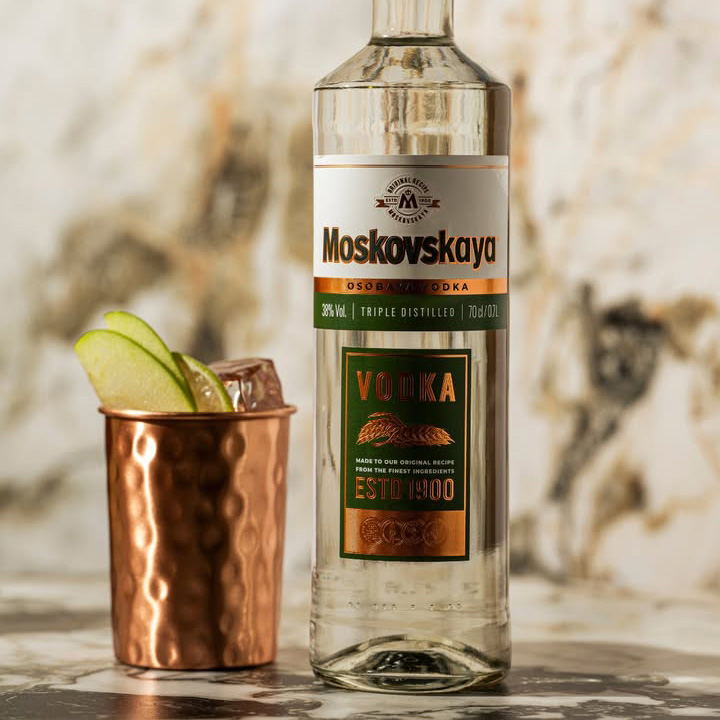
Moscow Mule
5 cl Stolichnaya Premium Vodka
12 cl Fever-Tree Ginger Beer
1.5 cl fresh lime juice
Pour the vodka into a copper mug and top with ginger beer.
Add a few drops of fresh lime and garnish with a lime slice, fresh or dehydrated.
moscow mule selection