Express Delivery in Europe

Language:English 
ItalianoEnglish
Shipping:Italy 
Shipping country
Chiudi
Cocktails guide
Login 
0Shopping cart Product Products (empty)
Ti potrebbe interessare anche…

Gin Mare Mediterranean Gin

70cl  /  42.70°
Gin Dry
31,90 €
Aggiungi 

Tito's American Mule Mignon Box

Tito's Vodka (5cl x 2) + Fever-Tree Ginger Beer 50cl

60cl  /  40.00°
Cocktail
18,90 €23,30 €
Aggiungi 
Novità

TeaPiù Sour Box

With bottle for dosages for free

240cl  /  35.00°
Cocktail
44,90 €48,30 €
Aggiungi 

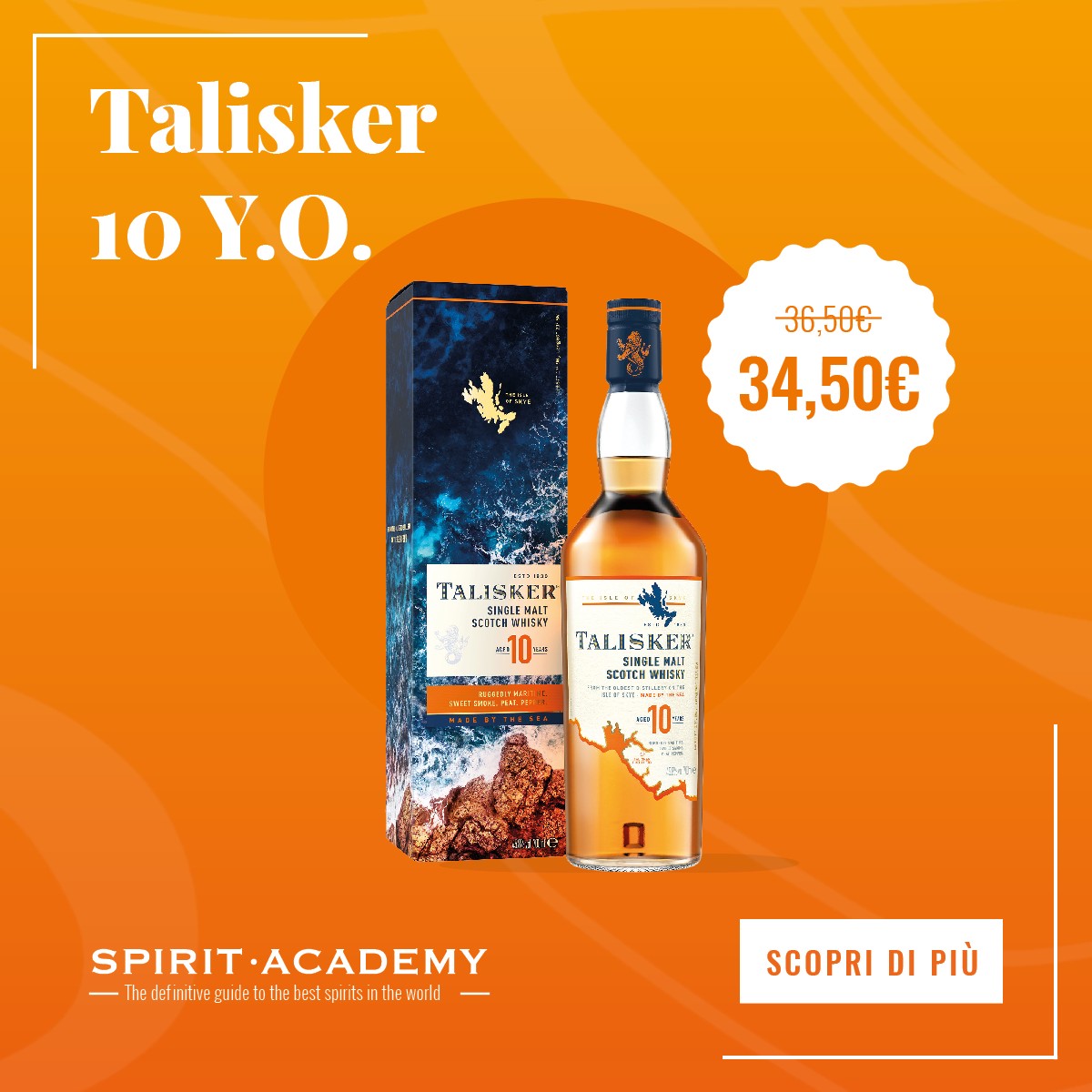
Talisker 10 Y.O.

70cl  /  45.80°
Single Malt
36,50 €
Aggiungi 
 3,00 €

Flor de Cana Centenario 12 Y.O. 5cl

5cl  /  40.00°
Traditional Rum
6,90 €9,90 €
Aggiungi 

Fever-Tree Mediterranean Tonic Water 50 cl

50cl
Soft drink
3,50 €
Aggiungi 
 Product added to the cart
Spirits Guides
The complete guide to Vodka

Prooceed to checkout

Ti potrebbe interessare anche…

Gin Mare Mediterranean Gin

70cl  /  42.70°
Gin Dry
31,90 €
Aggiungi 

Tito's American Mule Mignon Box

Tito's Vodka (5cl x 2) + Fever-Tree Ginger Beer 50cl

60cl  /  40.00°
Cocktail
18,90 €23,30 €
Aggiungi 
Novità

TeaPiù Sour Box

With bottle for dosages for free

240cl  /  35.00°
Cocktail
44,90 €48,30 €
Aggiungi 

Talisker 10 Y.O.

70cl  /  45.80°
Single Malt
36,50 €
Aggiungi 
 3,00 €

Flor de Cana Centenario 12 Y.O. 5cl

5cl  /  40.00°
Traditional Rum
6,90 €9,90 €
Aggiungi 

Fever-Tree Mediterranean Tonic Water 50 cl

50cl
Soft drink
3,50 €
Aggiungi 
  • Academy

    SA Tips

    • Paragon: the new line of refined cordials
    • Eminente: the rum from the Island of the Crocodile
    • Volcán de mi Tierra: learn more
    • Palenque Spirits: the finest artisanal agave distillates
    • >> Discover all our tips

    Our Guides

    • Guide to Rum
    • Guide to Whisky
    • Guide to Gin
    • >> Discover all our guides

    Cocktail Academy

    • Paloma: Mexico in a glass
    • Moscow Mule: discover its incredible story
    • Gin Fizz: the effervescent icon of classic mixology
    • Sake Cocktails: Japanese elegance in a glass
    • >> Discover all our guides

    Limited Selection

    • Just One
    • Whisky
    • Rum
    • Others

    DISCOVER OUR Top Sellers →

  • Promo
  • Limited
  • NEW IN

    New Brands

    • B-tik
    • Suntory
    • Silent Pool
    • La Favorite
    • Jin Jiji Indian Dry Gin
    • Contrattino
    • Rupes Amari
    • Amaro Camatti

    >> All new brands

    >> All new products

    New Cocktail Boxes

    • Whistlepig Maple Old Fashioned
    • Smokey Rob Roy Box

    >> All Cocktail Boxes

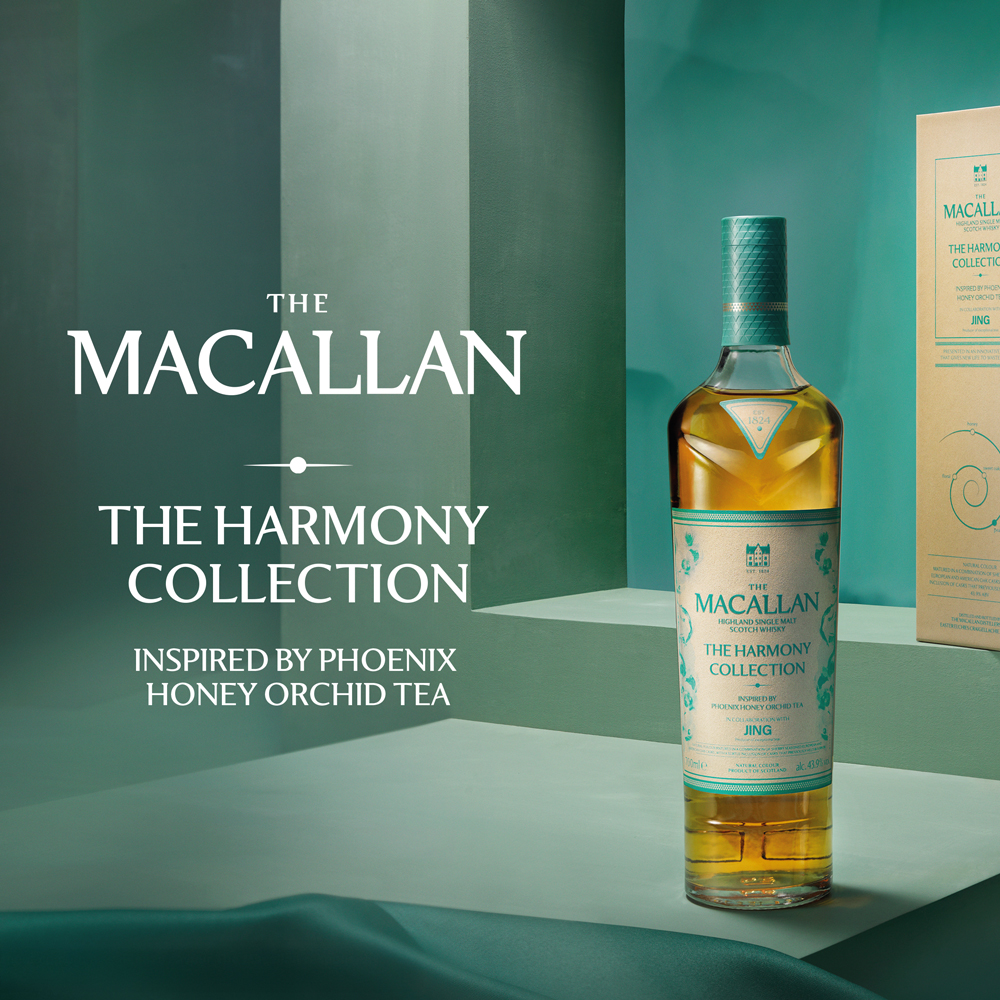
    the macallan

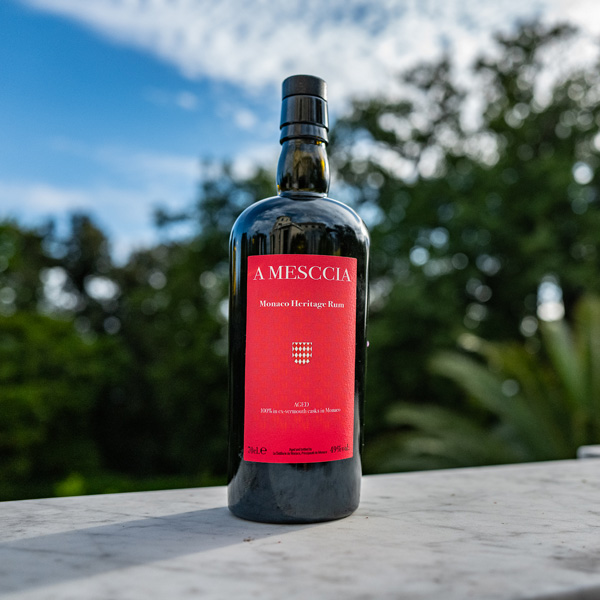
    A Mesccia: buy now

    a mesccia

  • Whisky

    Whisky

    • Ardbeg
    • The Balvenie
    • Caol Ila
    • Glenfiddich
    • Highland Park
    • Johnnie Walker
    • Kilkerran
    • Kilchoman
    • Lagavulin
    • Nikka
    • The Macallan
    • Michter's
    • Talisker
    • >> All brands
    • >> All products

    Region

    • Scotch Whisky
    • Campbeltown
    • Highland
    • Island
    • Islay
    • Lowland
    • Speyside
    • American Whisky
    • Japanese Whisky
    • Australasian Whisky
    • Irish Whiskey
    • European Whisky

    SA Tips

    • Whisky Cocktails

    • Limited

    • Peated

    • Whisky Guide

    talisker 10

  • Rum

    Rum

    • Brugal
    • Caroni
    • Clairin
    • Diplomatico
    • Equiano
    • Flor De Cana
    • El Dorado
    • Habitation Velier
    • Hampden
    • Neisson
    • Zacapa
    • >> All brands
    • >> All products

    Typologies

    • Pure Single Rum
    • Single Blended Rum
    • Rhum Agricole
    • Traditional Rum
    • Modern Rum
    • Cachaça

    >> All products

    SA Tips

    • Limited

    • Rum Cocktails

    • Rum Guide

    clairin

  • Gin

    Gin

    • Engine
    • Gin Mare
    • Hendrick's
    • Isle of Harris
    • Kyro
    • Malfy
    • Monkey 47
    • Portofino Dry Gin
    • Tanqueray
    • Xoriguer
    • >> Tutti i brand
    • >> Tutti i prodotti

    SA Tips

    • Gin Cocktails
    • Gin Guide
    • Mediterranean Gin

    Hendrick's Oasium Gin: a new limited edition from the Cabinet of Curiosities

    hendrick's oasium

    Silent Pool: discover Ultra Premium Gin from the hills of Surrey

  • Vodka

    VODKA

    • Beluga
    • Belvedere
    • Elit
    • Grey Goose
    • Moskovskaya
    • Stolichnaya
    • Tito's
    • VKA
    • >> Tutti i brand
    • >> Tutti i prodotti

    SA TIPS

    • Vodka Cocktails

    • Vodka Guide

    1200x1200_Belvedere.png

  • Agave

    TEQUILA

    • Casamigos
    • Cimarron
    • Don Fulano
    • El Jimador
    • Fortaleza
    • Herradura
    • Kah
    • Rooster Rojo
    • Tapatio
    • >> Tutti i brand
    • >> Tutti i prodotti

    MEZCAL

    • Alipùs
    • Del Maguey
    • Donajì
    • Los Danzantes
    • Montelobos
    • Se Busca
    • Palenque
    • Vago
    • >> Tutti i brand
    • >> Tutti i prodotti

    Tommy's Margarita: the box

    Tommy's Margarita

    New in: El Tequileño

  • Distillates

    ARMAGNAC

    • Castarede
    • Chateau de Briat
    • L'Encantada
    • >> All brands
    • >> All Products

    BRANDY

    • Fundador
    • >> All products

    CALVADOS

    • Christian Drouin
    • >> All products

    CEREALS, HERBS, FRUITS

    • Capovilla
    • Casa Tarasco
    • La Higuera
    • Ming River
    • Skinos
    • >> All brands
    • >> All products

    COGNAC

    • Francois Voyer
    • Hennessy
    • Leopold Gourmel
    • Paul Giraud
    • Tesseron
    • >> All brands
    • >> All brands

    GRAPPAS

    • Barile
    • Capovilla
    • Sgrappa
    • >> All brands
    • >> All brands

    PISCO

    • Fontana
    • Queirolo
    • Tabernero
    • >> All brands
    • >> All brands

    NO ALCOHOL DISTILLATES

  • Liquors

    LIQUORI

    • Adriatico
    • Bordiga
    • Chambord
    • Chartreuse
    • Clementi
    • Italicus
    • Kahneman
    • Liquori dell'Etna
    • Rossa Sicily
    • Santoni
    • Tea Più
    • Villa Massa
    • >> All brands
    • >> All products

    REGION

    • Australia
    • Croatia
    • Curaçao
    • Danimarca
    • Francia
    • Germania
    • Giappone
    • Grecia
    • Guadalupa
    • Italia
    • Mauritius
    • Messico
    • Nicaragua
    • Norvegia
    • Olanda
    • Regno Unito
    • Scozia
    • Spagna

    Amara: with Sicilian blood oranges

    amara amaro

  • Cocktails & Other

    COCKTAIL BOX

    • Gin
    • Rum
    • Whisky
    • Liquori
    • Agave
    • Vodka
    • >> All Cocktail Box

    BITTERS

    • Bitter Truth
    • Bob's Bitter
    • Florita
    • Peychaud's
    • >> Tutti i brand
    • >> Tutti i prodotti

    MIXABILITY & SOFT DRINK

    • Artisan
    • Bordiga
    • Essentia
    • Erasmus Bond
    • Fever-Tree
    • Niasca Portofino
    • >> Tutti i brand
    • >> Tutti i prodotti

    ACCESSORIES

    OTHERS

    Cioccolato
    Sakè
    Shochu
    Sherry
    Vermouth e vini
    Libri

    B-TIK

    Caroni
    Clairin
    Florita
    Moleskine

    distillati messicani

The complete guide to Vodka


«Vodka, origins and evolution»

Among the many products created and consumed by man, vodka or, more generally, cereal spirits occupy a place of special significance for their ability to influence human society. Vodka is derived from vodà, the Russian word for water. This term appears in official dictionaries between the second half of the fourteenth and the beginning of the fifteenth century, and already in 1510 distillation in Russia was quite well established. It’s believed that this early version of vodka was diluted not just with water but also with sytà, or honey-flavored water. It was only in the eighteenth century that this dilution method declined, giving way to flavoring with herbs and spices.

Vodka production has strongly influenced not just the social and demographic evolution of Russia, but of the entire European continent. It’s a beverage born of the social needs of the Russian people and a scarcity of raw materials and evolved into varieties that have deeply shaped the consumption of alcoholic beverages, especially in the twentieth century. In the 1950s, in fact, vodka began to spread beyond former Soviet Union countries into the West and America. With the end of Prohibition in the US and the boom of mixology, vodka became a product in high demand as a versatile ingredient in a large number of new cocktails.

Vodka Guide
Aqua vitae produced by distilling a fermented must made from cereals (wheat, barley, rye, corn), sugar beet molasses, potatoes as well as other ingredients of agricultural origin.
Vodka Guide
Vìl'jam Vasìlevic Pochlebkin, Storia della vodka [asSaggi, Slow Food Publisher]. We encourage you to refer to this scientific research work for more information about the history and evolution of vodka.

«'The generalization of the word "vodka"»

VodkaThe introduction of Cîroc vodka by the Diageo Group at the beginning of 2000 triggered hostilities between countries producing traditional vodka and more recent market entrants. Indeed, the vodka distilled in France from grape alcohol was a source of controversy. This dispute would eventually be brought before no less than the European Parliament!

Traditionalists maintain that only alcohol produced from cereals, potatoes or sugar beet molasses should be granted the name 'vodka'. According to them, these raw materials produce a specific range of aromas that is distinctive to each vodka. Conversely, modernists believe that taste and, consequently, raw material matter little in vodka production.

Regardless of the debate on the significance of taste in vodka, it was economic and financial interests that influenced the final ruling at the end of 2007. In 2006, a German politician proposed that bottle labels should specify the nature of the alcohol used when the raw ingredients differ from those dictated by tradition. This proposal was ratified, to the great chagrin of traditionalists who had hoped for a more restrictive law.

Vodka Guide Vodka Guide Vodka Guide Vodka Guide

«'Vodka, a matter of style and taste»

TRADITIONAL VODKAS: EASTERN STYLE

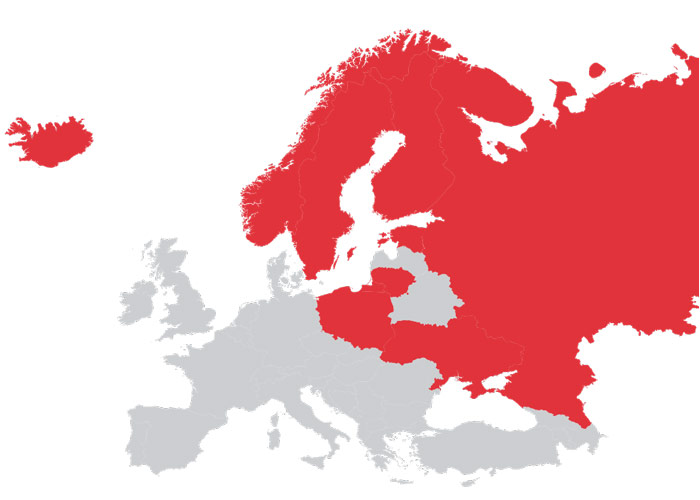
These vodkas are traditionally produced in Eastern European and Scandinavian countries – Finland, Norway, Iceland, Sweden, Estonia, Lithuania, Poland, Russia and Ukraine. Eastern style vodka producers pay strong attention to raw material (alcohol made from grains, potatoes or sugar beet molasses) and distillation, which is responsible for the aromatic identity of their product and which they would not like to see altered by improper filtering.

MODERN VODKAS: WESTERN STYLE

Produced all across Europe and the United States, these modern vodkas can be made from grain or grape alcohol. In addition to traditional cereals like rye and wheat, the United States and Canada also use corn and molasses. In France, the use of a grape alcohol base is emphasized by producers as a point of difference. But what mainly sets these vodkas apart is an extraordinary aromatic subtlety as well as a significant number of distillations and filtrations performed at different stages of production (early on inside the still, or later through a layer of carbon).

Vodka Guide

DEFINITION OF VODKA

Aqua vitae produced by distilling a fermented must made from cereals (wheat, barley, rye, corn), sugar beet molasses, potatoes as well as other ingredients of agricultural origin. In the latter case, the European Union requires that the nature of the raw material be specified on the label and that the resulting vodka have an alcoholic strength of no less than 37.5°.

«The production of vodka»

1

MALTING
Cereals (rye, wheat, barley, corn) are allowed to sprout and potatoes are cooked in order to turn the starch they contain into sugar. Once the starch is processed, the raw materials are ground and mixed with water to extract the fermentation sugar and produce must.

2

FERMENTATION
Fermentation is carried out in a stainless-steel vat to prevent the must from being contaminated by bacteria that could influence the range of aromas. Yeasts are mostly selected by distillers for their high ethanol yield and minimal impact on flavor. After fermentation, the alcohol is transferred to the still for distillation.

3

DISTILLATION
Most vodkas are produced from continuous distillation in a column still. However, some distillers prefer to use traditional pot stills, which produce very flavorful vodkas. In this case, the vodka can be carbon-filtered to remove any residues. During the distillation process, it is the master distiller who decides when the time is right to cut the distillation head and tail from the heart, in order to prevent the latter from bring contaminated by the methanol-rich head (bringing notes of solvent and paint) or the toxic tail saturated with fusel alcohol. Repeated several times (usually 4 to 8), distillation raises the alcohol content to 95°-96° and maximizes the extraction of aromatic compounds.

4

FILTERING
Once distillation is complete, the alcohol is filtered through activated carbon. The purpose is to clean the spirit from any aromatic residue and make it as neutral as possible. The spirit is then gradually diluted down to the desired ABV using distilled or demineralized water.

5

MATURATION AND BOTTLING
The alcohol is filtered one final time before being placed in steel barrels for a short period of time and finally bottled.

Vodka Guide
Vodka Guide
Vodka Guide
Vodka Guide

«Unflavored vodkas»

They make up the majority of the vodkas on the European market. There is no official classification for unflavored vodkas, although they can be categorized based on the raw materials they are made from..

TRADITIONAL VODKAS

VodkaRYE: the cereal of choice for the production of Polish and some Russian vodkas. The influence of rye produces notes of rye bread and a sweet spicy sensation in the mouth.

WHEAT: the most popular and first-choice cereal for Russian vodkas. Wheat vodkas are distinctive for their fresh aniseed aromas and oily mouthfeel.

CORN: this cereal is mainly used for its high alcohol yield and aromas of butter and cooked corn.

BARLEY: the least-used grain in vodka production, unless you are in Finland. Barley vodkas stand out for their sweetness.

POTATO: after a sharp decline, these vodkas are gradually making a comeback on the market. They offer a different, smoother range of aromas compared to grain vodkas.

MODERN VODKAS

SUGAR BEET MOLASSES: mainly used for industrial vodka.

Other alcoholic bases: some vodkas are also produced from quinoa or grape alcohol.

Vodka Guide Vodka Guide Vodka Guide Vodka Guide

«Flavored vodkas»

These vodkas originated from the practice of home distillation for recreational purposes and medical distillation for treatment purposes. The primary keepers of a long tradition of flavored vodkas are Poland and Russia with several hundred different recipes (Krupnik, Jarzebiak, Wisniowka, Okhotnichaya...), the best known being Zubrowska made from bison grass.
The most frequently used flavors in these vodkas include vanilla, chocolate, honey, cinnamon as well as fruit. However, other ingredients can be used such as bison grass for Zubrowska, responsible for this vodka's slightly sugary taste and golden color.

Flavored vodkas can be produced in three different ways:

MACERATION
ADDITION OF NATURAL ESSENCES
REDISTILLATION

This tradition is not just the prerogative of Poland and Russia or Ukraine. It is equally lively in Nordic countries, where flavored vodkas are very popular as a summer drink.

The complete guide to Vodka

«Cocktails»

Whether enjoyed neat or in cocktails, vodka is gaining an ever-increasing popularity with a young, sophisticated clientele. Parallel to its success as a refined luxury product, it is equally valued for its practical benefits as an unparalleled cocktail base with a sweet, smooth texture. Vodka has but one setback – a limited range of aromas often marked by neutrality, as is often the case with Western or American vodkas.

Drinking vodka neat, “Russian style” and during meals still leaves Western consumers puzzled. However, the appearance of very aromatic vodkas made from a single distillation in Poland and other countries may breach the wall of skepticism and attract a new clientele.

Vodka Guide
Vodka Guide
The product was successfully added to your wishlist.

ABOUT US

  • About us
  • Conditions of Sale
  • Corporate Data
  • Shipping and Payment
  • Easy Returns

INFORMATIONS

  • Privacy Policy
  • Cookie Policy
  • Shipping and Payment
  • Online Support

SPIRITS GUIDES

  • Whisky
  • Rum
  • Vodka
  • Gin
  • Mezcal
  • Calvados

CONTACTS

Phone +39 338 83 55 721
email info@spiritacademy.it

Mon.-Fri. 8.30-12.30 / 14-18

SHIPPING

Delivery in 4-5 working days, or
in 2-3 with Express Delivery.

Secure payments

Spirit Academy Selections.
Our exclusive suggestions
in your email.

Subscribe now ›
Follow us on

Trustpilot
© 2026 Spirit Academy - Via Nicola Fabrizi 2/7 - 16148 Genova - Italy - Tel. +39 010 8959259 - info@spiritacademy.it
P.IVA 10136160016 - Privacy - Cookies -
Powered by Blulab

Read more…


Price per degree

Distillates have different alcoholpercentages. So, we have defined a parameter allowing you to better understand and compare different prices. This parameter is calculated by dividing the bottle price by the alcohol content. The alcohol content (or strength) is the amount of pure alcohol (ethanol) contained in the distillate.

Price per dosage

This parameter indicates the price of a single 4cl dosage of distillate. It is calculated by dividing the price of the bottle by its quantity (expressed in cl), then multiplying by the centilitres of the recommended single dose, as average in cocktail recipes.