Ti potrebbe interessare anche…



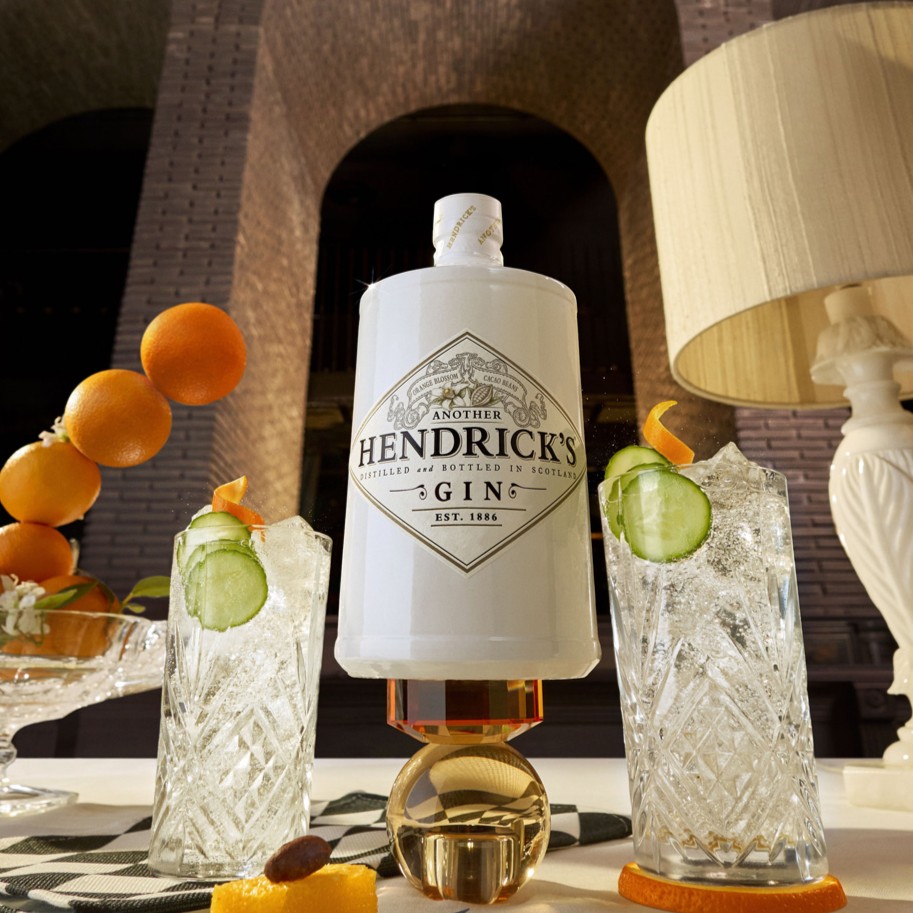







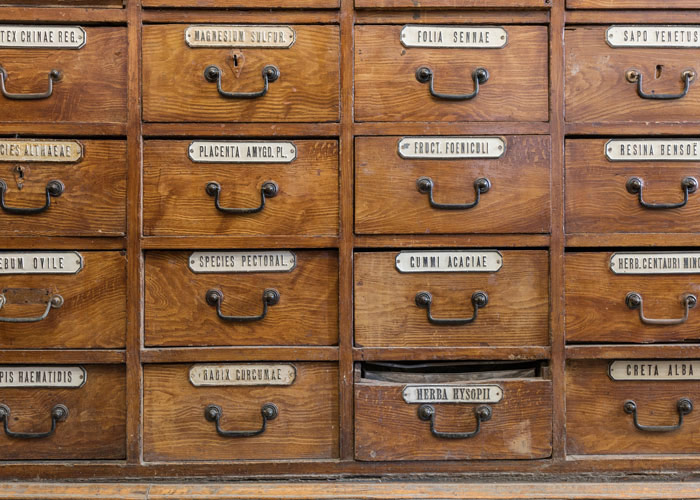


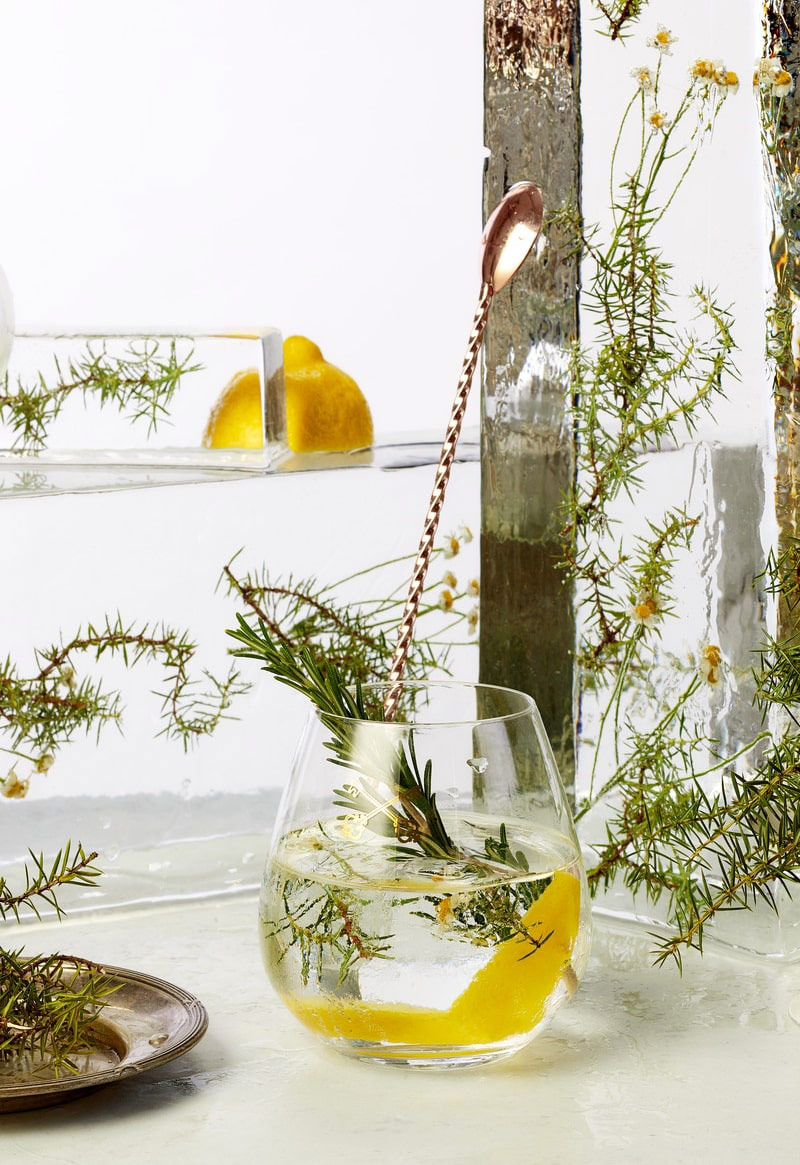

Long confined to the background behind vodka, gin saw a revival after the end of the 1980s. Primarily used in cocktails and mixology, it competes on an equal footing with other spirits for creativity and technique. At the helm of this world, distillers are coming up with new aromas and spices, creating new flavors and taking this spirit to new heights to meet the demands of an educated, increasingly sophisticated clientele.
At the height of its glory between the 50s and 60s, gin was the basis of a large number of cocktails, including the most famous of all – the Dry Martini. The advent of vodka in that same period completely reversed its fortunes. Slowly pushed into the background, gin ended up fading into obscurity. During the 1970s it also suffered from an outdated image in the eyes of a younger clientele infatuated with vodka.
It was not until the end of the 1980s with the introduction of a new brand of gin, Bombay Sapphire, that the entire category was restored to its former glory and started drawing the interest of bartenders and mixologists. Gin thus became a new source of inspiration and innovation, with many distillers competing in ingenuity to revamp their recipes. Original cocktails were created bringing out all of the aromatic diversity of gin's raw material (spices, flavors and herbs) along with the distillers' talent and technical skill.
AAt the very heart of gin production is a blue-green berry, the fruit of a shrub called genus juniperus - juniper. Coriander seeds are also used as a flavoring by most producers. Notably, there is no rule regulating the choice and amounts of herbs, spices and other flavors used to make this spirit. In fact, while the final character of a gin is certainly influenced by its ingredients, its quality and complexity aren't just defined by the number of spices and flavors - usually between 6 and 10 - used in the recipe.
Besides the ingredient ratio, a distiller's skill lies in a deep knowledge of the optimal conditions for extracting each plant's essential oils, from aromatic herbs to selected spices. Each to their own trade. Thus, some producers will happily resort to the three extraction techniques, i.e., infusion, maceration and distillation, to create their recipe.
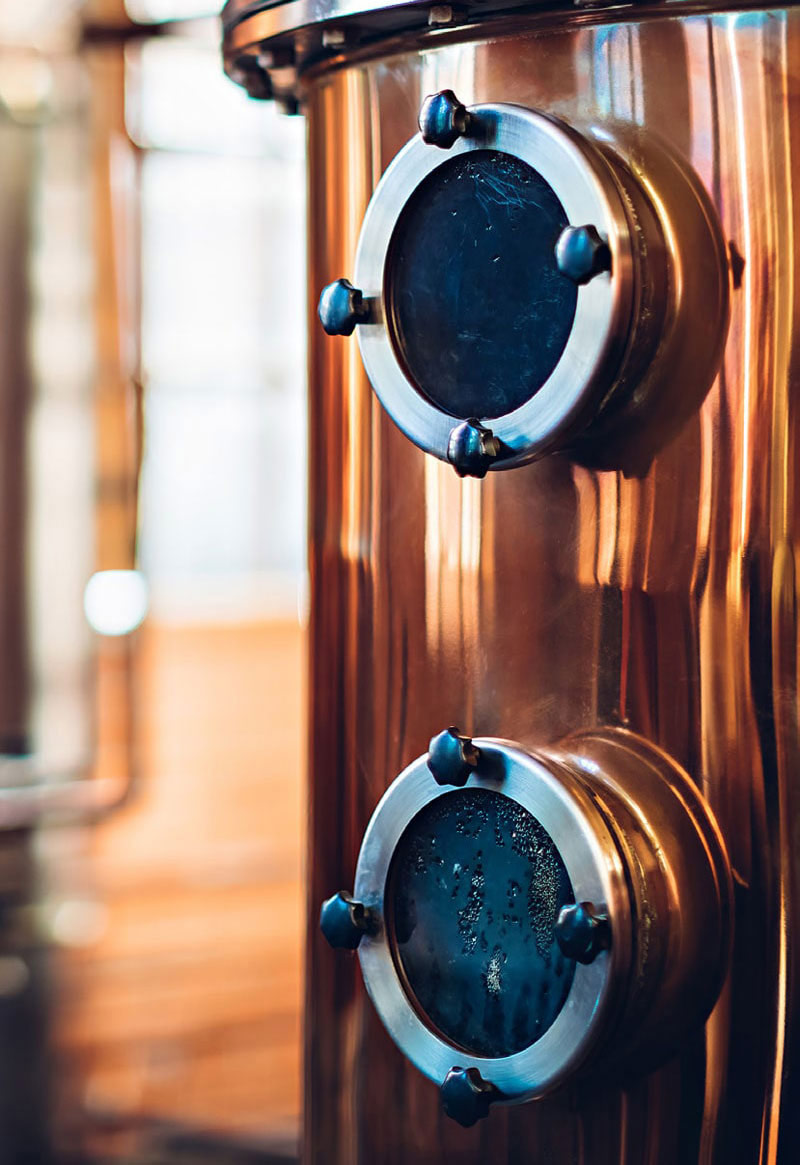
In the 1960s the company John Dore & Co Ltd produced the first of a new kind of still called Carter-Head Still. Its purpose? Turn the grain alcohol distilled from Coffey stills (introduced in 1831 by Aeneas Coffey) into vodka or gin. Comprised of a boiler with a capacity of about 3000 liters topped by a column, the Carter-Head Still differs from regular column stills for having a copper chamber mounted on top of it.
Loaded with spices, aromatic herbs and juniper berries, the chamber packs with aromas the alcohol vapors traveling from plate to plate and ending up inside it. Now extremely rare, this type of still is still used by a few distillers to mix their very light spirits with heavier ones produced from pot stills.
NEUTRAL ALCOHOL
Most gins are made from neutral grain or molasses alcohol. In the case of grain alcohol, the must is often made up of a mixture of cereals: corn (75%), barley (15%) and other grains (10%) including rye.
PRODUCTION METHODS
"Distilled gin": this method produces the best gins. Distillation is done in batches using a traditional still. The still is steam-heated by means of a resistor located at the bottom of the boiler. The still's boiler (called pot) is loaded with neutral alcohol reduced to about 45° - 60°. While the alcohol boils, the resulting vapors are infused with the aromas of the juniper berries and aromatic herbs. The distillation head and tail are toxic and are recycled and distillated again, while the heart is transferred to the bottling facility for dilution and bottling.
Steeping/infusion: the basic principle is to soak a cotton pouch containing all the botanicals – juniper berries and spices – in the alcohol inside the still or place it in a "perforated chamber" mounted next to the still neck. On contact, the alcohol vapors are infused with the essences released by the botanicals.
Maceration: the basic principle is to steep the juniper berries, aromatic herbs and spices directly in neutral alcohol at 45°, leaving them to soak freely or placing them in cotton bags for 24 - 48 hours. Some distilleries filter the mixture before distillation to separate the botanicals from the alcohol; others distill it as it is, resulting in a particularly flavorful spirit.
"Compound gin": this technique consists of mixing neutral alcohol (frequently molasses alcohol) with a gin flavor concentrate (cold compounding) or artificial essences of juniper berries, spices and aromatic herbs (compound essence). This method involves no redistillation and is mainly used to produce mass-market gin.
DILUTION AND CONSUMPTION
Once distilled, the alcohol is left to rest in vats for a few hours, then gradually diluted down to the desired alcoholic strength. The resulting spirit can be cold-filtered: once cooled down to -2° C, the alcohol is run through a cellulose filter in order to remove any particles left suspended in it. Other filtering methods can be used, such as activated carbon filtering, whereby the alcohol is poured through a layer of carbon.
LONDON GIN (London Dry Gin): also called "English style", this category represents the quintessence of gin. "London" is not a reference to the gin's origin but a specific style that can be reproduced anywhere in the world. "London Gins" or "London Dry Gins" are "distilled gins" to which no artificial ingredient (flavorings or colorings) can be added other than sugar, and even that in strictly regulated amounts (5 g/hectolitre at 100% alc/vol).
PLYMOUTH GIN: to date the only existing designation of origin for gin and the exclusive prerogative of this town in the south of England. This gin is produced by a single distillery located in Plymouth, Blackfriars Distillery (Coates &Co), which holds the sole right of use of the designation.
OLD TOM GIN: an ancestor of London Dry Gin, this gin was very popular in the 18th century. Sweeter and slightly sweetened, it was loaded with aromas to mask an alcoholic base that was harder and less pure than currently used bases. This gin style is increasingly rare.
JENEVER: a close relative of gin, jenever is mainly produced in Belgium, the Netherlands and Germany (Dornkaat). Similarly to some whiskies, it's made from alcohol produced by distilling a grain must consisting of a mixture of rye, wheat, corn and barley. Jenever is usually distilled in a pot or batch still and results in a more robust alcohol than gin. There are two types of jenever: "jonge" (young) and "oude" (aged), the latter aged in oak barrels from 1 to 3 years.
SLOE GIN: a liqueur made from sloe-infused gin. Some recipes involve a period of aging in oak barrels.
The introduction of Bombay Sapphire in 1988 enabled all gin categories to adjust to today's taste. The revival of gin also made it possible to revisit all kinds of classic cocktails and attract a new generation of consumers. With their new flavors, these gins are extending the variety of aromas available, enabling mixologists to apply their skill and create new cocktails. Some brands also offer gin versions aged in wooden barrels in an effort to make gin a product to be tasted on its own.
Distillates have different alcoholpercentages. So, we have defined a parameter allowing you to better understand and compare different prices. This parameter is calculated by dividing the bottle price by the alcohol content. The alcohol content (or strength) is the amount of pure alcohol (ethanol) contained in the distillate.
This parameter indicates the price of a single 4cl dosage of distillate. It is calculated by dividing the price of the bottle by its quantity (expressed in cl), then multiplying by the centilitres of the recommended single dose, as average in cocktail recipes.