Ti potrebbe interessare anche…


Showing 1 - 20 of 20 items
Whisky, rum, gin, vodka, calvados and mezcal: everything you ever wanted to know about spirits but never dared to ask. From history to production methods, from types to protocols used, we present five comprehensive and easy-to-read guides. Find out more.
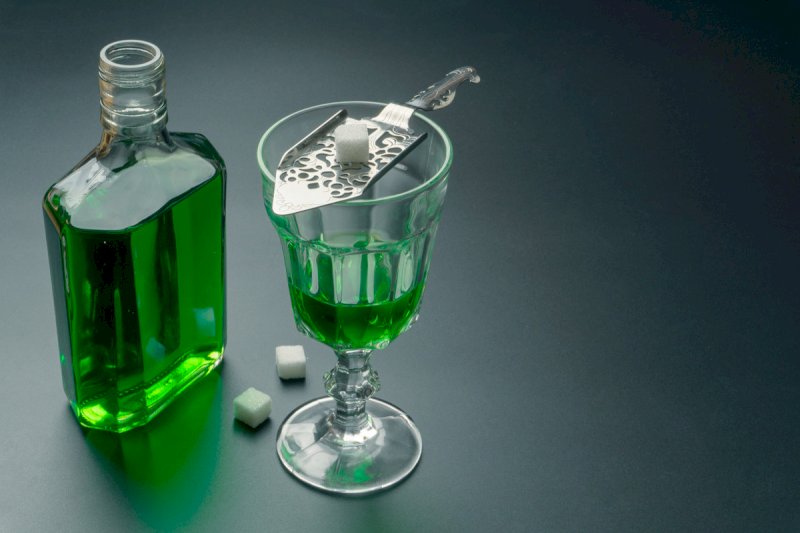
Absinthe is the name of a plant with the scientific name of Artemisia absinthium: a silver-green shrub with an extremely bitter taste that has been used since antiquity for its tonic and antiseptic...
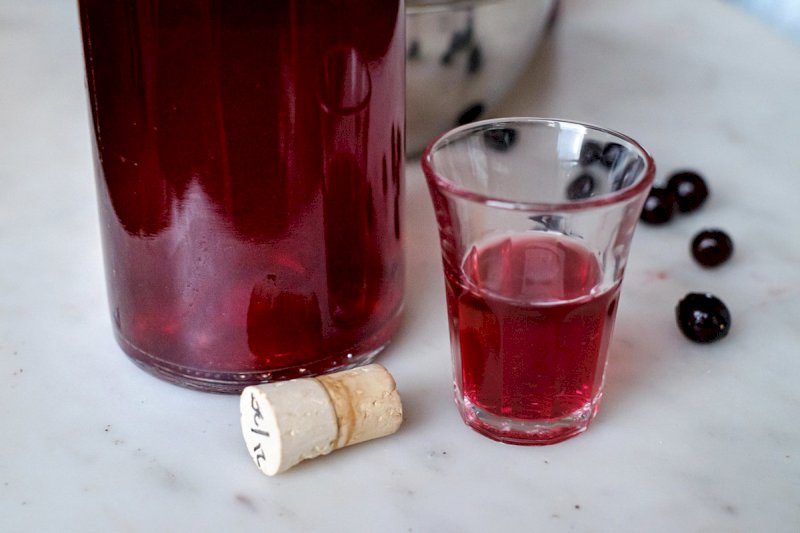
First of all, let's start with the basics: Sloe Gin is not a gin, but a liqueur in which the alcohol base is this very distillate.
It is a traditional British liqueur, produced from a combination...

France has a centuries-old tradition in the art of distillation, made up of work and passion for its land, to the point that its distillates are considered not only a local excellence, but a true symbol...
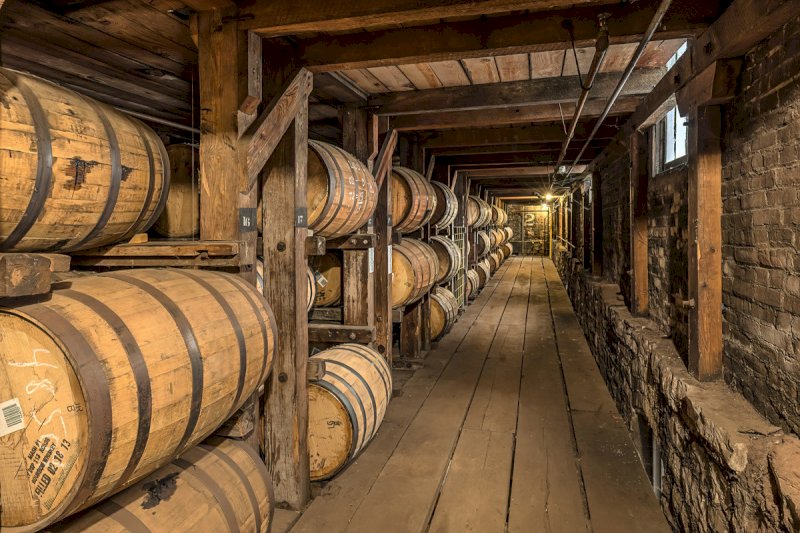
Bourbon can be legally distilled throughout the United States, but its production takes place in six states: California, Illinois, Pennsylvania, Indiana, Georgia and especially Kentucky, where...
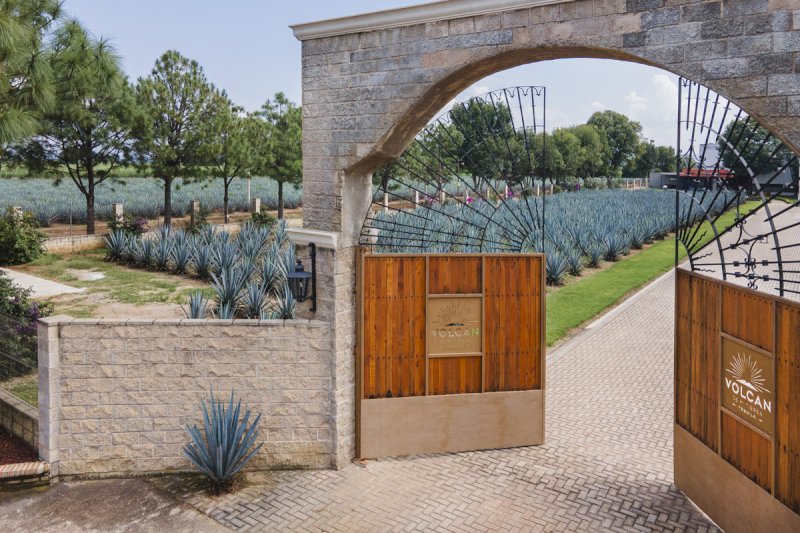
As is well known, the two great spirits typical of Mexico, tequila and mezcal, are both extracted from agave. Agaves are plants native to the American continent, found mainly between Mexico and the...
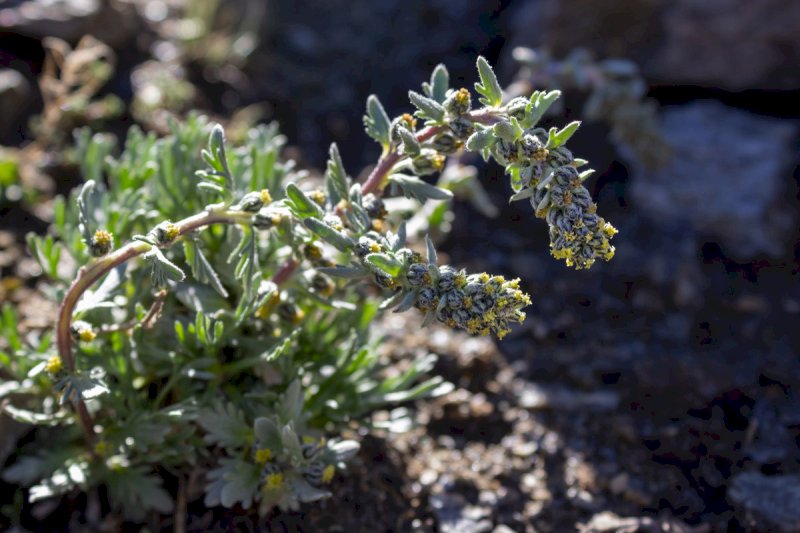
Genepy - or Genepì - is a traditional liqueur originating in the Western Alps, which is obtained by macerating the Artemisia Genipi plant in alcohol. The history of this liqueur is ancient, and its...
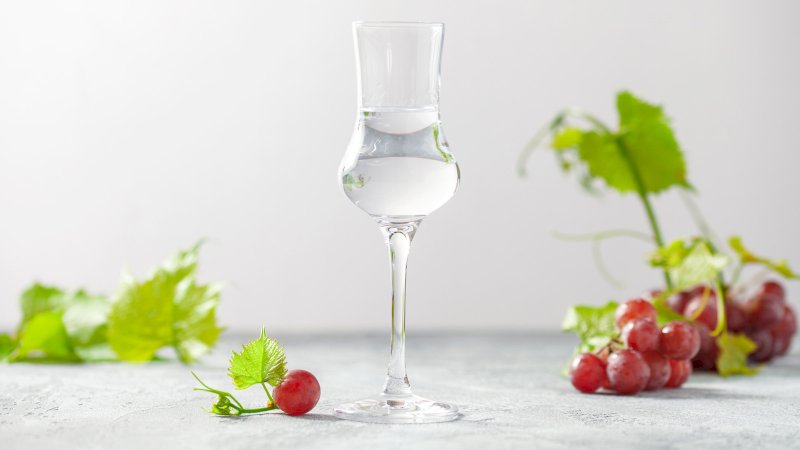
From a strictly technical point of view, grappa is defined as the distillate obtained from the fermentation of Italian pomace. Grappa, however, represents many other things, all linked to a specific...
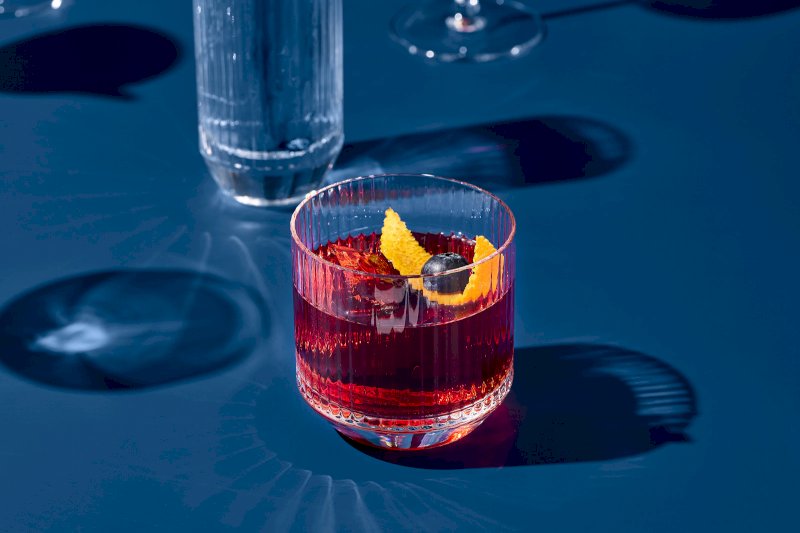
Vermouth belongs to the category of fortified aromatised wines, precisely because of its main ingredients, wine and herbs. With its fascinating history and different types, and with an alcohol content of...
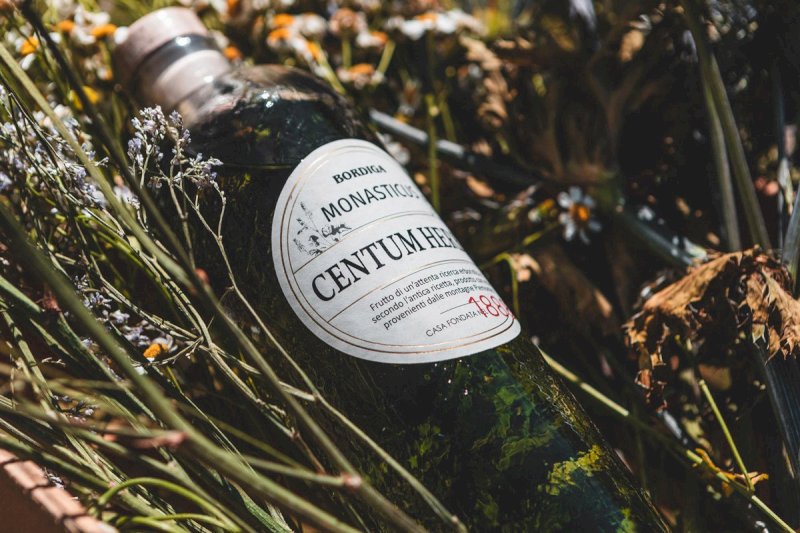
Italian bitters are one of the many excellences of the Bel Paese, which can boast a centuries-old tradition in their production. This type of digestive drink with its bittersweet, complex and enveloping...

Who was born first, Scotch whiskey or Irish whiskey? We will probably never know the answer, and in the end it is not even of fundamental importance.
What we are interested in here is talking about...
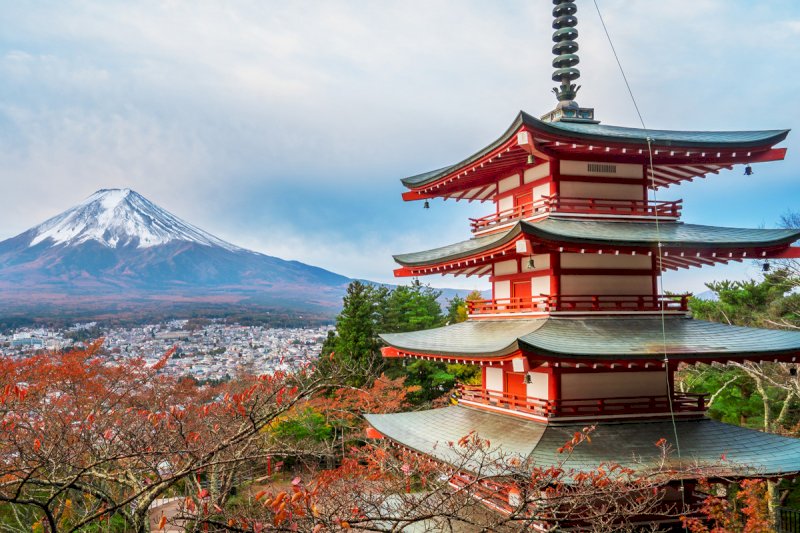
The production and consumption of alcohol in Japan has a thousand-year history that has been enriched and evolved considerably in this century, leading the country to world fame not only for its infamous...
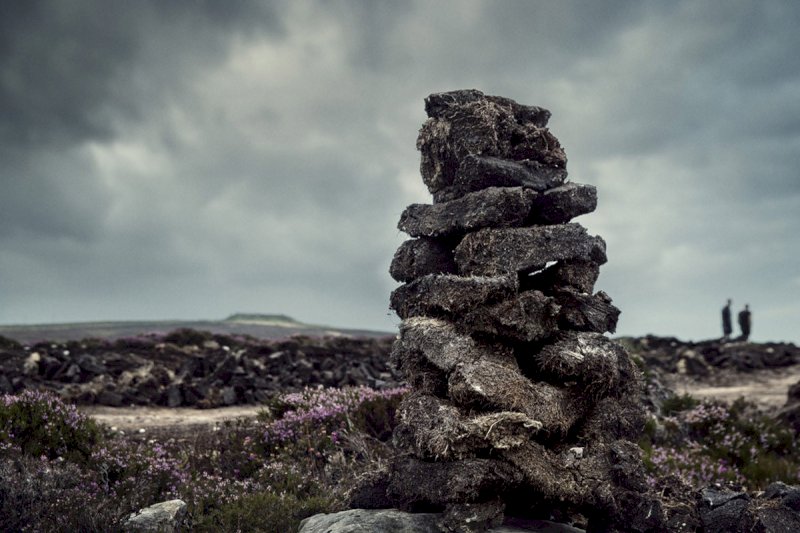
Peat whisky offers great emotions, unmistakable flavours and smells that enrapture us and that, when combined with the scents given by oak wood, create new horizons of taste. But what is peat and where...

Like all whiskies, Rye is reaching an increasing number of enthusiasts.
Let's start with the definition: by law, Rye Whiskey is a spirit produced from the distillation of a mash that must contain...
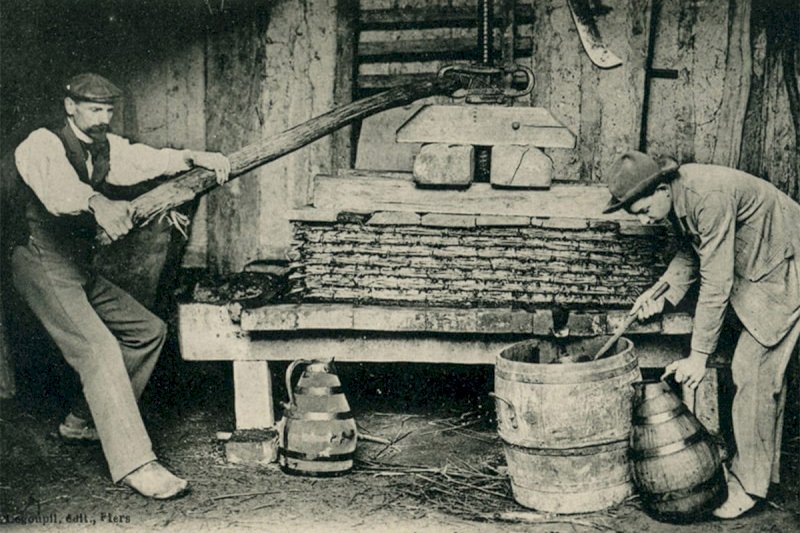
Produced on French soil since the 16th century, Calvados is a highly appreciated spirit that is exported all over the world. In France, it is in the process of conquering a new generation of curious and...
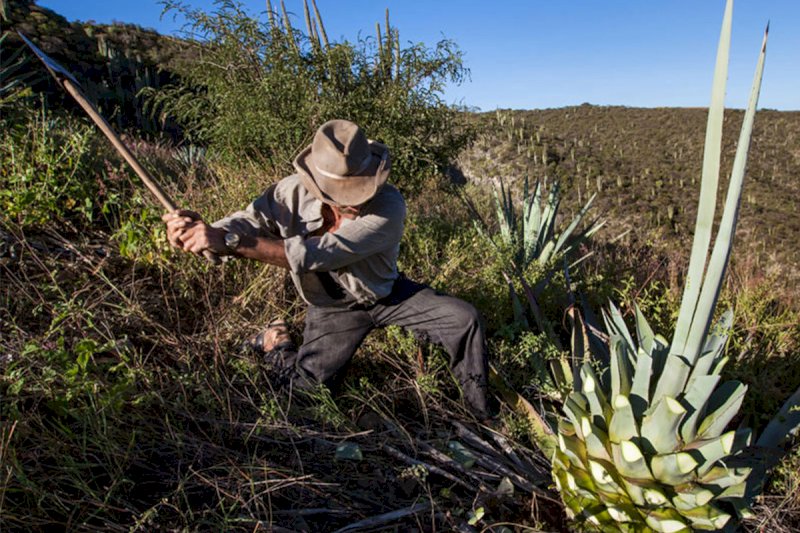
While all tequilas are technically mezcals, the reverse is not true. Originally, all alcohol produced from agave juice was called mezcal. It is since the 19th century that the distinction between the two...
Long confined to the background behind vodka, gin saw a revival after the end of the 1980s. Primarily used in cocktails and mixology, it competes on an equal...
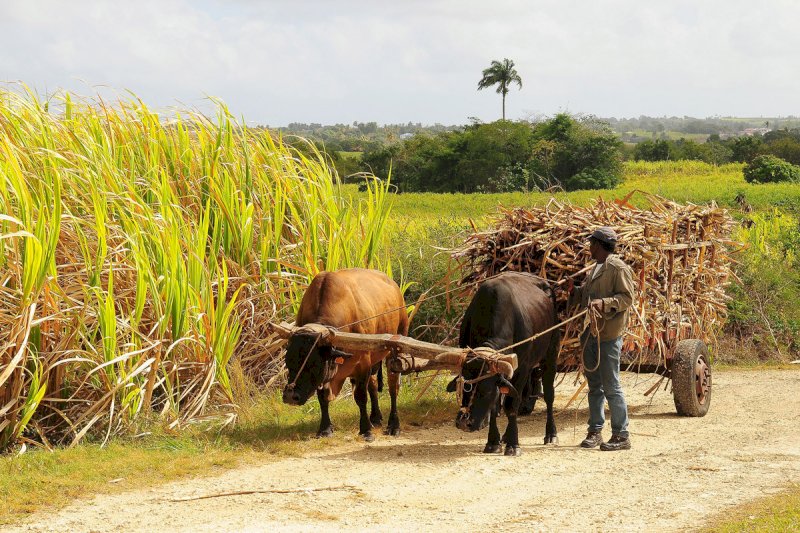
Discovered by the West following on from the Spanish, French and English conquests of the Indies, rum was originally a slave and seafarer drink. Used as bait by pirates in their attempts to get the...
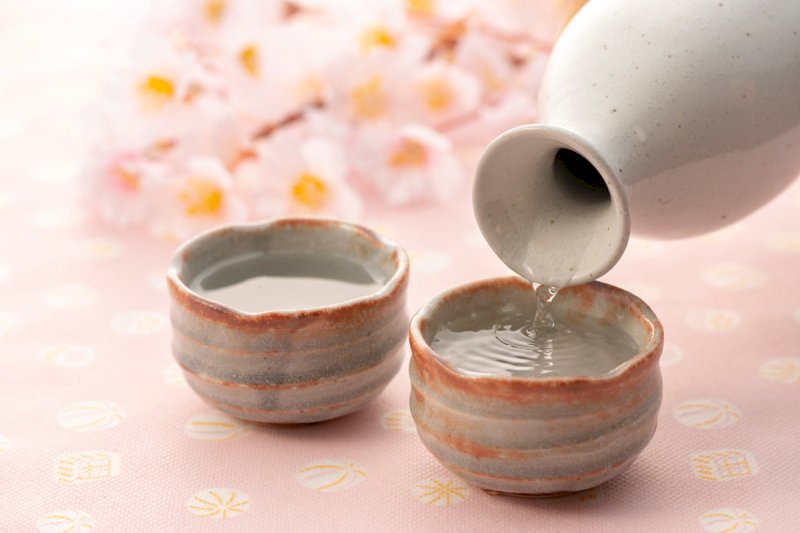
The place of origin of sake is believed to be Nara, the ancient capital of Japan on the island of Honshu. In particular, the production technique known as bodai-moto was handed down in the Bodaisen...
Vodka production has strongly influenced not just the social and demographic evolution of Russia, but of the entire European continent.
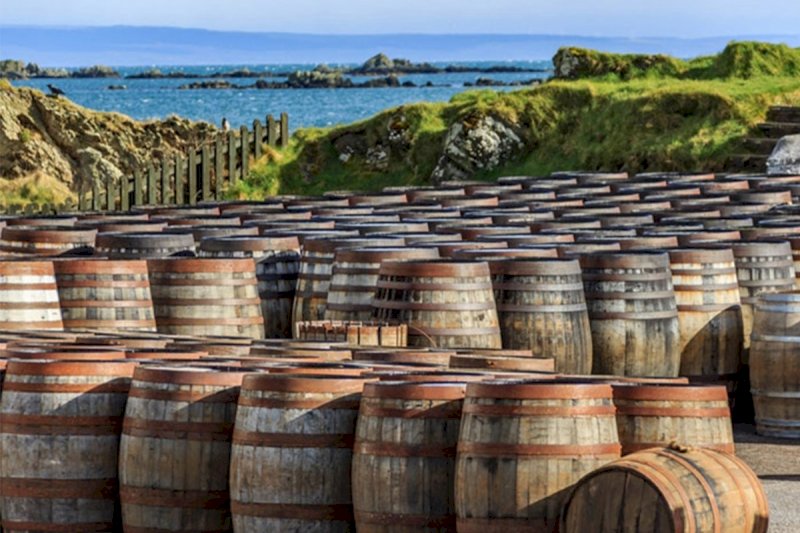
Ireland and Scotland have always contended over the paternity of the invention of whisky, however, there are no official documents and we will not go into this centuries-old dispute, but will rely on...
Distillates have different alcoholpercentages. So, we have defined a parameter allowing you to better understand and compare different prices. This parameter is calculated by dividing the bottle price by the alcohol content. The alcohol content (or strength) is the amount of pure alcohol (ethanol) contained in the distillate.
This parameter indicates the price of a single 4cl dosage of distillate. It is calculated by dividing the price of the bottle by its quantity (expressed in cl), then multiplying by the centilitres of the recommended single dose, as average in cocktail recipes.