Although Ireland and Scotland have always staked rival claims to being the real birthplace of whisky, there are no official documents about its origins. We will not get bogged down in this centuries-old dispute, relying instead on historical facts. After the fall of the Roman Empire, Europe was invaded by barbarian populations and Ireland became the refuge for all Catholics who did not want to give up their faith. It was St. Patrick's Irish missionaries who, in AD 432, first wrote of a local drink called Uisce beatha, a sort of Irish brandy, mainly used for medicinal purposes.


In the early twelfth century, King Henry II of England invaded Ireland and the English came to know Uisce beatha. Over time this name, impossible to pronounce for the invaders, changed - uisce – fuisce – uiskie and finally whisky. Again, no truly reliable written source can ultimately prove the Irish origin of whisky. Be that as it may, whisky began spreading beyond the borders of Ireland, aided by missionary monks who continued to preach the word of God.
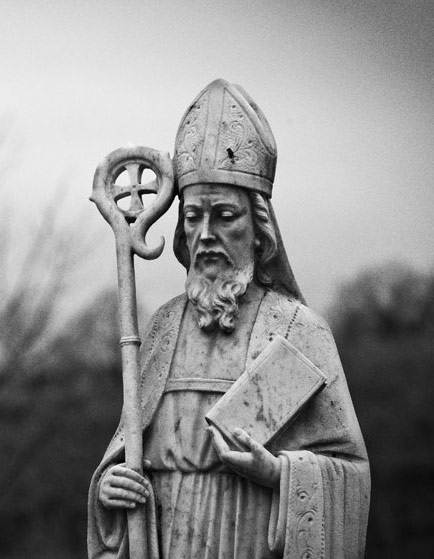
Over the years, the history of whisky has been punctuated with iconic figures that have strongly influenced its evolution, especially in the last century. It all started with St. Patrick, an Irish bishop and missionary of Scottish descent universally considered as the father of whisky. Fast forward to Magnus Eunson, who became Highland Park’s first master distiller in 1798.
Another notable figure is Elijah Craig, a Kentucky priest and educator viewed by many as the inventor of bourbon whiskey, whose name is immediately associated to that of Jack Daniel, who made his Tennessee whiskey a true symbol recognized across the world.


Different types of whisky are produced around the world, in countries that are culturally and geographically distant but brought together by their passion for producing this ancient spirit. A variety of production techniques exist, which mainly differ in the kinds and ratios of grains used as raw material, but often also in distillation and maturation methods.
The main types of whisky can be distinguished based on the climatic conditions of the places where they are produced, which sometimes show striking similarities (e.g., the climate in Scotland is surprisingly similar to some areas of Japan), while others are true rarities that make each sip a unique tasting experience.
Geographically, whisky can be divided into 6 different regions: Scotch Whisky, Irish Whiskey, American Whiskey, Japanese Whisky, Australasian Whisky, European Whisky.
In this definition, the word Scotch has a geographical, rather than general, meaning. Irish whiskey (spelled with an e, like American bourbon whiskey) is a distinctive product of the Republic of Ireland and Northern Ireland. Here, the definitions were established by Parliament with the Irish Whiskey Acts of 1950 and 1980.
The 1950 Act distinguished pot whisky from blends and stated that the name Irish Pot-Still Whiskey could apply exclusively to spirits distilled from stills located in the Republic and made from a mix of cereals typically grown in the country.
The 1980 regulation specified that the term 'Irish Whiskey' only applies to 'spirits that have been distilled in the State or in Northern Ireland from a mash of cereals which has been saccharified by the diastase of malt contained therein, with or without other natural diastases'. This means that unlike Scotch, Irish whiskey can be produced using microbial enzyme preparations in addition to malt.
The 1980 law also specified that whiskey must be aged for at least three years in wooden barrels in Ireland. Additionally, in Ireland distillation is not double but triple, giving the spirit a more robust body and stronger taste.
The huge popularity of whisky produced in Scotland, Ireland, the United States and Canada prompted many other countries to try their hand at whisky production, with products usually formulated to resemble Scotch. Some countries, particularly Australia and Japan, produce surprisingly good whisky that can hold its own in the export arena. Other countries, including the Netherlands and Spain, have distilleries that mainly, if not exclusively, produce for domestic consumption.
TYPES OF WHISKY
Geographically speaking, we can divide the types of whisky into 6 different areas:
1. SCOTCH WHISKY
2. IRISH WHISKEY
3. AMERICAN WHISKEY
4. JAPANESE WHISKY
5. AUSTRALASIAN WHISKY
6. EUROPEAN WHISKY


In agreement with the Scotch Whisky Association, Scotch Whisky only refers to whisky that is entirely produced, aged for a minimum of three years and bottled in Scotland.
The SWA clearly establishes mandatory labeling requirements ensuring that Scot-tish Whisky is clearly identifiable and that specific information is provided, including about the distilleries, in order to protect and preserve their production methods and traditions.
Technical specifications are also provided for each type of whisky in order to prevent misinformation:
SINGLE MALT refers to a Scotch Whisky only made from water and barley malt at a single distillery and from batch distillation;
SINGLE GRAIN Scotch Whisky distilled at a single distillery which, in addition to water and malted barley, can also be produced from whole grains or other malted or unmalted cereals;
BLENDED is defined by SWR as a blend of one or more Scottish Single Malts and one or more Single Grains, according to traditional blending practices;
BLENDED MALT/BLENDED GRAIN are two different combinations of single malts or single grains produced at different distilleries and mixed together.
In addition to production method, Scotch Whiskies are also classified based on the region in Scotland where they are produced:


HIGHLANDS is the largest production area and includes a wide range of very different whiskies due to the region's diverse climate. The Highlands region includes Campbeltown, a small area around the eponymous town on the Mull of Kintyre, and the distilleries located on the islands of Orkney, Skye, Mull, Jura, which produce spicy whiskies requiring long aging periods. The region is home to dozens of distilleries including Glenmorangie, Dalmore, Ben Nevis, Lochnagar, Longrow and Springbank.

SPEYSIDE is a region located east of the Highlands around the River Spey. It's home to the largest number of distilleries in Scotland known for producing particularly elegant, complex whiskies. Best-known distilleries include Aberlour, Ardmore, Cardhu, Cragganmore, Glen Grant, Glenfiddich, Macallan and The Balvenie.

ISLAY is a small island west of the Scottish mainland. It's very exposed to the wind and the ocean and this influence can be clearly perceived in its whisky’s strong, pungent aroma and marine notes of seaweed and sea spray. Considered among the finest whiskies, Islay is home to distilleries like Bowmore, Lagavulin, Bruichladdich, Caol Ila and Bunnahabhain.

ISLANDS it includes nearly 800 micro-islands scattered off Scotland's west coast, only a handful of which are inhabited and very few still have a distillery. Arran, Mull, Jura, Skye, Lewis and Orkney are home to an eclectic mix of styles, from light citrus to full peat smoke.

CAMPBELTOWN was once a thriving whisky region with no less than 34 distilleries. Today there are only three producers left, but they compensate for their small number by making unique malt whiskies, particularly peat whiskies that are a tribute to the region's illustrious past.

LOWLANDS is the region south of the line connecting Dundee and Greenock. The whiskies produced here are gentler and smoother than those from the Highlands. Glenkinchie, Bladnoch and Auchentoshan are among the most renowned distilleries in this area.
Whisky is a spirit obtained by distilling one or more cereals and left to age in oak barrels. By contrast, cognac and Armagnac are obtained from grapes, calvados from apples or pears and rum from sugar cane. The main raw material is barley, a widely grown cereal in Scotland. However, other types of cereals are also required such as rye, corn and wheat, especially for blended and bourbon whiskey. Grain, fruit and sugar cane cannot be distilled directly in a distiller. As a result, the sugar contained in grain or fruit must first be extracted (malting) and converted into alcohol with the aid of yeast (fermentation).
Whisky is apparently made with just a handful of simple ingredients – grain, water and yeast, with the mixture being placed in different tanks and filters before being run through stills and aged in oak barrels. However, it's important to remember that every single step and every single ingredient plays a key role in creating whisky’s broad range of different aromas and consistencies.
MALTING
Of all the different cereals used, barley is the one that contributes the most to the aromatic range of a whisky. For over three hundred years, distillers have carefully selected the barley that went into their whisky as it was the largest expense for a distillery, as well as the heart of the production process of Uisce beatha. Starting from the 1970s, malting (the first step in converting grain into alcohol) is no longer done in-house – only five distilleries, including Balvenie, still malt up to 30% of their barley. Today this long, expensive process is subcontracted to mechanized maltings, saving time and money as well as obtaining barley malts that meet the specifications of each distillery. Often perceived as a one-step process, malting actually involves three separate processes:
STEEPING once harvested, barley is left to rest naturally. Composed of a husk containing an embryo (the future plant) and a starch sack (energy reserve), barley undergoes several wet and air stand phases to activate the dormant embryo. This process requires anywhere from forty-eight to seventy-two hours depending on climatic conditions, and ends when the grain moisture content increases from 15% to over 40%.
GERMINATION can then begin. The wet barley is spread over the malting floor in layers 30 to 50 cm thick. As the embryo develops, the solid walls protecting the starch dissolve. The starch turns into a sort of soft, whitish flour, the sugar content of which will be extracted during fermentation. The heat generated by the growing embryos requires the barley to be frequently turned. This is traditionally done using wooden shovels (shiels) or rakes. This physically taxing process must be repeated an average of three times a day to prevent the roots from becoming entangled. When the small roots have grown to two or three millimeters, germination is stopped to prevent the embryo from feeding on the grain sugar. At this stage, the barley is known as "green malt" and is then transferred into an oven (kiln) for drying.
KILNING used to be done only with peat or carbon coke. Today malting houses are equipped with peat-fired ovens and burners generating hot air. Once dried, the malt is cleaned from impurities and other residues before being delivered to the distilleries.
Yeast
The yeast used during fermentation significantly affects the aroma profile of a whisky. Yeasts are single-celled microorganisms in the Fungi family that feed on sugar, producing alcohol and carbon dioxide in the process. Distilleries use a widely known variety of yeasts, but the precise strains, ratios and mixtures is a jealously guarded secret. There are two broad categories of yeast: wild yeast and cultivated yeast.
Wild yeast naturally occurs in the atmosphere and is occasionally still used to make craft beer. This kind of yeast is sensitive and only activates when the climatic conditions and natural microbial environment are just right – something humans have little control over. Despite its great aromatic potential, distillers consider this yeast too risky to use. Cultivated yeasts obtained from breweries or distilleries are the most widely used. They enable to predict the alcohol content in advance and ensure the production of specific aromas that make up the aroma profile of each type of whisky.
Not only does yeast convert sugar into alcohol, it also provides specific aromas. During fermentation, the esters responsible for the fruity notes in many whiskies begin to appear. These esters provide characteristic notes like apricot, apple, pear and tropical fruit (banana, pineapple). The fermentation process also produces other aromas.


MASHING
Often viewed as an intermediate step in the alcohol production process, malt – and especially the coal used for drying it – is rarely credited with contributing to whisky's aromatic range. When dried with hot air, malt takes on toasted biscuit notes, while if a peat fire is used, it develops roasted, smoky, medicinal notes.
After the malting process, malt is stored, run through a malt mill - a sort of millstone - and ground into a coarse flour called grist. This ground mixture is comprised of 70% grist, 20% husk residue and 10% flour. This ratio must be strictly observed in order to avoid hindering the fermentation process.
FERMENTATION
A key element in whisky production, yeast is responsible for converting a simple sweet must into malt beer. At the end of the fermentation process, a mixture of water and malt known as must is cooled down until the yeast activates (about 20° C). It's then transferred to fermentation tanks, which vary in size from 1,000 to over 50,000 liters. Traditionally made from Oregon pine or larch wood, today these vats are often replaced with stainless steel washbacks, which require lower maintenance.
When the washback is two-thirds full, the yeast is added to the mix. Once the yeast activates, the sugar contained in the must is transformed into alcohol and carbon dioxide. The resulting liquid is known as wash. The wash starts to warm up, with the temperature rising from 20° C to 35° C. The rotating arms continuously stir the wash to ensure the temperature doesn’t go up too high, which would inhibit the yeast.
It takes forty to sixty hours to convert all of the sugar into alcohol. After a certain number of years of aging, yeast becomes one of the most important parameters in evaluating how long a whisky will keep.
DISTILLATION
Distillation is the second major step in the whisky making process. It's of paramount importance, especially to distillers themselves, as they put considerable effort into it.
The most important instrument by far is the still, considered as the real maker of whisky. Jealously guarded by each distiller, stills have different shapes and features depending on each distillery's production capacity and, most of all, on the preferences of each individual Master Blender.
Scottish Single Malts are still distilled using traditional copper pot stills which, though requiring a thorough cleaning after each use, are made from a pliable material that captures and eliminates any undesired sulfur substances. The shape of the stills varies depending on the distillery, with the classic onion and boil ball shapes being the most common. Other types include the classic Lantern still, reminiscent of old stills, the pear shape, the bell shape and the extremely rare Lomond still, still used by Scapa and Dalmore. A still can be used for twenty or thirty years.
As every single component plays a key role, some distilleries, fearing changes in the taste of their whisky, go as far as to reproduce the imperfections of their old stills, including dents or bumps.
Peat
Peat is the product of decomposed plants - heather, grass and moss - which over thousands of years gradually turn into fuel made of organic waste. In northern and western Scotland, vast expanses of peat several meters deep have built up over the years. The peat layer regenerates at a rate of about one millimeter a year. Moisture levels are very high, sometimes up to 60%. This is why peat burns producing little heat and a lot of dense smoke that allows to partially dry the green malt, giving whisky its characteristic peaty smokiness.
See our selection of peaty Whiskies ›

MATURATION
Valued for their durability and water-tightness, oak barrels have long been used as containers, regardless of where they were made. Required to age their whisky for a minimum of three years, in the 20th century producers began to take an interest in the properties of oak and its influence on whisky’s aromas and color.
There are more than 50 oak varieties in the world, but only a few have the necessary qualities for ageing whisky. American white oak (quercus alba) is one of the most widely used due to its pliability and porosity. European oak varieties (quercus robur, quercus sessilis or petrae), on the other hand, are commonly used in the aging of oloroso sherry and these barrels are highly sought after by Scottish distilleries because of their ability to extract more aromatic compounds than other types of barrels.
An endless variety of production styles, combined with the extravagance of each Master Distiller, have also led to the creation of new types of barrels like the Limousin (quercus pedunculata) used for maturing cognac.
Each of these barrels can be used as is or undergo different processes. One of these is wine aging, whereby barrels are lent to wineries for aging sherry, returned to the distilleries and used for aging whisky. Another widely used method is barrel charring. The barrel's interior is burned to varying degrees in order to concentrate and bring out the aromatic compounds of the oak. The life span of a barrel is estimated at about sixty years. An increasing number of Scottish distilleries are experimenting with barrels that contained Madeira, Porto, Sauternes, Bordeaux wines, Calvados, and many others in an effort to extend the aromatic range of every single whisky.
Not to get into too much detail, we can say that there are several factors influencing the ageing of a barrel – essentially, its ageing environment. This environment is basically the sum of warehousing and climate conditions. The former affect whisky maturation based on different factors, including barrel arrangement in the warehouse; the latter mainly affect the evaporation rate, estimated at an average of 2% per year.
- The lower the temperature, the higher the moisture levels in the warehouse, the more likely the alcohol is to evaporate (as it's more volatile than water). As a result, whisky loses some of its alcoholic strength but none of its volume. - Conversely, the higher the temperature, the drier the warehouse, the more likely the water is to evaporate. Under these conditions, the whisky's volume drops but its alcoholic strength remains the same.
That's why whiskies aged in a tropical climate are stronger and more robust than their counterparts aged in a harsh climate like Scotland's. Even the air surrounding the barrels and filtering through the pores of the wood plays a major role. Whiskies aged close to the sea, especially those from the Campbeltown Peninsula, Islay Island and Skye Island, are infused with marine aromas, often with strong salty notes.
DOUBLE DISTILLATION
In Scotland, single malt whisky distillation is generally a two-step process. The wash produced after fermentation is first transferred into one or more large stills known as wash stills. These are equipped with small openings to allow bubbling inside the still. The low wines obtained by condensing the alcoholic vapors have a strength of about 25°.


They are run through a spirit safe, which allows the distiller to accurately measure the density of the liquid. The first distillation ends when the liquid at the bottom of the wash still has an ABV of no more than 1%. Known as pot ale, this residue can account for more than two-thirds of the initial wash and is used as livestock feed.
The low wines are then transferred into a smaller still called spirit still and undergo a second distillation. The first spirit obtained is run through the spirit safe, where it can be analyzed and monitored. As the distillation process progresses the alcohol content is reduced; when the liquid is no longer cloudy, the (almost) whisky has an average strength of 68° to 72°. The distillation "tail", called feints, with an ABV of less than 70% is rich in sulfur and heavy, powerful aromatic compounds.
The number of distillations, the size and shape of the stills, the distillation speed, the heating process and the lyne arm angle all contribute to the final character of a whisky. In Scotland, most distilleries opt for a double distillation, but many Lowlands distilleries have embraced the Irish tradition of triple distillation.
Triple distillation single malts are lighter, with elegant floral and fruity notes. The stills are heated until the alcohol reaches the boiling point, which is lower than that of water. The lighter, extremely volatile vapors increase and are transported through the lyne arm. The heavier vapors sometimes fall to the bottom of the still and are distilled again. The taller the still, the lighter the whisky; conversely, the shorter the still, the stronger and more robust the spirit.
The lyne arm angle is just as important as the size of the still. A slightly inclined lyne arm allows the lighter vapor to travel to the condensing system and vice versa. There are two types of lyne arms: the traditional worm tubs and the more modern U-shaped tube lyne arms. Some distillers have recently opted for a return to worm tubs, which goes to show that even at this advanced stage in the process, it’s still possible to influence the final character of a whisky.

BOTTLING & TASTING
At the end of the maturation period and before bottling, whisky is diluted from an ABV of about 60% to a more pleasant 40-45% (40% being the legal minimum for whisky). Some distilleries, including Glenfiddich, Springbank and Bruichladdich, have their own bottling systems, while others send their whisky to specialized bottling plants.
"Chill filtered", a phrase often found on labels, means the whisky was cold- filtered using a small mash at 0° C. This process is used to remove the last impurities from the whisky after years of aging, giving it a nice shine at the expense of a slight loss in aroma.
As can be clearly seen, the aroma profile of whiskies, particularly extremely well-made ones from Scotland, is the result of a combination of factors that must balance each other perfectly. The raw material, the shape of the stills, as well as the passion of the master distillers or the climate in a particular period are all elements that must be carefully factored in.
When it comes to tasting, two categories of whisky should be distinguished: the first, comprising about 95% of whiskies on the market today, is called "daily whisky". It includes whiskies commonly served in pubs, which have a price-focused - rather than brand-focused - market strategy.
The second category is called "tasting whisky" and involves a long ritual and strictly regulated environmental conditions, including the choice of glass, the time of day and even the place where the tasting occurs.
The tasting involves sight, smell, taste and even touch. Each step is crucial to analyze a whisky and reveal all of its many "hidden" elements such as age, aging method, the country and even the region where it was produced.
It's a journey full of images and aromatic memories that reach deep down into the taster’s memory. Not surprisingly, the aftertaste is an extremely personal stage in the tasting process, where each taster remembers and retains in their mouth different aromas depending on what they like or dislike, but which essentially reminds them of experiences from their own individual past.
The sensory analysis is ideally completed by an examination of the empty glass. Once the alcohol has evaporated, the glass displays the dry essence of the whisky. Young whiskies generally leave just a light residue, while aged whiskies undergo a slow oxidation process and leave behind a very rich essence.


Distillates have different alcoholpercentages. So, we have defined a parameter allowing you to better understand and compare different prices. This parameter is calculated by dividing the bottle price by the alcohol content. The alcohol content (or strength) is the amount of pure alcohol (ethanol) contained in the distillate.
This parameter indicates the price of a single 4cl dosage of distillate. It is calculated by dividing the price of the bottle by its quantity (expressed in cl), then multiplying by the centilitres of the recommended single dose, as average in cocktail recipes.