Ti potrebbe interessare anche…







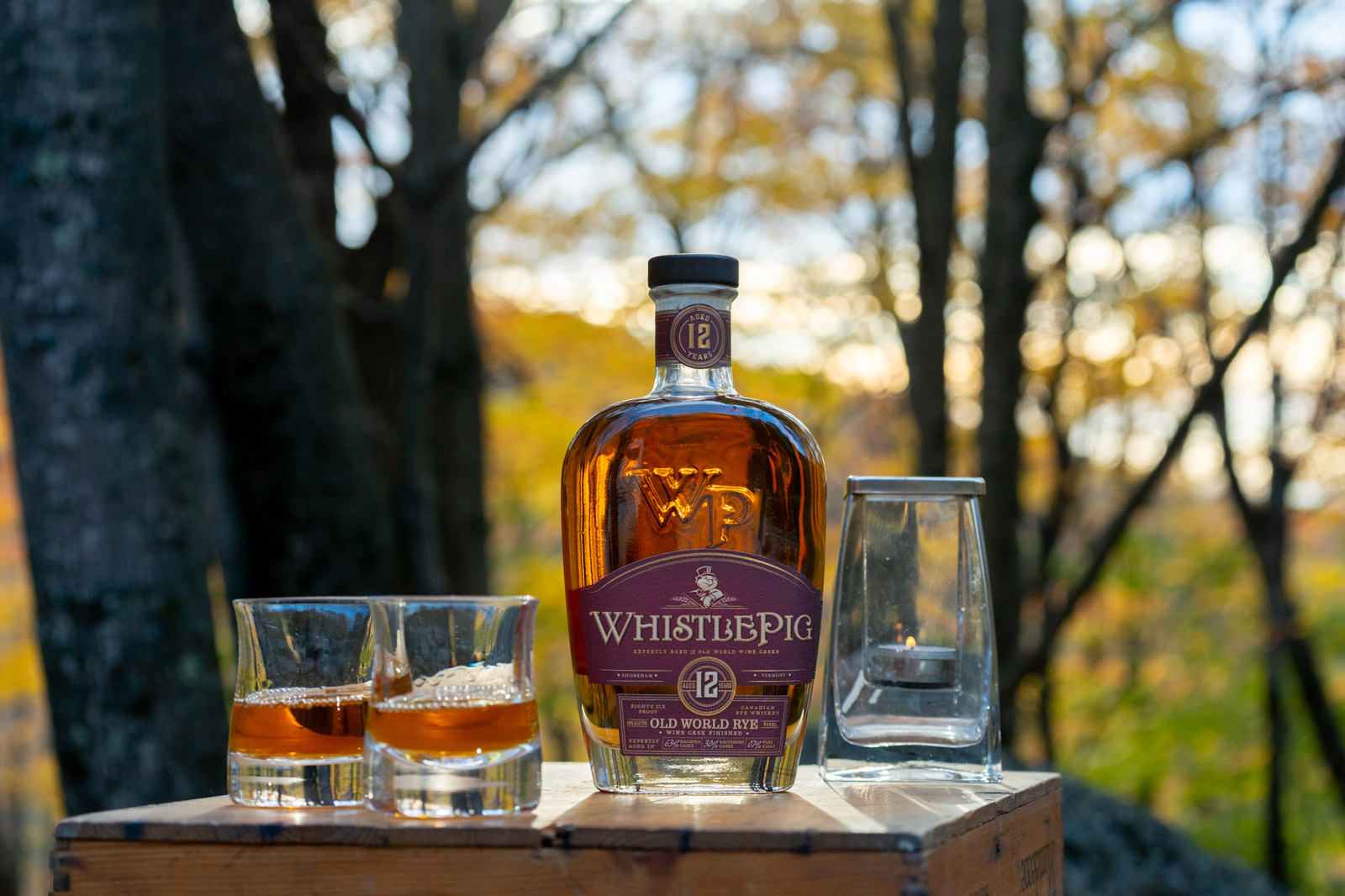
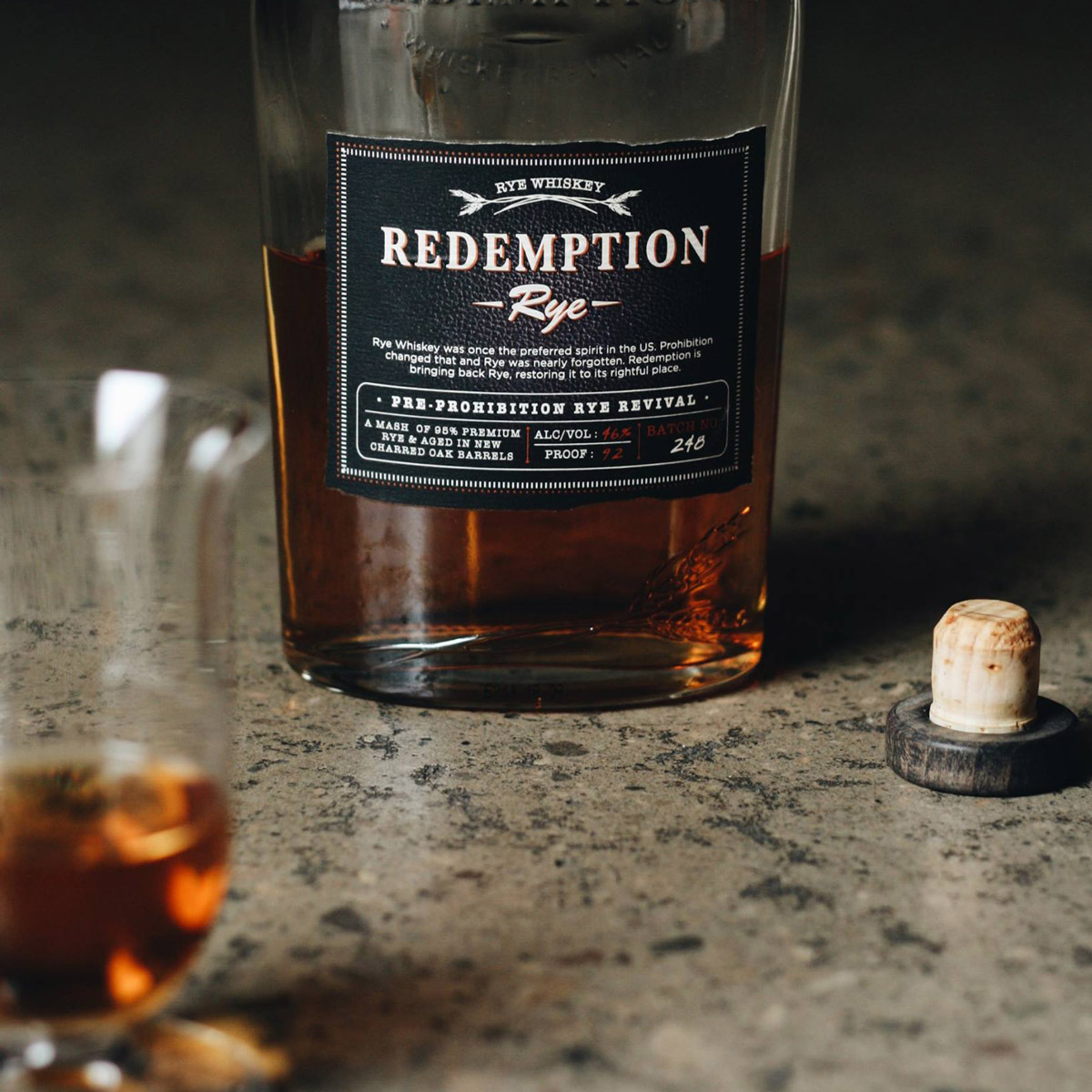
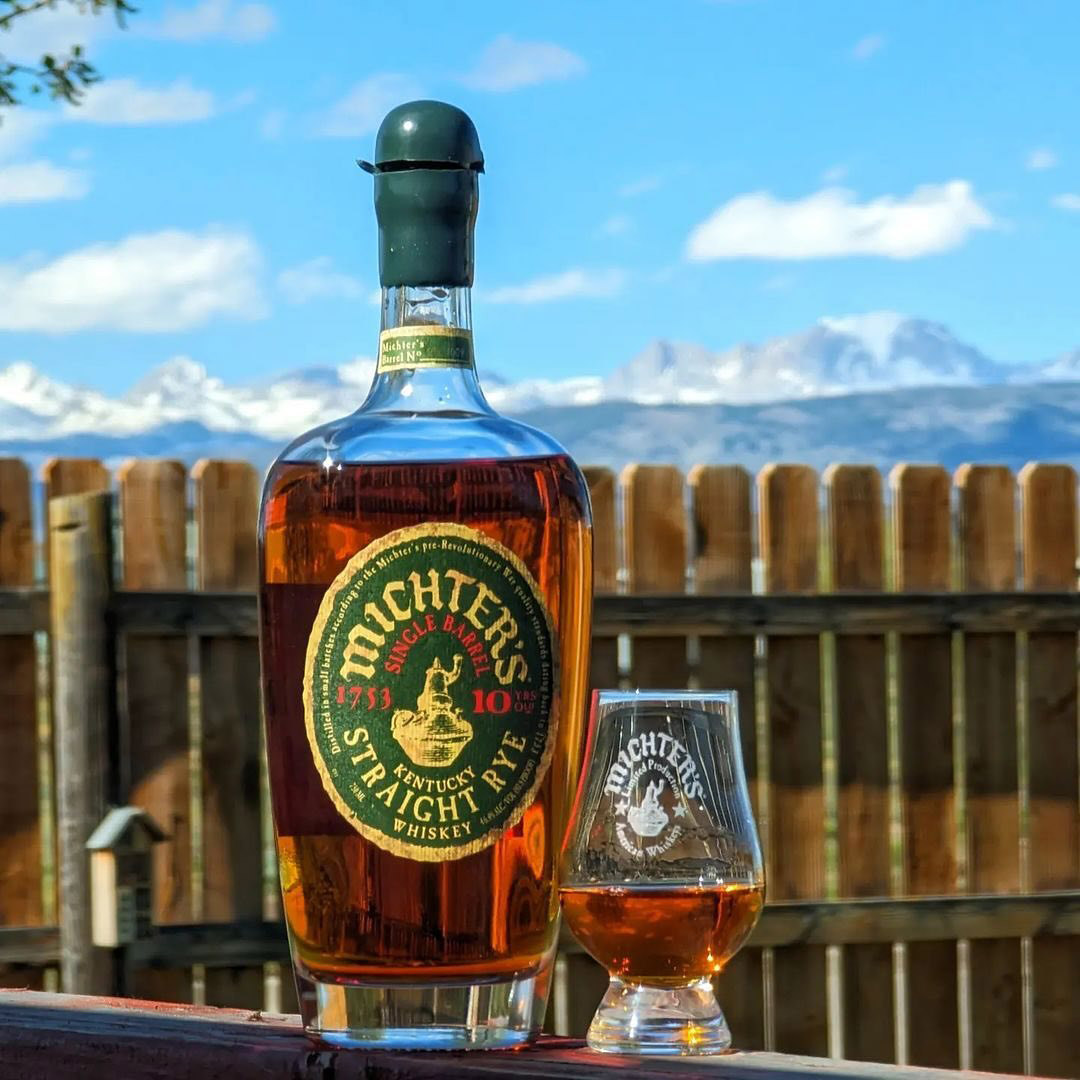
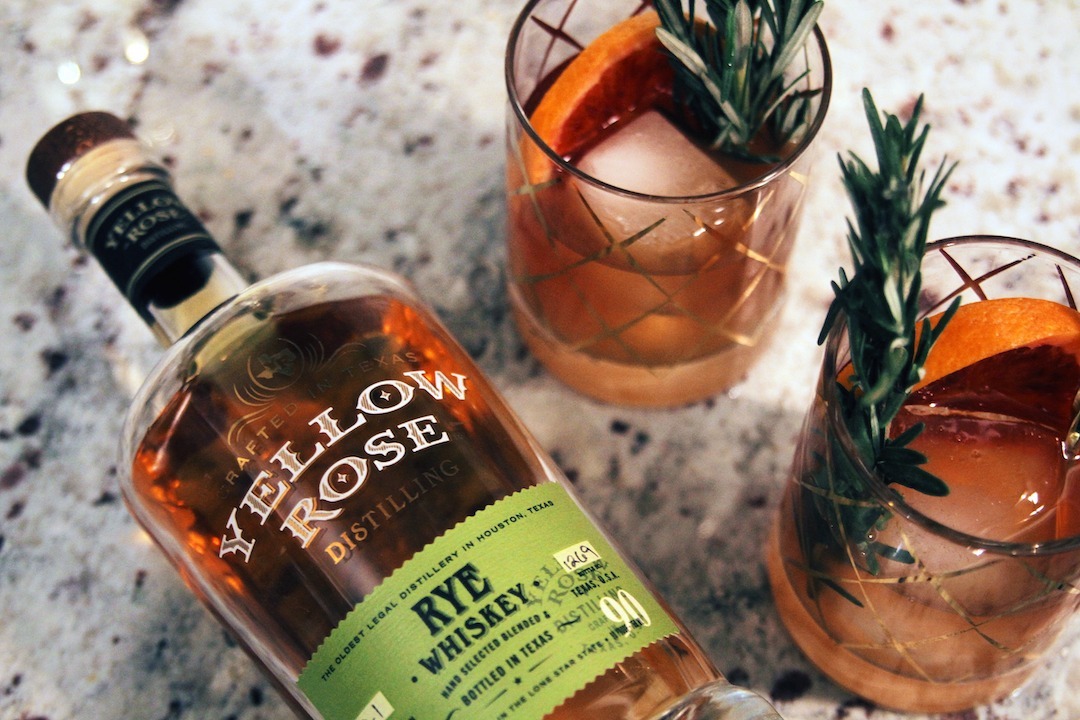
discover our rye whiskeys


4,10 €

Widow Jane 10 Years Old High rye bourbon whiskey
Barrel #1070 - 60° Anniversary LMDW
70cl / 45.50°
Rye
89,90 €94,00 €
Out of Stock
Like all whiskies, Rye is reaching an increasing number of enthusiasts.
Let's start with the definition: by law, Rye Whiskey is a spirit produced from the distillation of a mash that must contain at least 51% rye and be aged in charred American oak barrels.
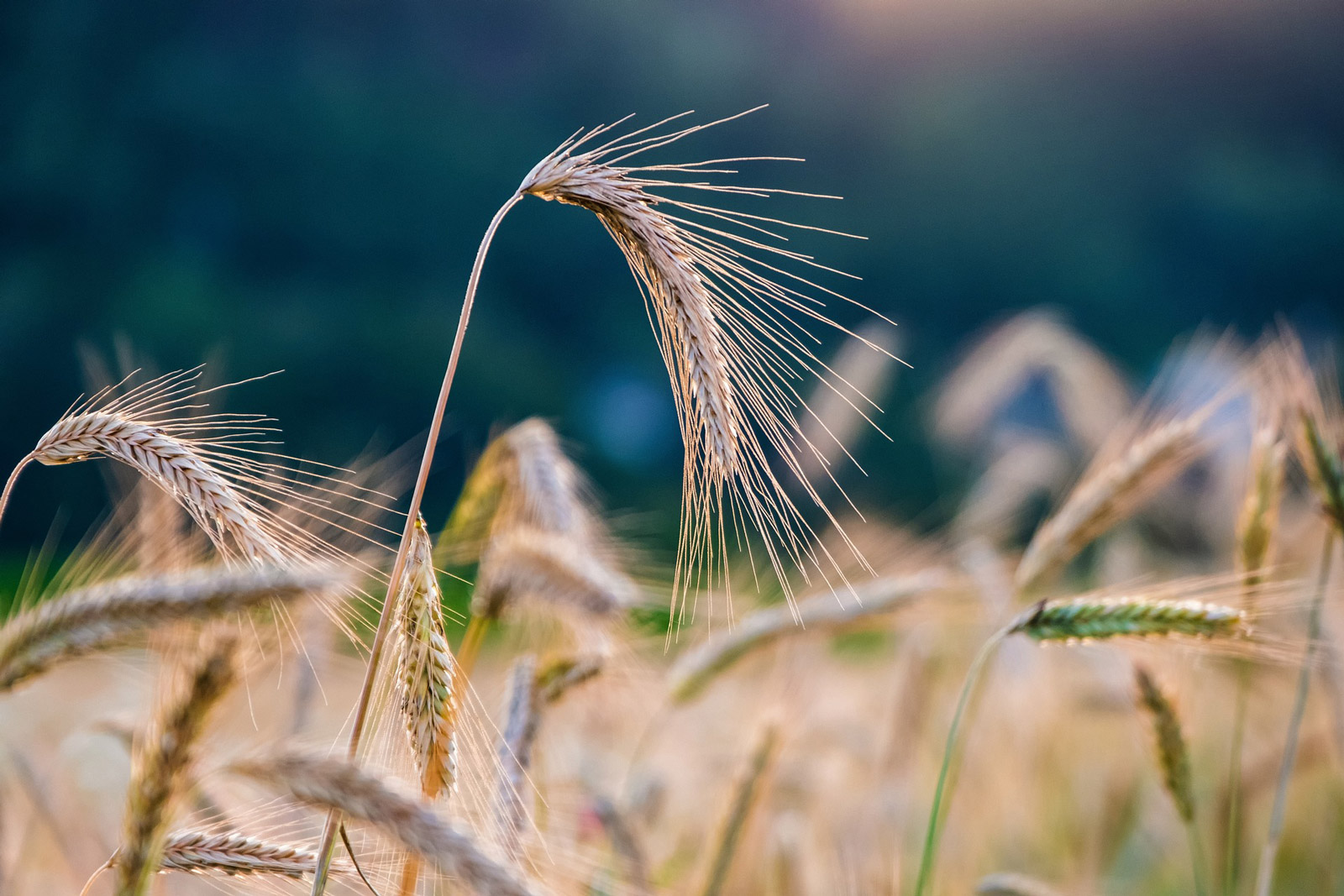
Rye was one of the last cereals in history to be cultivated, dating back to around five centuries before Christ. It is a plant that can exceed two metres in height, with great adaptability, and therefore grows everywhere and quickly. This characteristic has made it highly valued almost everywhere in the Italian Alps, Eastern Europe and Scandinavia, and has also led to it being brought to the New World by Moldavian, Dutch and German migrants.
This is why the first whiskey produced in the United States by European settlers was made from rye which, they discovered, grew luxuriantly in Pennsylvania and Maryland, very cold regions. Moreover, during the War of IndependenceRye Whiskey became the drink of the patriots, as opposed to rum, which was produced by the enemy from molasses imported from the British West Indies.
The Monongahela Whiskey Rye, like the river of the same name, originates in Pennsylvania and has a heavily rye-dominated mash bill base; Maryland Rye contained corn, which made them sweeter and lighter. Then a liquor excise tax shifted all whiskey production to Kentucky.
In the 19th century, the crisis of Rye Whiskey is serious and profound: the rye growers receive no state aid, unlike the maize growers; with the arrival of prohibition, then, the state of distress becomes even more acute, so much so that for a long time it is feared that the days of this distillate are finally over. Thanks to enterprising small distilleries and the growing interest in all types of whisky, the danger has been averted for good.
The production process is identical to that of Bourbon, with one major difference, the choice of raw material.
First, in the production of Rye Whiskey, the rye is ground and the resulting flour, mixed with spring water, is cooked to about 78 degrees. Cooked grain and malt are then added to this mash, and the temperature is lowered to 65 degrees in order to expand the aromatic range. There are six distilleries in the United States where mashbill is made from rye alone.
The mash is then enriched with sour mash, i.e. the liquid residue of a previous distillation, which is rich in lactic acid bacteria and useful for lowering the pH of the mixture. After this step, selected yeasts are added and fermentation begins.
Thus was born the wort, the alcoholic beer, which is then distilled in a column still to extract ethanol and obtain low wine.
The second distillation takes place in pot still, after which the Master Distiller decides what to keep and what to discard in the heads and tails: it is a crucial moment in understanding the character of the rye whiskey that will be born, and craftsmanship and experience can make all the difference.
The great peculiarity of American whiskey is its ageing. Legend has it that the method of burning American oak casks over an open flame was invented by the Rev. Elijah Wood, who had seen his own barn full of barrels go up in flames and had decided out of desperation to use them anyway. The result was extraordinary, the rest is history.
To be called Straight, Rye Whiskey must be matured in charred casks for at least 2 years, but in general it usually goes up to 4 years.
Chill filtering is strictly forbidden, and the alcohol content can vary from a minimum of 40° up to even 50/52°.
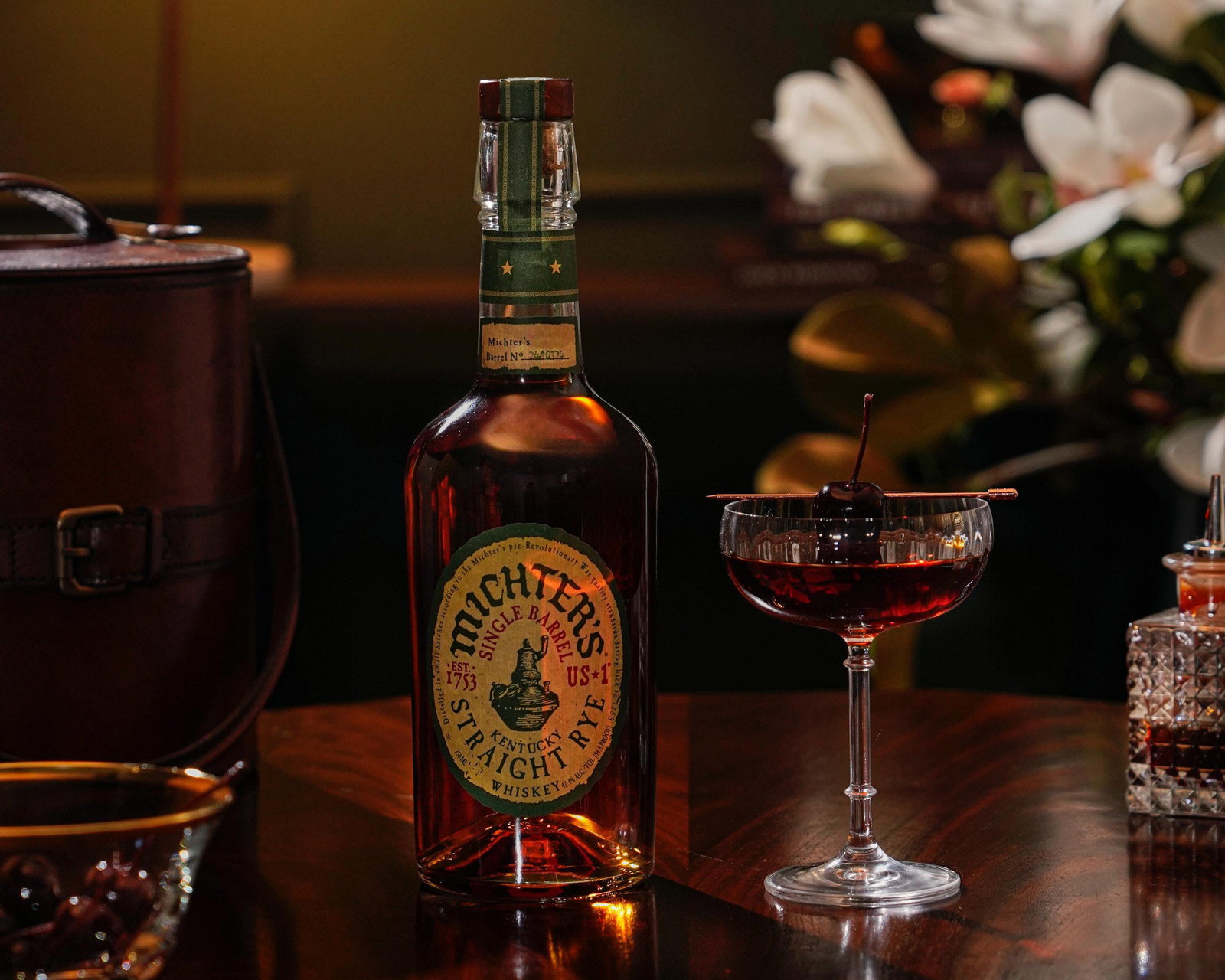
Rye whiskey can be drunk like other whiskies, with the addition of water or ice. It is also a key ingredient in some classic cocktails: Manhattan, Brooklyn and Old Pal. In addition, Sazerac and Old Fashioned can also be prepared with Rye.
Distillates have different alcoholpercentages. So, we have defined a parameter allowing you to better understand and compare different prices. This parameter is calculated by dividing the bottle price by the alcohol content. The alcohol content (or strength) is the amount of pure alcohol (ethanol) contained in the distillate.
This parameter indicates the price of a single 4cl dosage of distillate. It is calculated by dividing the price of the bottle by its quantity (expressed in cl), then multiplying by the centilitres of the recommended single dose, as average in cocktail recipes.


