Ti potrebbe interessare anche…







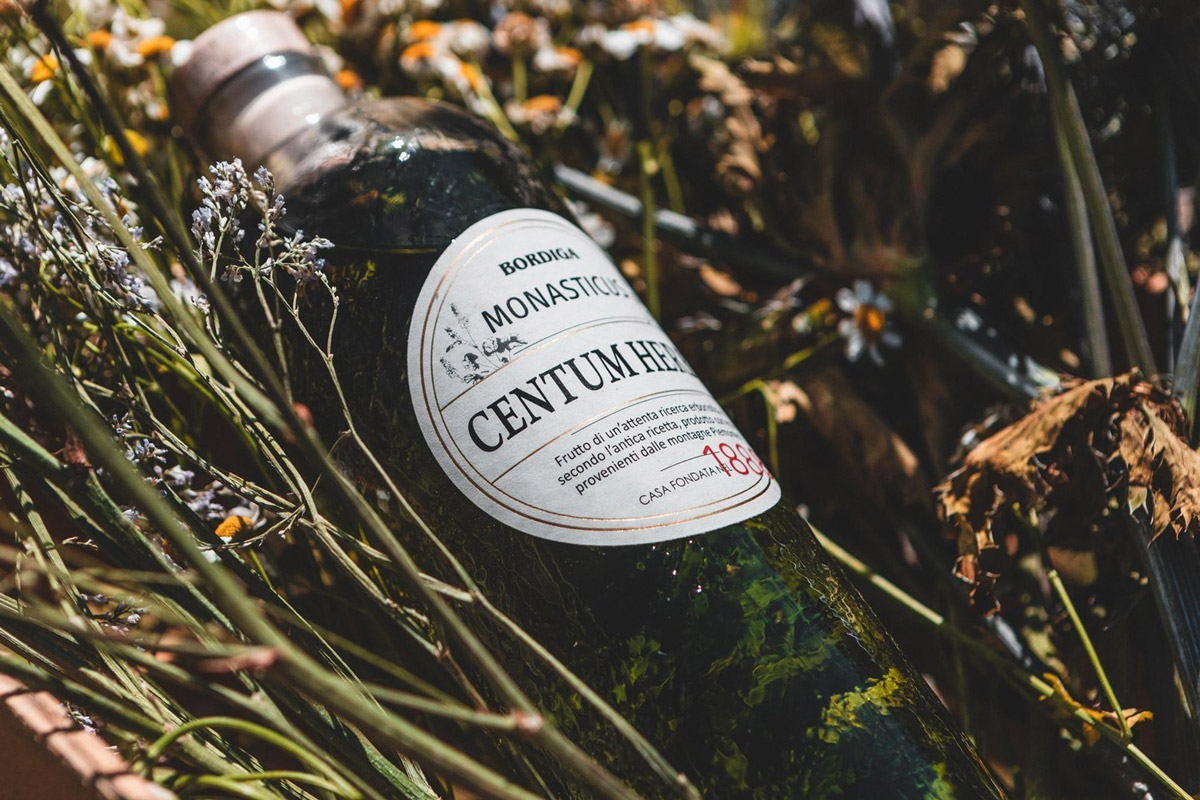
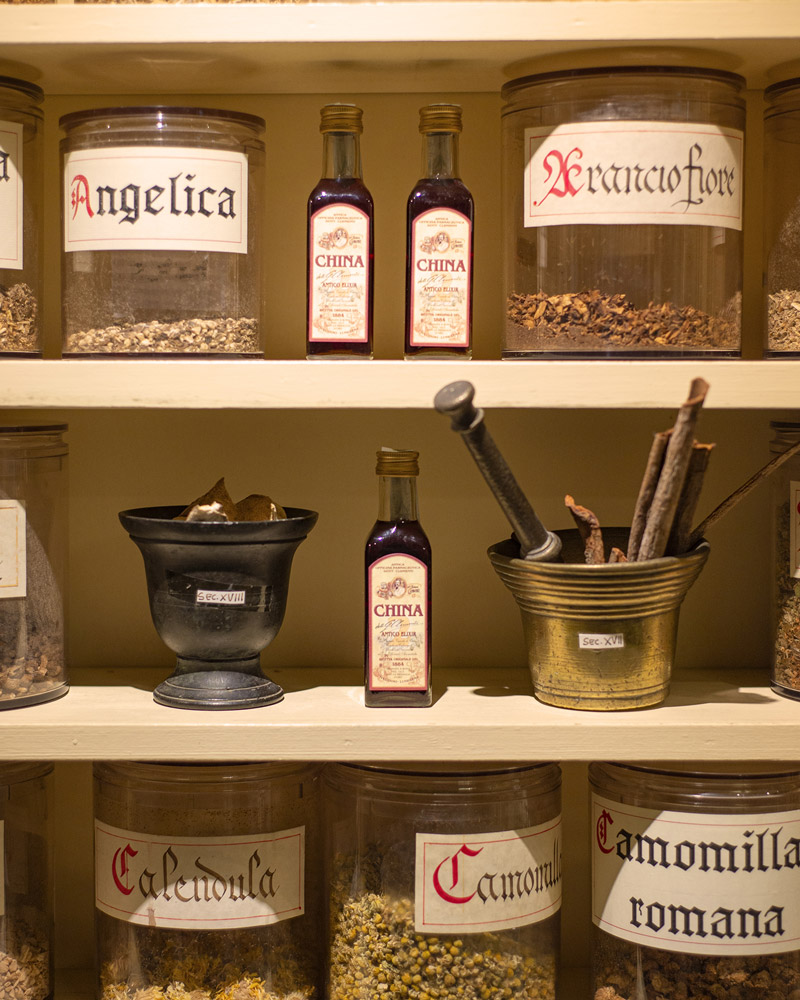

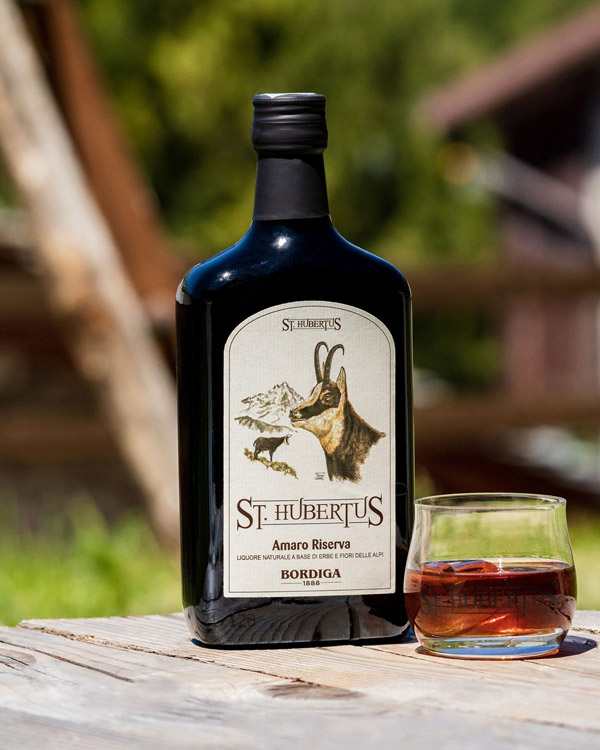
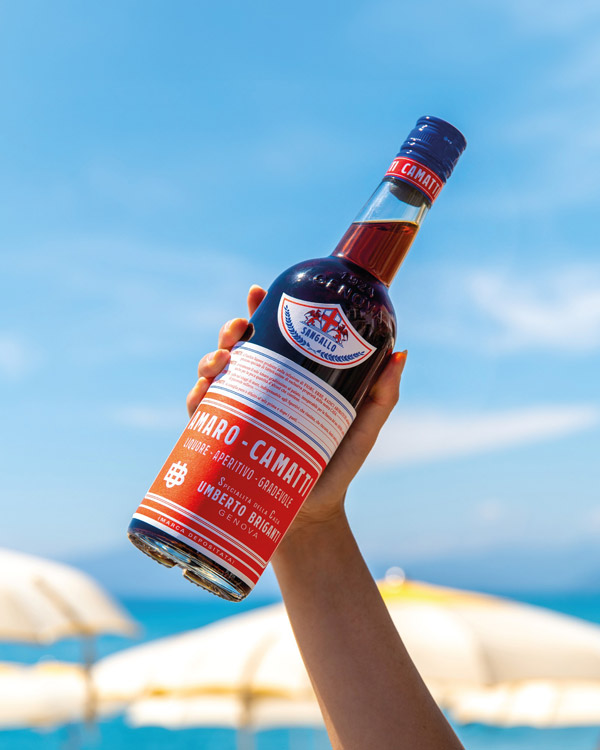
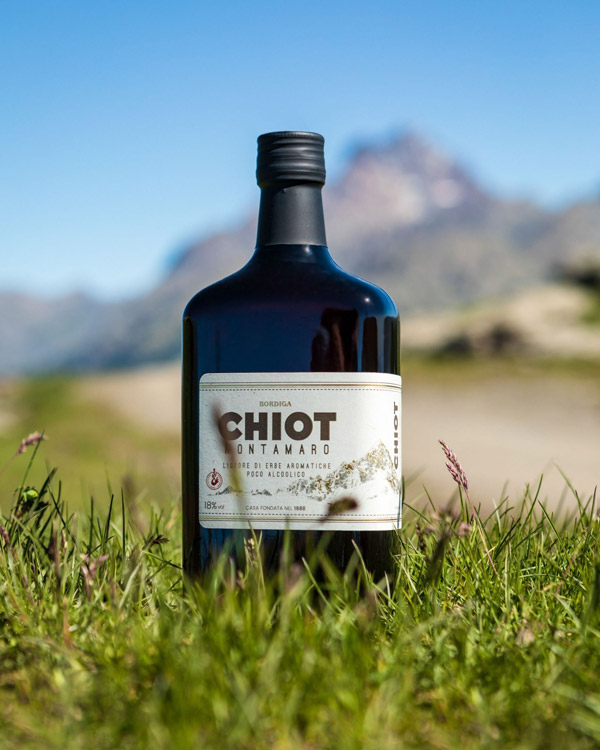

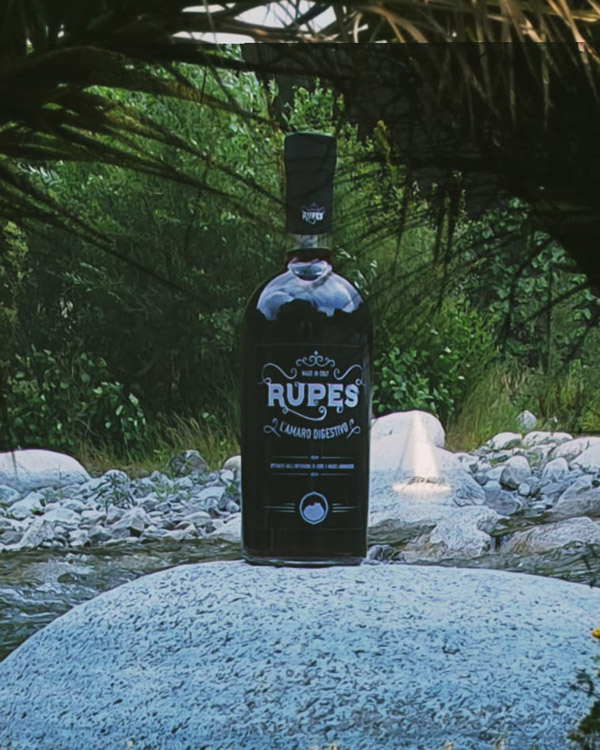
Italian bitters (amari) are one of the many excellences of the Bel Paese, which can boast a centuries-old tradition in their production. This type of digestive drink with its bittersweet, complex and enveloping taste has always attracted connoisseurs and aficionados from all over the world, so much so that nowadays their production is no longer limited to Italy alone; given the great variety, however, it is not easy to orient oneself between one type and another and fully understand the differences.
Let us therefore try to shed some light on this vast and exciting world.
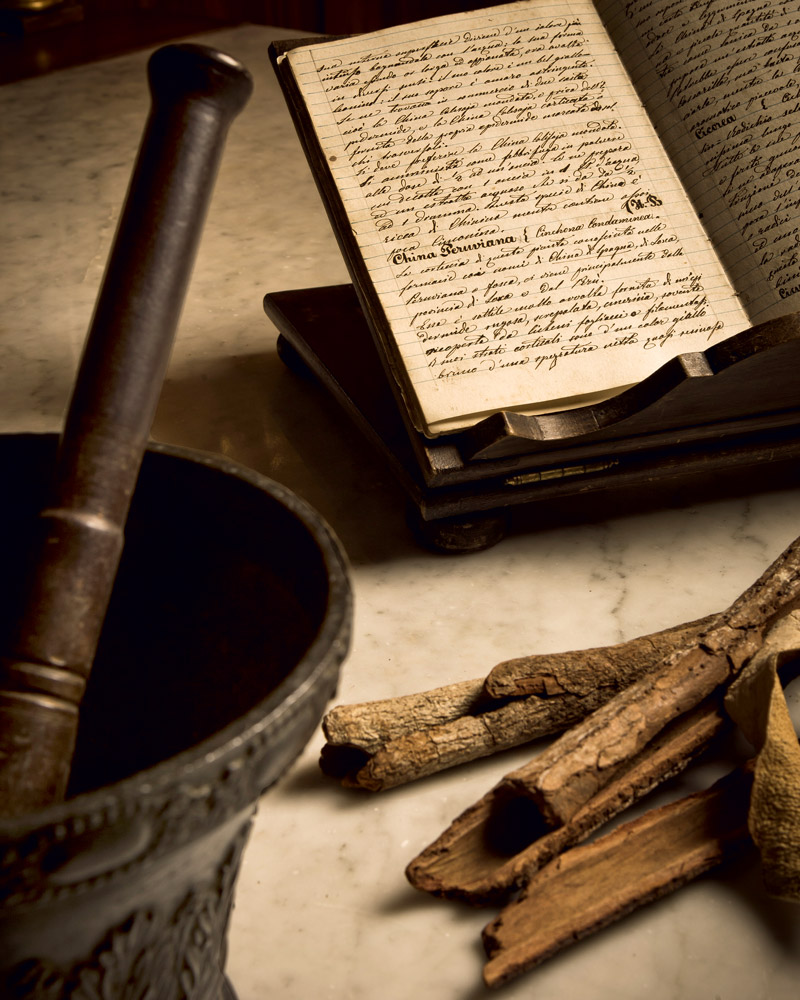
The origin of bitters, like that of so many other liqueurs or spirits, was sought in herbaria and ancient convent pharmacies: in these recipes developed by monks, notions of peasant medicine were combined with the secrets of alchemy, creating what were originally natural remedies to aid digestion and alleviate minor ailments. Fundamental at this stage was absolute secrecy about every aspect of their production, from the quantities to the quality of the herbs used.
Over the centuries, the production of bitters has gradually evolved, giving rise to a remarkable range of interpretations and variations on the theme, each with different nuances of taste.
The mastery of the Italian distillers, handed down from generation to generation, guarantees final products of the highest quality.
The production of bitters has also evolved over the centuries, giving rise to a remarkable range of interpretations and variations on the theme, each with different nuances of taste.
Technically, the predominant flavour of the bitter is obtained by flavouring the alcohol: these are flavoured liqueurs derived from an ever-changing mixture of healthy and aromatic herbs, and medicinal roots.
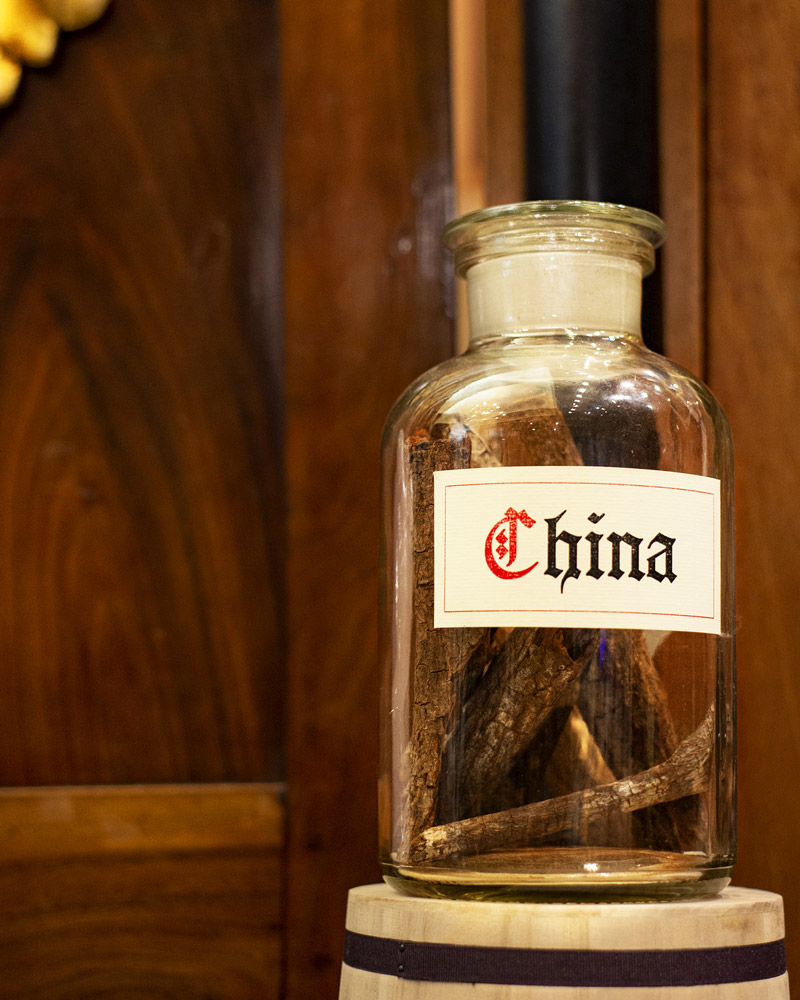
After selection, depending on their nature or the effect sought the ingredients are either distilled or infused. Subsequently, the product thus obtained can be decanted and filtered, as in the case of Fernets, or combined with the liquid from the distillation of other components, such as Chines.
In both cases, the two liquids thus obtained are added with ethyl alcohol and sugar syrup and then, after mixing, are left to rest for a variable time, depending on the product.
The product is then mixed with the liquid from the distillation of other ingredients, such as Chines.
In the event that the seasonality of plants makes the production process too long, replacement dyes can now also be used, so that a high degree of consistency in quality is still guaranteed.
The choice of bitter depends, it goes without saying, on one's personal taste: so those who prefer softer flavours will choose a product with aromatic herbs and citrus fruits, while lovers of strong flavours will love bitters with a prevalence of roots and spices.
This can be helped by the known components of the different bitters, which, as already mentioned, can be broadly divided into bitter plants (centaury, aloe, cinchona, rhubarb), aromatic plants (thyme, rosemary, cloves, star anise)and other plants, such as orange, which can be both bitter and sweet, elderflower and gentian.
The bitters are also characterised by their strong flavour, which is why they are often more bitter than sweet.
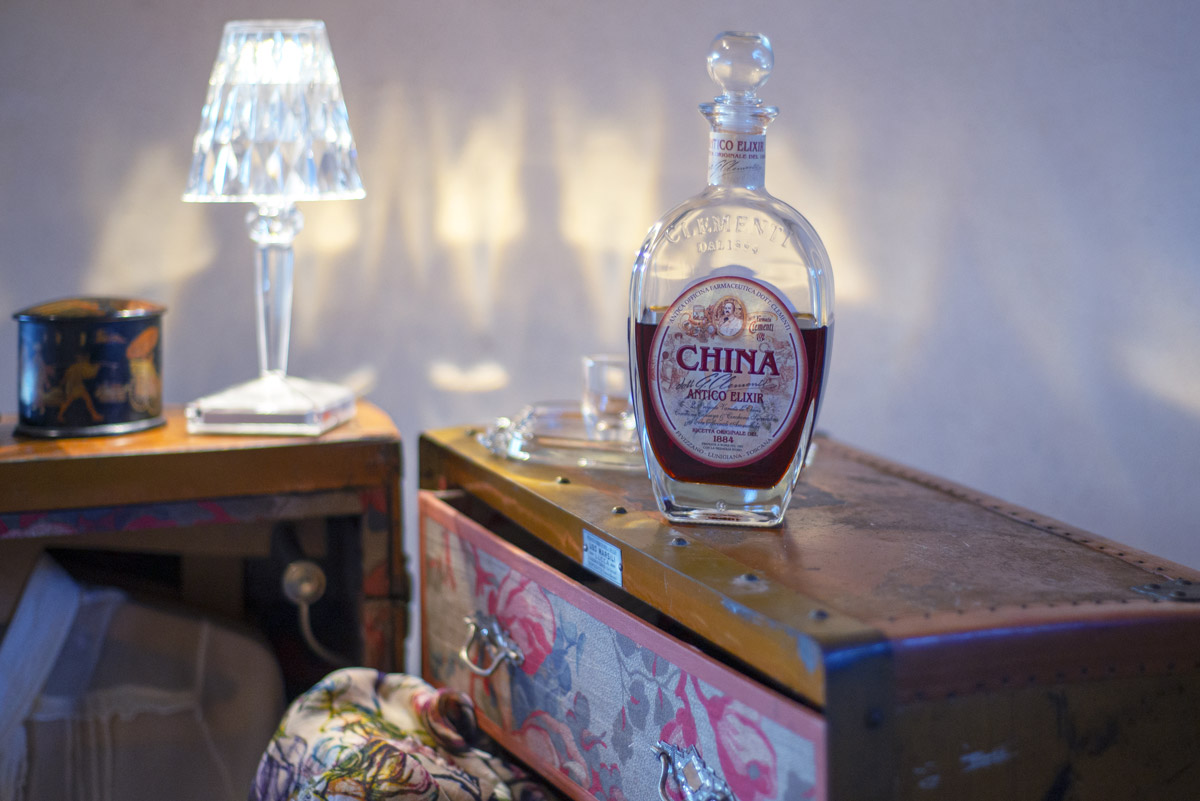
In general, however, bitters are divided into strong>strong>strong or very bitter, i.e. with an alcohol content above 40°, mainly digestive; medium bitters, with an alcohol content between 30° and 36°, in which the bitter taste is well defined and tends towards dry; light bitters, between 16° and 31°, with a flavour tending more towards sweet and which should be classified as mild digestives or even as aperitifs - this group also includes Chinas, among the oldest.
Distillates have different alcoholpercentages. So, we have defined a parameter allowing you to better understand and compare different prices. This parameter is calculated by dividing the bottle price by the alcohol content. The alcohol content (or strength) is the amount of pure alcohol (ethanol) contained in the distillate.
This parameter indicates the price of a single 4cl dosage of distillate. It is calculated by dividing the price of the bottle by its quantity (expressed in cl), then multiplying by the centilitres of the recommended single dose, as average in cocktail recipes.


