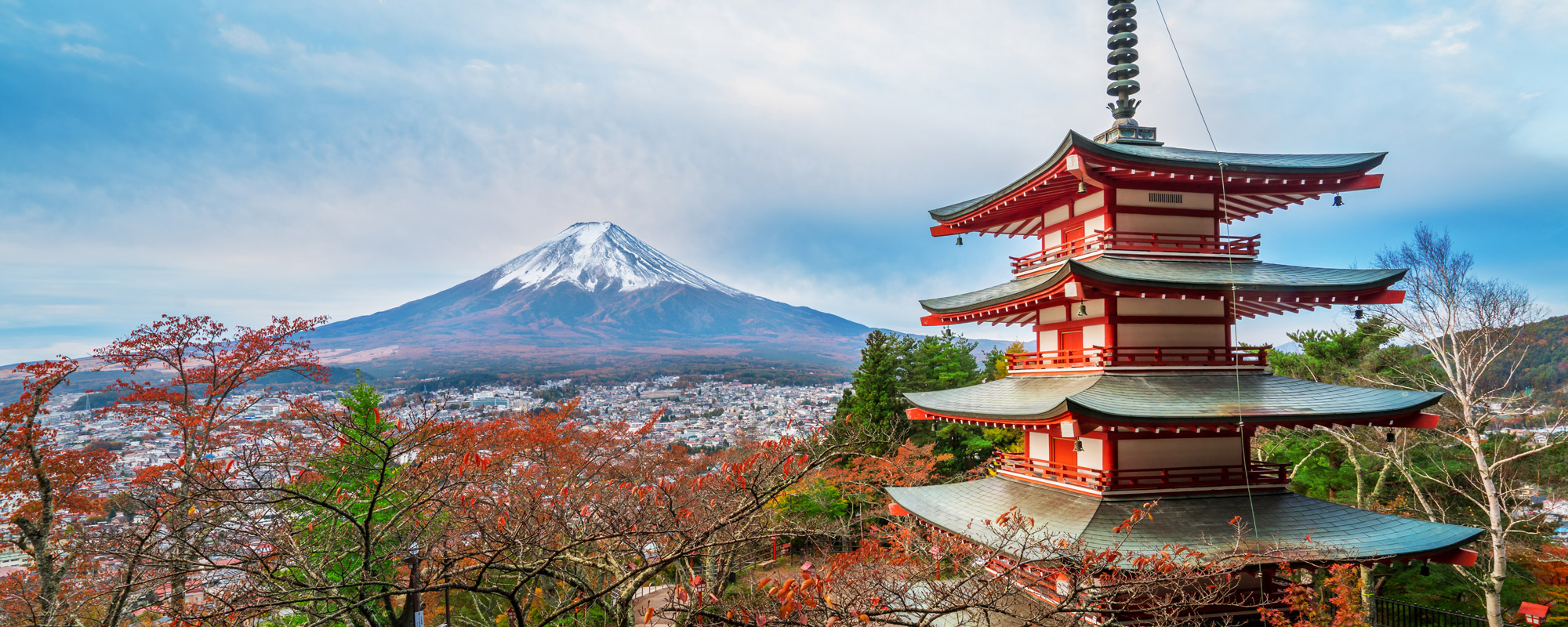
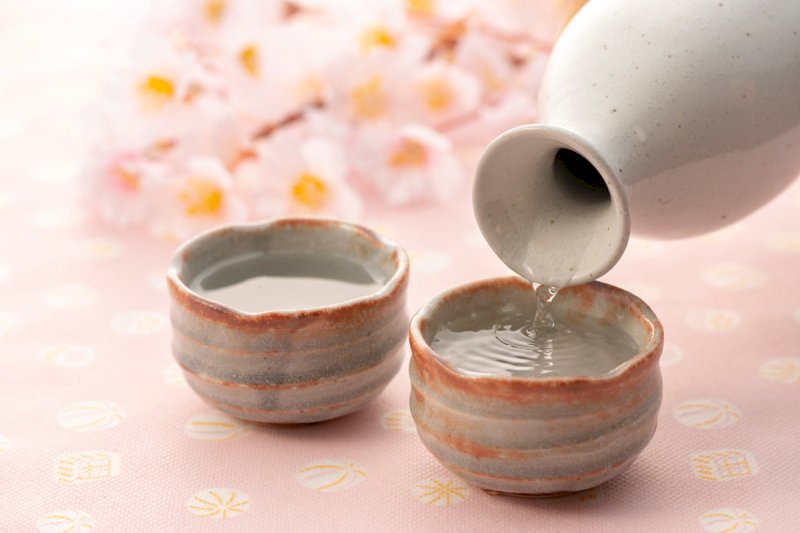
The production and consumption of alcohol in Japan has a thousand-year history that has been enriched and evolved considerably in this century, leading the country to world fame not only for its infamous sake, but also for liqueurs and large spirits. Thus today, Japan produces and consumes both its traditional products of the Rising Sun as well as drinks of European origin elaborated in a Japanese key.
NAVIGATE

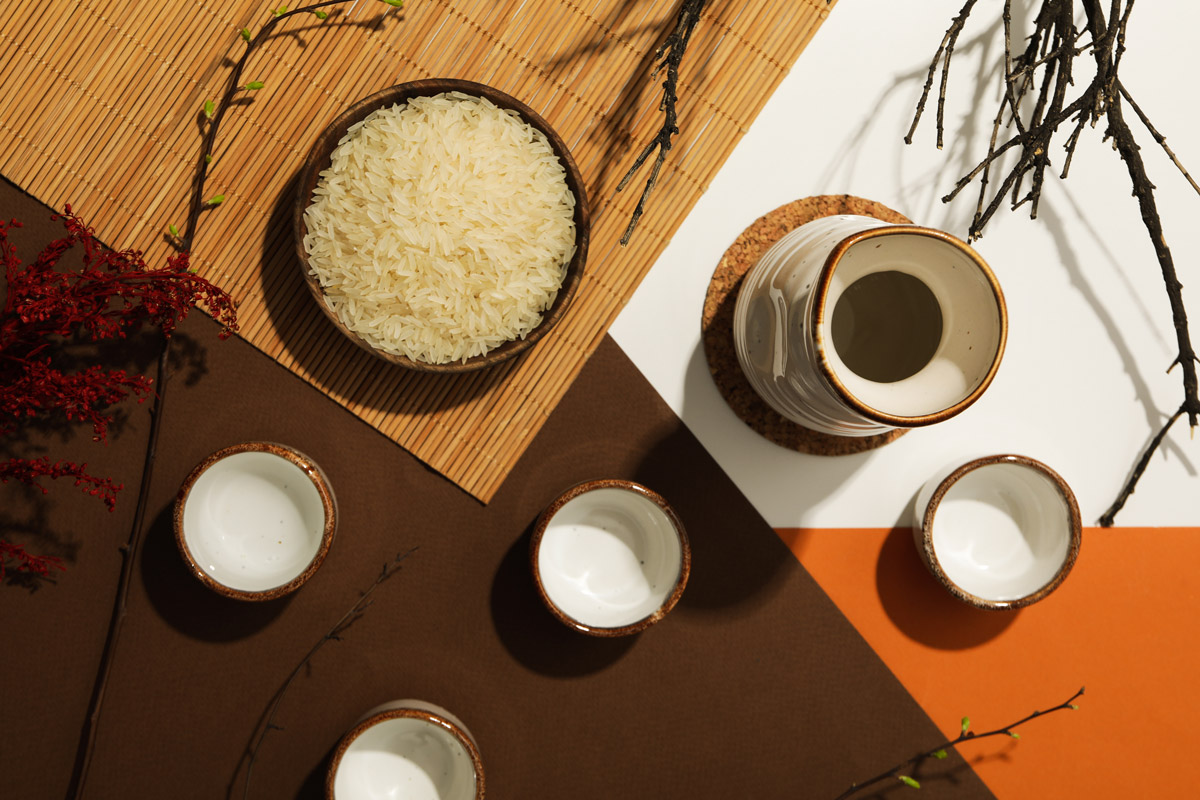
The quintessential Japanese alcoholic beverage, sake has a history dating back thousands of years, even if it is not well defined. It is obtained from the fermentation of rice, which according to some sources originated in China around the fifth millennium BC. Its place of origin is believed to be Nara, the ancient capital of Japan on the island of Honshu. The term 'sake' in Japanese means any alcoholic beverage and is therefore only used outside Japan, where what we call sake is instead called nihonshu. It can be distinguished into two major types: seinshu, which is the refined one; and futsu-shu, the common sake.
Its traditional ingredients are sakamai rice, water, yeast and koji, a natural enzyme. In the immediate post-war period, the addition of alcohol was also introduced to increase its industrial production. Hence, today's sake renaissance starts with the recognition of Pure sake, composed only of rice, koji and water, with no alcohol added.More about sake ›

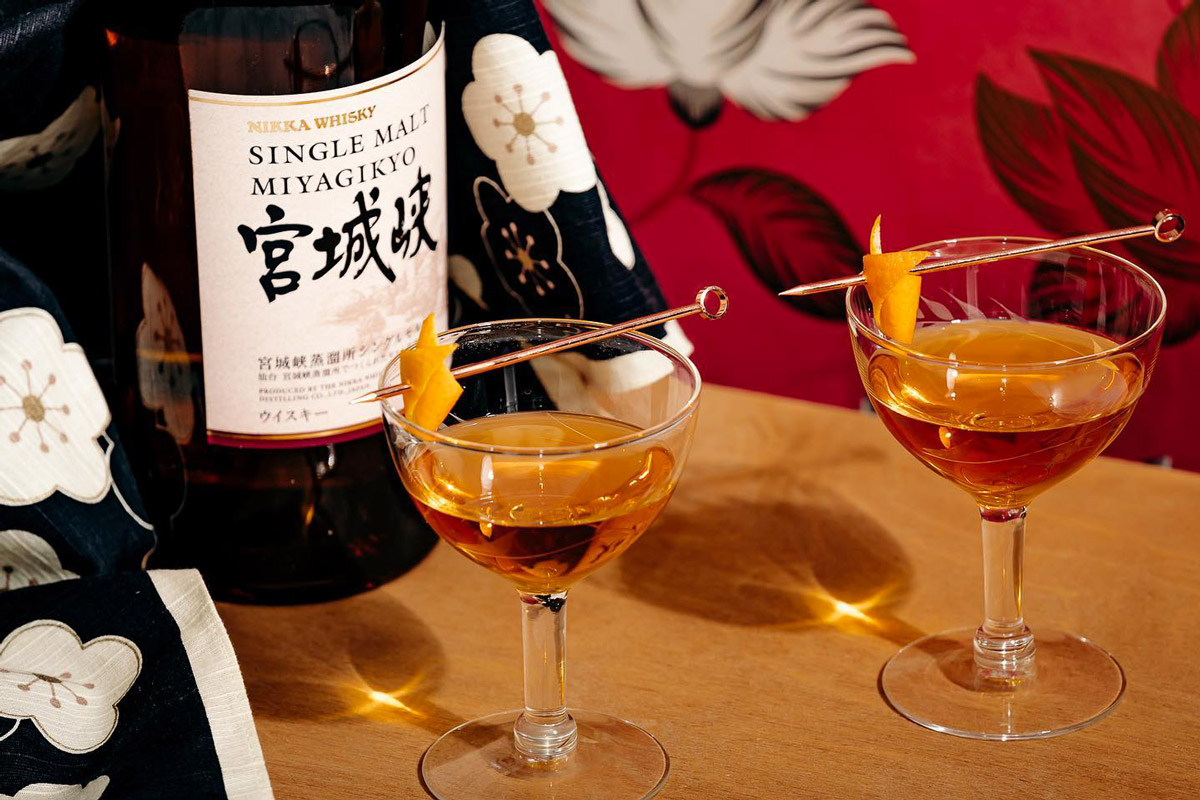
Drawing directly from the Scottish tradition, Japan has relatively recently started its production of fine whisky, reaching extraordinary levels right from the start. Some Japanese distilleries also sometimes use raw materials from Scotland, such as malted barley. But the best producers have appropriated the secrets of the original British island art and created their own identity using local raw materials. Japanese whisky is now considered among the finest and most elegant in the world and has often surpassed the Scottish originals in competitions.
A curiosity: in Japan, whisky is also served with sparkling water, in a mixture that is not only found in restaurants but also mixed in supermarkets and consumed with meals as an alternative to beer.
Discover the whiskies ›

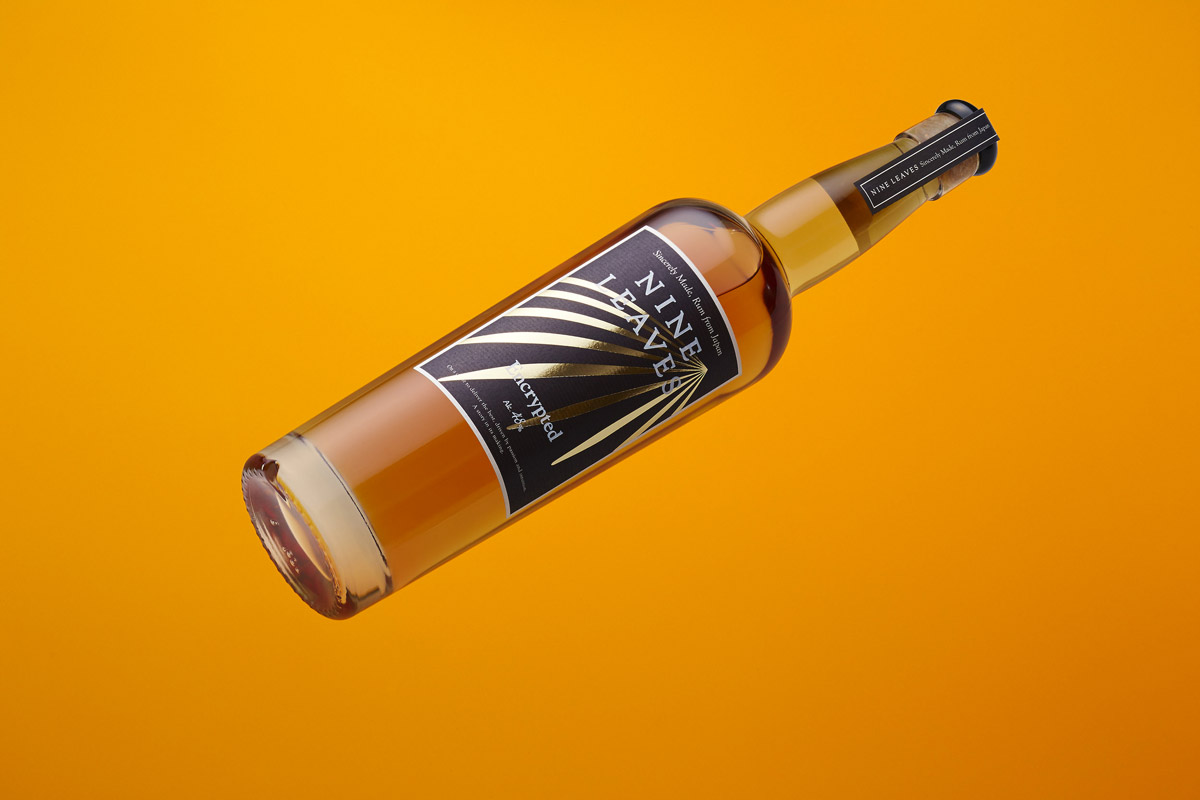
The history of rum distillation in Japan in recent decades has reached very high peaks, with slow but steady growth. Among the many realities that produce and market various qualities of sugar cane distillate, some real excellencies stand out today, which - thanks also to the Japanese climate - give rise to very interesting products. The Kikosui distillery, for example, is located in the Kochi region on the island of Shikoku, known for being home to one of the oldest rum distilleries in Japan, precisely because the climate favours the growth of sugar cane.
Nine Leaves' rum are instead produced in a micro-distillery in Otsu - in Shiga prefecture, near Kyoto - on the shores of Lake Biwa, using water from a spring that bubbles up inside an old, disused mine.

The Japanese have only recently started producing gin, from a small distillery in Kyoto, but in a short time there have been several Japanese companies that now offer their own version of gin. The products are often very interesting, after all Japan has a long tradition in the art of cereal fermentation. Among the special features of the Japanese gin The variety of original and local plant extracts, which consequently characterise the distillate, stands out. They range from green tea to cherry blossom, from yuzu peel to sanshō pepper, to the typical citrus fruits of Okinawa, unique aromas that therefore also make Japanese gin unique.
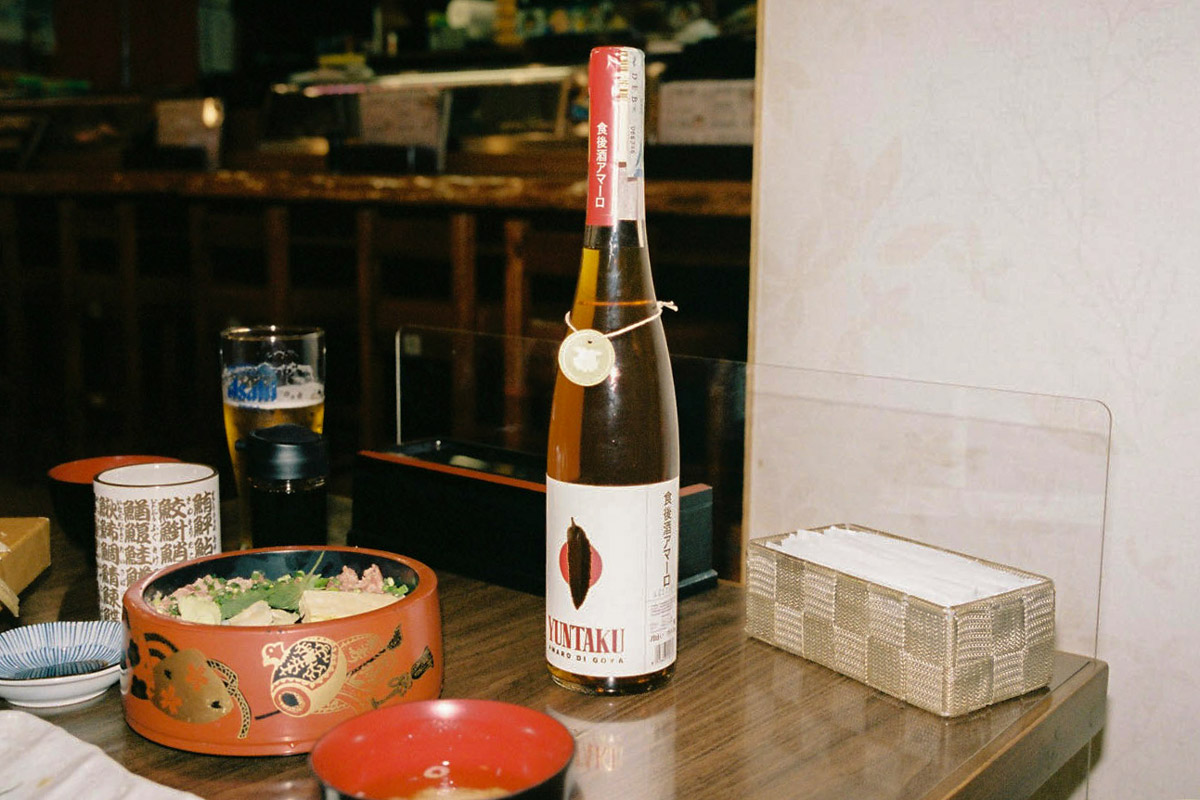
In addition to other local spirits, most notably Shōchū— a distillate made from barley, sweet potatoes or rice, with a relatively low alcohol content, perhaps even older than sake, with which it shares not only rice as a raw material but also koji —, In the Japanese tradition, there are also several types of typical liqueurs, many of them fruity. Umeshu, for example, is plum-based. Yuzushu is a kind of limoncello made from the oriental citrus fruit yuzu, macerated in alcohol and sugar. Momoshu, on the other hand, is made from Japanese white peaches, with the addition of lemon juice and sugar. The first and only Japanese bitter is Yuntaku, inspired by the culture of the island of Okinawa, is a digestive that marries Western and Japanese tastes. Buy Yuntaku ›

The place of origin of sake is believed to be Nara, the ancient capital of Japan on the island of Honshu. In particular, the production technique known as bodai-moto was handed down in the Bodaisen...
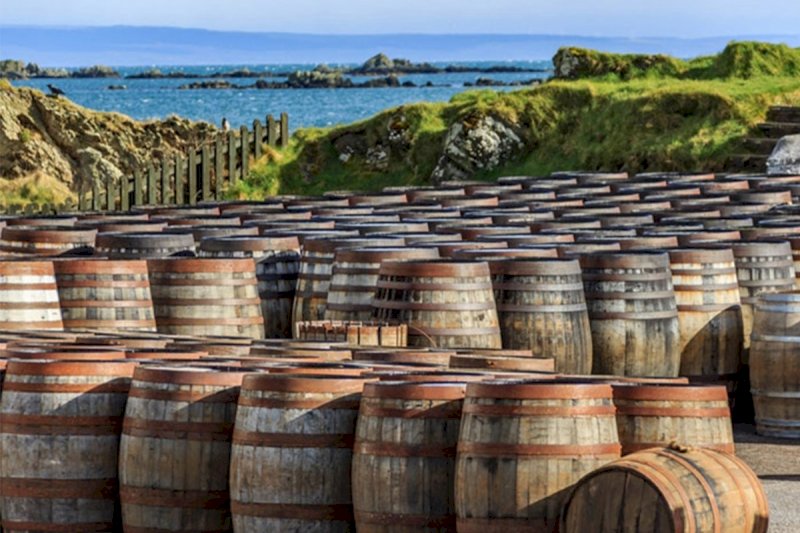
Ireland and Scotland have always contended over the paternity of the invention of whisky, however, there are no official documents and we will not go into this centuries-old dispute, but will rely on...
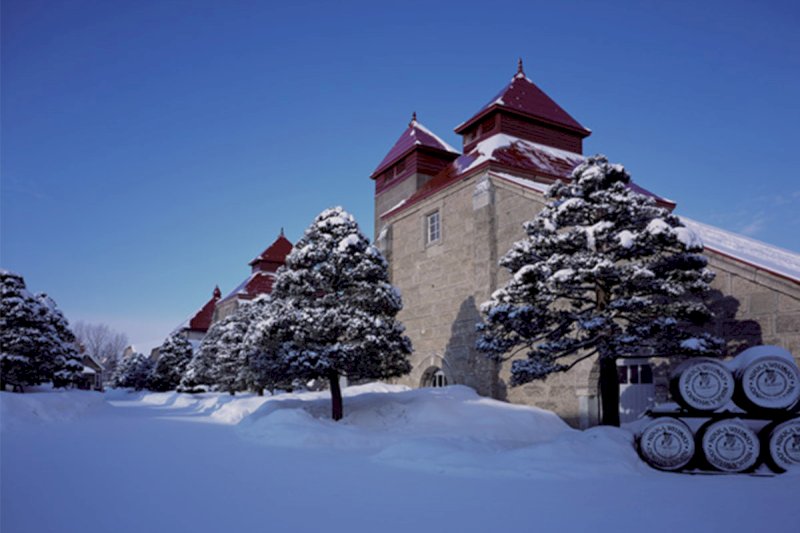
The Japanese way to whisky is characterised by a continuous striving for excellence through obsessive attention to detail. As if with every drop of distillate produced, one can get closer and closer to...
Distillates have different alcoholpercentages. So, we have defined a parameter allowing you to better understand and compare different prices. This parameter is calculated by dividing the bottle price by the alcohol content. The alcohol content (or strength) is the amount of pure alcohol (ethanol) contained in the distillate.
This parameter indicates the price of a single 4cl dosage of distillate. It is calculated by dividing the price of the bottle by its quantity (expressed in cl), then multiplying by the centilitres of the recommended single dose, as average in cocktail recipes.