Express Delivery in Europe

Language:English 
ItalianoEnglish
Shipping:Italy 
Shipping country
Chiudi
Cocktails guide
Login 
0Shopping cart Product Products (empty)
Ti potrebbe interessare anche…

Gin Mare Mediterranean Gin

70cl  /  42.70°
Gin Dry
31,90 €
Aggiungi 

Tito's American Mule Mignon Box

Tito's Vodka (5cl x 2) + Fever-Tree Ginger Beer 50cl

60cl  /  40.00°
Cocktail
18,90 €23,30 €
Aggiungi 
Novità

TeaPiù Sour Box

With bottle for dosages for free

240cl  /  35.00°
Cocktail
44,90 €48,30 €
Aggiungi 

Talisker 10 Y.O.

70cl  /  45.80°
Single Malt
36,50 €
Aggiungi 
 3,00 €

Flor de Cana Centenario 12 Y.O. 5cl

5cl  /  40.00°
Traditional Rum
6,90 €9,90 €
Aggiungi 

Fever-Tree Mediterranean Tonic Water 50 cl

50cl
Soft drink
3,50 €
Aggiungi 
 Product added to the cart
SA Tips
The Complete Guide to Sake

Prooceed to checkout

Ti potrebbe interessare anche…

Gin Mare Mediterranean Gin

70cl  /  42.70°
Gin Dry
31,90 €
Aggiungi 

Tito's American Mule Mignon Box

Tito's Vodka (5cl x 2) + Fever-Tree Ginger Beer 50cl

60cl  /  40.00°
Cocktail
18,90 €23,30 €
Aggiungi 
Novità

TeaPiù Sour Box

With bottle for dosages for free

240cl  /  35.00°
Cocktail
44,90 €48,30 €
Aggiungi 

Talisker 10 Y.O.

70cl  /  45.80°
Single Malt
36,50 €
Aggiungi 
 3,00 €

Flor de Cana Centenario 12 Y.O. 5cl

5cl  /  40.00°
Traditional Rum
6,90 €9,90 €
Aggiungi 

Fever-Tree Mediterranean Tonic Water 50 cl

50cl
Soft drink
3,50 €
Aggiungi 
  • Academy

    SA Tips

    • Paragon: the new line of refined cordials
    • Eminente: the rum from the Island of the Crocodile
    • Volcán de mi Tierra: learn more
    • Palenque Spirits: the finest artisanal agave distillates
    • >> Discover all our tips

    Our Guides

    • Guide to Rum
    • Guide to Whisky
    • Guide to Gin
    • >> Discover all our guides

    Cocktail Academy

    • Paloma: Mexico in a glass
    • Moscow Mule: discover its incredible story
    • Gin Fizz: the effervescent icon of classic mixology
    • Sake Cocktails: Japanese elegance in a glass
    • >> Discover all our guides

    Limited Selection

    • Just One
    • Whisky
    • Rum
    • Others

    DISCOVER OUR Top Sellers →

  • Promo
  • Limited
  • NEW IN

    New Brands

    • B-tik
    • Suntory
    • Silent Pool
    • La Favorite
    • Jin Jiji Indian Dry Gin
    • Contrattino
    • Rupes Amari
    • Amaro Camatti

    >> All new brands

    >> All new products

    New Cocktail Boxes

    • Whistlepig Maple Old Fashioned
    • Smokey Rob Roy Box

    >> All Cocktail Boxes

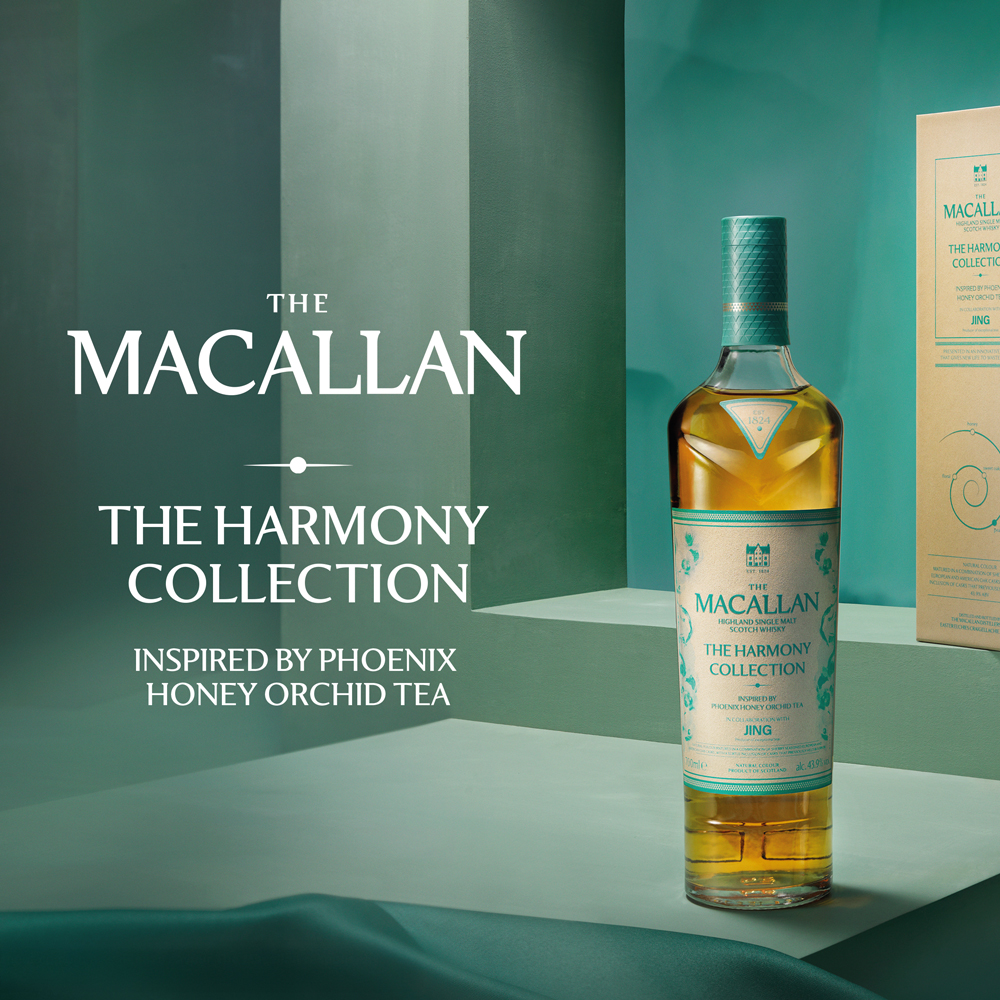
    the macallan

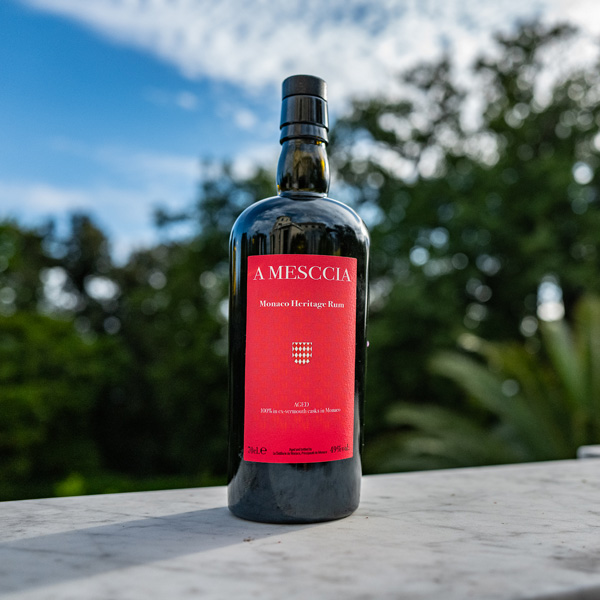
    A Mesccia: buy now

    a mesccia

  • Whisky

    Whisky

    • Ardbeg
    • The Balvenie
    • Caol Ila
    • Glenfiddich
    • Highland Park
    • Johnnie Walker
    • Kilkerran
    • Kilchoman
    • Lagavulin
    • Nikka
    • The Macallan
    • Michter's
    • Talisker
    • >> All brands
    • >> All products

    Region

    • Scotch Whisky
    • Campbeltown
    • Highland
    • Island
    • Islay
    • Lowland
    • Speyside
    • American Whisky
    • Japanese Whisky
    • Australasian Whisky
    • Irish Whiskey
    • European Whisky

    SA Tips

    • Whisky Cocktails

    • Limited

    • Peated

    • Whisky Guide

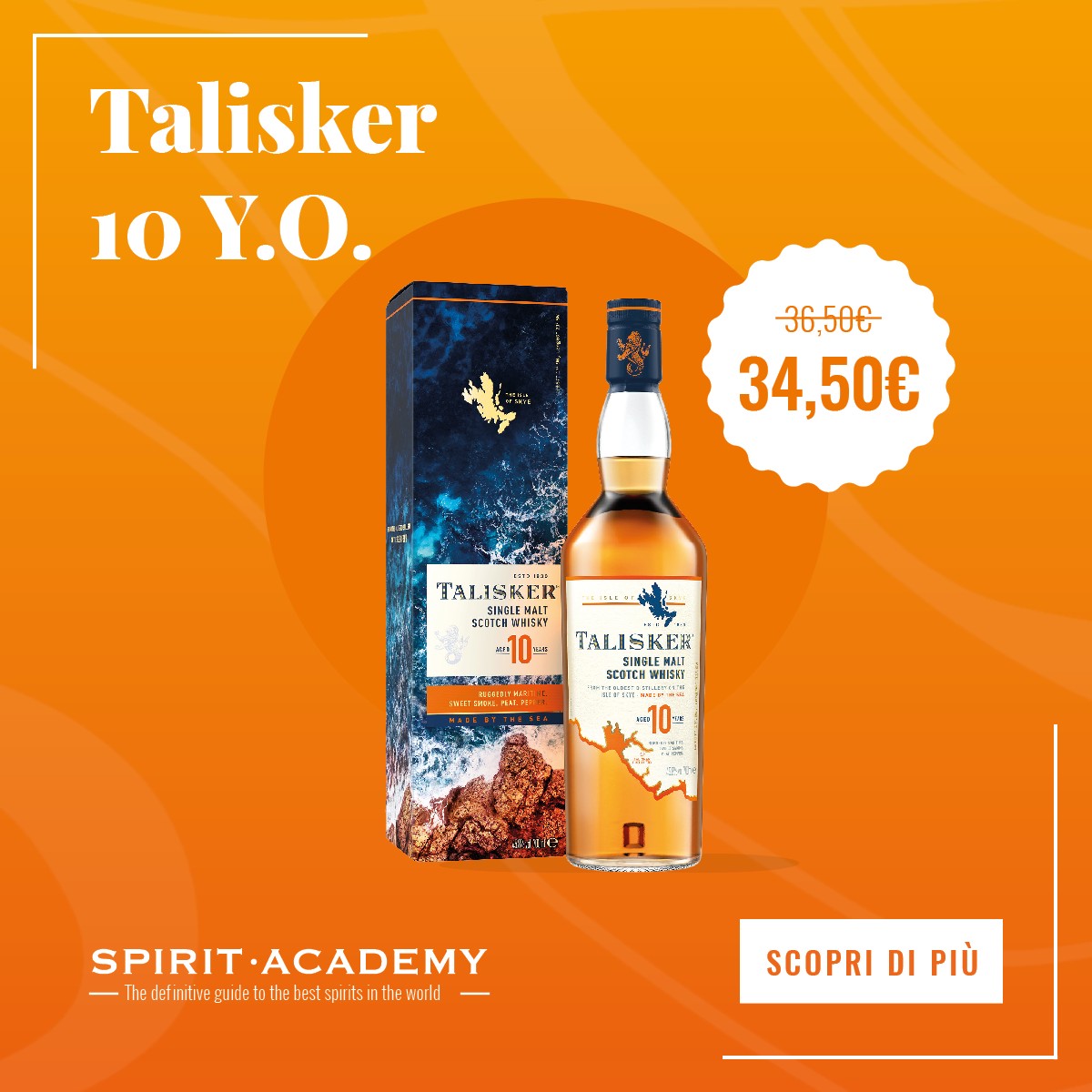
    talisker 10

  • Rum

    Rum

    • Brugal
    • Caroni
    • Clairin
    • Diplomatico
    • Equiano
    • Flor De Cana
    • El Dorado
    • Habitation Velier
    • Hampden
    • Neisson
    • Zacapa
    • >> All brands
    • >> All products

    Typologies

    • Pure Single Rum
    • Single Blended Rum
    • Rhum Agricole
    • Traditional Rum
    • Modern Rum
    • Cachaça

    >> All products

    SA Tips

    • Limited

    • Rum Cocktails

    • Rum Guide

    clairin

  • Gin

    Gin

    • Engine
    • Gin Mare
    • Hendrick's
    • Isle of Harris
    • Kyro
    • Malfy
    • Monkey 47
    • Portofino Dry Gin
    • Tanqueray
    • Xoriguer
    • >> Tutti i brand
    • >> Tutti i prodotti

    SA Tips

    • Gin Cocktails
    • Gin Guide
    • Mediterranean Gin

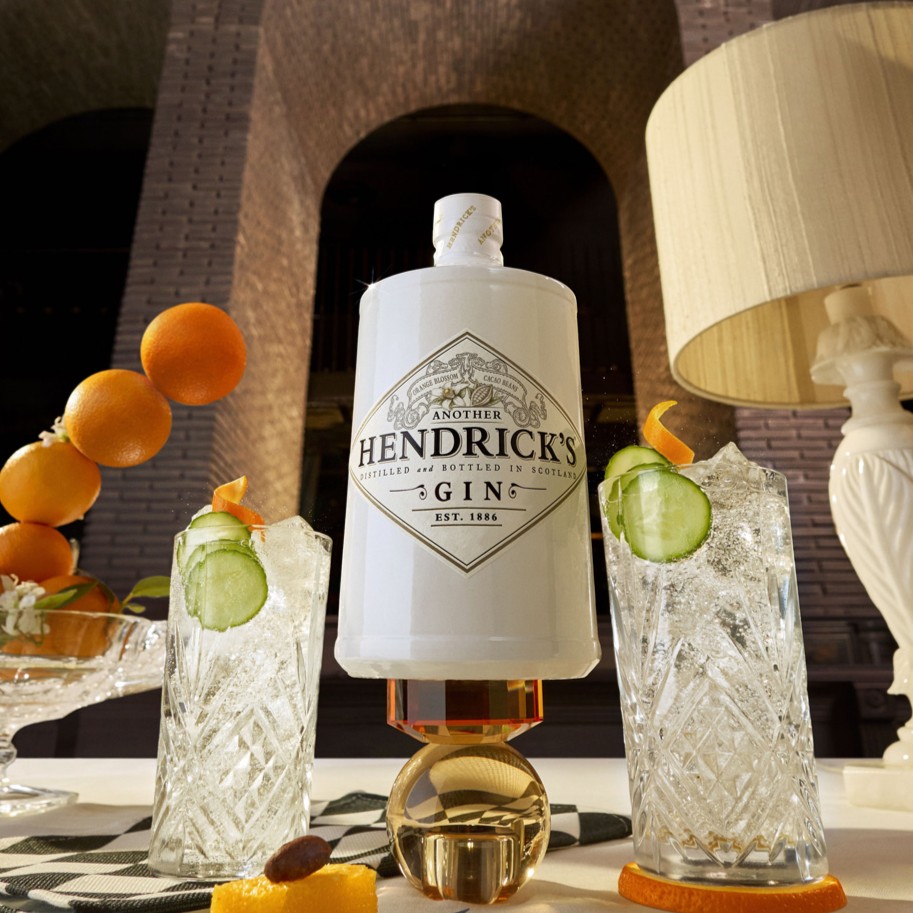
    Hendrick's Oasium Gin: a new limited edition from the Cabinet of Curiosities

    hendrick's oasium

    Silent Pool: discover Ultra Premium Gin from the hills of Surrey

  • Vodka

    VODKA

    • Beluga
    • Belvedere
    • Elit
    • Grey Goose
    • Moskovskaya
    • Stolichnaya
    • Tito's
    • VKA
    • >> Tutti i brand
    • >> Tutti i prodotti

    SA TIPS

    • Vodka Cocktails

    • Vodka Guide

    1200x1200_Belvedere.png

  • Agave

    TEQUILA

    • Casamigos
    • Cimarron
    • Don Fulano
    • El Jimador
    • Fortaleza
    • Herradura
    • Kah
    • Rooster Rojo
    • Tapatio
    • >> Tutti i brand
    • >> Tutti i prodotti

    MEZCAL

    • Alipùs
    • Del Maguey
    • Donajì
    • Los Danzantes
    • Montelobos
    • Se Busca
    • Palenque
    • Vago
    • >> Tutti i brand
    • >> Tutti i prodotti

    Tommy's Margarita: the box

    Tommy's Margarita

    New in: El Tequileño

  • Distillates

    ARMAGNAC

    • Castarede
    • Chateau de Briat
    • L'Encantada
    • >> All brands
    • >> All Products

    BRANDY

    • Fundador
    • >> All products

    CALVADOS

    • Christian Drouin
    • >> All products

    CEREALS, HERBS, FRUITS

    • Capovilla
    • Casa Tarasco
    • La Higuera
    • Ming River
    • Skinos
    • >> All brands
    • >> All products

    COGNAC

    • Francois Voyer
    • Hennessy
    • Leopold Gourmel
    • Paul Giraud
    • Tesseron
    • >> All brands
    • >> All brands

    GRAPPAS

    • Barile
    • Capovilla
    • Sgrappa
    • >> All brands
    • >> All brands

    PISCO

    • Fontana
    • Queirolo
    • Tabernero
    • >> All brands
    • >> All brands

    NO ALCOHOL DISTILLATES

  • Liquors

    LIQUORI

    • Adriatico
    • Bordiga
    • Chambord
    • Chartreuse
    • Clementi
    • Italicus
    • Kahneman
    • Liquori dell'Etna
    • Rossa Sicily
    • Santoni
    • Tea Più
    • Villa Massa
    • >> All brands
    • >> All products

    REGION

    • Australia
    • Croatia
    • Curaçao
    • Danimarca
    • Francia
    • Germania
    • Giappone
    • Grecia
    • Guadalupa
    • Italia
    • Mauritius
    • Messico
    • Nicaragua
    • Norvegia
    • Olanda
    • Regno Unito
    • Scozia
    • Spagna

    Amara: with Sicilian blood oranges

    amara amaro

  • Cocktails & Other

    COCKTAIL BOX

    • Gin
    • Rum
    • Whisky
    • Liquori
    • Agave
    • Vodka
    • >> All Cocktail Box

    BITTERS

    • Bitter Truth
    • Bob's Bitter
    • Florita
    • Peychaud's
    • >> Tutti i brand
    • >> Tutti i prodotti

    MIXABILITY & SOFT DRINK

    • Artisan
    • Bordiga
    • Essentia
    • Erasmus Bond
    • Fever-Tree
    • Niasca Portofino
    • >> Tutti i brand
    • >> Tutti i prodotti

    ACCESSORIES

    OTHERS

    Cioccolato
    Sakè
    Shochu
    Sherry
    Vermouth e vini
    Libri

    B-TIK

    Caroni
    Clairin
    Florita
    Moleskine

    distillati messicani

The Complete Guide to Sake


Sake: the origins of an ancient drink

There are many hypotheses as to how sake originated and spread, and as is often the case, the origins of this alcoholic beverage are lost in legend.

According to some sources, the practice of fermenting rice is said to have originated in China around the fifth millennium B.C. and was then exported to Japan. Apparently, the first sake ever was called kuchikami no sake - sake chewed in the mouth - and was prepared by chewing rice, chestnuts, millet and acorns together and spitting the mixture into a vat, so that the enzymes in the saliva would allow the starches to saccharify; at the same time, the sugars would combine with the yeast found naturally in the air. Freshly cooked wheat was then added to the mixture, which would ferment naturally. The method of chewing, it must be said, is very ancient and is the basis of drinks such as chicha in Bolivia, Peru and Ecuador, Chinese millet wine and Native American pulque: as with these drinks, sake was also believed to be best derived from young women. In some cases, it was even the priestesses who chewed the rice, producing a drink that would be offered to the gods and then, in later times, to the imperial court. This early form of sake almost certainly had a low alcohol content, and was consumed like porridge.

The place of origin of sake is believed to be Nara, the ancient capital of Japan on the island of Honshu: in particular, the brewing technique known as bodai-moto was passed down in the Bodaisen Shoryakuji temple, which involved soaking uncooked rice in cold water together with a small amount of steamed rice. The bacteria produced from this mixture formed the leavening base.

The Complete Guide to Sake

In the Heian period (794-1185 A.D.), the Engishiki, a book on laws and customs, was written in which the production methods and ingredients for sake - rice, water and koji, i.e. rice mould - are stated. It is here, moreover, that one begins to speak of sake drunk hot - kan-zake.

The marketing of this beverage, which was initially only intended for sacred celebrations and the imperial court, began in the Kamakura-Muromachi period (1185-1573), during which the technique of parallel fermentation, in which saccharification and fermentation are combined to increase the alcohol content, was perfected.

Sake thus entered homes and spread throughout Japan, with brewing techniques becoming increasingly refined. By 1698, there were as many as 27,000 sake cellars throughout the country.

It is in the contemporary period, however, that the most decisive advances are seen: the identification of six yeasts for fermentation, new techniques for growing koji, the invention of the vertical rice refining machine, the use of temperature control tanks. After the Second World War, sake also slowly began to spread to other countries.

The Complete Guide to Sake

The ingredients of the perfect sake

As mentioned, the ingredients that make sake are rice, water, koji and yeast - i.e. junmai-shu.

The rice for sake is different from what we know and use in cooking: it is called shuzo kotekimai or sakamai, and is light, larger and rich in starch.

Water makes up about 80% of sake, and is selected according to its chemical component: it must be rich in magnesium and potassium - to encourage the growth of koji yeast - and have as little iron and heavy metals as possible.

Koji is a natural enzyme that is grown as a kind of mould: it is indispensable for breaking down the starch chains in rice and releasing the sugar it contains. In general, koji is made from a part of cooked rice, functioning a bit like sourdough; there are various types:

  • Yellow koji: for fermenting sake.
  • White koji: for the production of shochu distillate.
  • Black Koji: for the production of awamori distillate.


Yeast (kobo) exists in two main types:

  • kyokai-kobo, distributed since 1900 by the Brewing Society of Japan: yeast prepared in the laboratory and sold directly to distilleries.
  • kuratsuki-kobo, which is produced in individual sake breweries (sagakura).


In some productions, alcohol is added to characterise the flavour. Sake produced in this way is no longer junmai sake, but takes the name honjozo-shiu.

The Complete Guide to Sake

Sake production

After harvest and storage, the rice undergoes polishing, a fundamental process to remove elements that would give the sake an unpleasant taste. The degree of smoothing defines the types of sake, which are classified according to this criterion: a smoother rice will produce a more delicate and fruity sake with less acidity, while a coarser milling will lead to a stronger concentration of flavours.

Once smoothed, the rice rests for three days in a cool, dark place, then it is washed and steamed. One part of this is used, as mentioned, for koji; the other part, covered with aspergillus oryzae, sees the transformation of starch into sugar triggered when in contact with the spores of koji. The rice thus processed appears shiny, with a crumbly consistency and a sweet taste.

Shubo - i.e. the 'mother of sake' - is made by combining cooked rice, some koji, water and yeast. This leads to the fermentation process: the sake produced from a two-week shubo will be fragrant and refreshing, with a mild flavour, while the thirty-day sake will be rich, flavoured and complex.

The fermentation process is divided into three stages: on the first day a portion of koji, cooked rice and water will be added to the sourdough starter; on the second day it is left to rest; on the third and fourth days the rest of the koji is added. The mixture obtained on the fifth day will also contain alcohol and carbon dioxide, as the glucose in the rice starch is converted by the yeast.

The fermented moromi is then moved into bags and filtered using a modern pressure system with activated charcoal [gravity filtration + possibly filter with activated charcoal (not obligatory)]. It is then up to the cellar master, the toji, to decide whether to bottle immediately after the resting time of about 10 days, or to leave it in tanks or casks.

The last stage is pasteurisation.

The Complete Guide to Sake

Types of sake and the jungle of definitions

First of all, one important thing must be kept in mind: when one speaks of sake in Japan, one must understand that one is referring to any alcoholic beverage.

The alcoholic beverage we know as 'sake' outside Japan is here called nihonshu - Japanese sake - and refers exclusively to that drink made from fermented rice. We then have seinshu - refined sake - and futsu-shu, i.e. common, table sake.

Today's sake renaissance starts with the recognition of Pure Sake - i.e. Junmai-shu: this is sake made from pure rice, koji and water with no alcohol added. This method is in stark contrast to the general market trend in the immediate post-war period, when this practice was permitted to limit rice consumption. Pure Sake that is unfiltered, unpasteurised and without the addition of alcohol and water is called junmai muroka nama genshu.

The junmai category is further subdivided according to the decreasing degree of smoothing of the rice: thus we have junmai daiginjo, junmai dinjo and junmai.

Sake made with the addition of alcohol are instead called, again according to the degree of smoothing, daiginjo, dinjo, honjozo and finally futsu-shu, which has no indication of the degree of smoothing.

DISCOVER ALL OUR SAKES

Sakè selection

Bijito Japanese Sake Junmai Shu

72cl  /  14.50°
Sake
17,00 €
 4,10 €

Kidoizumi Shizenmai Sparkling Sake

72cl  /  14.00°
Sake
42,90 €47,00 €
 2,00 €

Yoigokochi Yuzu Japanese Sake

72cl  /  7.00°
Sake
43,00 €45,00 €
 6,00 €

Tentaka Japanese Sake

72cl  /  15.00°
Sake
49,00 €55,00 €
The Complete Guide to Sake

Japanese spirits: shochu

The term shochu comes from the Chinese shaojiu, meaning 'burnt liquid'. Shochu is a distillate that can be produced from different raw materials depending on the origin: thus, we have rice (kome), sweet potatoes (imo), processed [refined] sugar (kokuto), chestnuts or buckwheat (soba).

There are two categories of shochu: honkaku shochu, produced from a single distillation, which is more traditional and in which the flavour of the raw material is more perceptible; and ko-rui shochu, produced from several distillations, mostly from raw materials that are very rich in sugar, leading to a neutral product more similar to vodka.

DISCOVER ALL OUR SHOCHU

Selezione Shochu

Kenjo Kofukuro Shochu

Barley Distillate

72cl  /  25.00°
Shocu
36,00 €
 1,00 €

Mutemuka Davada Hiburi Shochu

Chestnuts Distillate

72cl  /  25.00°
Shocu
43,00 €44,00 €

Chikumanishiki Kizan Shochu Sake

Buckwheat Distillate

72cl  /  35.00°
Shocu
50,00 €
 6,00 €

Manzen Shochu

Sweet Potatoes Distillate

72cl  /  25.00°
Shocu
54,00 €60,00 €
The Complete Guide to Sake
The product was successfully added to your wishlist.

ABOUT US

  • About us
  • Conditions of Sale
  • Corporate Data
  • Shipping and Payment
  • Easy Returns

INFORMATIONS

  • Privacy Policy
  • Cookie Policy
  • Shipping and Payment
  • Online Support

SPIRITS GUIDES

  • Whisky
  • Rum
  • Vodka
  • Gin
  • Mezcal
  • Calvados

CONTACTS

Phone +39 338 83 55 721
email info@spiritacademy.it

Mon.-Fri. 8.30-12.30 / 14-18

SHIPPING

Delivery in 4-5 working days, or
in 2-3 with Express Delivery.

Secure payments

Spirit Academy Selections.
Our exclusive suggestions
in your email.

Subscribe now ›
Follow us on

Trustpilot
© 2026 Spirit Academy - Via Nicola Fabrizi 2/7 - 16148 Genova - Italy - Tel. +39 010 8959259 - info@spiritacademy.it
P.IVA 10136160016 - Privacy - Cookies -
Powered by Blulab

Read more…


Price per degree

Distillates have different alcoholpercentages. So, we have defined a parameter allowing you to better understand and compare different prices. This parameter is calculated by dividing the bottle price by the alcohol content. The alcohol content (or strength) is the amount of pure alcohol (ethanol) contained in the distillate.

Price per dosage

This parameter indicates the price of a single 4cl dosage of distillate. It is calculated by dividing the price of the bottle by its quantity (expressed in cl), then multiplying by the centilitres of the recommended single dose, as average in cocktail recipes.