Ti potrebbe interessare anche…








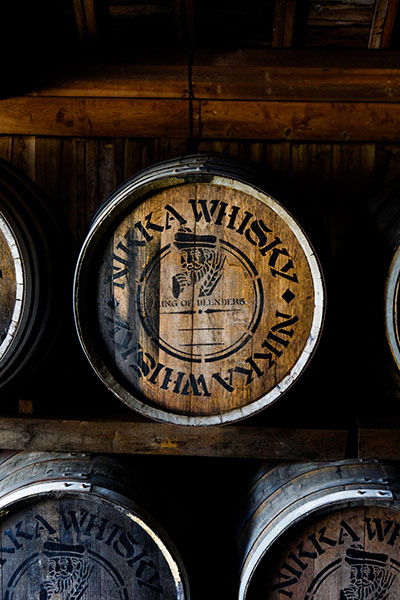
The Japanese way to whisky is characterised by a continuous striving for excellence through obsessive attention to detail. As if with every drop of distillate produced, one could get closer and closer to the ultimate whisky. This striving for perfection, so alive in Japanese culture, has always inspired Nikka's philosophy while at the same time being accompanied by a profound respect for the traditional techniques that have made whisky the King of spirits.
It is for this reason that to this day, the distilleries of the Nikka group still romantically keep alive aspects of production now forgotten even in Scotland. And so more than a hundred years after the Scottish journey of Nikka's founder, where it all began, this great love story continues to give us exciting whiskies.
A 100-year-long love story
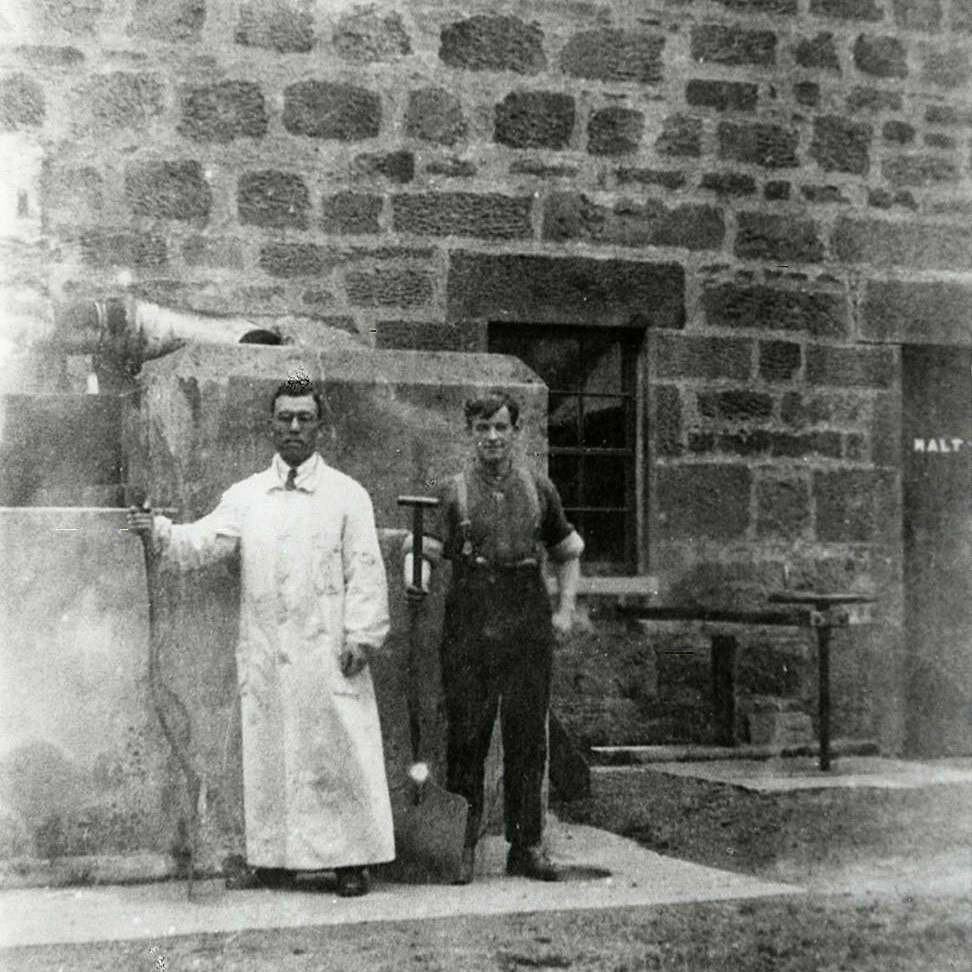
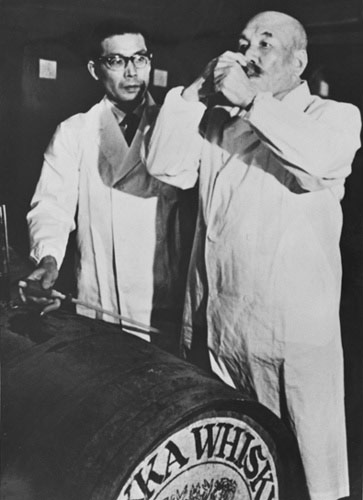
It was 1918 when young Masataka Taketsuru, whose family produced sake, arrived in Scotland to study chemistry. Masataka is fascinated by distilled spirits and gains work experience in some distilleries, where he learns techniques that the Scots have been passing down for generations. But Scotland's fascination for Taketsuru is not limited to whisky, because two years later he falls in love with a woman from Glasgow, Rita Cowan, marries her and returns to Japan with her.
So at the age of 26, Masataka was an ambitious young man with a big dream: to build a real whisky distillery in Japan. His first experience was alongside Shinjiro Torii, with whom he started Suntory, but finally in 1934 the dream became reality and Taketsuru founded Yoichi, the first secret of Nikka's success.
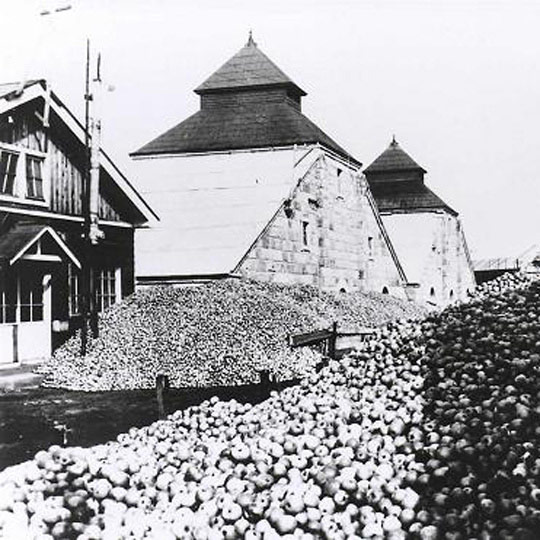
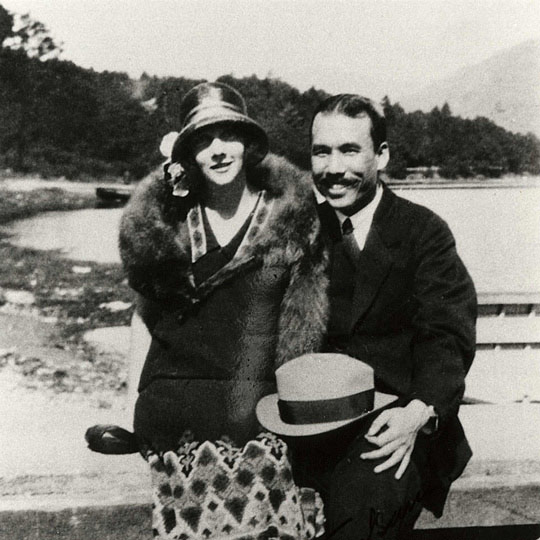
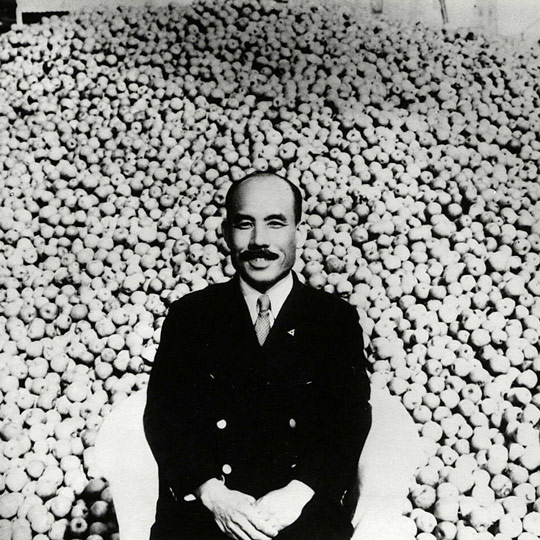

Yoichi
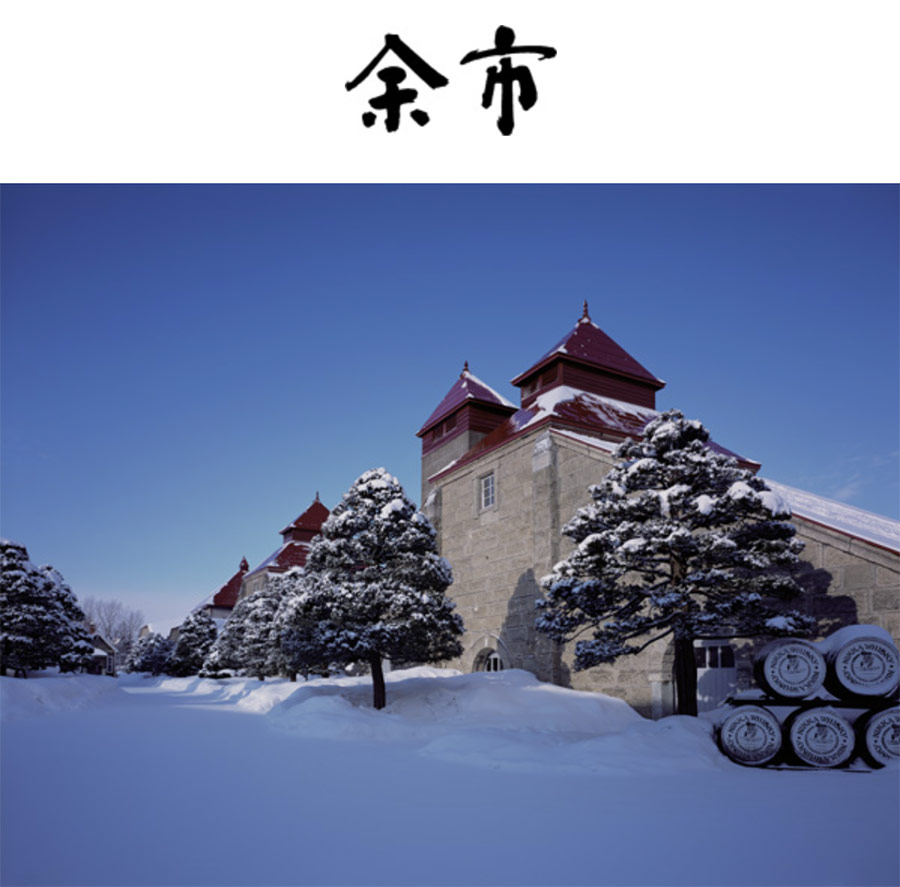
The island of Hokkaido and the influence of the sea
Founded in 1934, it is Taketsuru's first creature. The choice of location falls on the island of Hokkaido, where the Scottish-like climate is ideal for whisky production, with mild summers and an average temperature of 8 degrees. The distillery is 1 km from the coast washed by the Sea of Japan and thus benefits from the right humidity for maturing whisky. In addition, the iodized air that the whisky 'breathes' during ageing contributes to the coastal character of Yoichi's single malts.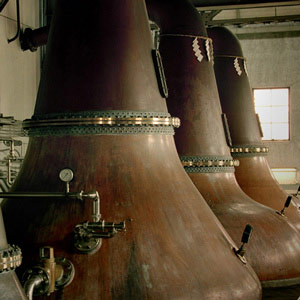
An old-fashioned distillate
The 6 traditional pear stills are still fired with direct fire using charcoal: this method, now disused in Scotland, gives Yoichi's distillate a strong personality, made even more impressive by a still with a descending neck and no reflux system, which gives the distillate a heavy body and an almost chewy texture.
The use of peat barley
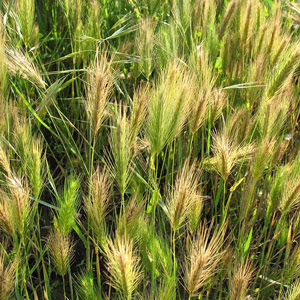
Yoichi's style is made even more unmistakable by the use of malted barley with peat smoke. The distillery produces different styles of whisky, from light to very peaty, relying on the skill of the master blenders to achieve a whisky where the smoky and earthy notes are not predominant, but add further complexity to an already very multifaceted whisky.
Miyagikyo
The distillery surrounded by Nature
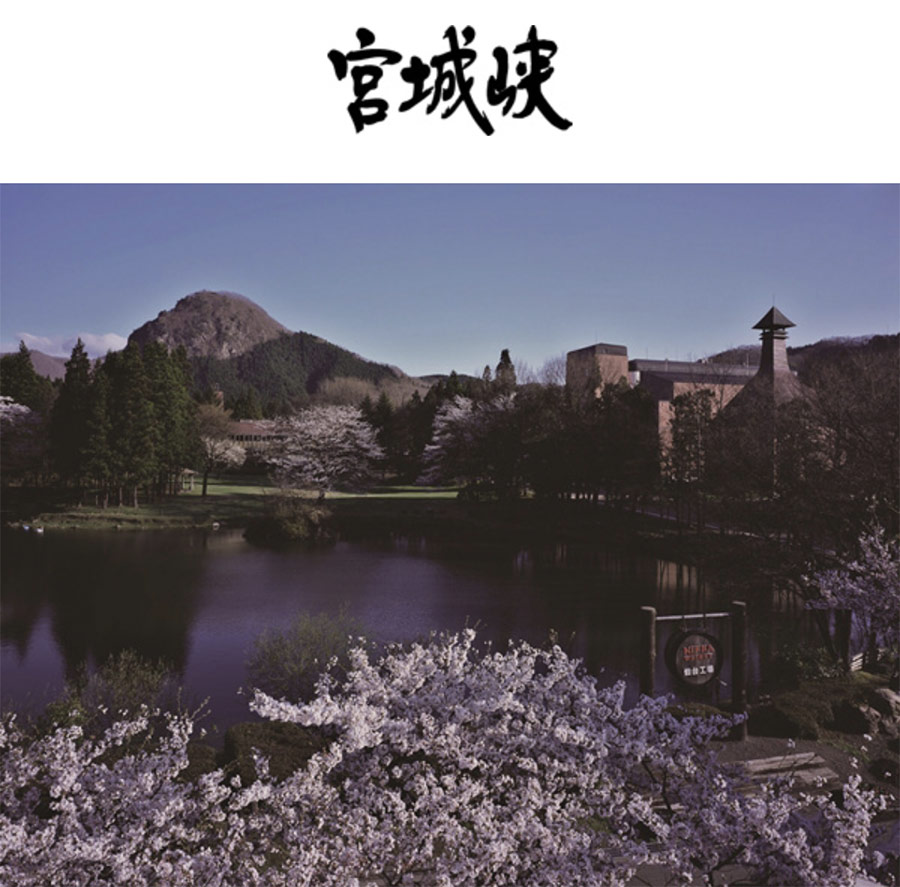
Founded by Taketsutu in 1969 near Sendai in Miyagi Prefecture, in a mountainous area in northern Japan, even for Miyagikyo, the role of the microclimate is decisive: average temperatures around 10 degrees are optimal; furthermore, the distillery enjoys the abundant presence of water, rising right at the confluence of the Hirose and Nikkawa rivers, whose soft water is one of the secrets of this whisky.
A gentle distillate
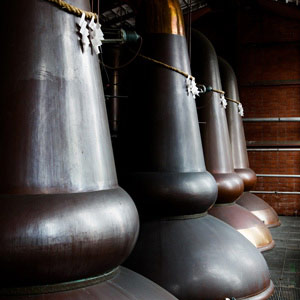
The 8 steam-powered pear stills are designed for slow, low-temperature distillation. The swelling above the belly of the still and the ascending swan neck ensure ample reflux of the alcohol vapours. The result is a delicate and harmonious distillate, with floral and fruity notes, capable of dialoguing in a refined manner with the oak wood in which it will mature.

The Taste Workshop
Two column stills, purchased from the Scottish company Blairs Limited in 1963, are also in operation, distilling a fermented spirit composed mainly of maize. By avoiding the massive use of wheat, the whisky obtained is unusually rich and thus becomes a key ingredient in the Nikka blended recipe. Its aromatic richness can also be appreciated in purity in the "Nikka Coffey Grain Whisky"..
The use of peat barley
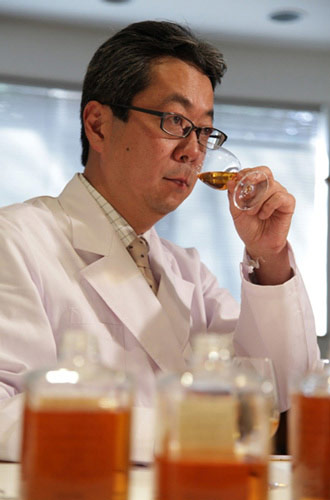
Blended Whisky is a blend of malted barley and other grain whiskies, created by pear and column stills. Nikka can rely on the malt whiskies produced with painstaking care in Yoichi and Miyagikyo, but also on the amazing whiskies distilled in the Coffey stills of Miyagikyo. Yet having these absolute quality distillates available is still not enough, because the art of blending very different whiskies requires a great sensitivity to the organoleptic characteristics of a distillate, as well as a search for ingenuity. Moreover, the harmonious complexity of Nikka's Blended Whiskies is achieved by a wide diversification of the oak woods used for ageing. Barrels that have contained bourbon or sherry, either virgin or recarbonated, rest in the cellars. Finally, coopers' workshops are active in the two distilleries to ensure the constant quality of the woods. It is incredible to imagine, but the recipe that makes up a Nikka Blended Whisky is made up of about 50 different whisky styles.
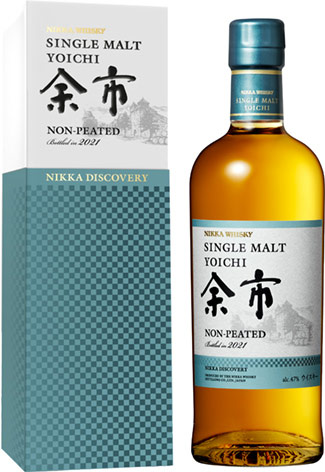
YOICHI Discovery - Non-Peated
It represents a resounding break from the tradition of this distillery, which normally produces single malts with a peaty character. This version uses untreated barley with peat smoke, and exhibits distinct malty, fruity and spicy notes, which give a new dimension to a whisky with great character like Yoichi..
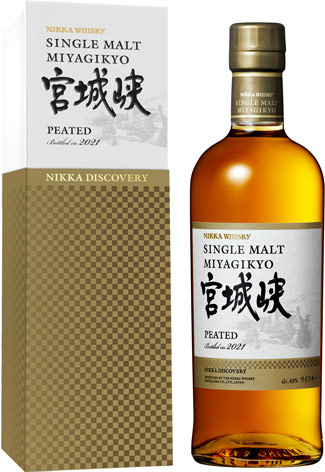
MYAGIKYO DISCOVERY – Peated
In contrast, this single malt reverses the normal perception we have of whiskies from the Sendai distillery, which are usually very delicate and floral. Miyagikyo Peated in fact has great structure and a strong peatiness, blended to perfection with vibrant fruity notes..
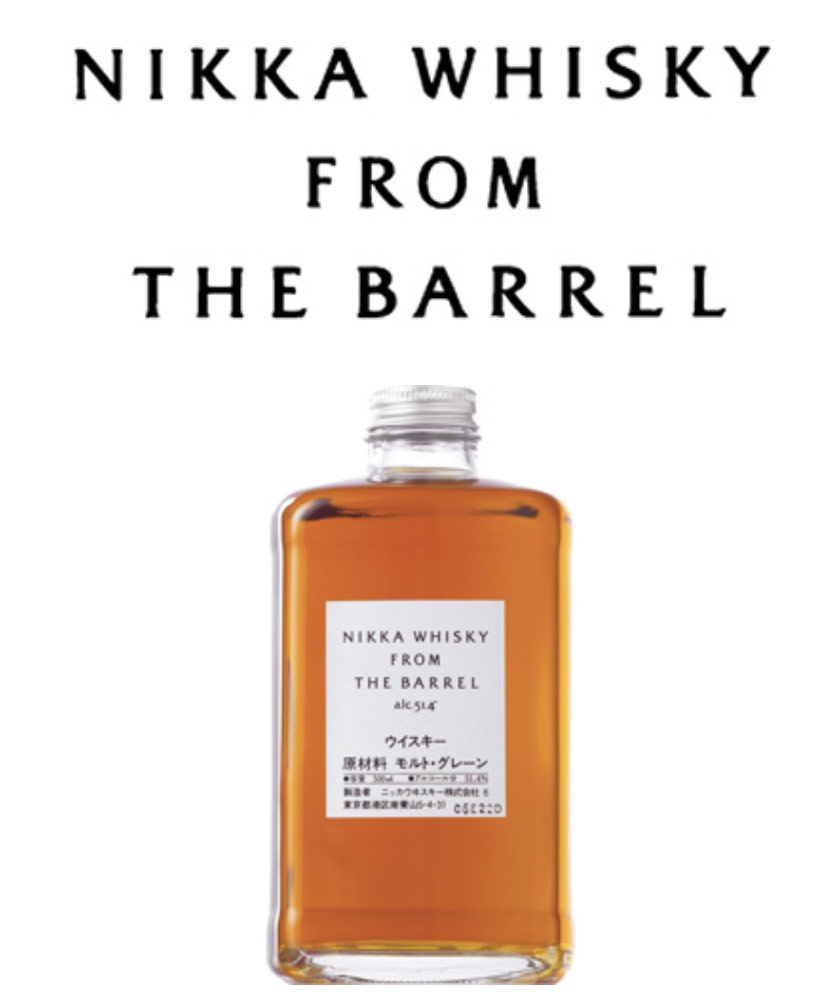
This blended whisky is the result of the marriage of the two single malts Yoichi and Miyagikyo, enriched by the single grain produced in Miyagikyo. After the wedding, the whiskies rest in the cask for a few months to harmonise and are then bottled 'from the barrel'. The result is a whisky with intense fruity and spicy notes, rich and creamy on the palate. The sustained alcohol content, at 51.4%, guarantees an explosion of aromas and flavours.
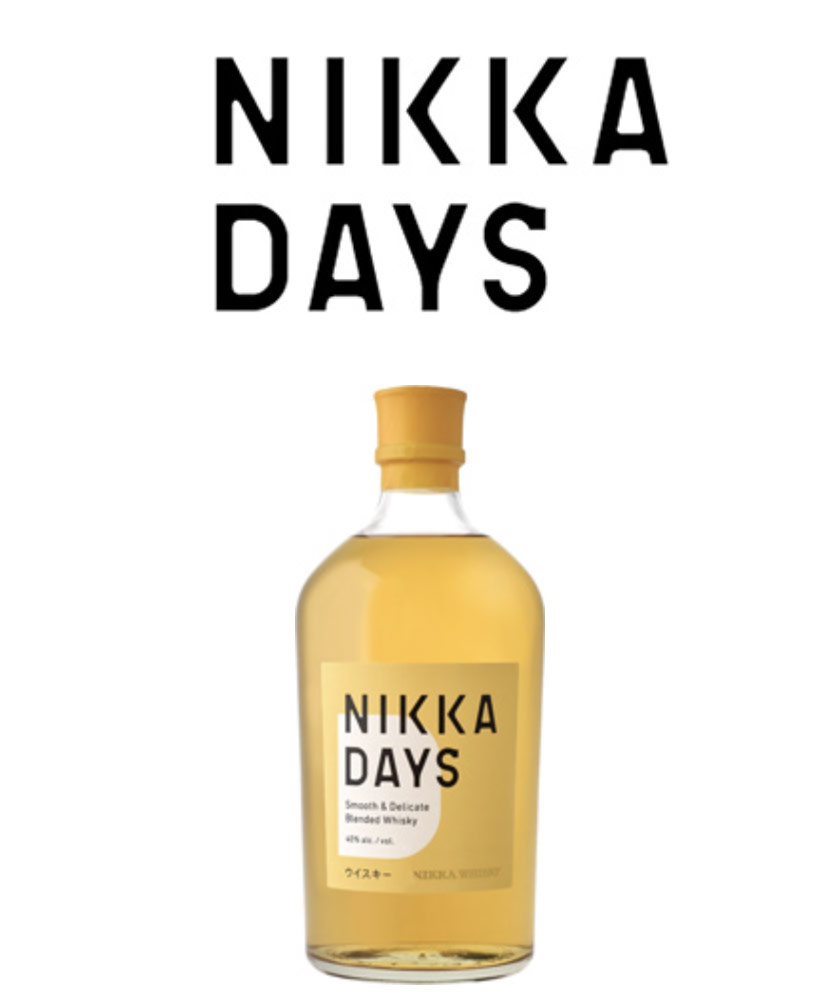
A whisky designed for light-hearted everyday drinking, with a moderate alcohol content at 40%, but without renouncing the complexity of a blend made from Nikka's house whiskies: column-distilled whiskies, Miyagikyo single malt, but also a portion of Yoichi single malt enter the recipe. In the glass we have yellow fruit, flowers and a citrus freshness that beckons one sip after another.


