Ti potrebbe interessare anche…







The perfect cocktail | Nikka Coffey Vodka and Fever-Tree Ginger Beer: Tokyo's Moscow Mule.
Ingrediants
4,5cl Nikka Coffey Vodka
10cl Fever-Tree Premium Ginger Beer
1,5cl Fresh lime juice*
The Moscow Mule is the drink that has contributed most to the popularity of vodka in the United States and consequently around the world. The guinea pig who drank this drink for the first time, invented by John Martin and Jack Morgan at the Chatam Bar in New York in 1946, called it "a cocktail that kicks like a mule", hence the name ...
Gift box with 1 bottle of Nikka Coffey Vodka of 70cl and 1 bottle of Fever-Tree Ginger Beer of 50cl
* not included in the package
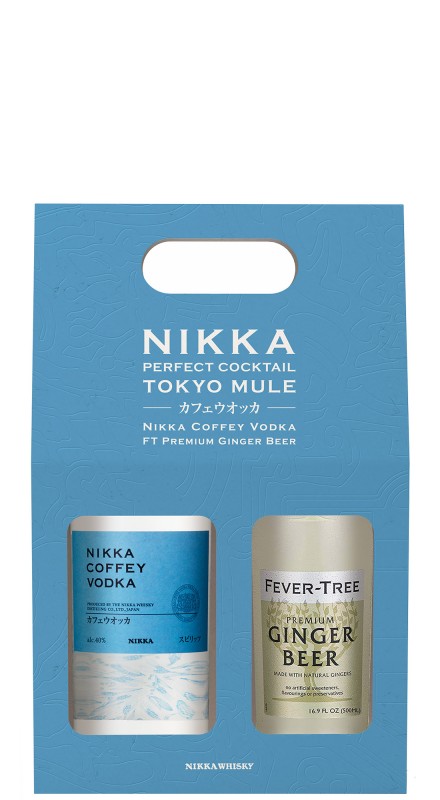
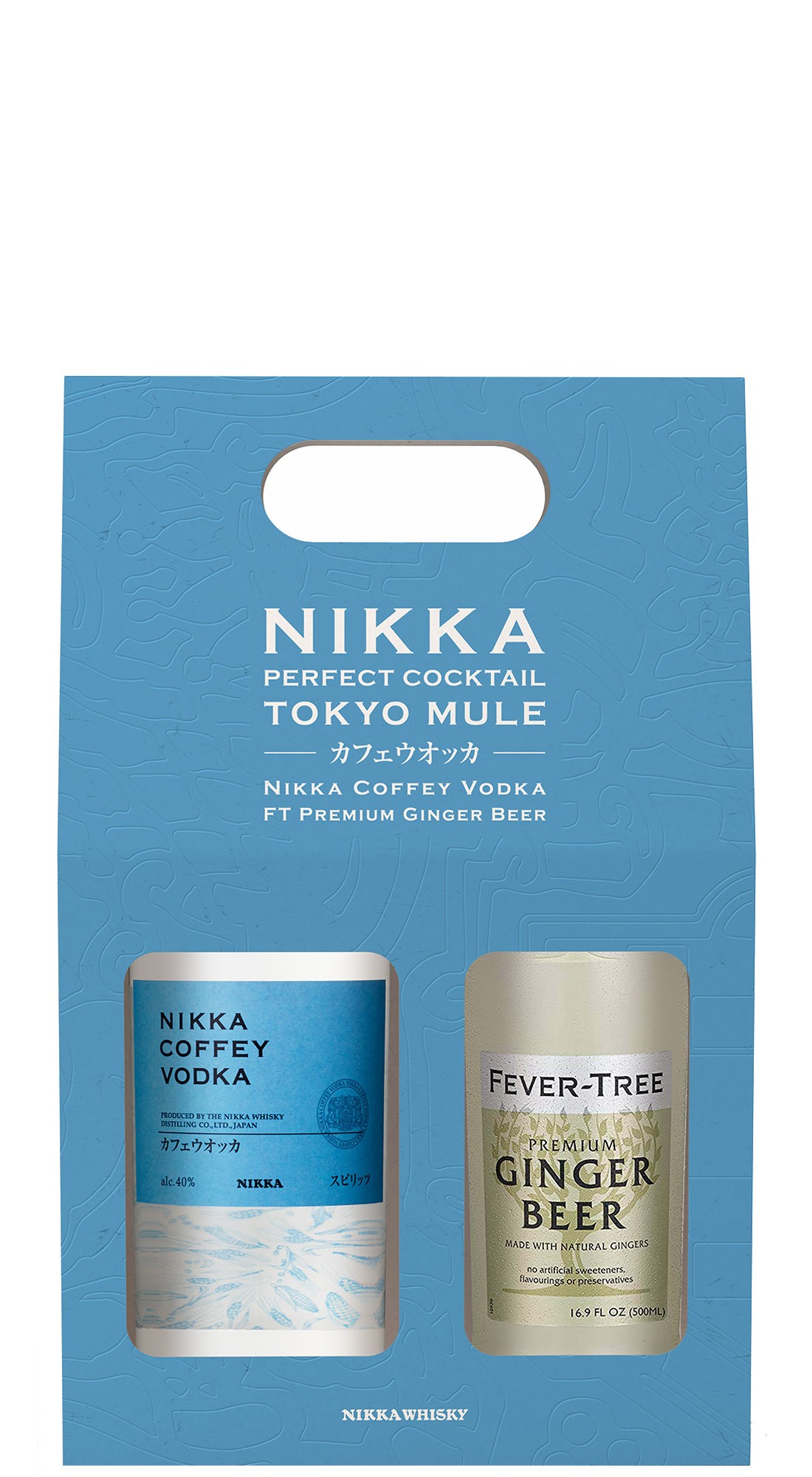
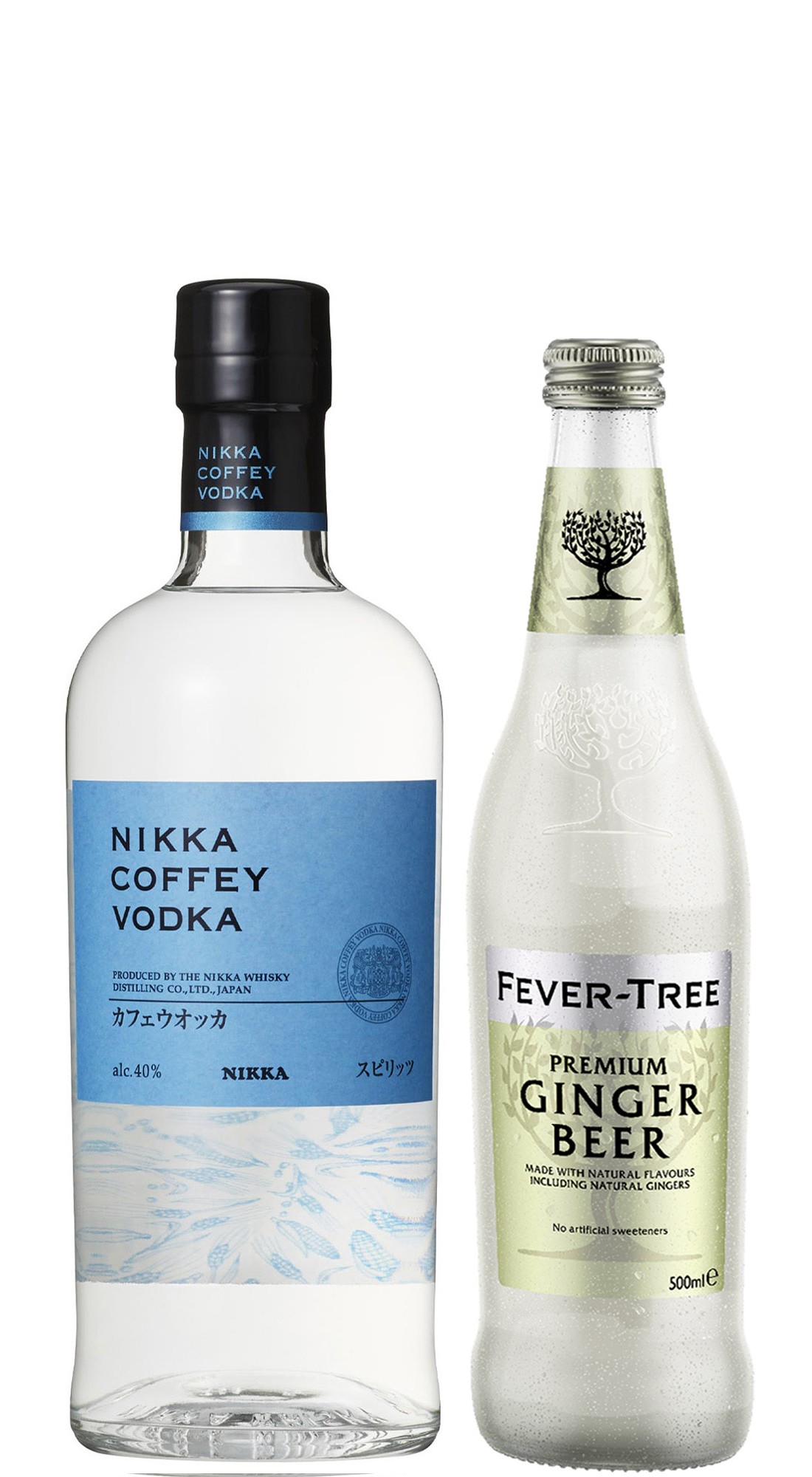
Nikka Perfect Cocktail Tokyo MuleWith Fever-Tree Ginger Beer 50 Cl
120cl / 40°



Nikka, the perfect whisky recipe. Japanese Whisk
The Japanese way to whisky is characterised by a continuous striving for excellence through obsessive attention to detail. As if with every drop of distillate produced, one can get closer and closer to...
Bloody Mary: quando il cocktail si tinge di rosso
The first version of the Bloody Mary involved only equal parts tomato juice and vodka. The inventor of the Bloody Mary was French bartender Fernand Petiot in 1920, who was then working at the famous...
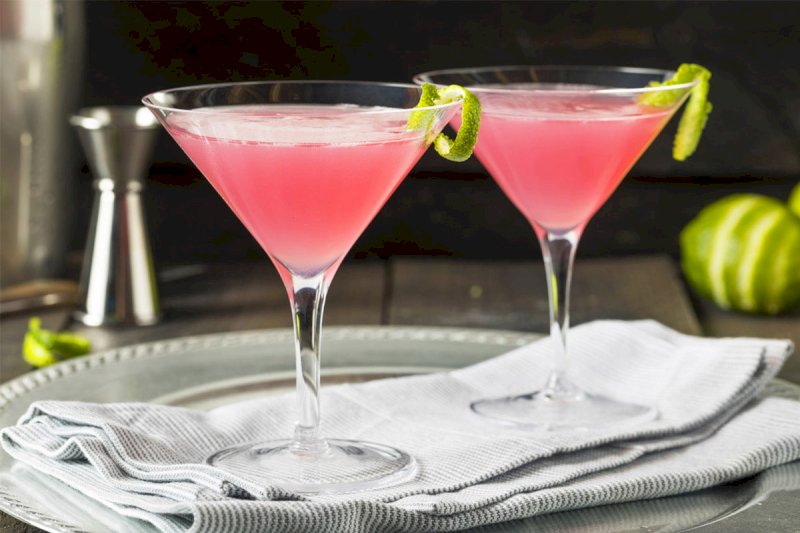
Cosmopolitan: vodka and the city
The 'Cosmo' is certainly one of the most famous 'modern classics'. It's no coincidence that it features in Candace Bushnell's best-selling novel, which went on to inspire the TV show Sex and the City, in...
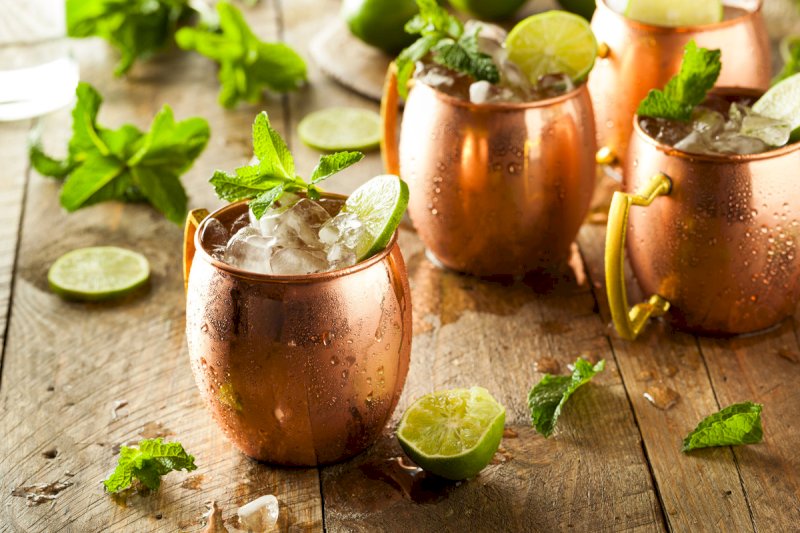
Moscow Mule, the cocktail that cracked the Iron Curtain
The story of the Moscow Mule, with its coincidences, is so crazy that it seems fictional, yet it is very true.
It all begins in 1941 at the Chatham Bar in New York. The scene seems like the opening...
The complete guide to Vodka
Vodka production has strongly influenced not just the social and demographic evolution of Russia, but of the entire European continent.