Ti potrebbe interessare anche…
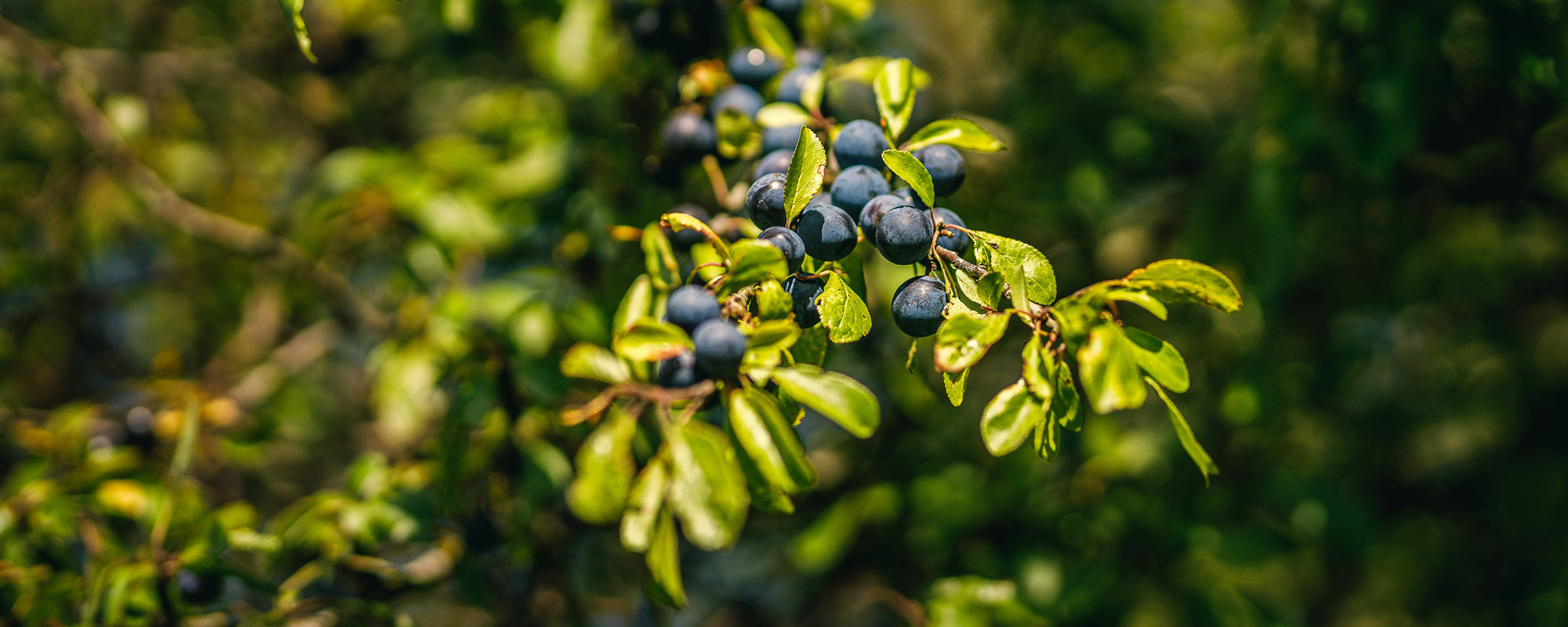
First of all, let's start with the basics: Sloe Gin is not a gin, but a liqueur in which the alcohol base is this very distillate.
It is a traditional British liqueur, produced from a combination of gin and wild blackthorn berries, characterised by a medium-low alcohol content and a colour between pale pink and deep ruby, depending on the processing. The addition of sugar is permitted but not mandatory.
There are some variants of this liqueur in other countries, but they have other names, such as the Italian bargnolino; the only true Sloe Gin is the Anglo-Saxon one.
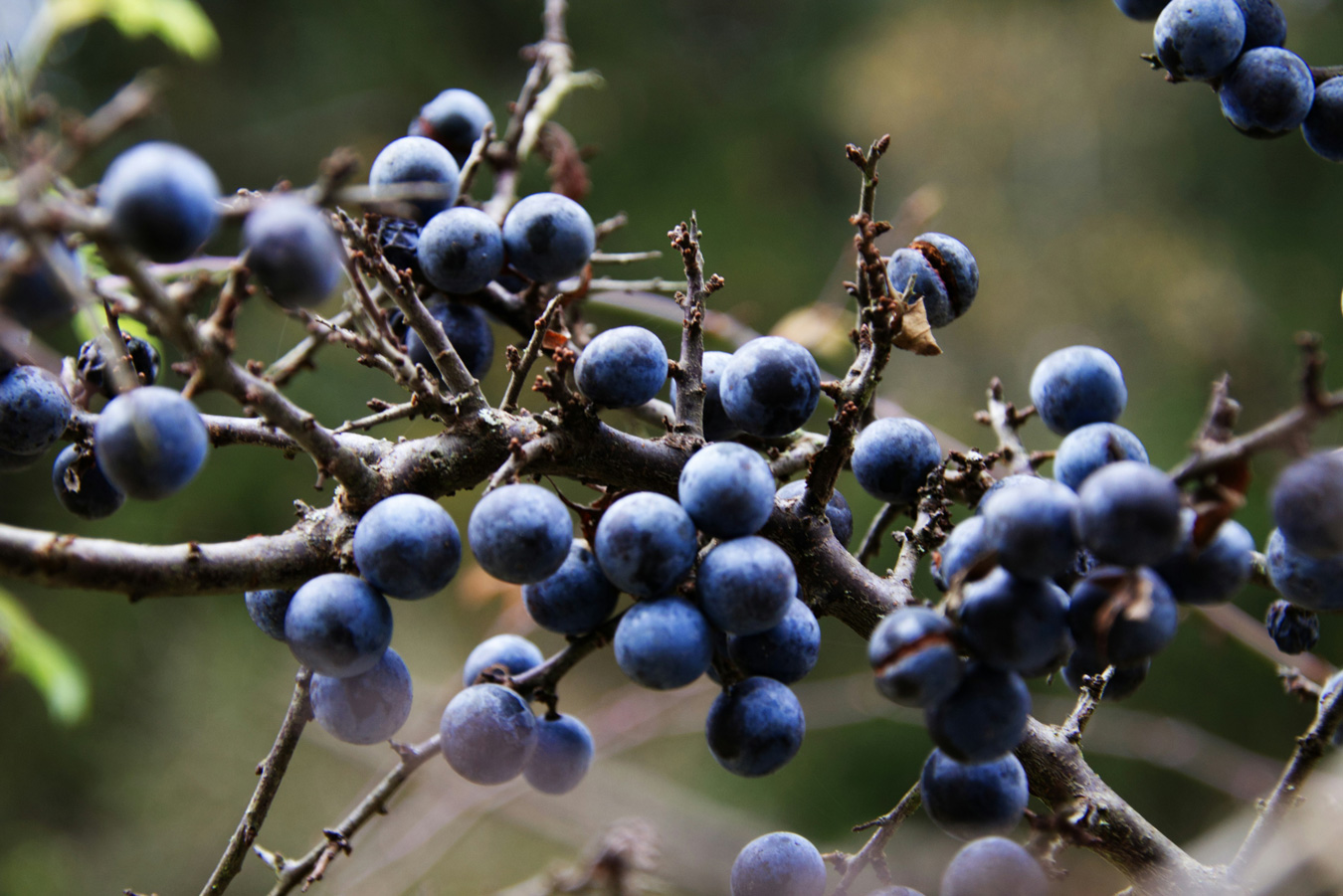
Come per tutte le ricette di tipo tradizionale, anche per lo Sloe Gin esistono infinite versioni, nelle quali gli ingredienti sono aggiunti in quantità sempre differenti. In generale comunque si parte dal gin, come già detto, cui si aggiungono le bacche di prugnolo raccolte dopo le prime gelate invernali. La macerazione dura circa tre mesi, poi le bacche vengono separate e il liquido filtrato.
Per quanto riguarda l’aggiunta dello zucchero, che si può anche scegliere di omettere, sta a ogni produttore decidere se inserirlo prima dell’infusione o in una fase successiva, anche se in molti sostengono che gli aromi del prugnolo siano più gradevoli se lo zucchero non viene aggiunto dopo l’infusione.
Il liquore può inoltre essere arricchito con essenza di mandorle, chiodi di garofano, stecche di cannella, a seconda del gusto del produttore, e in questi casi viene chiamato Sloe Gin aromatizzato.
Esiste persino una variante che vede la vodka al posto del gin, e ci sono anche alcuni produttori che lasciano invecchiare il liquore per qualche tempo, in modo da ottenere maggiore complessità di sapori – in questo caso viene chiamato Vintage Sloe Gin.
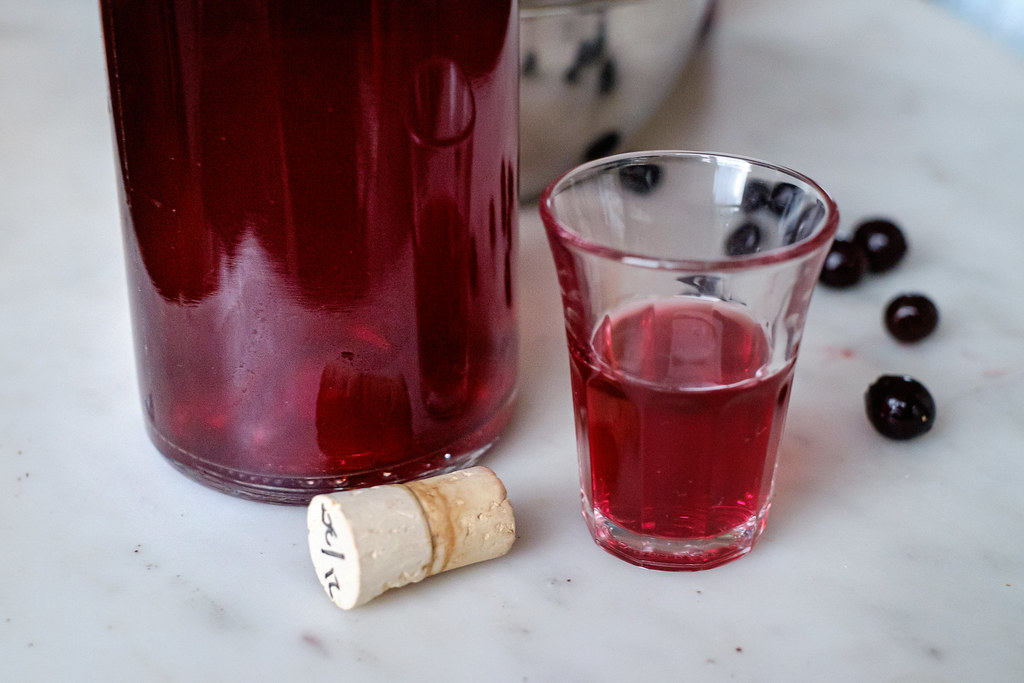
Legend has it that around the 18th century in England the land was bordered by blackthorn trees, and that there were fruits in abundance. Someone, therefore, thought to use this abundance to flavour his gin, discovering how pleasant the experiment was, even for the eyes, given the colouring given to his drink.
Sloe Gin is considered a noble father of those coloured liqueurs that were so popular in the 1980s and 1990s, and which did not always have truly natural origins.
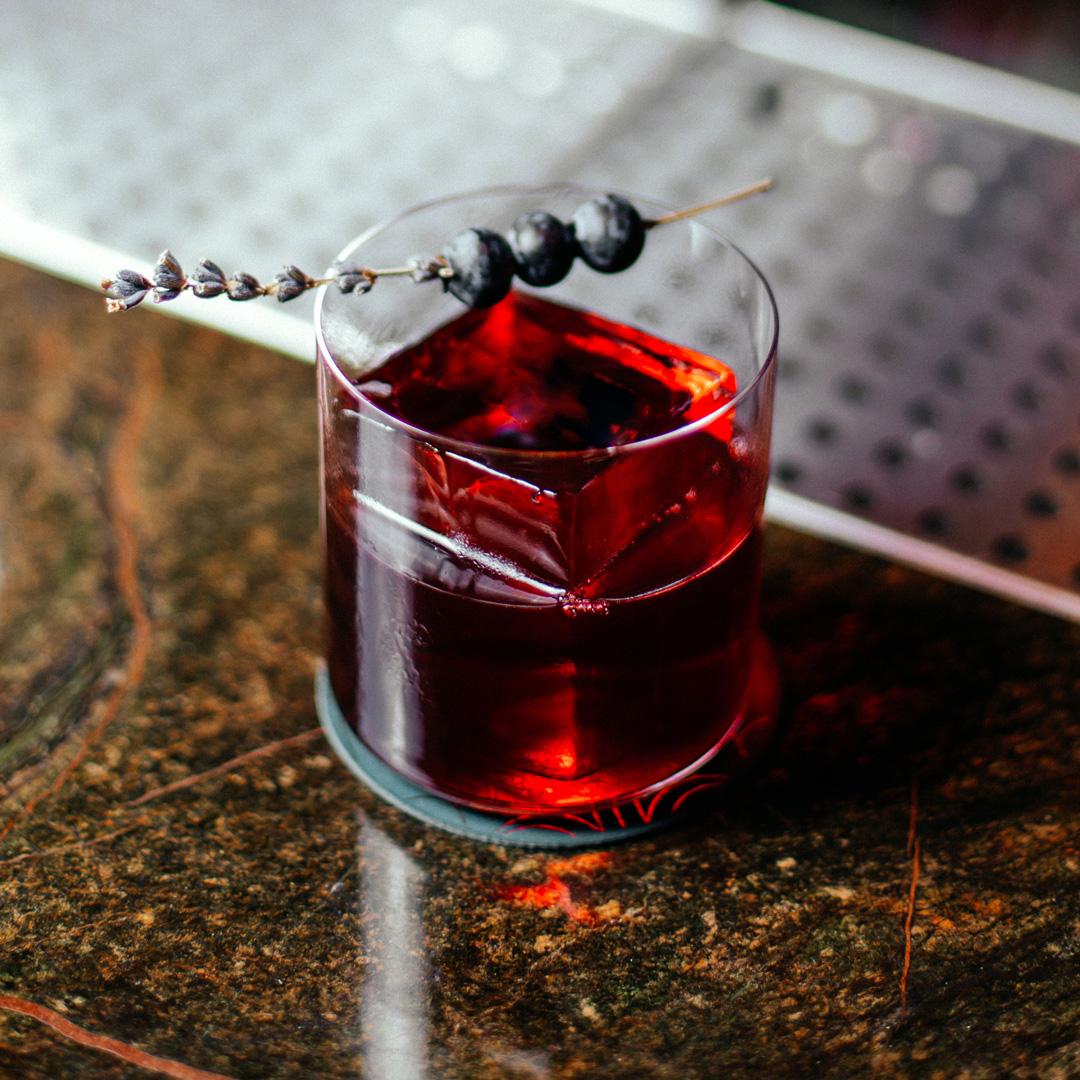
Sloe Gin has a fruity and delicately sweet flavour, in which the notes of juniper and herbs, typical of gin, blend harmoniously with those of blackthorn. A great organoleptic richness that makes it perfect for careful tasting, with ice served on the side.
There is no doubt, however, that this liqueur has also conquered bartenders around the world, lending itself well to the preparation of cocktails and refreshing drinks.
Sloe Gin can be mixed with soda, but is best known for the Sloe Gin Fizz, with lemon juice, sugar syrup, egg white and champagne.
Distillates have different alcoholpercentages. So, we have defined a parameter allowing you to better understand and compare different prices. This parameter is calculated by dividing the bottle price by the alcohol content. The alcohol content (or strength) is the amount of pure alcohol (ethanol) contained in the distillate.
This parameter indicates the price of a single 4cl dosage of distillate. It is calculated by dividing the price of the bottle by its quantity (expressed in cl), then multiplying by the centilitres of the recommended single dose, as average in cocktail recipes.