Ti potrebbe interessare anche…
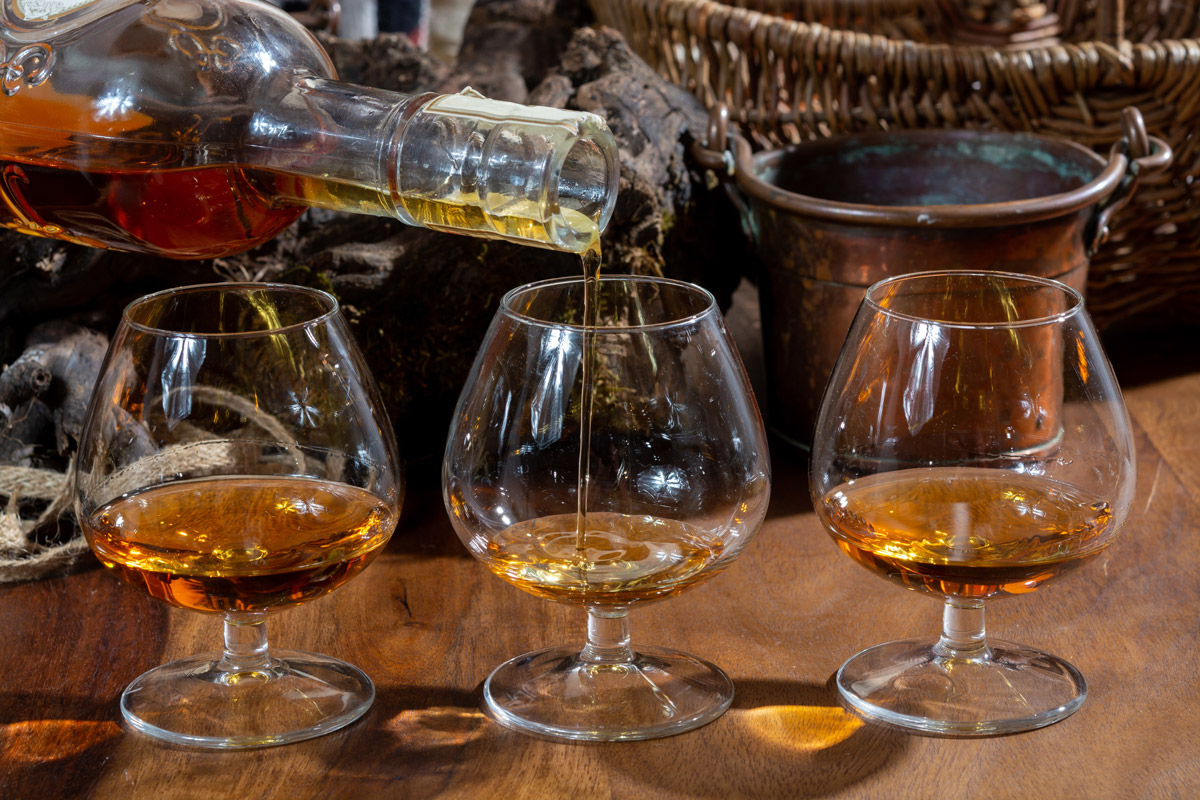
France has a centuries-old tradition in the art of distillation, made up of work and passion for its land, to the point that its distillates are considered not only a local excellence, but a true symbol of European drinking culture.Among the most famous spirits are undoubtedly Armagnac and Cognac, with their ancient history and the reputation they have earned over time due to the extreme quality and care with which they are produced.
Armagnac is the oldest wine spirit in France, and according to some sources even the world, considering that the distillation process was already known in Babylonian times.
The name derives from the old county of Armagnac, corresponding to that Gascony which has gone down in history for the adventures of the musketeer D'Artagnan: this area, to the south-west, now comprises the departments of Gers, Lot et Garonne and Landes. It is a rich and fertile territory, renowned for its white grapes. The earliest manuscripts mentioning Armagnac date back to1411, and tell of a wonderfulhot aygue produced in Toulouse, and the importance of barrels for maturation;
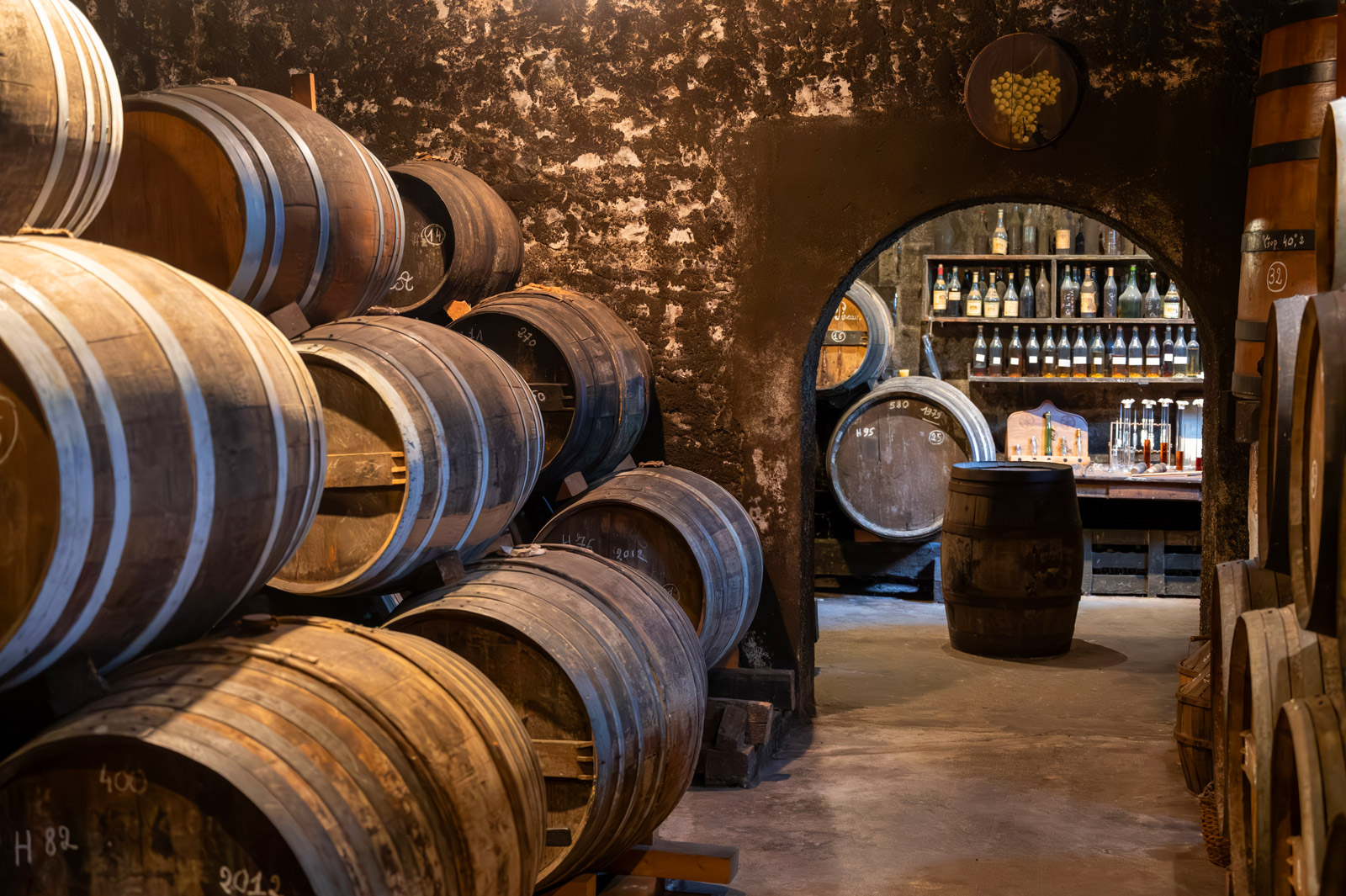
Considering that in 1461 Armagnac was so widespread that it became the object of taxation, we can still say that it certainly arrived before Cognac, whose first distillation is traced back to 1549.
It was the British who gave a decisive push to the production of Cognac,inviting farmers to produce their own distillates, and it was the French who improved and made stills more efficient, creating the charentais with a small capital, which better preserved the characteristics of distillates. The success of Cognac over time is due to the sum of factors between consistent quality, price and market availability.
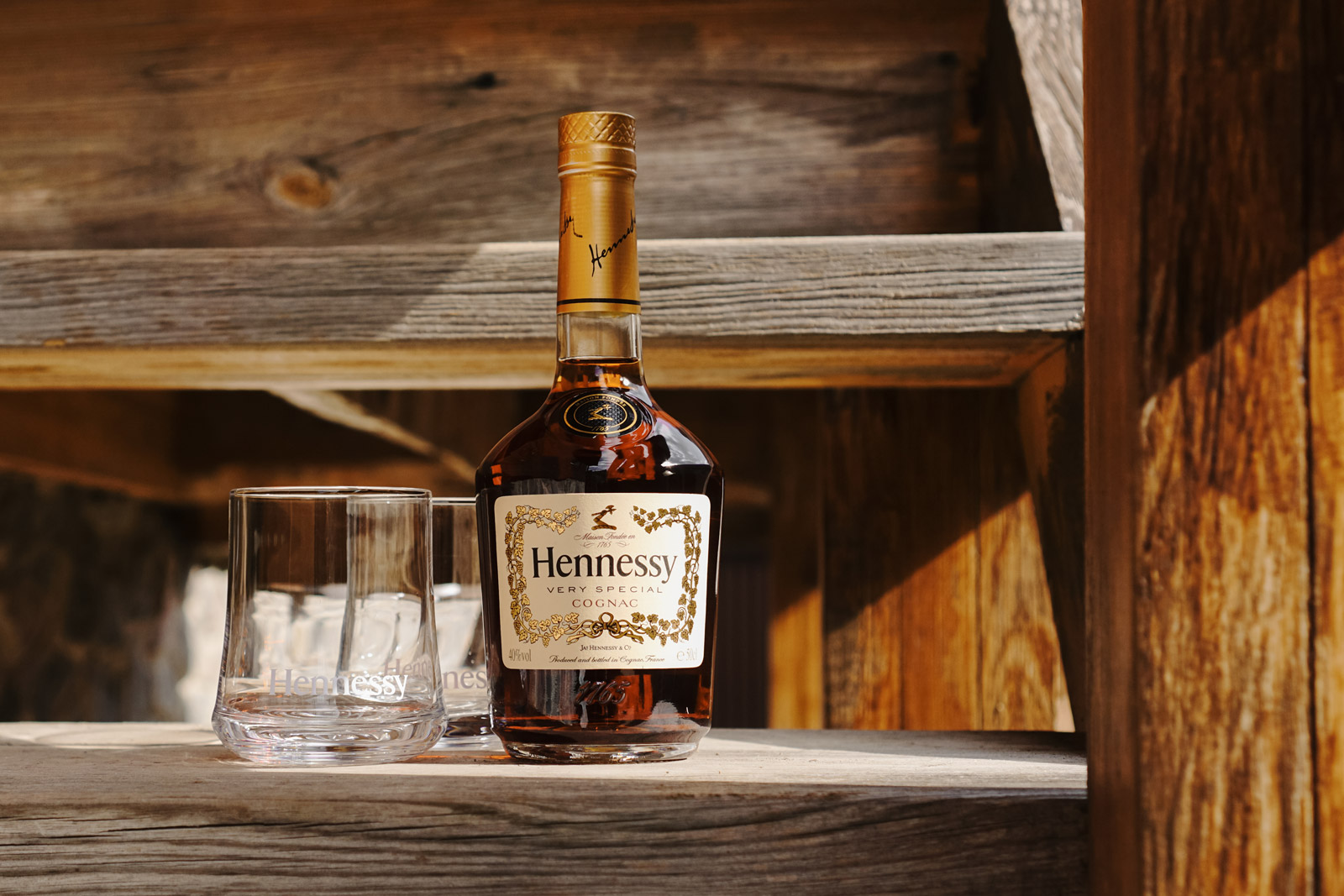
Armagnac and Cognac are two types of French Brandy: that is, they are both brandies made from the distillation of wine and marc or lees, bottled after a period of ageing in wooden barrels. The first fundamental difference between them is the region of production: western France for Cognac and south-western France for Armagnac. Both are obviously protected designations of origin.
White grapes are used for both distillates, with the following differences:
For Cognac, wines derived from the grape varieties of Ugni Blanc-95 percent-and Colombart, Folle Blanche and Saint-Emillon five percent are used. These three grape varieties grow in Charentes and are divided into six different areas, the Crus: the wines from each Cru are processed and distilled separately, and it is the blends that will form the Cognacs - in fact, it must be remembered that Cognac becomes Cognac only during the blending of blends from different crus and aging.
For Armagnac, wines derived from the grape varieties of Ugni Blanc, Baco Blanc, Folle Blanche and Colombard are used.
Distillation in Cognac is double, that is, discontinuous, in charentais-type copper stills, while in Armagnac it is continuous, in armagnais-type column stills.
Aging takes place in 350-liter oak barrels for at least 30 months in the case of Cognac, and in 400-liter oak barrels for at least one year in Armagnac. In general, Cognac must age for at least 24 months to be called Cognac, while in the Armagnac Disciplinary there are no obligations, except for the VS - Very Special - label, the most prized, in which the minimum aging is 12 months.

Distillates have different alcoholpercentages. So, we have defined a parameter allowing you to better understand and compare different prices. This parameter is calculated by dividing the bottle price by the alcohol content. The alcohol content (or strength) is the amount of pure alcohol (ethanol) contained in the distillate.
This parameter indicates the price of a single 4cl dosage of distillate. It is calculated by dividing the price of the bottle by its quantity (expressed in cl), then multiplying by the centilitres of the recommended single dose, as average in cocktail recipes.