The history of the Takamaka distillery begins in February 2002, when the two Offay brothers, Richard and Bernard, return to the Seychelles after many years spent in South Africa. They obtain from the government a ruined eighteenth-century building, considered a national heritage, on the island of Mahé in La Plaine St Andre, and restore it. After two years of work, the Trois Frères Distillery company is ready to go, and shortly thereafter their first dark rum comes on the market.
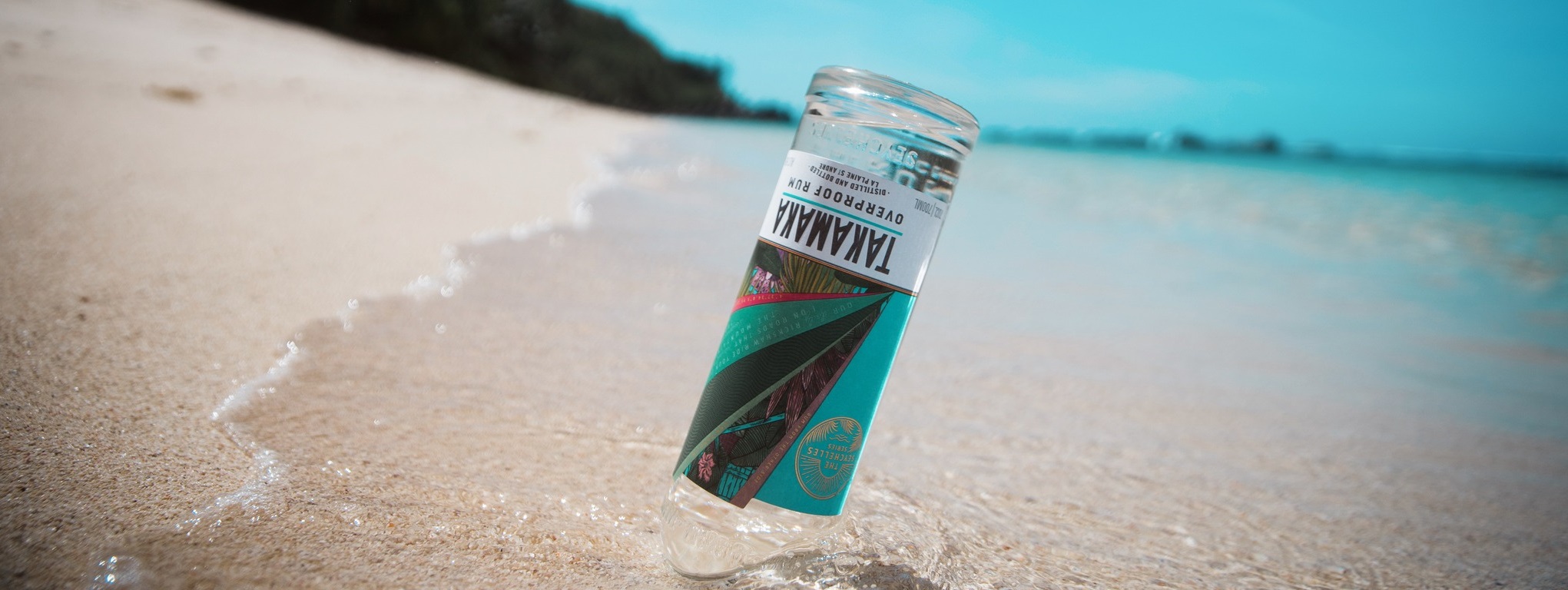
Rum was first brought to the Seychelles by the British Navy, around the middle of the sixteenth century; from the end of the nineteenth century sugar cane began to be cultivated on the islands, but the existing distilleries have always turned only to the local market, with its ninety thousand inhabitants. The ambitions of the Offay brothers, on the other hand, immediately aimed much higher.
Once harvested, the sugar cane produced by a few growers is taken to the small mill of the distillery to be pressed and then subjected to the fermentation process, which lasts three to five days.
For distillation, Takamaka has three copper stills, two of which are pot stills and the third a column still. Great research is dedicated to the selection of the barrels, for their decisive influence on the character of the rums that mature there.
Distillates have different alcoholpercentages. So, we have defined a parameter allowing you to better understand and compare different prices. This parameter is calculated by dividing the bottle price by the alcohol content. The alcohol content (or strength) is the amount of pure alcohol (ethanol) contained in the distillate.
This parameter indicates the price of a single 4cl dosage of distillate. It is calculated by dividing the price of the bottle by its quantity (expressed in cl), then multiplying by the centilitres of the recommended single dose, as average in cocktail recipes.