Ti potrebbe interessare anche…






In Scotland, in the heart of Speyside, there is the village called Aberlour, crossed by the rivers Lour and Spey, whose springs serve as precious resources for the distillation of the namesake Whisky.

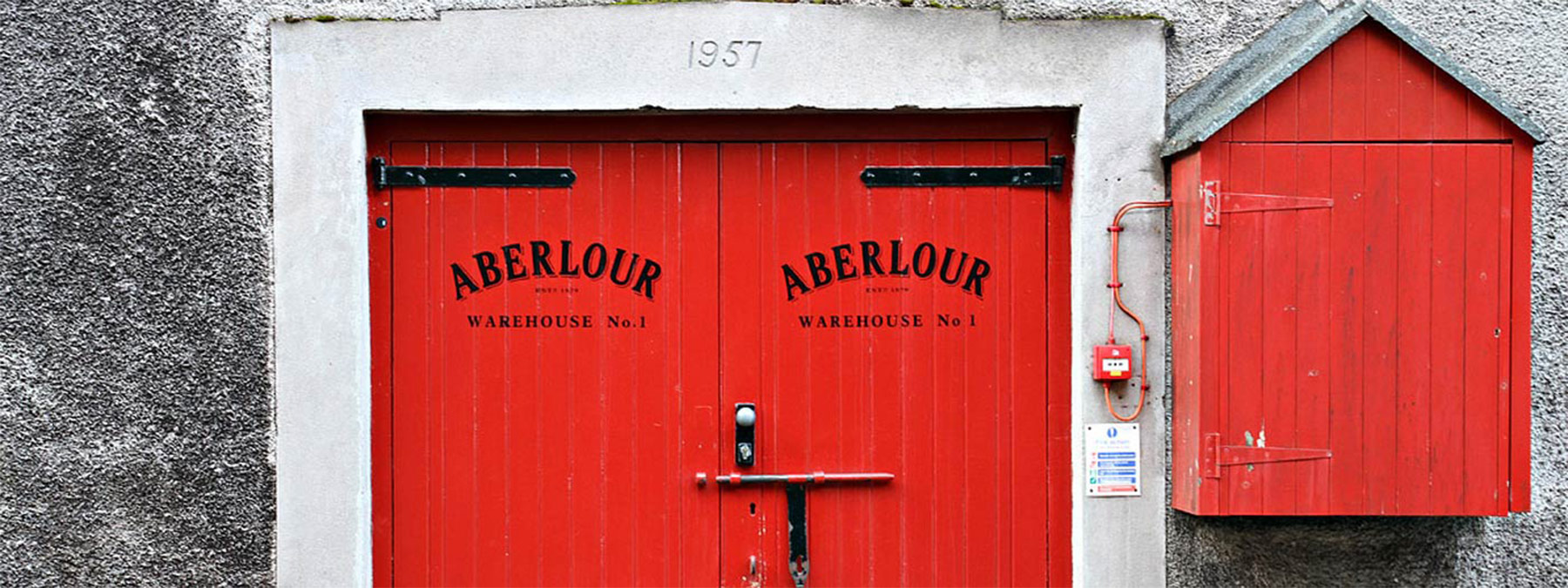
In Scotland, in the heart of Speyside, there is the village called Aberlour, crossed by the rivers Lour and Spey, whose springs serve as precious resources for the distillation of the namesake Whisky.
Founded in 1879 by James Fleming, the Aberlour distillery is located in the valley of the same name, an ancient, mythical and mystical place where one of the most important Druid communities once resided. Water and oak were two of the main elements and, following tradition, have always featured on the Aberlour label.
When the demand for whisky began to grow, James decided to start his own small production, but after only a few years he was forced to sell to R. Thorne & Sons.
In 1898, following a fire, the Aberlour distillery was almost totally destroyed and the structure we see today is the reconstruction led by Charles Doig, a well-known architect of the time.
The modernisation and updating of techniques that were made in the 1930s are still visible and used today: we are talking about the steam heating of the stills and the use of Sherry casks for ageing.
Distillates have different alcoholpercentages. So, we have defined a parameter allowing you to better understand and compare different prices. This parameter is calculated by dividing the bottle price by the alcohol content. The alcohol content (or strength) is the amount of pure alcohol (ethanol) contained in the distillate.
This parameter indicates the price of a single 4cl dosage of distillate. It is calculated by dividing the price of the bottle by its quantity (expressed in cl), then multiplying by the centilitres of the recommended single dose, as average in cocktail recipes.


