It all began in 1887, when Homère Clément, doctor and mayor of Le François, bought a prestigious 43-hectare sugar cane plantation, the Domaine de L'Acajou. Since then, Rhum Clément has been produced according to the purest and oldest traditions inherited from Homère Clément, as well as in strict compliance with the guidelines established by the Appellation d'Origine Contrôlée, the AOC Martinique.


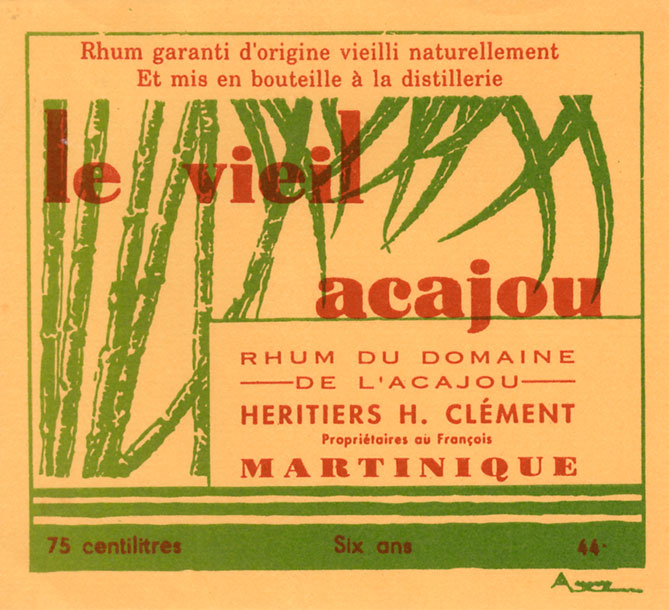
It all began in 1887, when Homère Clément, doctor and mayor of Le François, bought a prestigious 43-hectare sugar cane plantation, the Domaine de L'Acajou. Since then, Clément has distinguished himself as a pioneer of rhum agricole, the distillate produced directly from fresh sugar cane juice instead of molasses. In 1917, Homère Clément set up a distillery himself to meet the great demand for spirits during the First World War. In the following years, production continued under the Acajou brand, while the Clément brand was officially created in 1940.
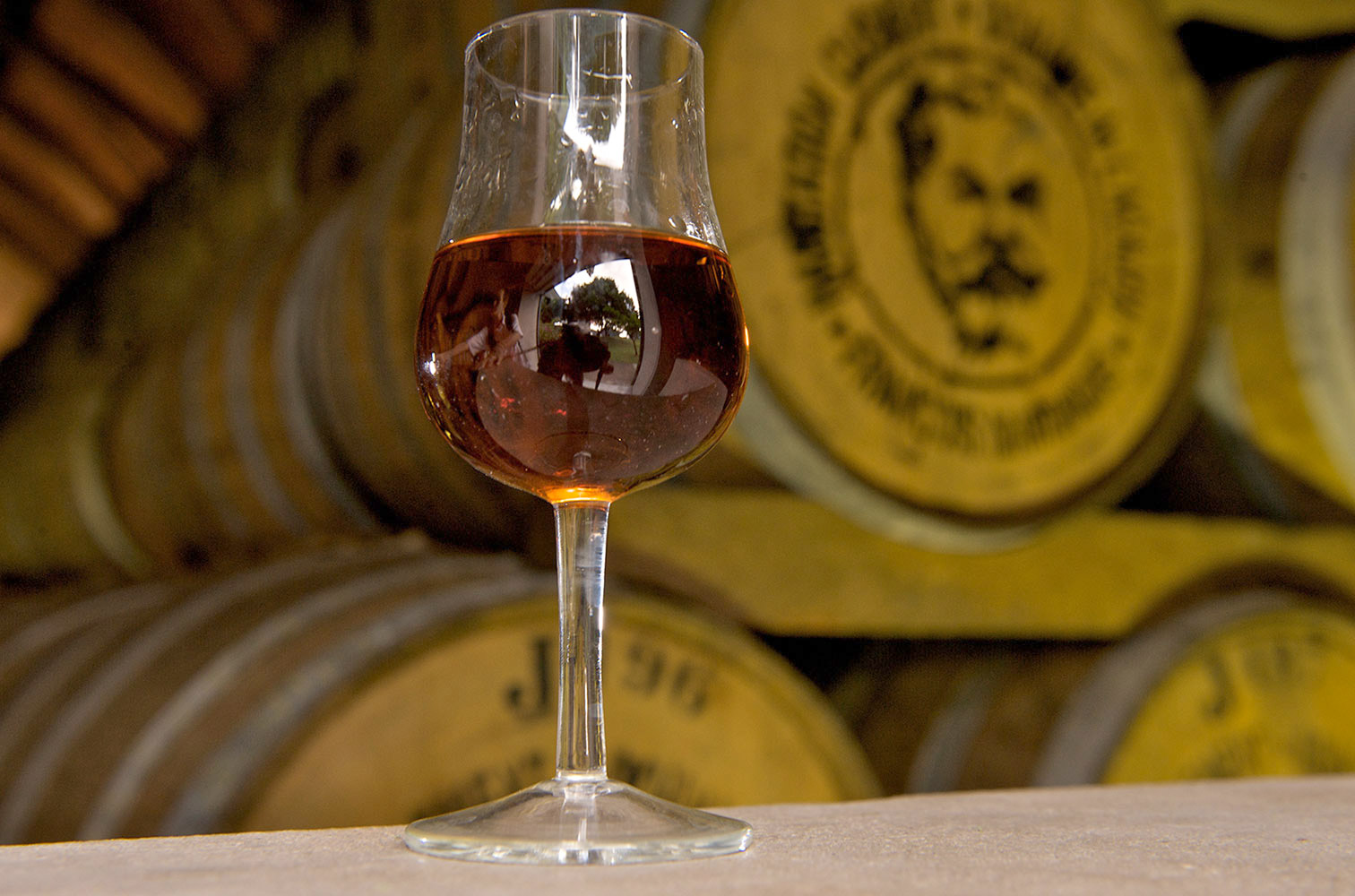
In 1986, Rhum Clément was sold to the Hayot family, which nevertheless remains close to the Clément family, to preserve and respect one of the island's greatest cultural heritages. Indeed, the Hayot family continues to maintain the historical heritage, culture and passion of the Clément family. Habitation Clément has grown over time, with new cellars for ageing, a reception for tourists, art galleries and a tasting room for visitors who want to sample the rum.

Since 1887, Rhum Clément has been produced according to the purest and oldest traditions inherited from Homère Clément, as well as in strict compliance with the guidelines established by the Appellation d'Origine Contrôlée, AOC Martinique. More precisely, Clément rum is produced according to a secret recipe, handed down from generation to generation, with the entire processing chain subjected to strict controls, starting with the careful selection of the finest sugar cane, grown in the Habitation Clément itself, and ending with the final stages of distillation, ageing and bottling. The distillery is in fact located a short distance from the fields, to guarantee the freshness of the raw material.

Distillates have different alcoholpercentages. So, we have defined a parameter allowing you to better understand and compare different prices. This parameter is calculated by dividing the bottle price by the alcohol content. The alcohol content (or strength) is the amount of pure alcohol (ethanol) contained in the distillate.
This parameter indicates the price of a single 4cl dosage of distillate. It is calculated by dividing the price of the bottle by its quantity (expressed in cl), then multiplying by the centilitres of the recommended single dose, as average in cocktail recipes.