What comes to mind when we say rum? Tropical islands, palm trees and Caribbean music, right? Well, from today, thanks to Avola Rum and its innovative project, this word will also make you think of Sicily.
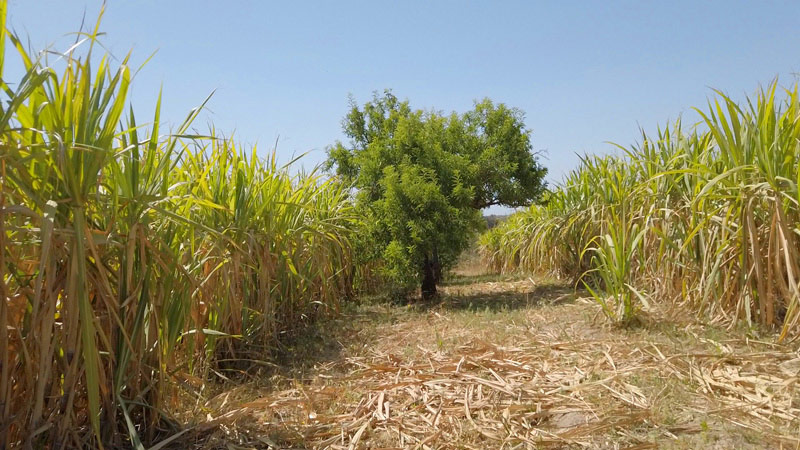
Before the discovery of America by Christopher Columbus, Sicily was the largest producer of sugar cane in the world. Cane was brought to the island by the Arabs in 800 AD, and was cultivated there until around 1600, when for climatic reasons it disappeared everywhere except in the fiefdom of Avola. Here, the Marquises Pignatelli Aragona Cortes continued to produce sugar and then, from 1700, also rum, by fermenting and distilling the pure juice of the cane - or cannamela, in dialect.
This centuries-old tradition was rediscovered by Corrado Bellia, an entrepreneur from Avola who, after finding some historical evidence of the deep connection between Sicily and sugar cane, decided to realise a dream that had been brewing in his head for years and so he went back to distilling, thus making the Vallo di Noto, already famous for its wines and Nero d'Avola, a land of rum too.


The "Monografia Agraria del Territorio d'Avola in Sicilia" (1878), by the botanist Giuseppe Bianca, was one of the technical and theoretical bases from which Corrado Bellia started to cultivate the only sugar cane plantation in Italy.
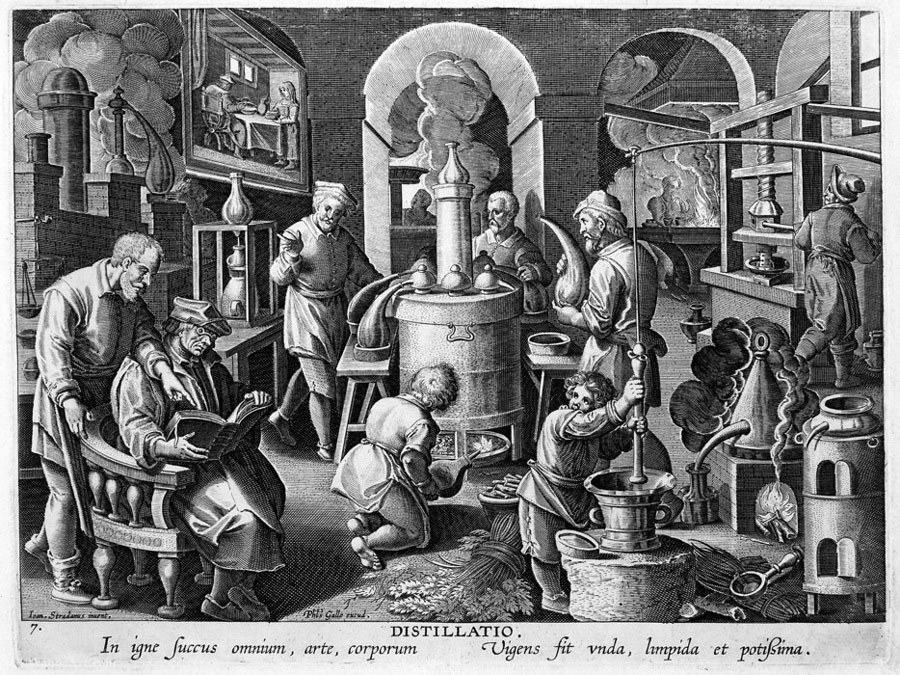
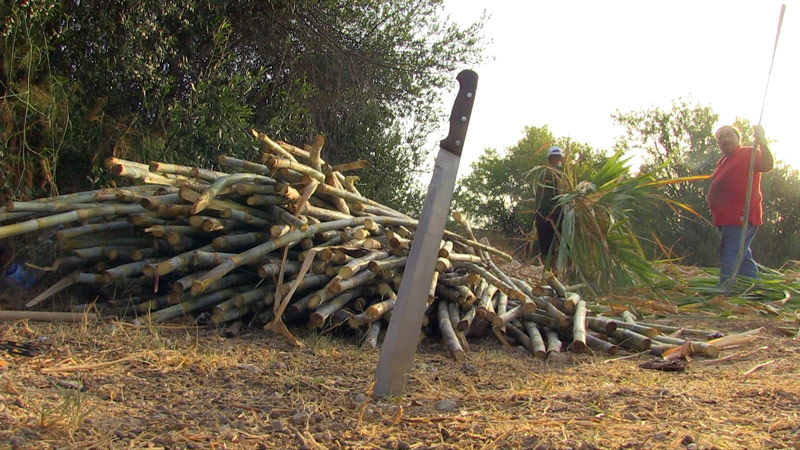
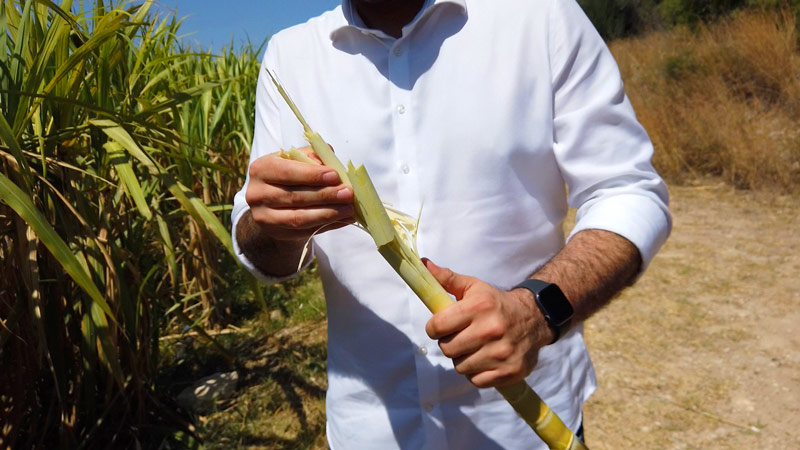
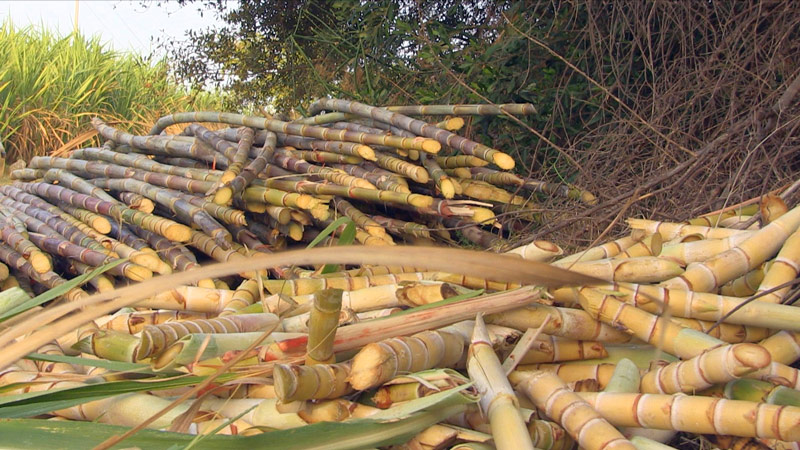
Avola Rum is made using agricultural methods. The sugar cane is harvested between December and April, depending on the sugar content. The canes, cut at the base, are cleaned and squeezed in machines that separate the juice extracted from the bagasse - the cellulose fibre. At this point the fermentation process begins, which lasts between 4 and 10 days. Distillation takes place at the Giovi Distillery, near Messina, which has been in business for over 40 years: the discontinuous bain-marie method is used. After a few months of rest, it is bottled at 52%.
The result is a rum with a smooth and intense aroma, perfect for those seeking a niche product that can tell the story of a place and express its terroir.
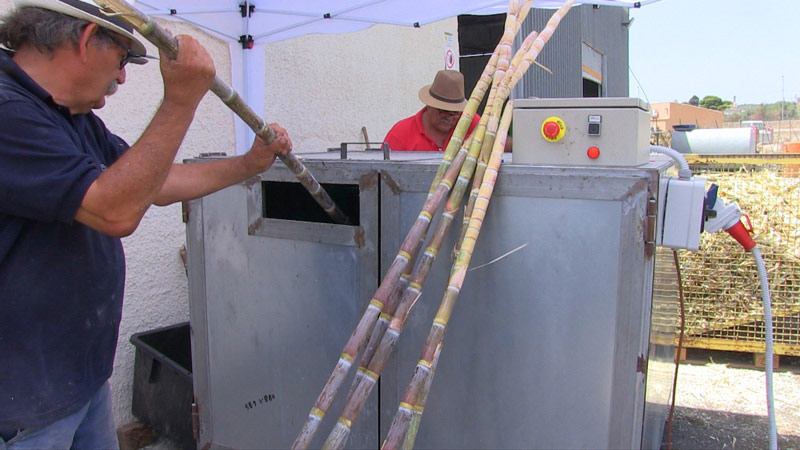
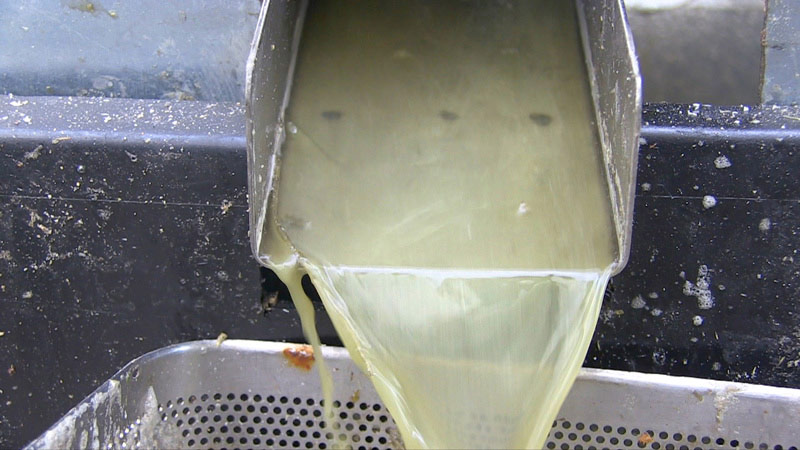
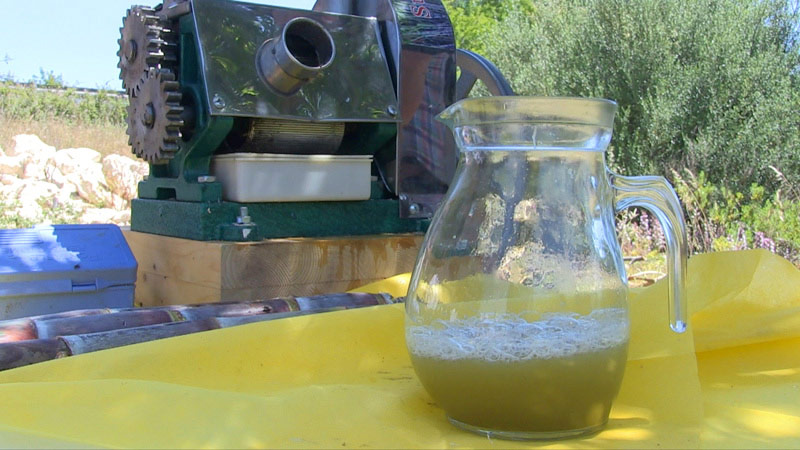
Spirit Academy has the privilege of exclusively presenting this project, in which it believes so strongly that it has taken the decision to sell these rums without any margin on the sale. The price of these bottles encapsulates 10 years of work and helps to keep the project alive, based on Corrado's dream of bringing cane, and therefore rum, back to Sicily.

Distillates have different alcoholpercentages. So, we have defined a parameter allowing you to better understand and compare different prices. This parameter is calculated by dividing the bottle price by the alcohol content. The alcohol content (or strength) is the amount of pure alcohol (ethanol) contained in the distillate.
This parameter indicates the price of a single 4cl dosage of distillate. It is calculated by dividing the price of the bottle by its quantity (expressed in cl), then multiplying by the centilitres of the recommended single dose, as average in cocktail recipes.