Ti potrebbe interessare anche…






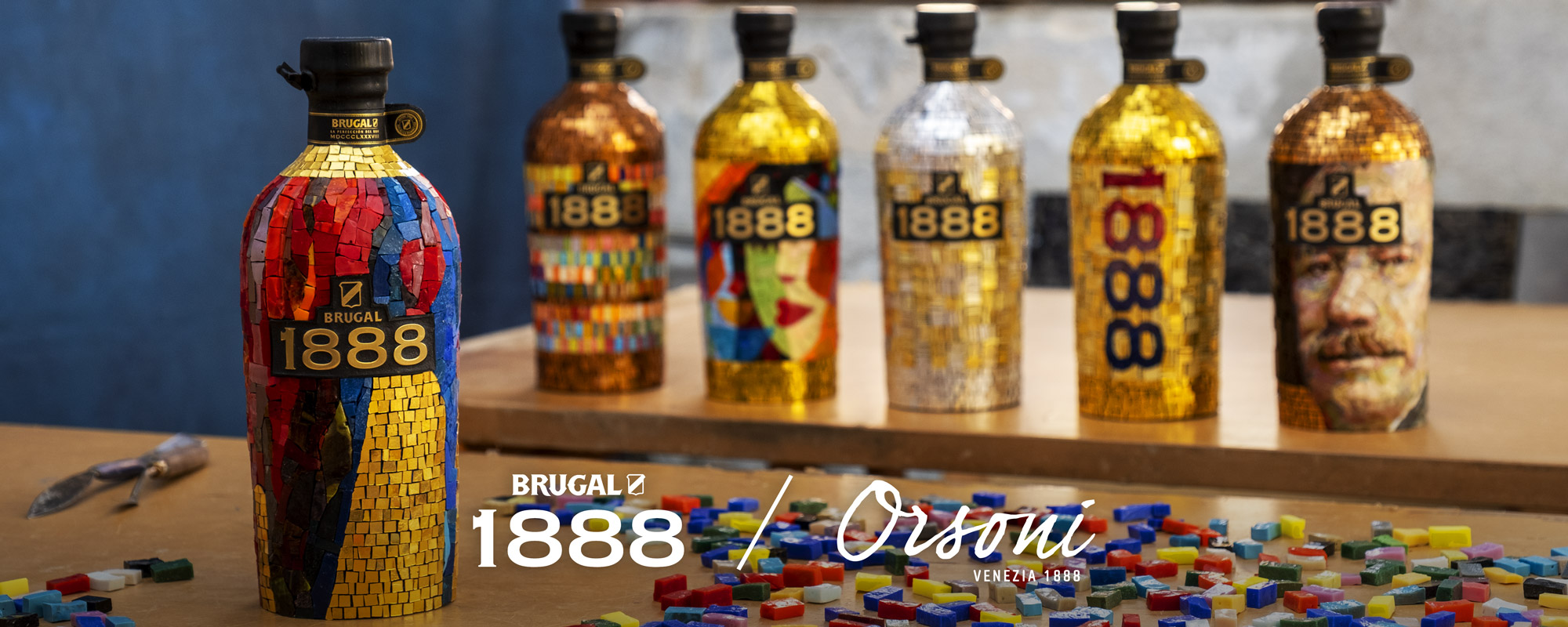
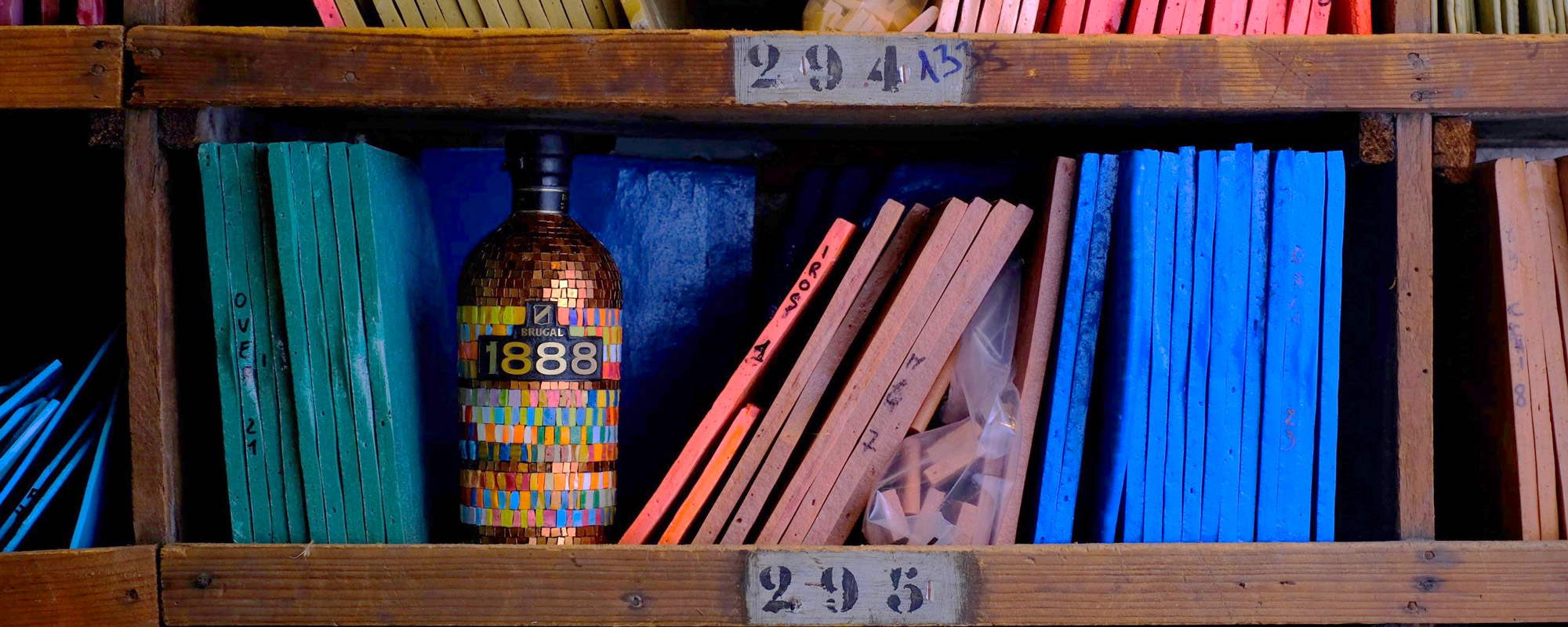
A meeting marked by a date, 1888, which saw the birth of both brands.
It was in factin 1888 that Don Andrés Brugal founded Brugal, driven by a passion for the art of Dominican rum production, handed down through five generations and carefully perfected over time. For 135 years, the Brugal family has been writing the history of rum with a welcoming and pioneering spirit, on a journey culminating in the creation of an extraordinary blend, Brugal 1888: a natural and fine double-aged rum, elegant, complex and aromatic.
And again in 1888 in Venice, over 8,000 kilometres away from the Dominican Republic, Angelo Orsoni started his own mosaic art workshop, perfecting the centuries-old mosaic techniques that over time have made Orsoni one of the most prestigious in the industry. This is the city's last historic kiln, which for four generations has been handcrafting coloured enamels and 24K gold leaf mosaics and which today, under the leadership of Lucio Orsoni, great-grandson of the founder, collaborates on some of the world's best-known architectural and artistic projects.
Brugal's unmistakable bottles become a veritable canvas for Orsoni's hand-cut tiles, which create brilliant reflections of light thanks to an age-old production process that combines glass, colour and 24K gold leaf in a continuous interplay between the gradations of gold and the amber tones of rum.
The 18 unique pieces in this collection feature four different themes that aim to celebrate the pivotal moments and shared values that characterise these two historic brands.
Brave Beginnings; Mastery of Craft; Welcoming Family; Lasting Legacy: these are the chapters through which the journey of the two founders is recounted, from their beginnings to reaching the highest levels in their respective arts.
Orsoni's artists travelled all the way to the Dominican Republic to discover Brugal's production process, drawing inspiration from it to bring each bottle to life. This is how Orsoni's mosaics manage to represent the history of five generations of Maestros Roneros, reviving it in the iconic Brugal 1888 bottle.
Distillates have different alcoholpercentages. So, we have defined a parameter allowing you to better understand and compare different prices. This parameter is calculated by dividing the bottle price by the alcohol content. The alcohol content (or strength) is the amount of pure alcohol (ethanol) contained in the distillate.
This parameter indicates the price of a single 4cl dosage of distillate. It is calculated by dividing the price of the bottle by its quantity (expressed in cl), then multiplying by the centilitres of the recommended single dose, as average in cocktail recipes.