Ti potrebbe interessare anche…








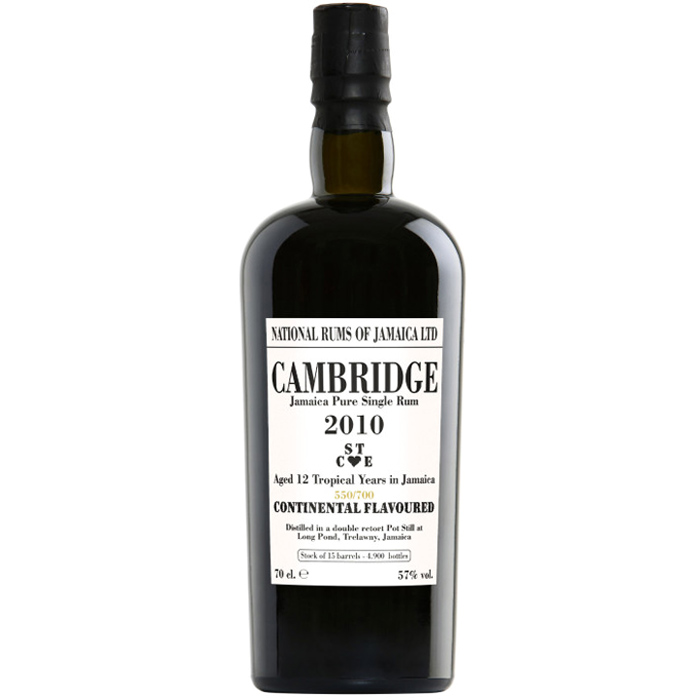
Long Pond 2010 STCE Small Batch
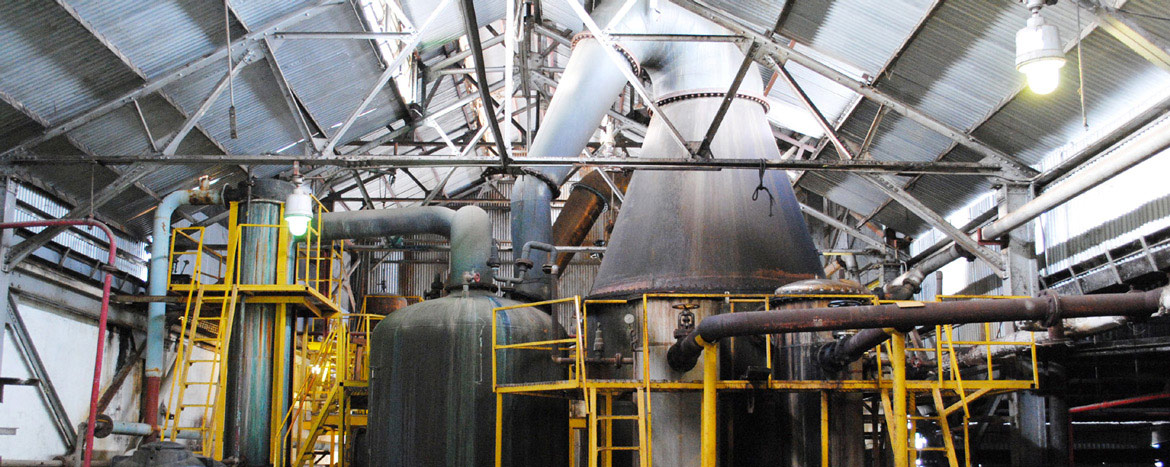
This release is an authentic Pure Single Rum produced from a blend of 15 barrels distilled in 2010 and aged in Jamaica in an entirely tropical climate. Like all Long Pond rums, it preserves the tradition of the most authentic spirits from Trelawny, an area of great biodiversity that historically represents the grand cru of Jamaican rum. Distillation takes place in double retort Pot Still.
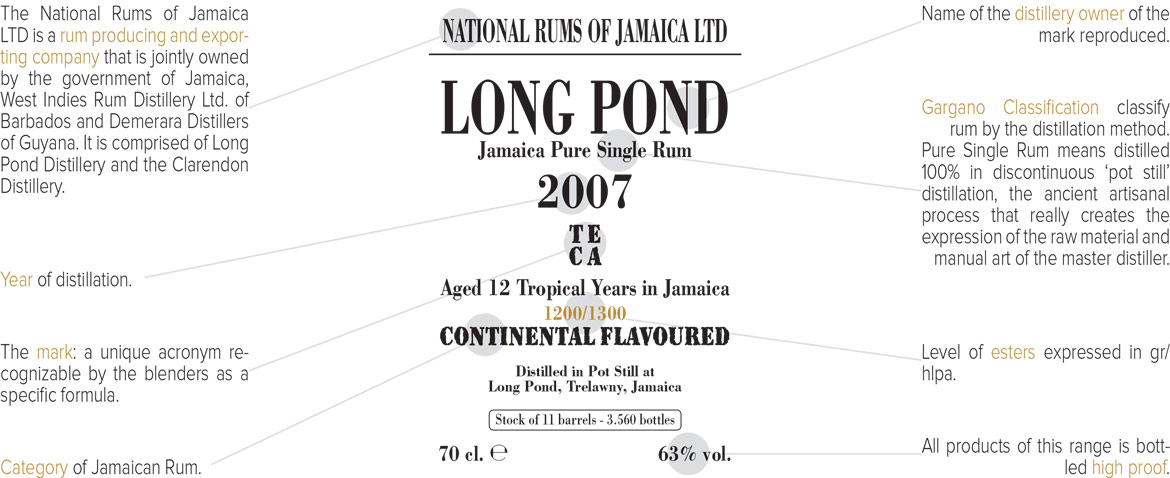
STC ❤ E is a mark of the Cambridge Estate distillery, closed in 1947, reproduced by Long Pond. The Continental Flavoured style is one of four classifications used in Jamaica, and identifies rums with 700/1600 g/hlpa of esters at the time of distillation. This mark specifically refers to rums between 550/700 gr/hlpa. The angel share is > 55%. Esters are 853 gr/hlpa; congeners are 2,184.6 gr/hlpa.
THE LABEL IN DETAIL
NATIONAL RUMS OF JAMAICA LTD
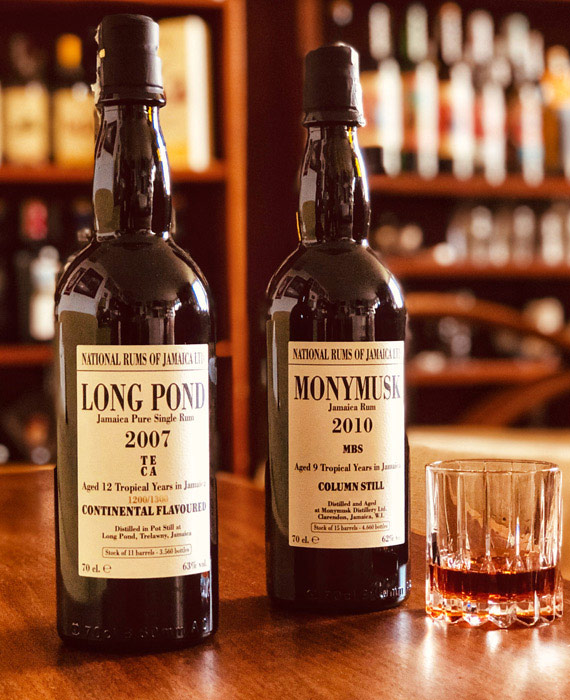
National Rums of Jamaica Ltd is a rum producing and exporting company jointly owned by the Jamaican Government, West Indies Rum Distillery Ltd. of Barbados and Demerara Distillers of Guyana, and includes the Long Pond distillery and the Clarendon distillery. All releases are aged at the distillery so are in fact official bottlings.
Through the releases in the National Rums of Jamaica range you can learn about the hidden history of Jamaican rums. The first releases were launched in 2018 and were four old brands produced by Long Pond Distillery. The second releases, launched in 2019 are two brands, one from Long Pond, one from Clarendon Distillery.
Since the 17th century, Jamaican rum has been distinguished by its heavy and powerful style. In the parish of Trelawny there are a number of distilleries still in existence that keep this tradition alive. This style is achieved by a long, slow spontaneous fermentation in wooden vats, using molasses combined with other raw materials that raise the level of congeners.
This is often accompanied by the addition of dunder (residual part of the distillation often accompanied by the addition of dunder (residual distillation residue left in the still), fresh cane juice and vinegar juice. All Jamaican rums are divided into four categories according to the level of esters:
- Common Cleans (80-150 gr/hlpa of esters)
- Plummers (150-200 g/hlpa of esters)
- Wedderburn (200-500 g/hlpa of esters)
- Continental Flavours / High Esters (500-700 g/hlpa esters)