Ti potrebbe interessare anche…








The name refers to the term 'caipira', which means 'peasant', and is explanatory of its popular origins: legend has it that the peasants of Sao Paulo defended themselves against influenza by preparing a tonic made from cachaça, lime, sugar and honey.
The history of the Caipirinha, however, has even more remote origins: in the 16th century, along with the rest of the fruit, lime was distributed by Portuguese colonists as a daily ration to slaves, who mixed it with garapa azeda - cane wine - and drank it on feast days.
When cachaça began to be distilled, it immediately became a coveted bargaining chip; with the gradual spread of ice in bars around the early 1900s, the modern Caipirinha as we know it today was finally born, with three codified ingredients: cachaça, lime, cane sugar.
Tips
There is also another Brazilian saying, which goes: A pior cachaça faz a melhor Caipirinha - the worst cachaça makes the best Caipirinha, but we don't agree at all with this idea that the lowest quality industrial cachaça makes the best cocktail. On the contrary, having been able to try the best artisanal cachaça, we can affirm that as always the best raw materials give truly exceptional results.
In order to prepare the perfect Caipirinha, one thing in particular must be remembered: the cane sugar must be white - not to be confused with refined sugar from the beet: we are really talking about processed cane sugar, not raw.
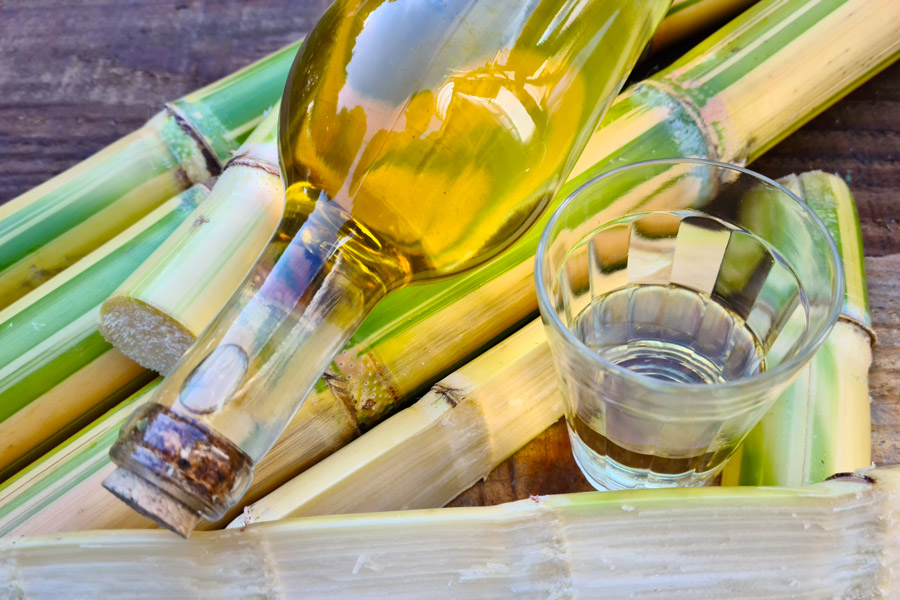
the recipe
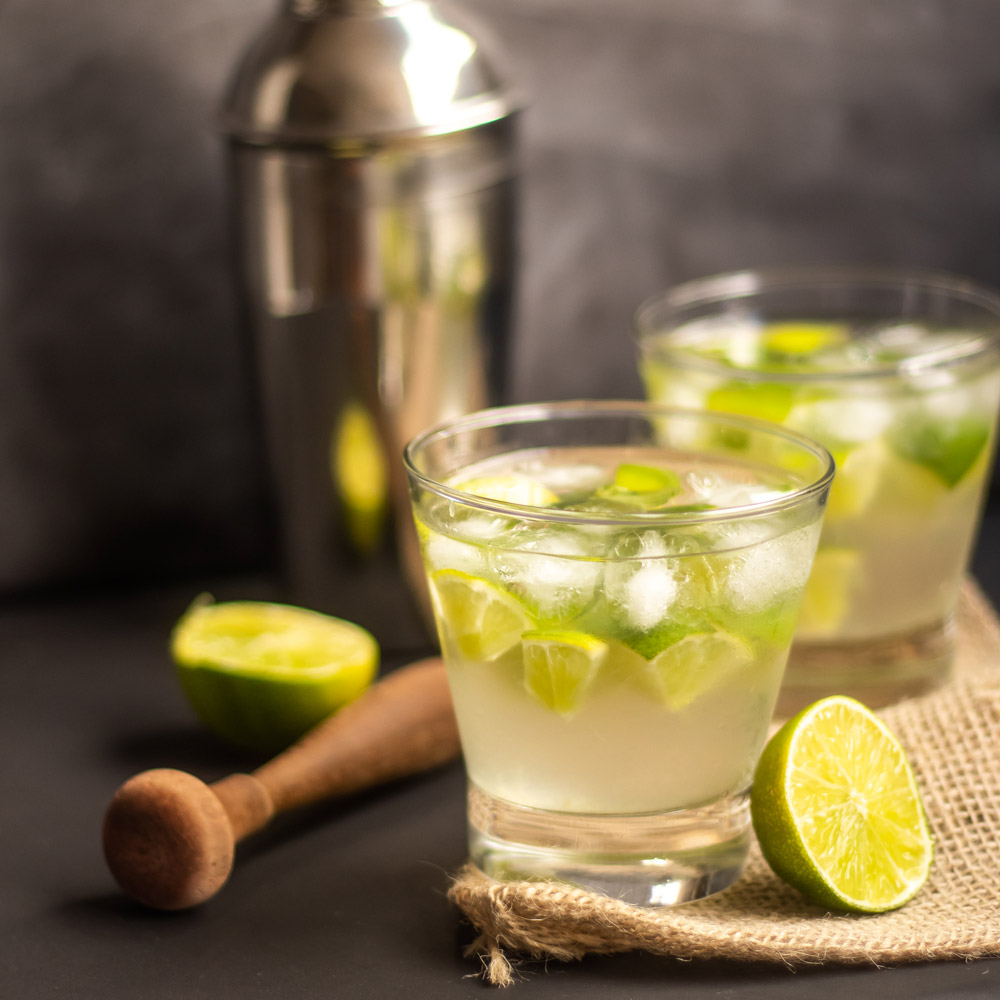
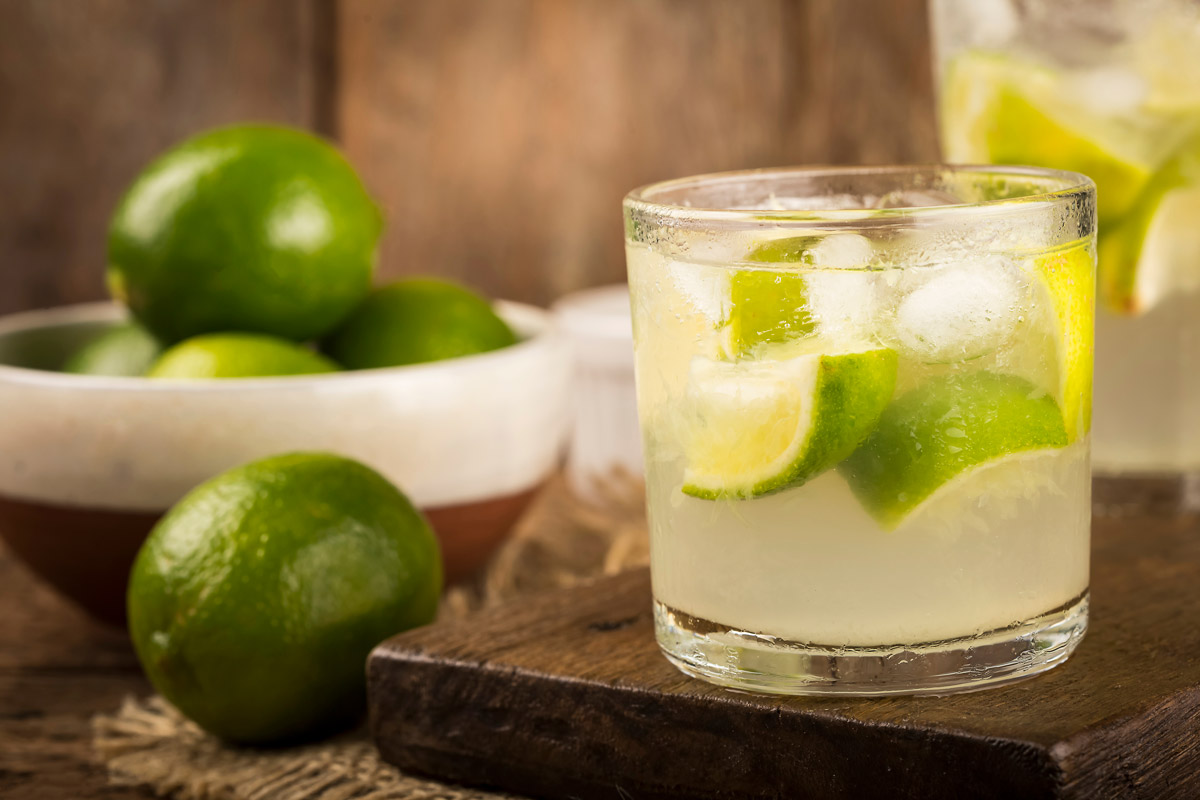
Caipirinha
½ lime cut into small pieces
2 teaspoons white cane sugar
6 cl (2 oz)cachaça
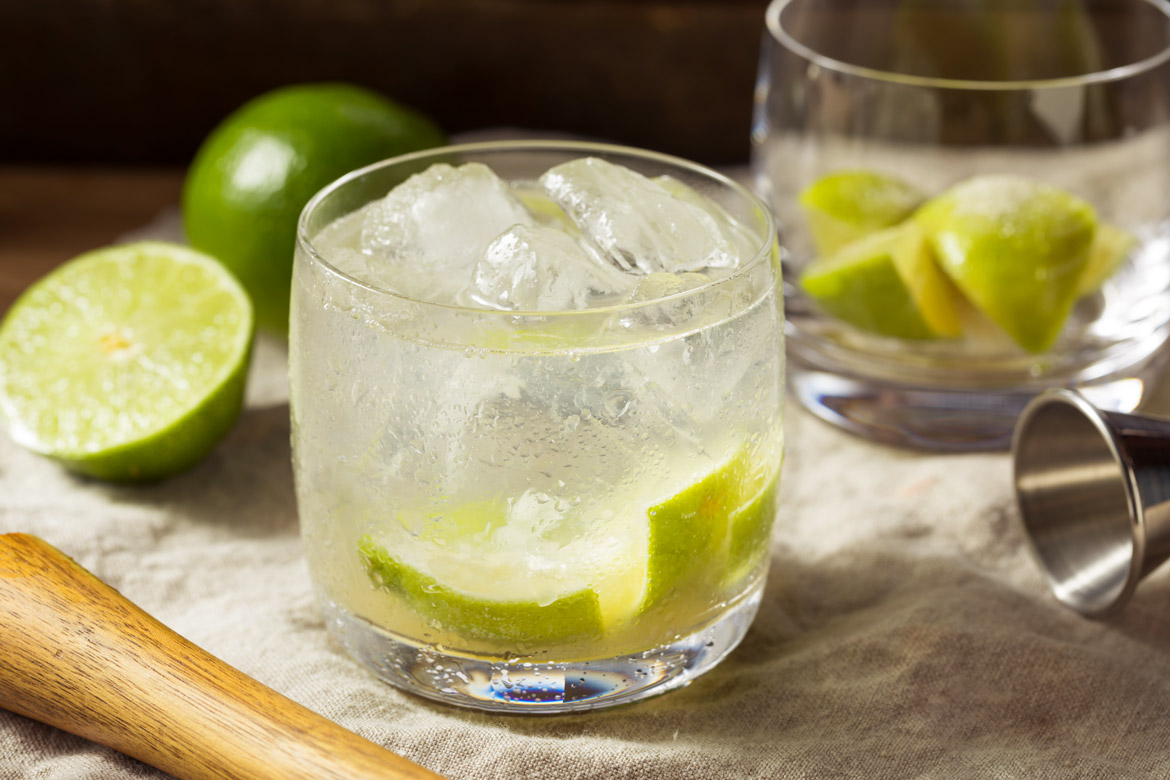
Mash the lime with the sugar to extract the juice and essential oils. Fill an old-fashioned glass with coarsely crushed ice - or even whole - add the cachaça and mix.
cachaça selection