Ti potrebbe interessare anche…










Piña Colada: the pirates' cocktail
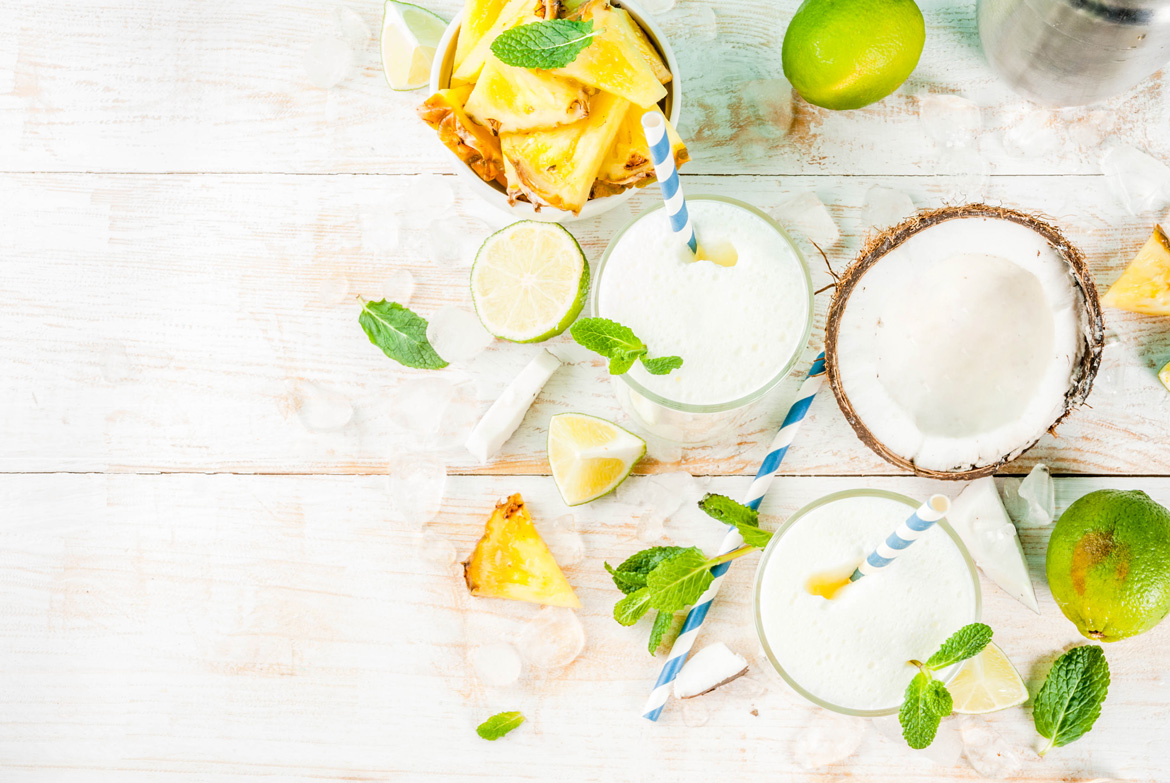
Rum, pineapple juice and coconut cream: these are the three ingredients of this classic cocktail that has always been synonymous with summer. Like many drinks that have become myths, the Piña Colada - which in Spanish literally means 'poured pineapple' - has controversial origins, about which no agreement has ever been reached. The most evocative story dates back to the early 1800s and features Roberto Cofresì, a Puerto Rican pirate who inspired songs, books and films with his legendary aura of the Robin Hood of the Caribbean; he is said to have created the first Piña Colada, a mixture of white rum and pineapple to boost the morale of his crew. The original recipe, however, was lost after Cofresì's capture and death in 1825.
A more reliable version sets the date of birth of the Piña Colada at 15 August 1954, when Ramòn 'Monchito' Marrero, of the Beachcombe bar at the Hilton Caribe in San Juan, was commissioned to devise a drink for the refined palates of his customers - apparently taking three months of rehearsals.
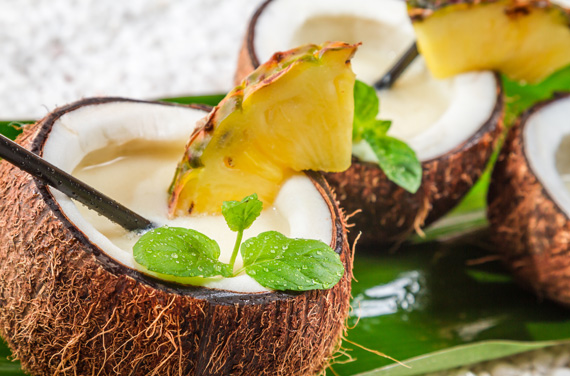
The Piña Colada was not an immediate success, quite the contrary. Although it experienced a certain celebrity starting in 1978 due to the song 'Escape' by Rupert Holmes, which sang in the refrain: Yes, I like Piña Coladas / And gettin' caught in the rain, it also received some harsh criticism, for instance from writer Wayne Curtis, who claimed that this kind of drink flattened any kind of rum.
Even Toby Cecchini, bartender and owner of the Brooklyn Long Island Bar, was not very tender with some 1970s drifts of this cocktail served 'in a 40-ounce cup'. A short while ago, however, Cecchini himself began serving the Piña Colada in a coupette instead of the traditional glass, receiving many compliments and requests that convinced him of the need to rethink this drink more carefully.
Tips & Tricks
The Piña Colada is undoubtedly among the most underrated cocktails in history, and it carries a bad reputation, often due to the poor quality of its ingredients. To begin with, therefore, one must bear in mind the absolute importance of raw materials: never use fruit juices, tinned pineapple, coconut liqueurs or flavoured syrups.
Pineapple should be used fresh, ideally imported by air. You can use the juice by extracting it from an extractor for a much more intense flavour or, if you prefer, the pineapple can be placed in pieces in the blender with the other ingredients.
Depending on the acidity of the pineapple, you can decide whether to add lime juice or sugar to the cocktail to balance.
OUR PRODUCTS