Ti potrebbe interessare anche…







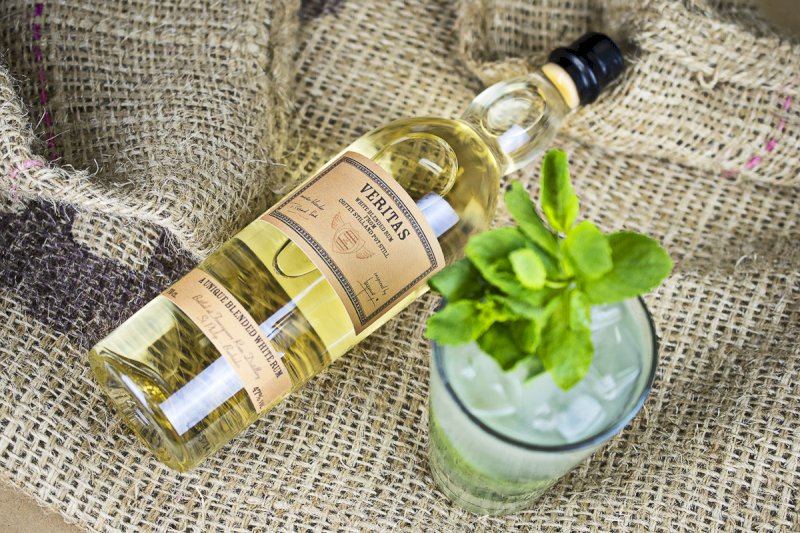
Veritas White Blended Rum: the white rum by Foursquare
Inspired by Luca Gargano, Veritas was created to give a white rum to bartenders who want to use a, elegant and full of flavour. An alternative to light rums made from neutral spirits disguised as super premium rums and rums adulterated with additives and sweeteners.
Veritas is a blend of three rums from two of the Caribbean's most renowned distilleries: using traditional distillation methods, it is composed of an unaged rum and a two-year-old Pot Still rum from Foursquare, together with another unaged rum from Hampden Estate.
The true expression of two leading distillers with more than 400 years of experience.
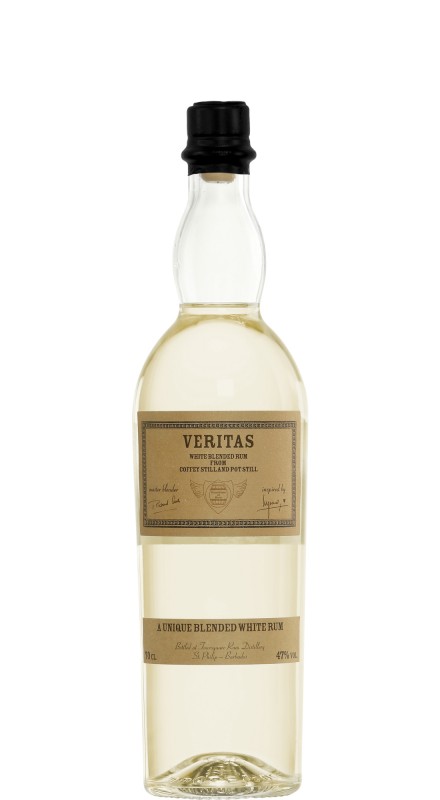

Veritas White Blended Rum
70cl / 47°

Try it in a cocktail


Piña Colada: the pirates' cocktail
Rum, pineapple juice and coconut cream: these are the three ingredients of this classic cocktail that has always been synonymous with summer. Like many drinks that have become myths, the Piña Colada -...
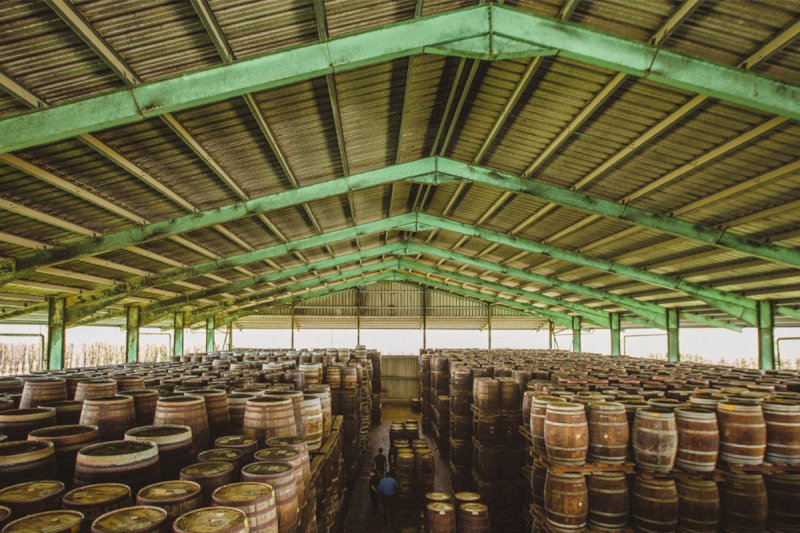
Foursquare: the best distillery in the world
Despite being one of the youngest distilleries in the Caribbean, Foursquare has already come a long way. The Seale family, so important to the history of rum in Barbados over the last hundred years, began...

Daiquirì, Caribbean vibes
The date of birth of this iconic cocktail is uncertain, but it's almost certain that it wasn't born as we know it today, shaken in a shaker and served in a bowl. Mining engineer Jenning Cox proposed it in...
Mojito: the most drank cocktail in the world
Just the name is enough to transport us to Cuba, perhaps at a table in the Bodeguita del Medio, dreaming of Hemingway and his era. With its fresh taste, the Mojito is indeed one of the most popular drinks...

The complete guide to Rum
Discovered by the West following on from the Spanish, French and English conquests of the Indies, rum was originally a slave and seafarer drink. Used as bait by pirates in their attempts to get the...