Ti potrebbe interessare anche…


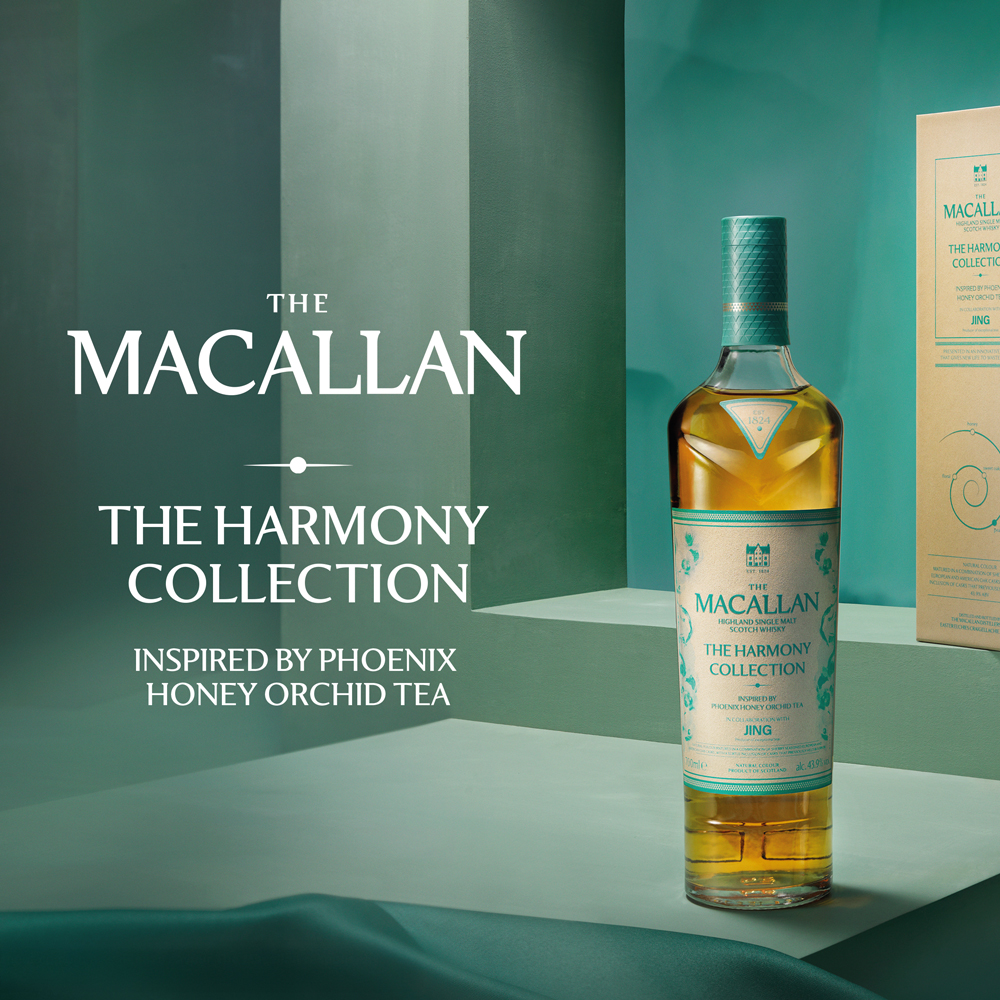
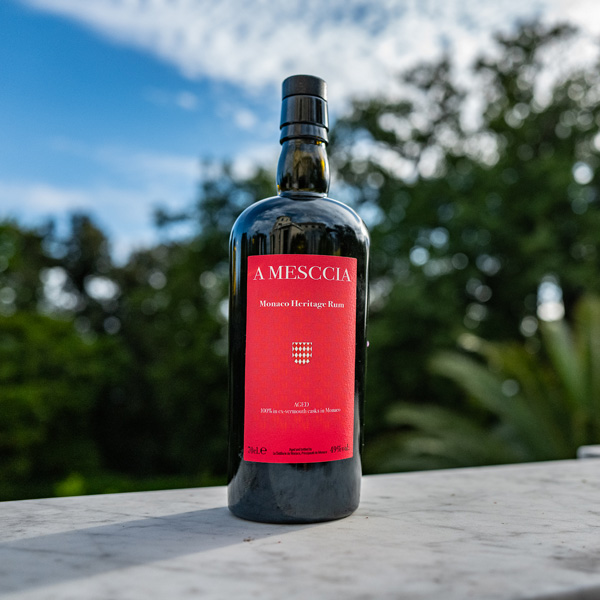
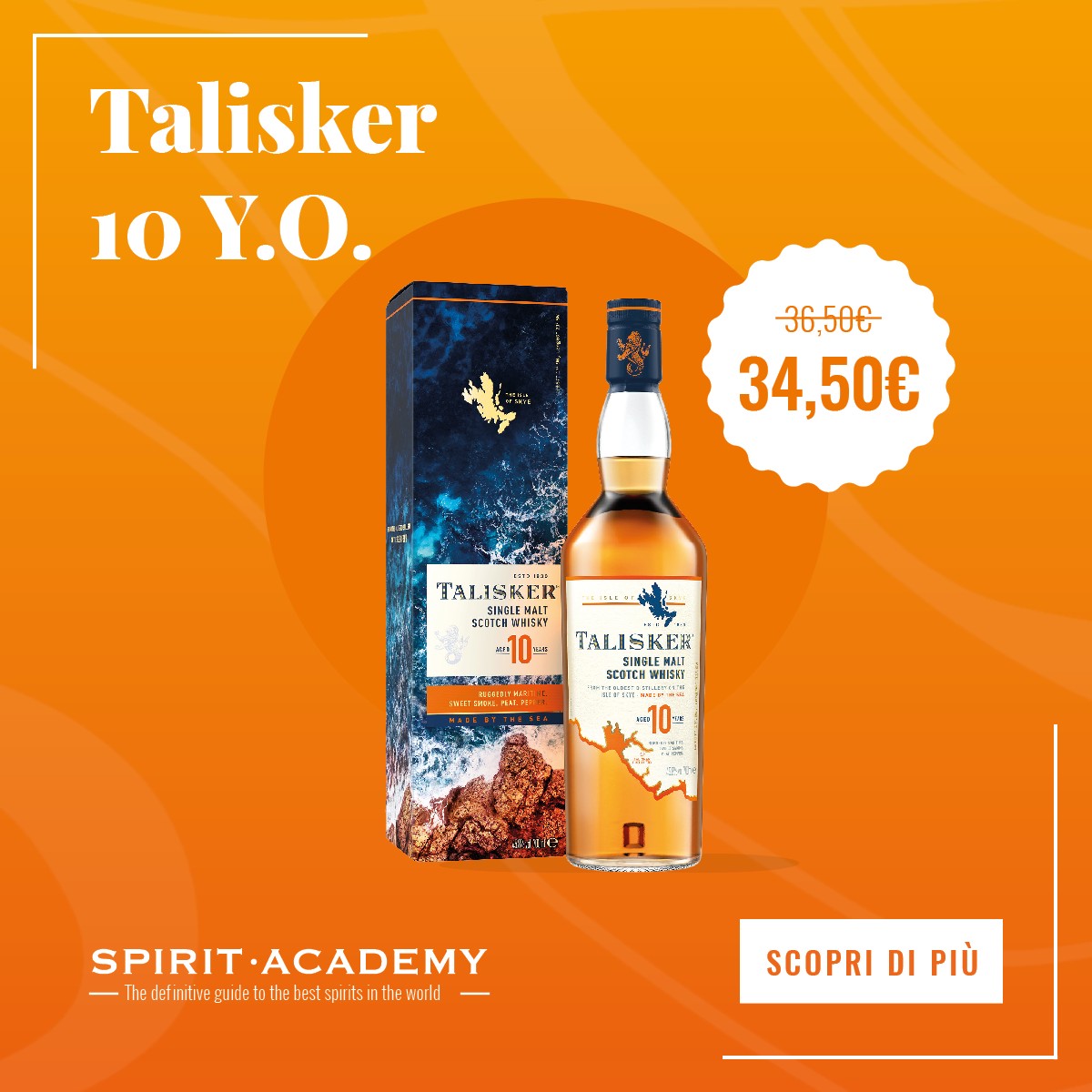

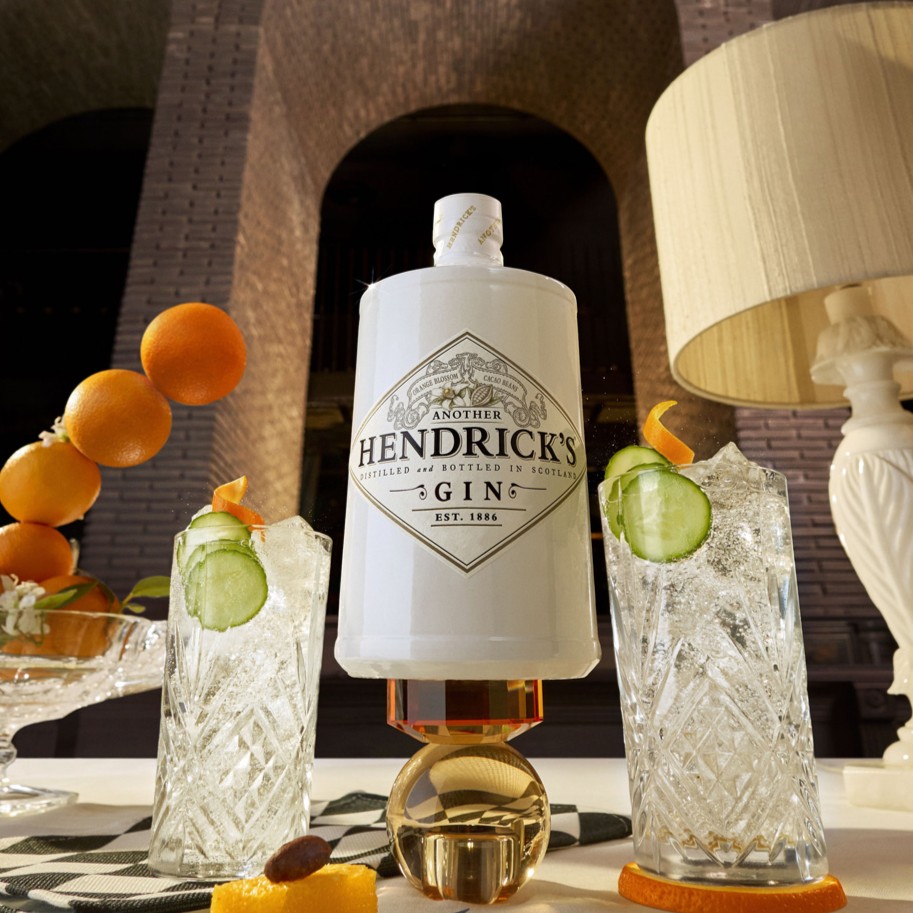



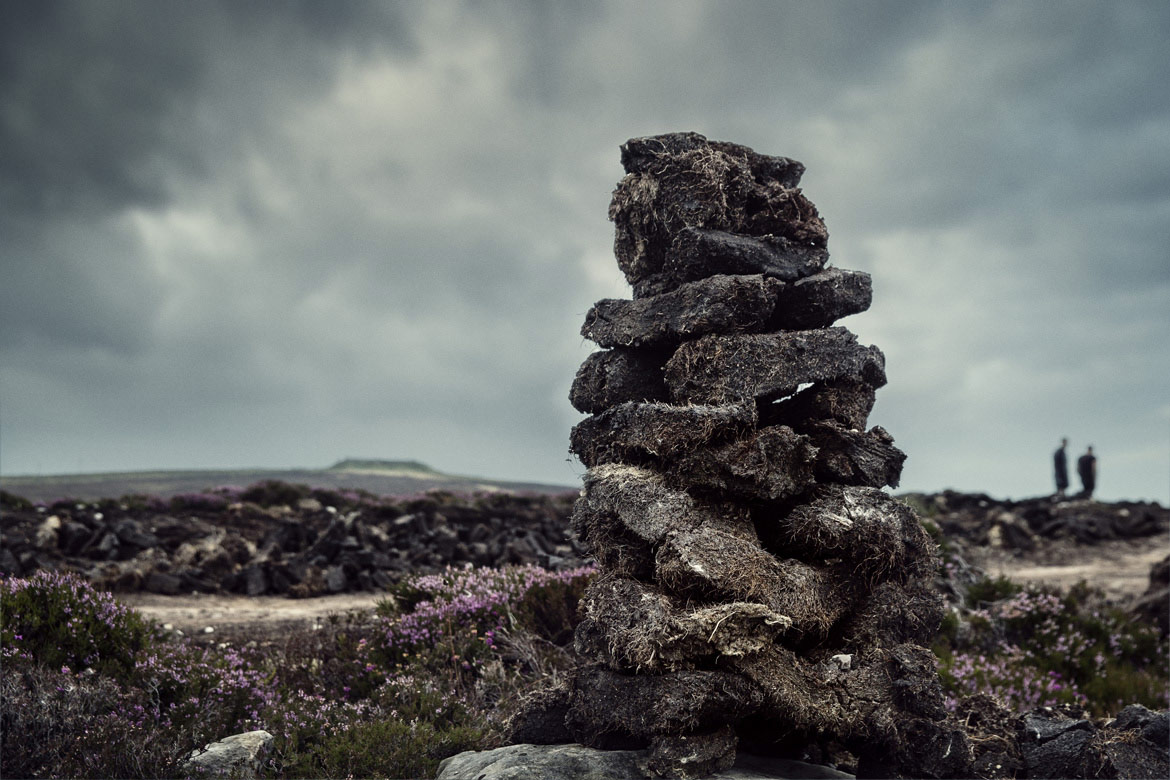
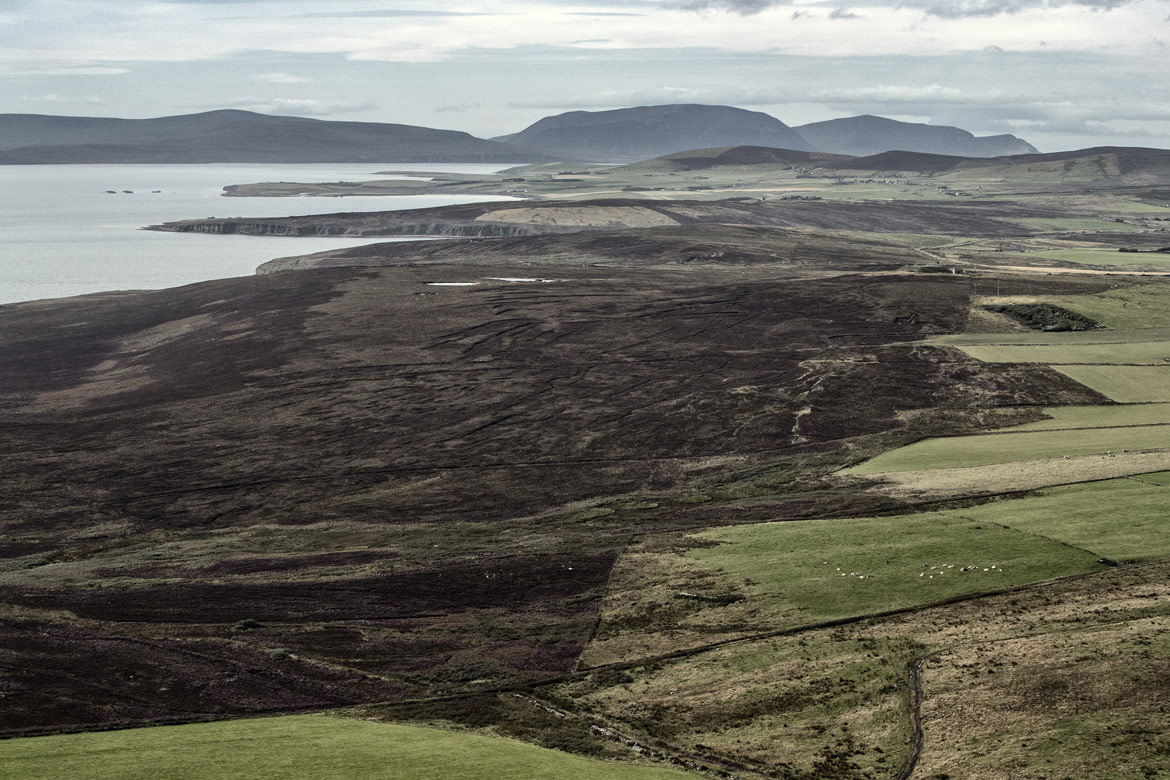


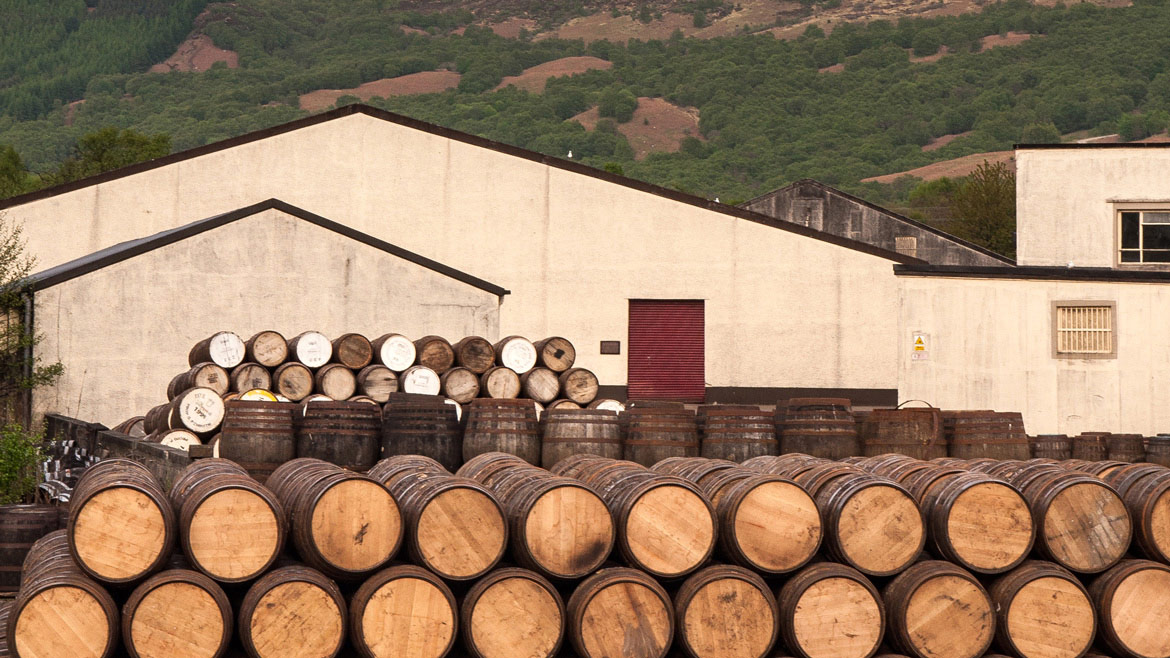

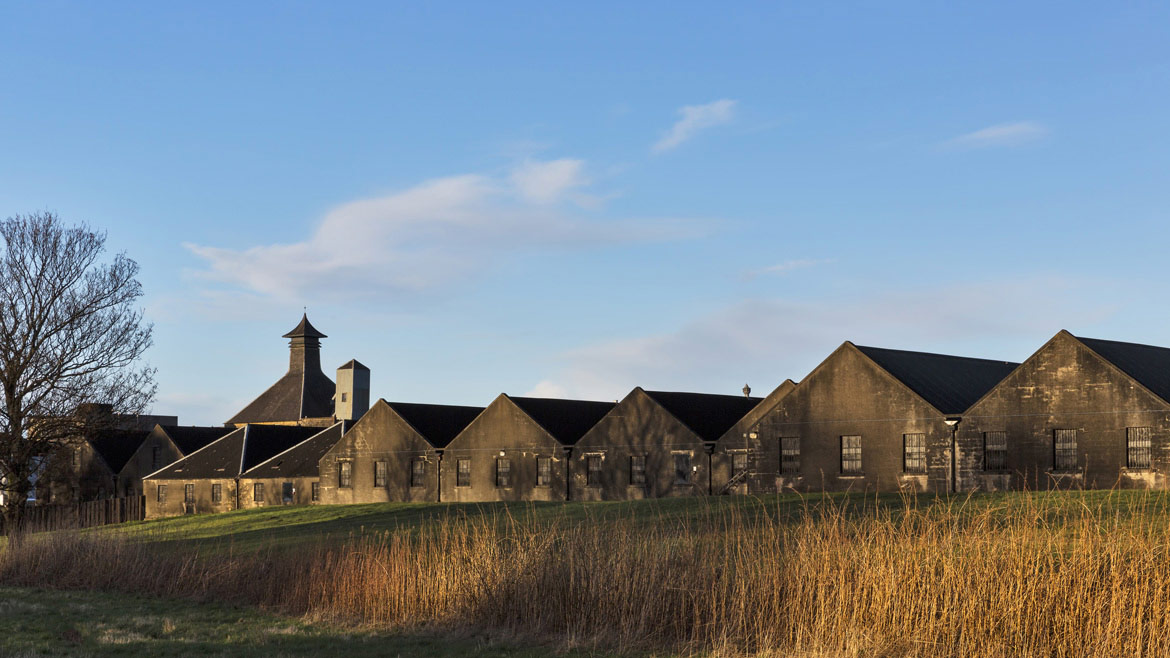


Peat whisky offers great emotions, unmistakable flavours and smells that enrapture us and that, when combined with the scents given by oak wood, create new horizons of taste. But what is peat and where does it come from? We are talking about a fossilised substance formed from aquatic plant remains that is thousands of years old!
In many countries, peat bogs were once used to extract sod which, in the absence of trees, was the main fuel for heating and cooking... as well as making whisky! The peat comes into play during malting, when it is necessary to stop the germination of the barley grain by drying it out. If this operation is done with hot peat smoke, our whisky will invariably have that typical smoky and earthy streak.
It can be said that when distilleries were first established in the early 1800s, all whiskies were peated, not only in Scotland but also in Ireland. Over the years, other methods of malting barley have become established and today we can say that peated whiskies represent a small quantity compared to overall production. Few but good…
Whiskey originated in Scotland and Ireland, countries where peat is abundant. However, Irish whiskey has gradually moved away from this element, making cleanliness and freshness the hallmark of its domestic production. In Scotland, on the other hand, this style has gradually been concentrated in certain parts of the country. Today, of the more than 130 active distilleries, only about 20 proudly display a peat soul.
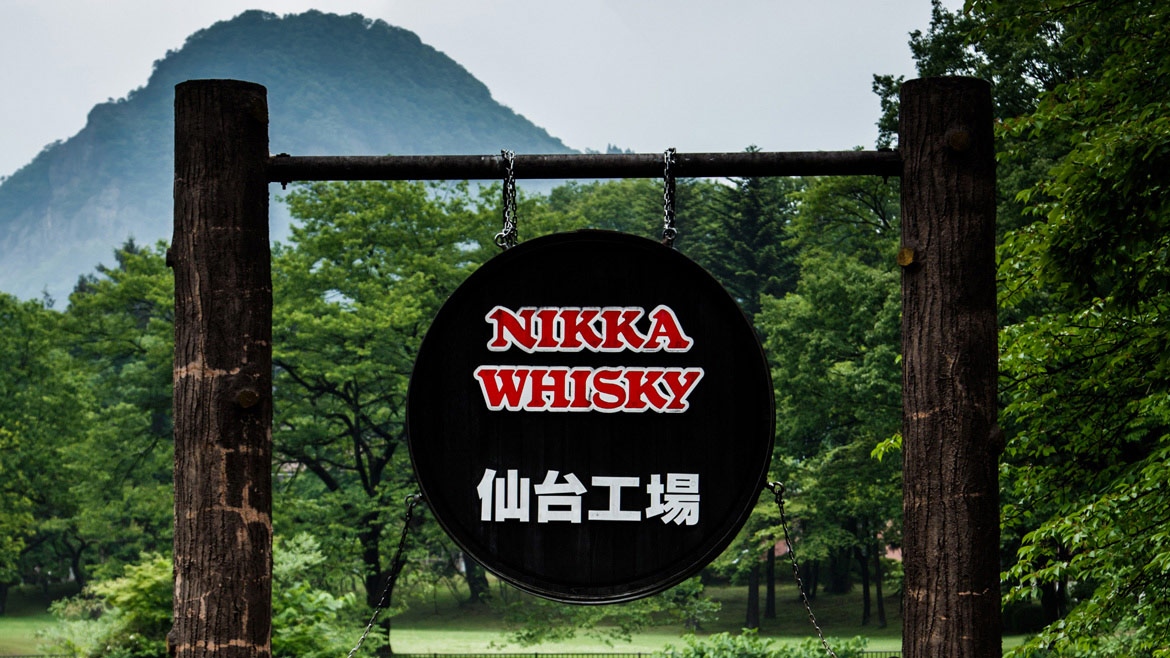
Among the other countries where whisky has historically been produced, in the United States and Canada, apart from a few isolated experiments, peat has never been used. On the other hand, in Japan, where some areas of the country are reminiscent of the Scottish climate and where there are peat bogs, some great peat whiskies are produced. One example is the Single Malts of the Yoichi distillery, the flagship of the Nikka Group.
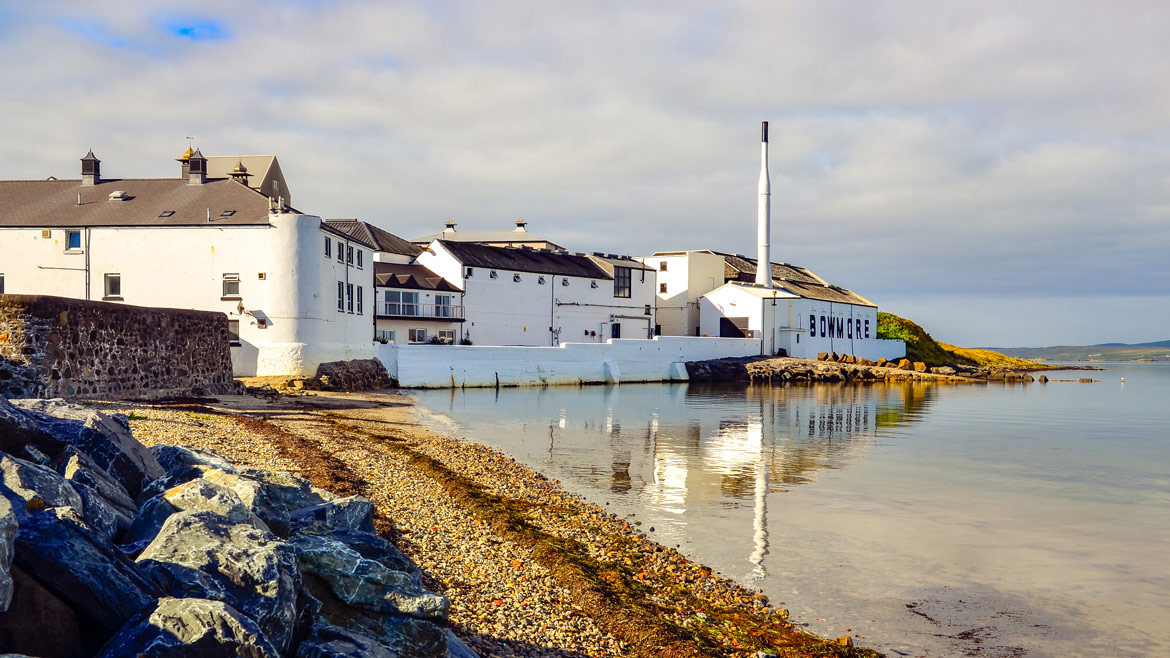
This tiny island in southwest Scotland, part of the Inner Hebrides archipelago, is quite simply the peat whisky capital of the world. A land rich in peat bogs, where the remains of seaweed and other marine debris abound, making the smoke from the peat iodized and medicinal.
Of the nine distilleries active on the island, seven produce almost exclusively peat whiskies and there are some giants such as Bowmore, Lagavulin, Ardbeg and Laphroaig. Alongside these sacred monsters, Kilchoman, a small farm distillery that uses its own barley grown around the distillery, has recently been added: a real blast from the past that takes us back to the days of peasant distillation, perfected however with the refined knowledge accumulated by the Scots in over two hundred years of whisky history.
The Highlands cover most of Scotland from north to south. There aren't many distilleries in comparison to the size of this production area, but the whiskies produced in the Highlands often don't go unnoticed because they have great personality. These edgy spirits fearlessly embrace the sweet, plant-rich peat found in the Highland moors.
The iodine part of Islay whiskies is reduced, the smoke levels are lowered but the result is a truly enchanting earthy minerality. Try the Single Malts from Ardmore, Ballechin, Ben Nevis, Oban, Wolfburn to believe!
In Speyside, a small region in the north of Scotland, there is an incredible concentration of distilleries, around a third of all the stills in the country. The style of Speyside whiskies is smooth, with fruity and floral notes mingling with malty hints of biscuits and bread. In short, peat is not at home here, but the great commercial success of this type of whisky, which has been growing over the last twenty years together with the interest in Single Malts, has convinced many distilleries to go outside the box, often with limited editions that romantically evoke those production processes that were once customary in Speyside.
Balvenie, one of the few distilleries to still have a traditional malting kiln inside, feeds it with peat for one week a year; there are many peat whiskies at BenRiach and even the unsuspected Glenfiddich and Glenrothes have launched special bottlings that are well worth tasting.
Whisky is now made in many parts of the world. Japan certainly shares the noblest tradition with Scotland and Ireland and it will not be difficult to fall in love with the savoury and masterfully dosed peat of Yoichi or to go crazy over the refined productions of the Chichibu and Akkeshi micro-distilleries. Japan aside, there are now many distilleries around the world that are trying their hand at peated whiskies. In Denmark, Stauning has created Peat, made from Jutland barley malt malted in ovens fuelled by local peat and heather. In India, Amrut's Fusion line experiments with a combination of Scottish peat barley and barley harvested from the foothills of the Himalayas.
Photo 1 & 2 credit: Søren Solkær
Distillates have different alcoholpercentages. So, we have defined a parameter allowing you to better understand and compare different prices. This parameter is calculated by dividing the bottle price by the alcohol content. The alcohol content (or strength) is the amount of pure alcohol (ethanol) contained in the distillate.
This parameter indicates the price of a single 4cl dosage of distillate. It is calculated by dividing the price of the bottle by its quantity (expressed in cl), then multiplying by the centilitres of the recommended single dose, as average in cocktail recipes.


