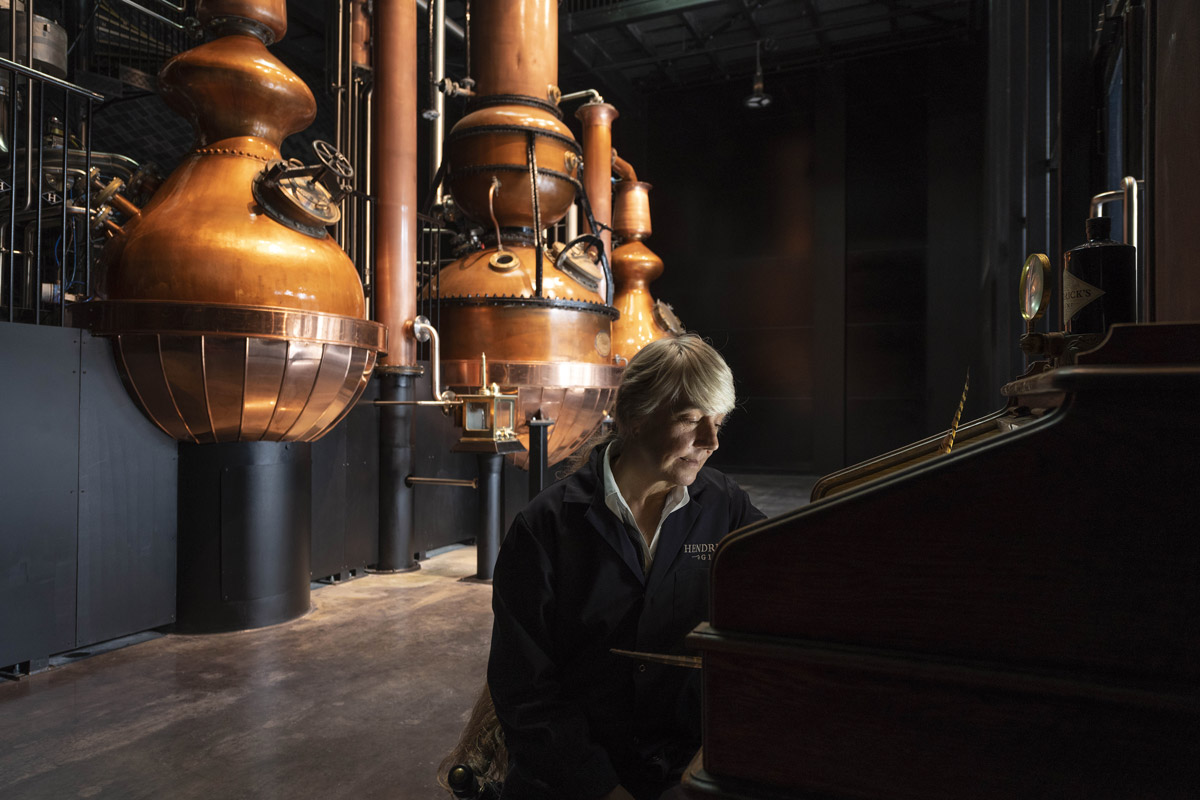
The first is a precious copper Carter Head from 1948, made by John Dore & Co. in a limited series, while the second is a very small pot still from 1860, made by the historic Bennett Sons & Shears and formerly used by the Marshall & Taplow distillery in Stratford.
The winner of the auction is certainly not just anyone, but Charles Gordon, pioneering descendant of the founding family of William Grant & Sons, who revolutionised the world of Single Malt Scotch Whisky. Gordon does not yet have a clear idea of how to use these two stills, but he recognises their excellent quality and will not let the opportunity pass him by.

It was only in 1988, when he met Lesley Gracie, that Gordon had the idea: why not create an unusual gin from the two stills, thanks to one of the most talented Master Distillers? The challenge is set, and Lesley Gracie takes it very seriously: it will take 11 years and countless experiments to arrive at a formula that can meet Charles Gordon's demand.


As ironically noted on the Hendrick's website, this gin has been created since 1999 from a process that is as incredibly inefficient as it is brilliant: in fact, two are created to arrive at a single gin, thanks to the stills purchased by Gordon. The Bennett involves leaving the botanicals in an alcoholic infusion overnight before distillation, and produces a rich and complex gin, while the Carter Head gently steams the botanicals placed in a basket at the top of its long neck, creating a more delicate and refined spirit. A unique blend of 11 botanicals is used for the infusion, some of which are unique to the category: yarrow, coriander, juniper, chamomile, caraway seed, cubebe berries, elderflower, orange peel, lemon peel, angelica root and iris root.
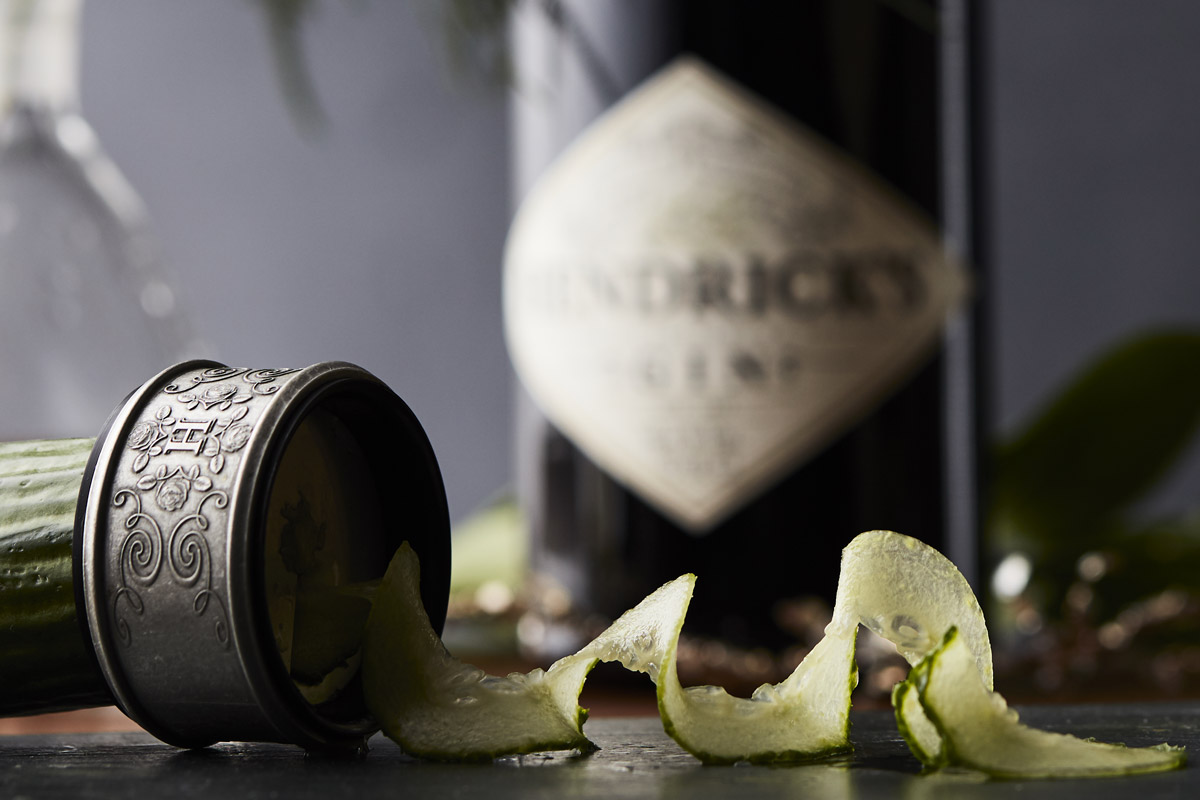
At this point, the gins from the two stills were combined with Lesley Gracie's touch of genius: a curious infusion of rose and cucumber essences, which gave fresh and at the same time incredibly complex aromas to the whole.
At that point a name had to be found for this extraordinary gin: Charles Gordon asked his ninety-nine-year-old mother for advice, who mentioned Hendrick's, the gardener who had tended the family rose garden for years.
Hendrick's is produced in small batches of 500 litres at a time, a testament to the wonderful inefficiency and care with which this gin sees the light of day.

As of 2018, Hendrick's distillery in Girvan in Ayrshire, south west Scotland, has a new facility to cope with the ever-increasing sales, as well as to house the ongoing experimentation of Leslie Gracie, who is always looking for new botanicals and new gin ideas.
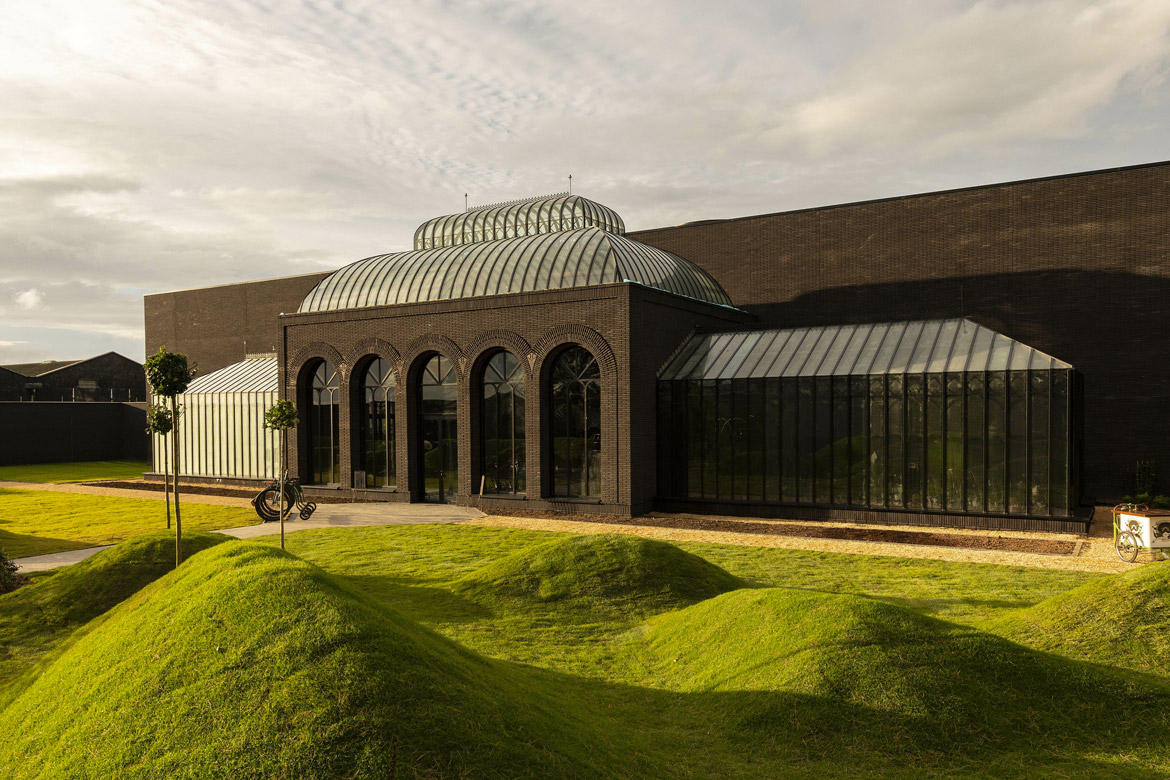
The Gin Palace is a true expansion of Hendrick's, which now uses six stills in total: in addition to the originals, three replicas of the Bennett and one of the Carter Head. In pure Victorian style, it houses two distillation rooms, a laboratory, a flavour library, a theatre, a garden, the gin bar and much more.

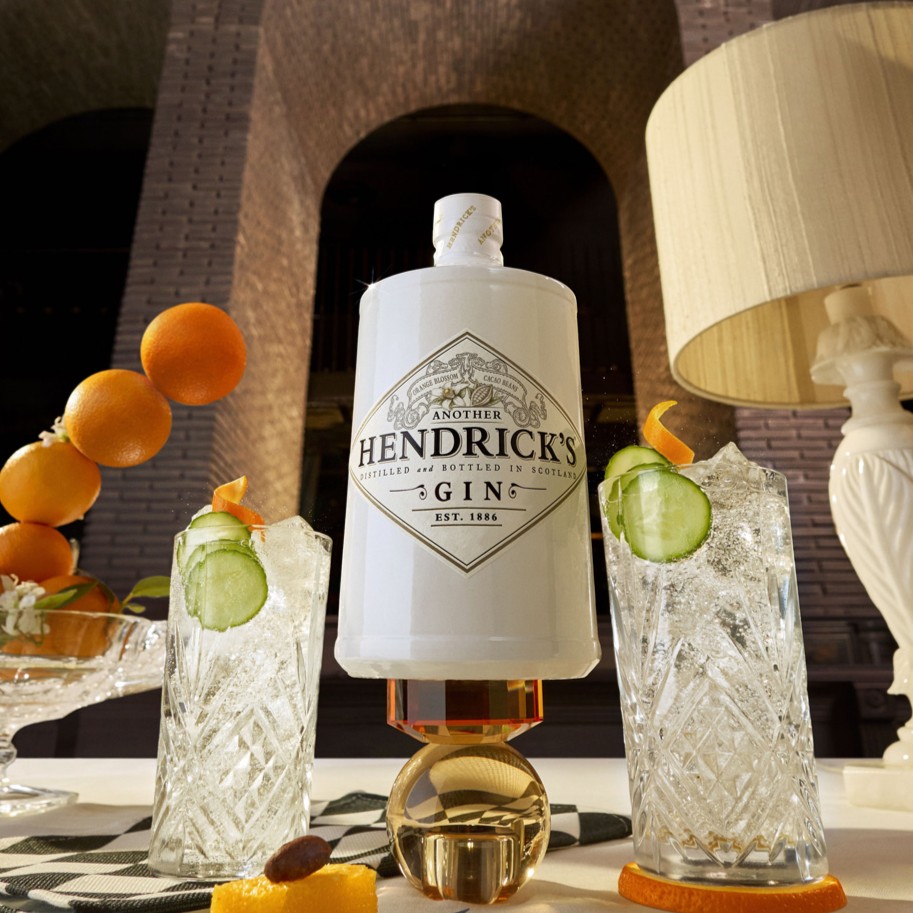
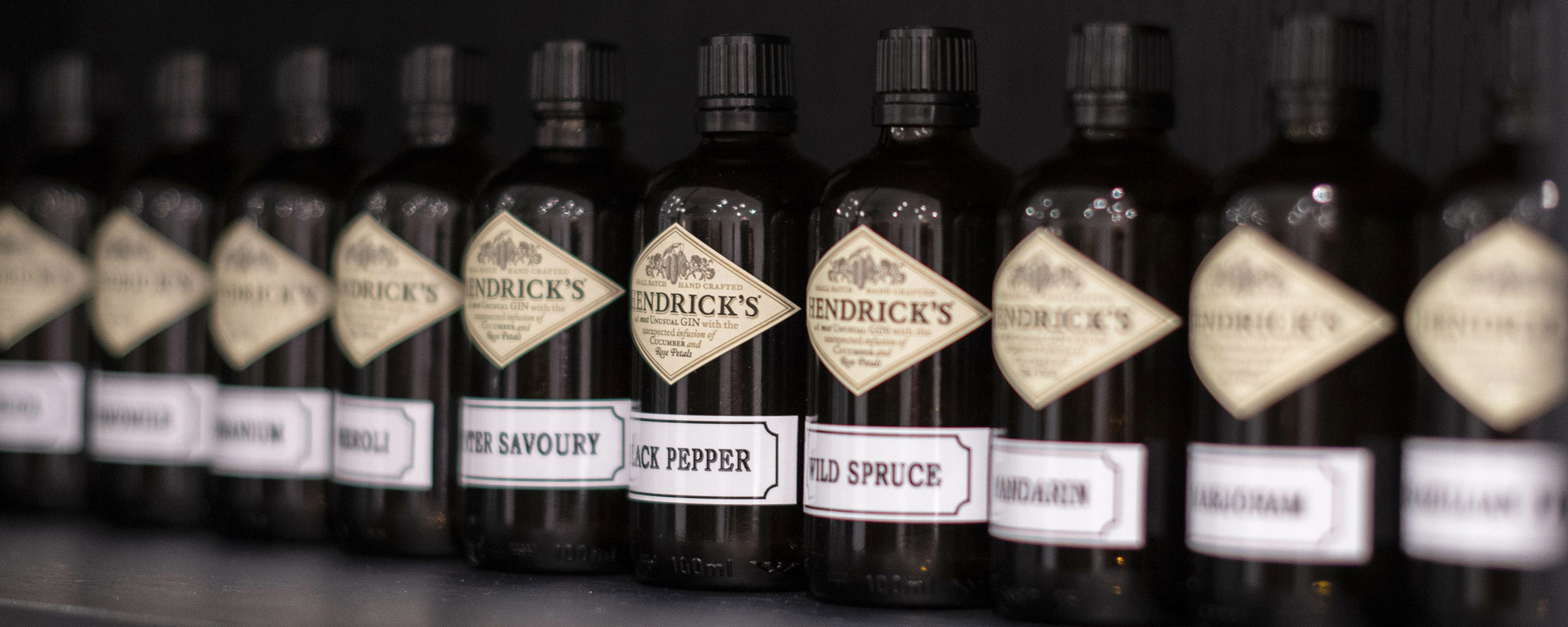
The bottle is inspired by the uses of Victorian apothecaries, who used dark glass to protect from light and better preserve delicate liquids. Even the shape, with the font used for the labels, is reminiscent of apothecaries' containers and evokes an ancient, unusual and highly recognisable style.
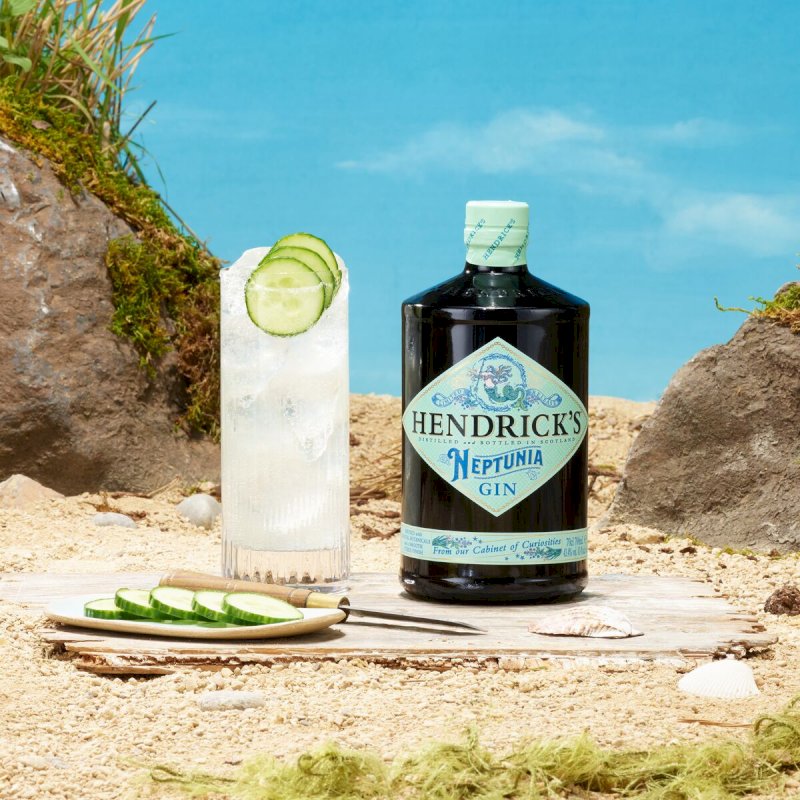
Served iconically with quality tonic water and a slice of cucumber, Hendrick's is unmistakable, and certainly among the best-loved gins in bars around the world.

Distillates have different alcoholpercentages. So, we have defined a parameter allowing you to better understand and compare different prices. This parameter is calculated by dividing the bottle price by the alcohol content. The alcohol content (or strength) is the amount of pure alcohol (ethanol) contained in the distillate.
This parameter indicates the price of a single 4cl dosage of distillate. It is calculated by dividing the price of the bottle by its quantity (expressed in cl), then multiplying by the centilitres of the recommended single dose, as average in cocktail recipes.