Ti potrebbe interessare anche…






Savanna: new in


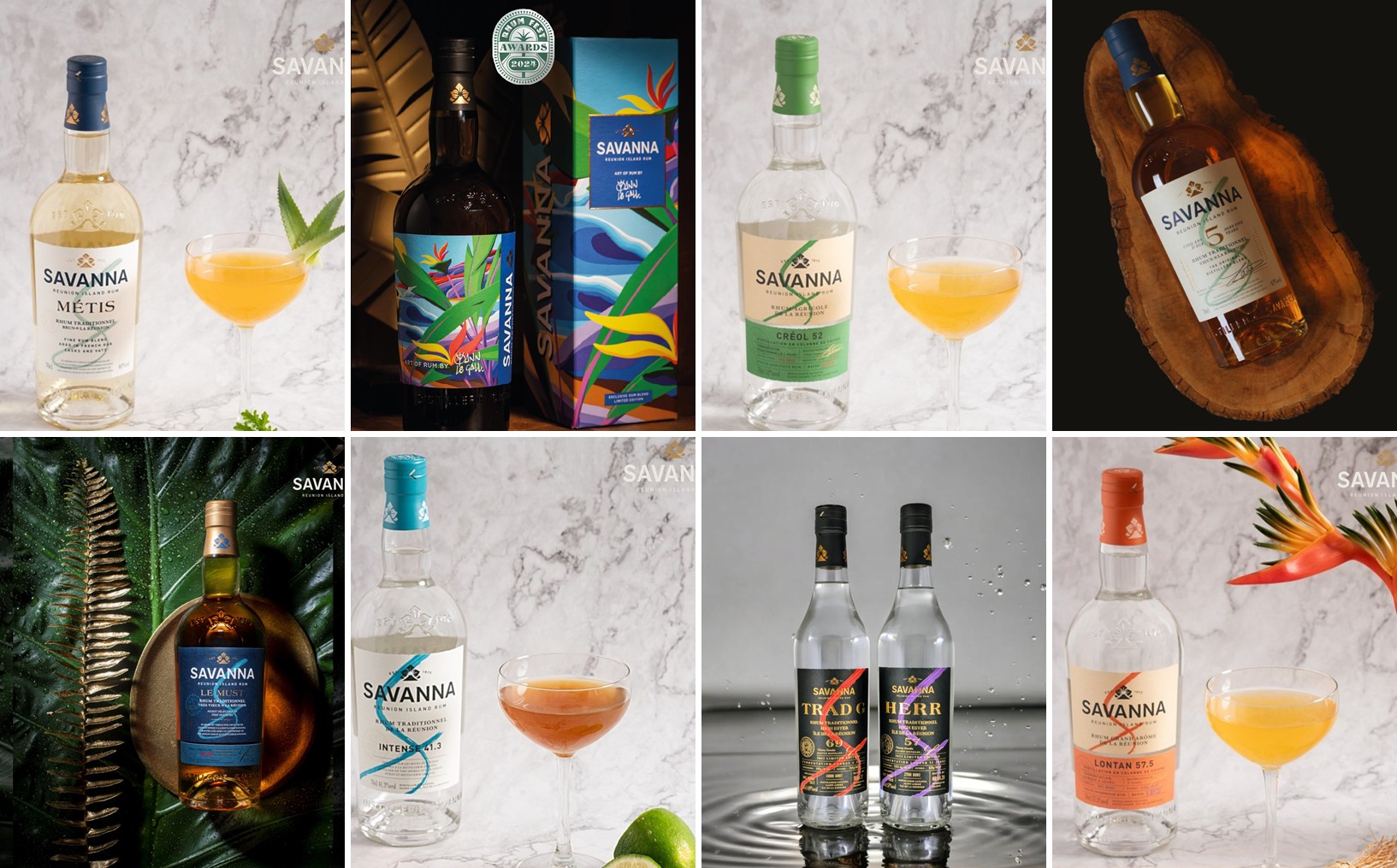
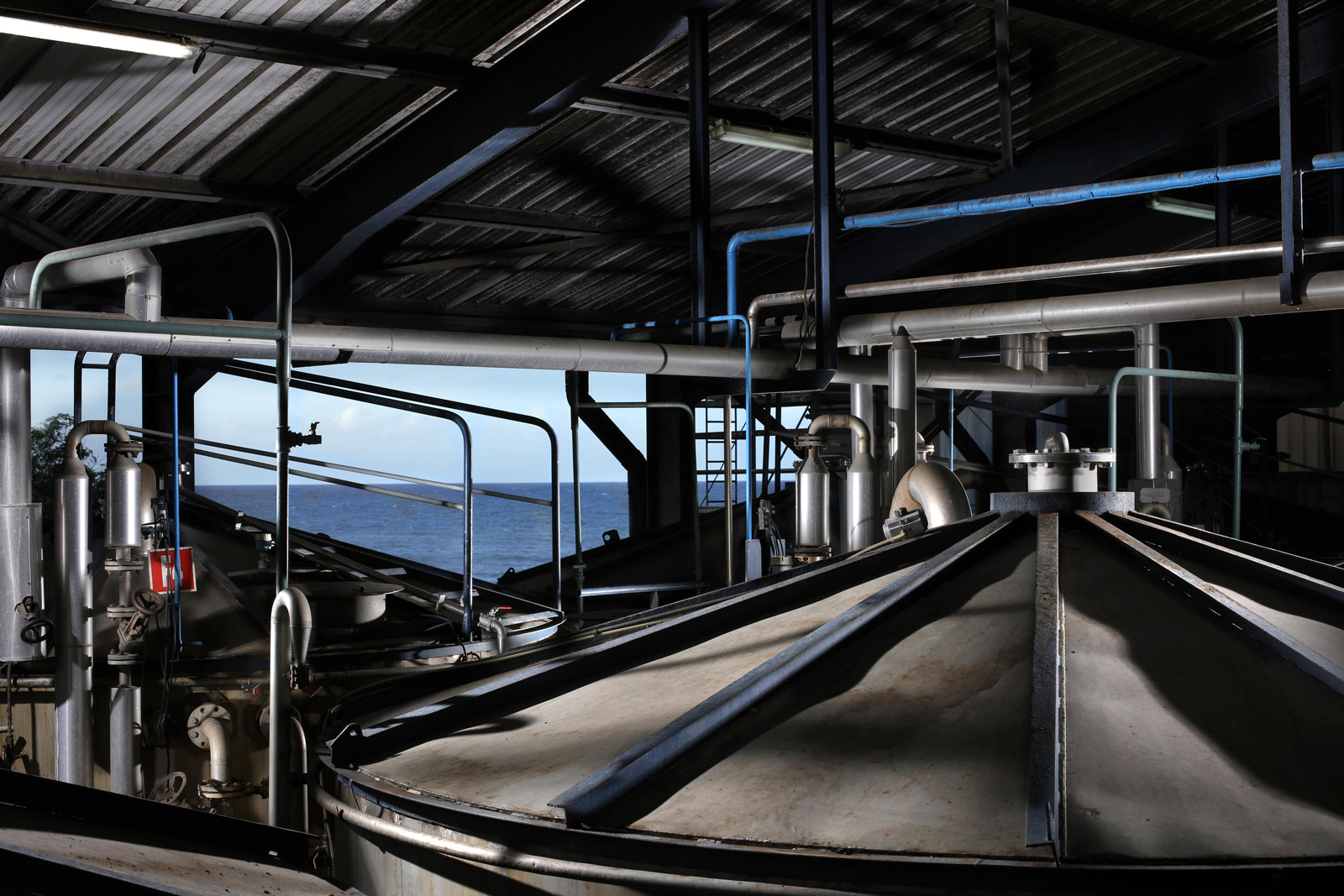
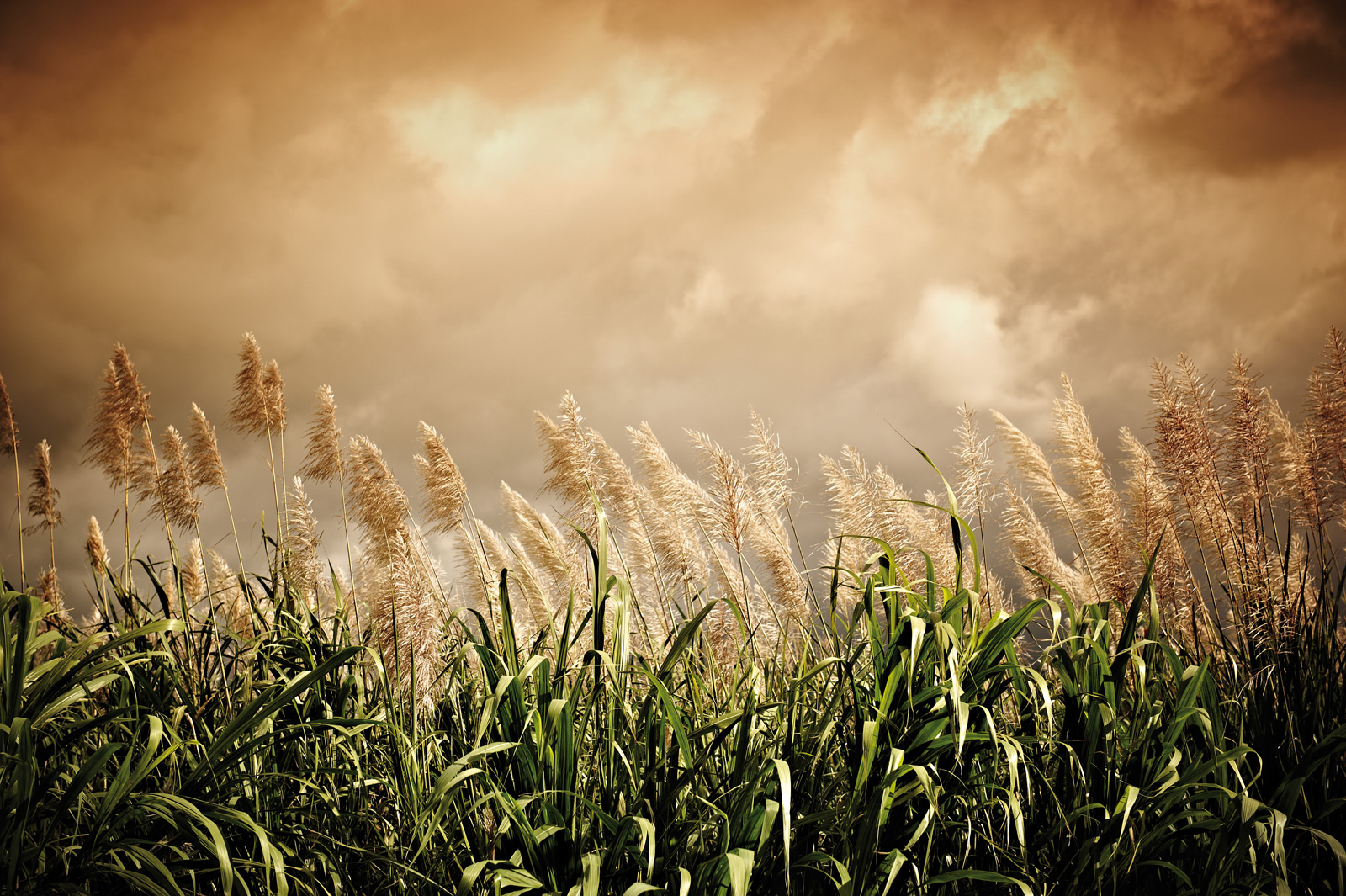
Southern Hemisphere, east of Madagascar, in the heart of the Indian Ocean: the Distillerie Savanna was born in the volcanic and lush landscape of Île de la Réunion, a French overseas territory where sugarcane dominates both the scenery and the local economy.
The most widely grown cane variety on the island is R570. And thanks to its three major sucreries, Réunion is known as one of the largest sugar producers in the southern hemisphere.
After a long history rooted in this tradition, today Distillerie Savanna is recognized as a global benchmark for the production of high-quality rum.
The history of Savanna is rooted in over two centuries of sugar-making activity. As early as 1870, a steam distillery already existed on the site — a sign of an established tradition. The current Distillerie de Savanna was designed between 1948 and 1950 by Paul Charles Émile Hugot, a Réunion-born entrepreneur and a central figure in the development of the island’s refineries.
At the time, production was focused on the bulk sale of traditional molasses rum for the local market, on behalf of various brands and liquoristeries, and partly also for mainland France — in particular for Bardinet. The first aging warehouse dates back to 1964 and held just fifty barrels, used for three-year-old rums sold in bulk, mainly to local bottlers.
In the 1980s, Savanna entered a phase of unprecedented development, reaching a capacity of around 25,000 hectoliters of pure alcohol per year. It was during this period that the distillery created a laboratory dedicated to the production of “light” rum for the German client Racke, marking the beginning of a long-standing tradition of research and experimentation.
Following the wave of industrial consolidation that affected Réunion’s refineries in the second half of the 20th century, many distilleries ceased operations — including Savanna in 1986.
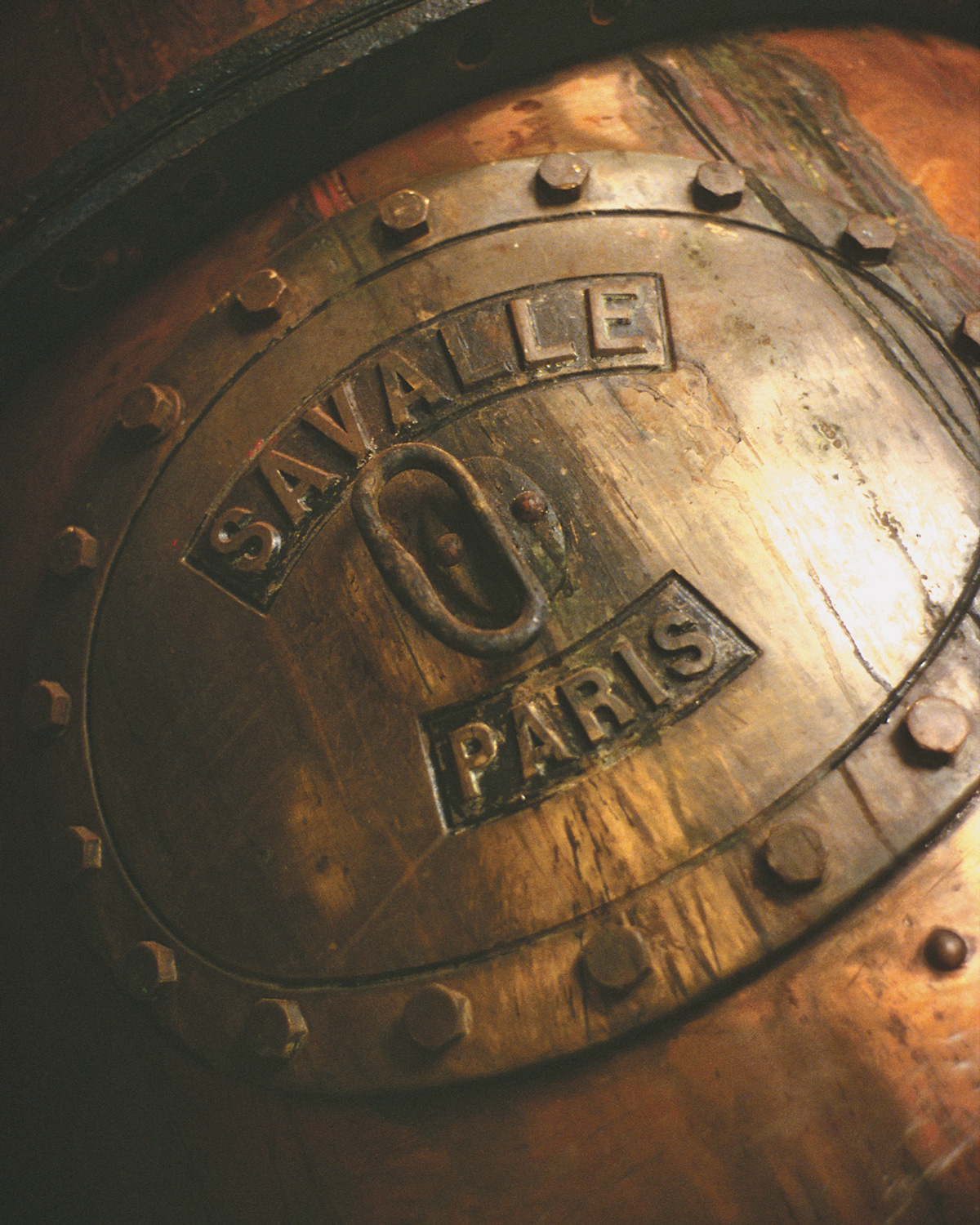
The rebirth came in 1992, when the distillery was relocated next to the Bois Rouge refinery in Saint-André. This strategic merger allowed Savanna to streamline its production facilities while preserving the historic copper Savalle column and the German distillation lab — both essential for future productions.
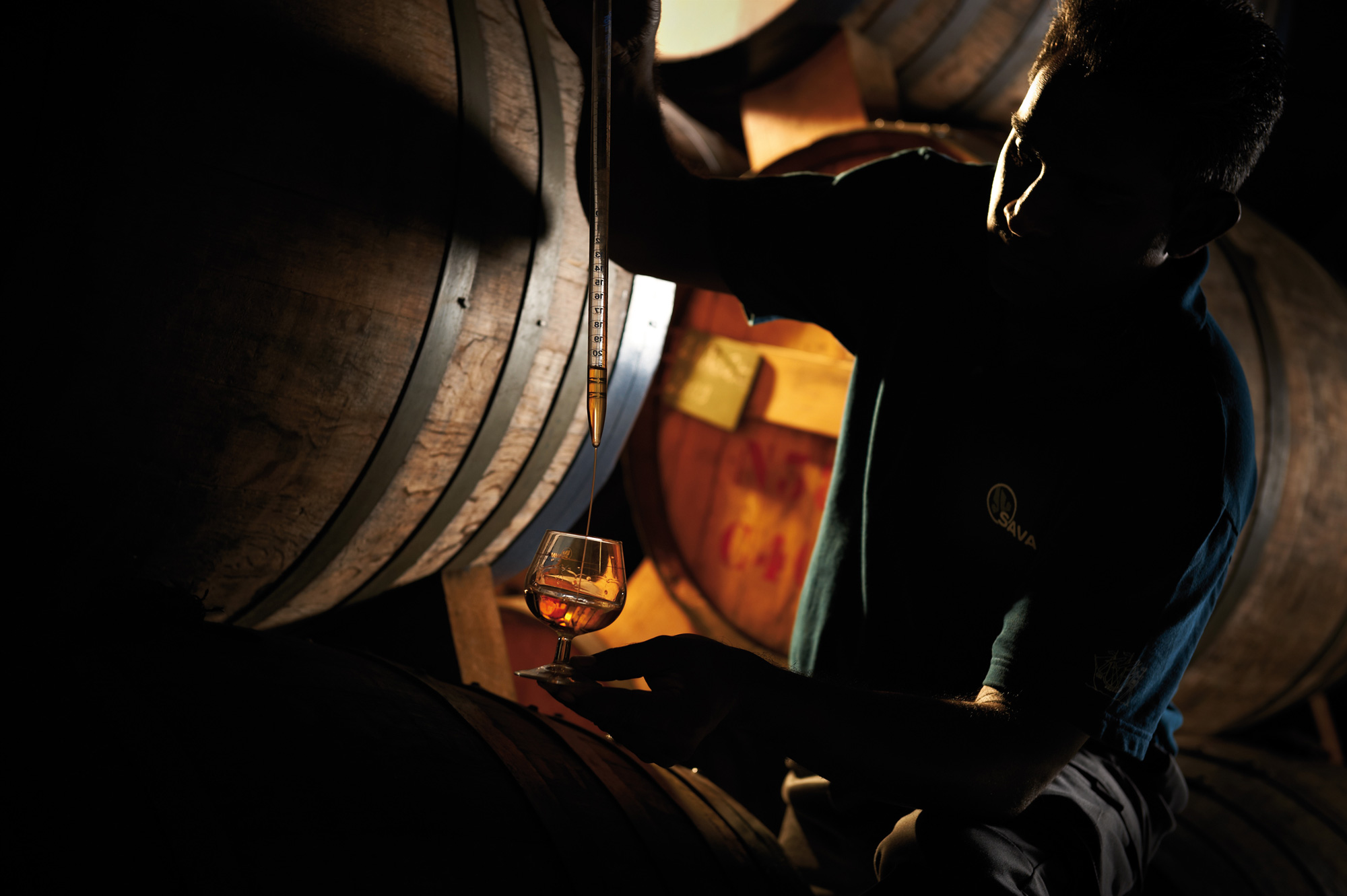
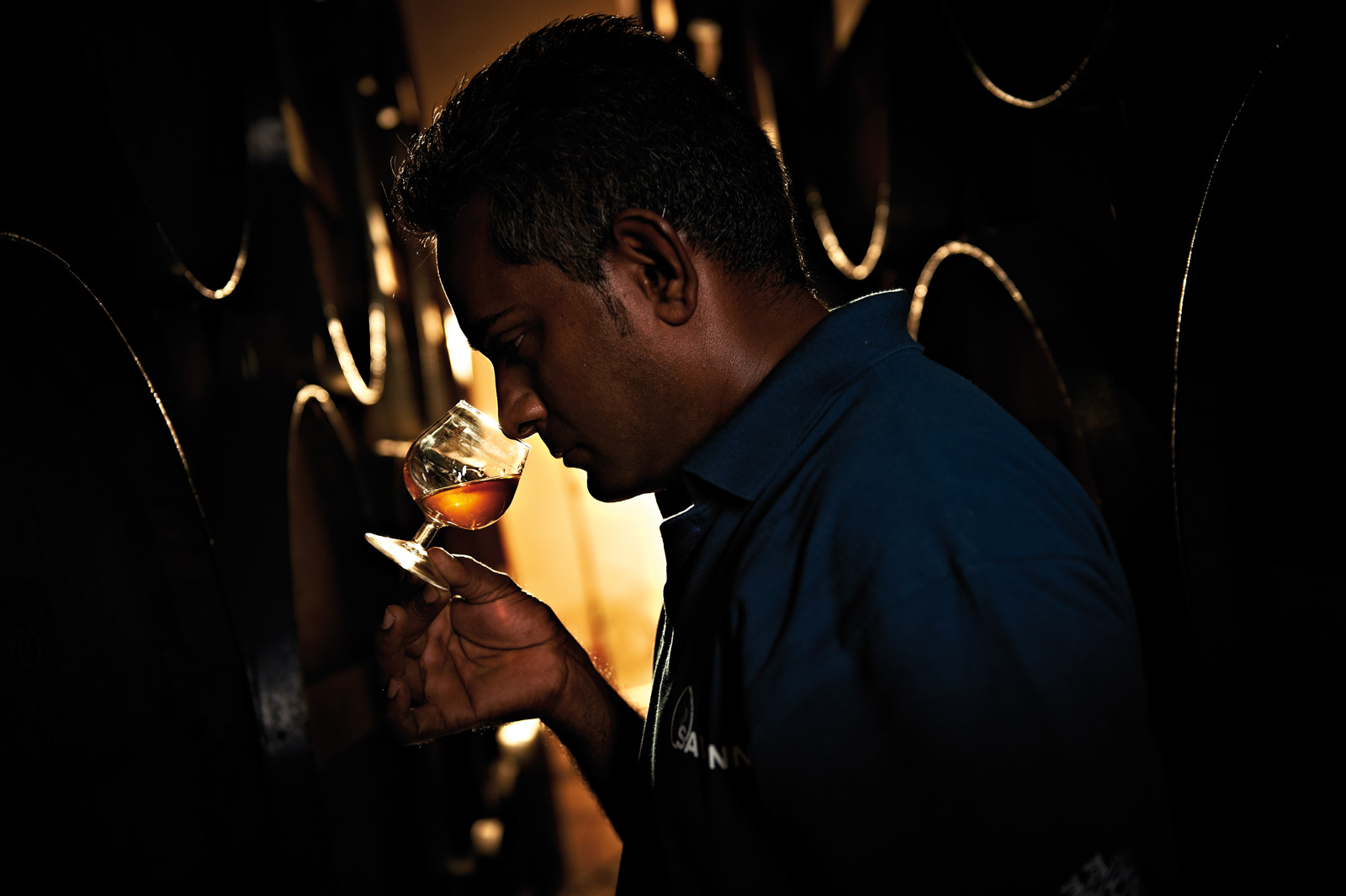
A central figure in this revival is Laurent Broc, Master Distiller and true deus ex machina of the distillery. Among his many initiatives, Broc designed a system of pipes and valves connecting all the casks of young rum, allowing for a continuous movement of the liquid during the first 18 months to enhance oxygenation and balance.
In 1994, the Research & Development department was established, launching pioneering studies on yeasts and extended fermentations — paving the way for one of the distillery’s most iconic specialties: the Grand Arôme.
The Rhum Grand Arôme is a molasses-based rum produced through long fermentations (lasting from 5 to 10 days or more), which develop a high concentration of aromatic compounds — particularly esters and volatile fatty acids.
Savanna adheres to the standards set by French regulations: over 800 g/HLAP of total congeners, with at least 500 g/HLAP in esters. The result is a distillate with an explosive personality and a distinctive, unmistakable aromatic profile.
The first Grand Arôme tests date back to 1998. Savanna decided to offer it not only as a base for the confectionery or perfume industries, but as a sipping rum, bottled under the Varangue brand.
Fermentation techniques were further refined thanks to study trips to Jamaica, where the Savanna team exchanged knowledge with the master distillers of Wray & Nephew. This gave birth to the concept of Lontan — Savanna’s signature Grand Arôme: a powerful, complex, and profound rum, a true symbol of Réunionese savoir-faire.
On the 60th anniversary of La Maison du Whisky, Savanna launched HERR (High Esters Rum Réunion), a Grand Arôme even more concentrated, distilled in a stainless steel pot still to maximize aromatic yield.
Compared to Lontan, HERR stands out for its more intense bacterial activity and an aromatic profile reminiscent of the finest Jamaican rums, with an extreme complexity of esters and tropical notes.
In the early 1990s, Savanna experimented with the production of rhum agricole, thanks to the Sucre Naturel de Bourbon project, created to supply natural organic sugar to a German company.
The proximity to the Bois Rouge sucrerie made it possible to work with pure sugarcane juice, giving birth to the first Savanna rhum agricoles, now known under the Créol range. This line reflects the distillery’s technical versatility, effortlessly bridging the worlds of molasses-based and pure juice rums.
In 2003, Savanna made its definitive breakthrough: it launched its own official brand, deliberately stepping away from mass distribution to focus on a quality-driven strategy aimed at enthusiasts and connoisseurs.
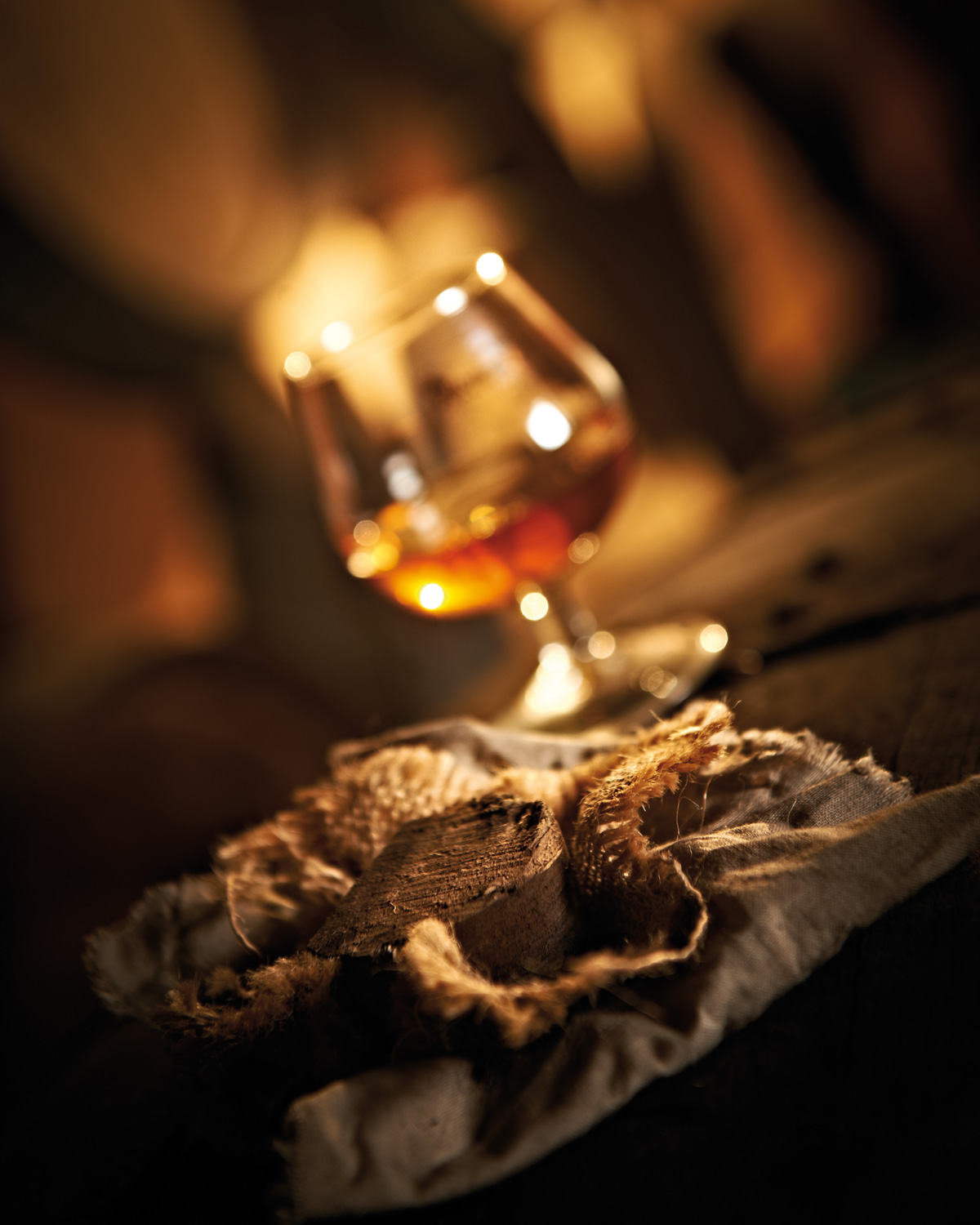
Since then, it has taken part in major international competitions and promoted an educational, transparent approach toward the public — even introducing, in 2005, a home aging kit that allows rum lovers to mature their own white rum in mini barrels.
2005 also marked the release of Savanna’s first Single Cask and Cask Strength editions, paving the way for a philosophy inspired by the whisky world and the pursuit of excellence.
In less than three years, Savanna earned 29 international medals, 17 of which in 2007 alone. Today, it remains the only distillery in the world to continuously produce and market: Rum Traditionnel from molasses; Rhum Agricole from pure sugarcane juice; and Grand Arôme / Lontan from long fermentations.
The combination of different raw materials, targeted fermentations, and multiple distillation methods (Savalle column and pot still) enables the creation of extraordinarily diverse aromatic palettes — the result of a unique technical mastery.
Distillates have different alcoholpercentages. So, we have defined a parameter allowing you to better understand and compare different prices. This parameter is calculated by dividing the bottle price by the alcohol content. The alcohol content (or strength) is the amount of pure alcohol (ethanol) contained in the distillate.
This parameter indicates the price of a single 4cl dosage of distillate. It is calculated by dividing the price of the bottle by its quantity (expressed in cl), then multiplying by the centilitres of the recommended single dose, as average in cocktail recipes.