After the cocktail, a bar. Dr. Peychaud's recipe soon spread throughout the city, and the most famous bar in New Orleans, the Sazerac Coffee House, began serving him to his clientele and found an incredible success. Thus, in 1869, Thomas H. Handy bought the bar, corrected the formula of the house cocktail by replacing the brandy with the rye and bought the rights of the Peychaud's Bitter.
Finally, the Company. Handy continued his acquisitions until he bought some small spirits brands that he enclosed under the name of Sazerac Company.
Buffalo Trace On the banks of the Kentucky River, on the route of the buffalo migration to the west, today stands the most awarded distillery in the world. That's where Buffalo Trace is born, where it is distilled, aged and bottled. We use wheat, rye and malted barley from Kentucky and Indiana.
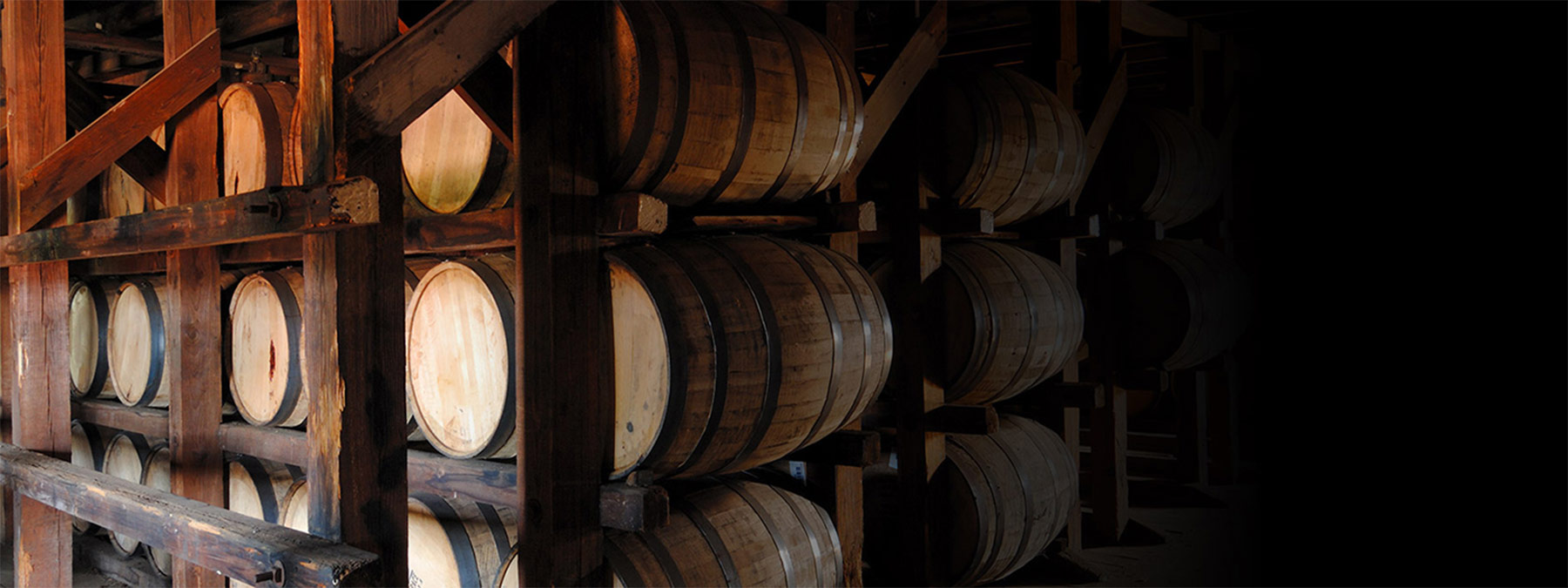
Aging lasts at least 8 years in new oak barrels. Benchmark Called McAffee's Benchmark in honor of the McAffee brothers who in 1773 decided to stay in Kentucky, in what would later become Leestown, site of the Buffalo Trace Distillery. Aged 4 years in new oak barrels, this bourbon lends itself to being enjoyed alone or mixed.
Eagle Rare Single Barrel Aged for no less than 10 years in unique barrels. It covers the upper end of the Sazerac portfolio.