Ti potrebbe interessare anche…













An incredible limited edition bourbon whose origins are legendary: produced by Gary Gayheart, Master Distiller at the iconic George T. Stagg Distillery, which became The Buffalo Trace in 1999, spent 20 years in virgin oak casks, and then another 20 in steel tanks, before being rediscovered by Gary's apprentice, Harlan Wheatley.
An unmissable vintage, full of harmonious hints of fig, dates, tobacco and sultanas, with a surprising spicy finish.
Tasting Notes: an orchestra of flavours with each flavour harmoniously mingled. Delightful notes of figs, dates, maraschino cherries, wood, saddle leather, pipe tobacco, toffee, plums, raisins, walnuts, and butterscotch. It’s a virtual symphony on your palate. This vintage bourbon is unforgettable as the finish transforms miraculously from a dark chocolate, almond, leather, caramel, and oak to a gentle warming spiciness. It’s truly a memorable and extraordinary experience from the last drops of the past.
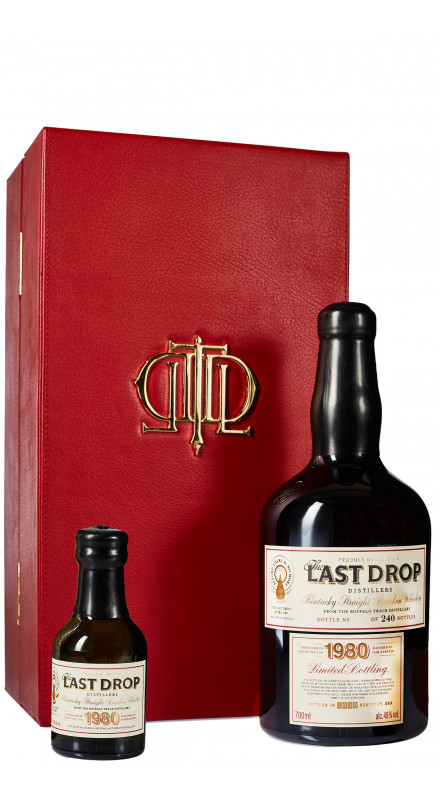

The Last Drop 1980 Bourbon Buffalo Trace Distillery
75cl / 45°



Buffalo Trace distillery: more than 150 years of history
Buffalo Trace is the flagship Bourbon Whiskey of Buffalo Trace Distillery, a historic distillery located in the most emblematic terroir in the American Whiskey landscape: the state of Kentucky. The...
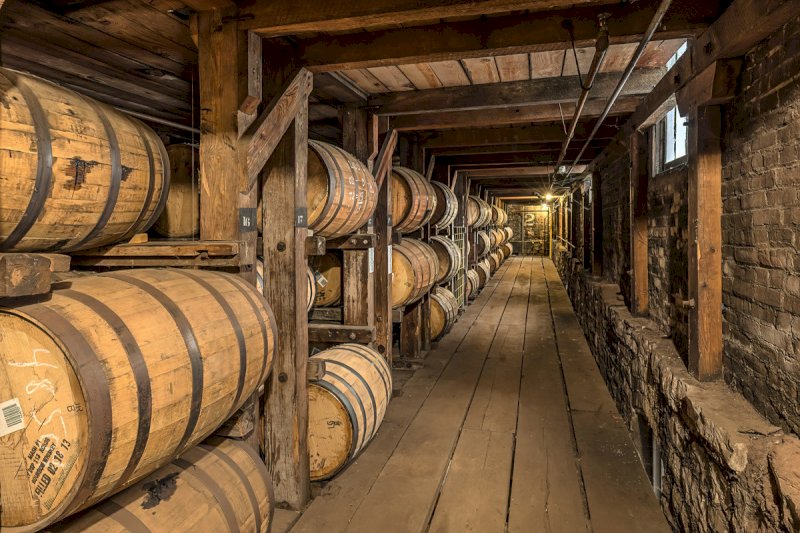
Bourbon Whiskey: 100% american
Bourbon can be legally distilled throughout the United States, but its production takes place in six states: California, Illinois, Pennsylvania, Indiana, Georgia and especially Kentucky, where...
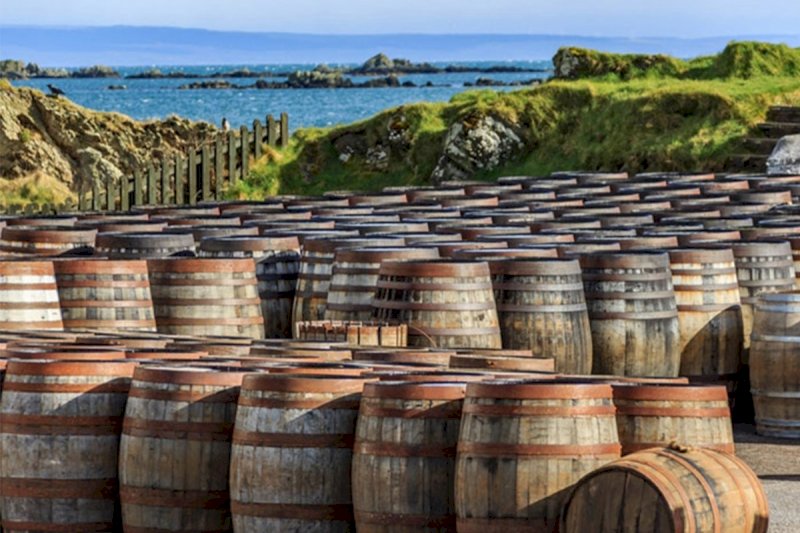
The Complete Guide to Whisky
Ireland and Scotland have always contended over the paternity of the invention of whisky, however, there are no official documents and we will not go into this centuries-old dispute, but will rely on...