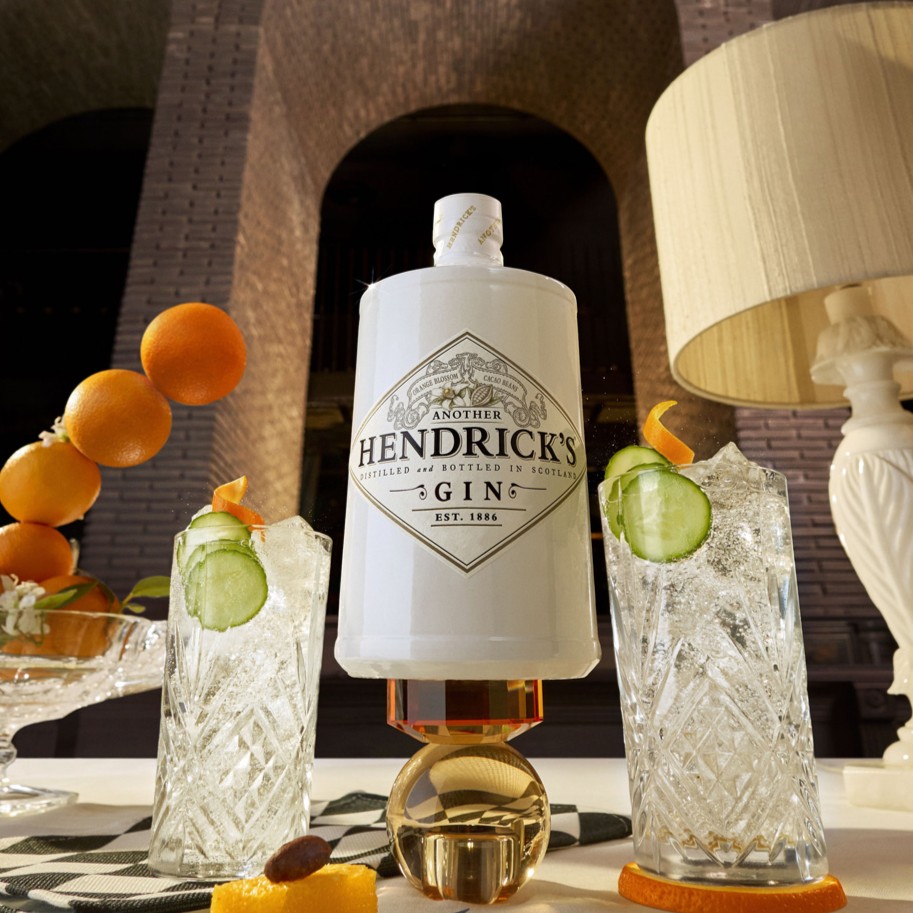
Hendrick’s Gin is produced in the Scottish region of Ayrshire from two stills: Carter-Head and Bennett Still. The first was created in 1948 by John Dore & Co., while the second, even more ancient, was designed in 1860 by master coppersmiths of London.

In 1966 Charles Gordon - patron of William Grant & Sons - purchased these two collectible stills without knowing exactly how they were going to be used in the future. In 1988 Charles Gordon met Lesley Gracie, giving her a challenge on how to use these two stills to create a gin capable of integrating an unusual blend from the ordinary.
It took 11 years and numerous experiments starting from plants, seeds, roots and fruits before we could arrive at a formula that could satisfy Mr. Gordon's request: 11 botanical species, some classic and some absolutely extravagant for the category - yarrow, coriander, juniper, chamomile, cumin seeds, cubebe berries, elderflower, orange peel, lemon peel, angelica root, iris root and a final infusion of damask rose petals and cucumber.
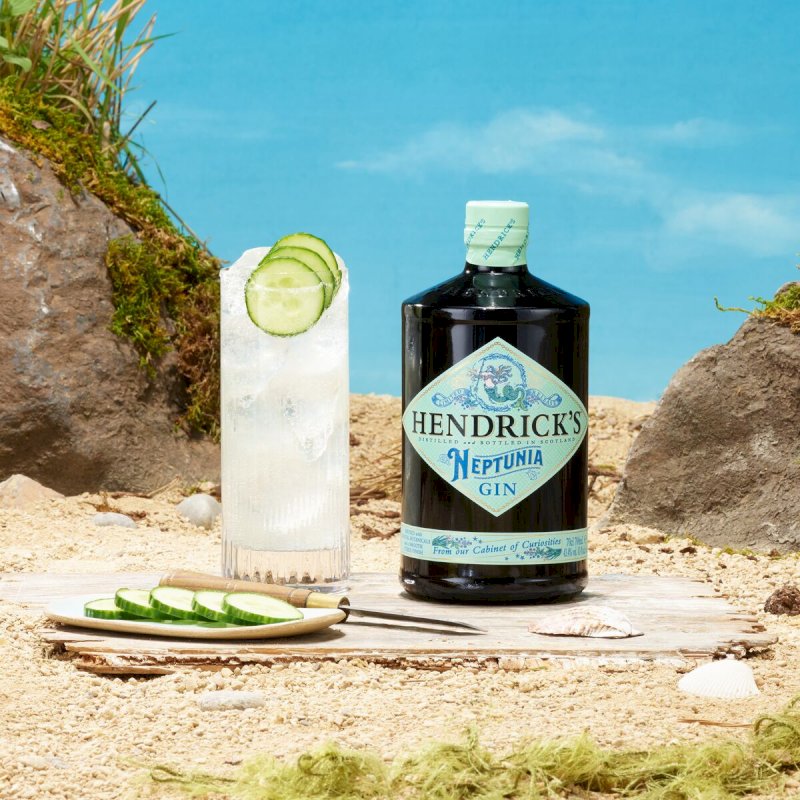
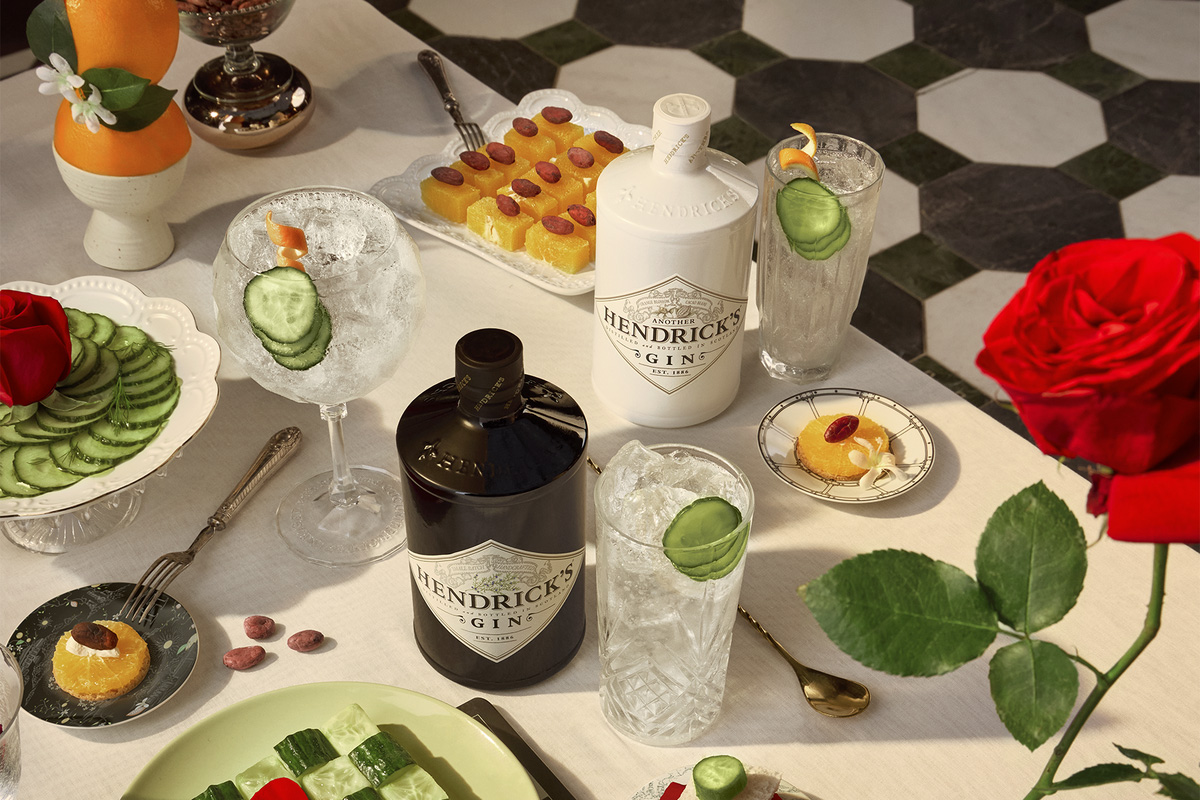
Produced in small batches (450 liters every distillation), served iconically with tonic and the typical cucumber slice, Hendrick's Gin is simply the most loved and requested Gin in all the bars of the world.

Distillates have different alcoholpercentages. So, we have defined a parameter allowing you to better understand and compare different prices. This parameter is calculated by dividing the bottle price by the alcohol content. The alcohol content (or strength) is the amount of pure alcohol (ethanol) contained in the distillate.
This parameter indicates the price of a single 4cl dosage of distillate. It is calculated by dividing the price of the bottle by its quantity (expressed in cl), then multiplying by the centilitres of the recommended single dose, as average in cocktail recipes.