1816: The property of Làncut, including the second oldest distillery in Poland, passes to the Potocki family thanks to the marriage between Jan Potocki and Julia Lubomirska. It is located between Krakow and Lvov.
1838: Alfred Potocki employs the most experienced distillers on the market to revive the distillery, which also begins to produce liqueurs, in addition to vodka.
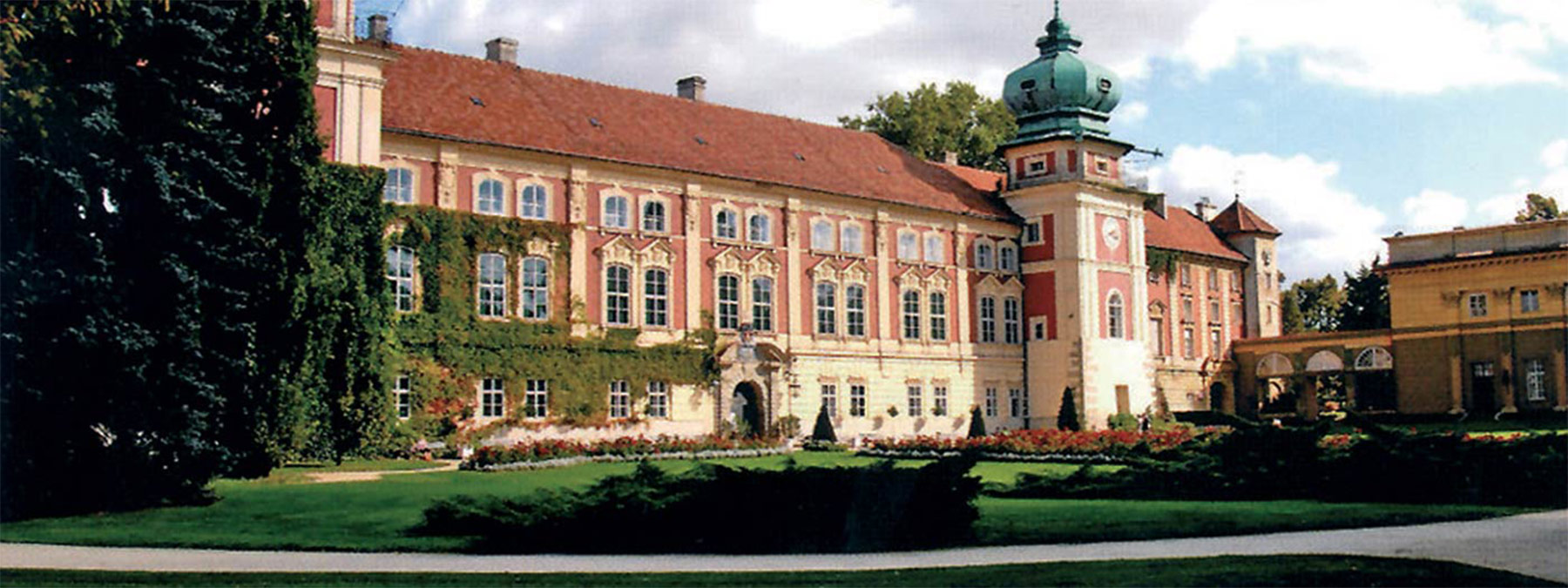
1857: The distillery obtains the prestigious position of supplier of the imperial court in Vienna.
1924: The Polish Republic, as soon as independence is achieved, creates a state monopoly for vodka production. The Làncut distillery focuses on the production of rum, liqueurs and cordials (the famous ratafià), remaining in operation even during the Second World War.
1944: The property and the distillery are confiscated by the communist government.
1945: The distillery is nationalized and incorporated into the Polmos State Monopoly.
1992: The distillery is closed.
2002: The distillery is privatized and Jan-Roman Potocki resumes production. Wodka Potocki is distilled exclusively from rye grown in the region, slowly fermented and distilled twice in a continuous double column.
Distillates have different alcoholpercentages. So, we have defined a parameter allowing you to better understand and compare different prices. This parameter is calculated by dividing the bottle price by the alcohol content. The alcohol content (or strength) is the amount of pure alcohol (ethanol) contained in the distillate.
This parameter indicates the price of a single 4cl dosage of distillate. It is calculated by dividing the price of the bottle by its quantity (expressed in cl), then multiplying by the centilitres of the recommended single dose, as average in cocktail recipes.