Ti potrebbe interessare anche…







The 21 ingredients used in the Portofino Gin formula, including botanicals grown and harvested by hand on the Portofino mountain, have been carefully selected to give fresh and Mediterranean hints. After a light maceration process, each individual botany - juniper, lemon, lavender, rosemary, iris, marjoram, sage - is distilled separately in a copper still, under the supervision of the master distiller. Each distillate is then mixed to create the unique mix of Portofino Gin.
The result is a perfectly balanced gin: citrusy but soft, with a clear note of juniper combined with subtle spicy aromas and light floral nuances.
The bottle design is a tribute to the village of Portofino, where colorful houses and green hills create one of the most iconic places on the Ligurian Riviera.
5 litres magnum version.
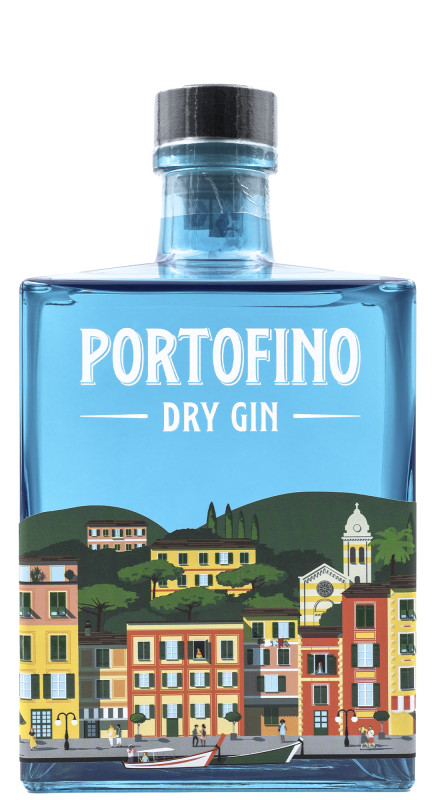
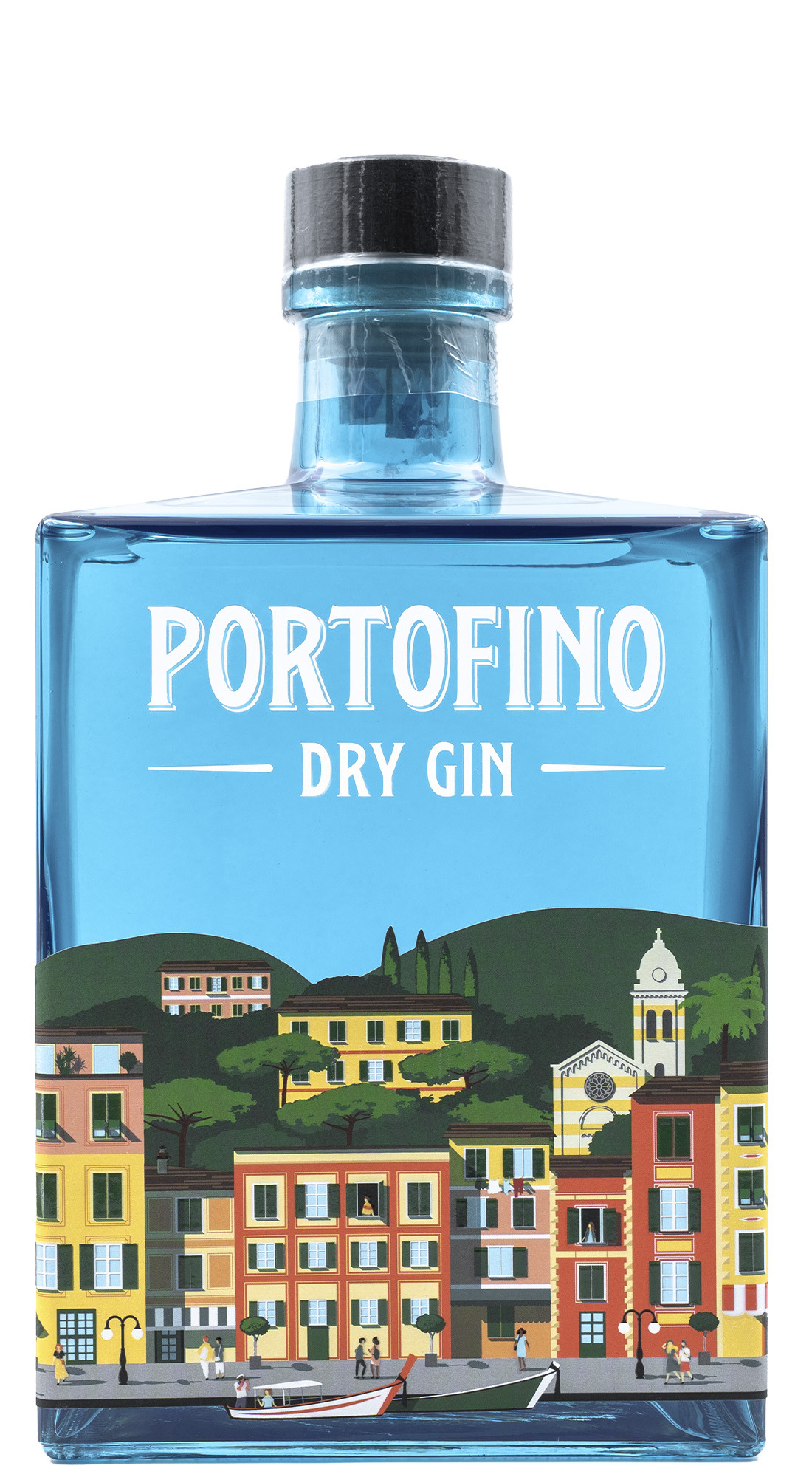
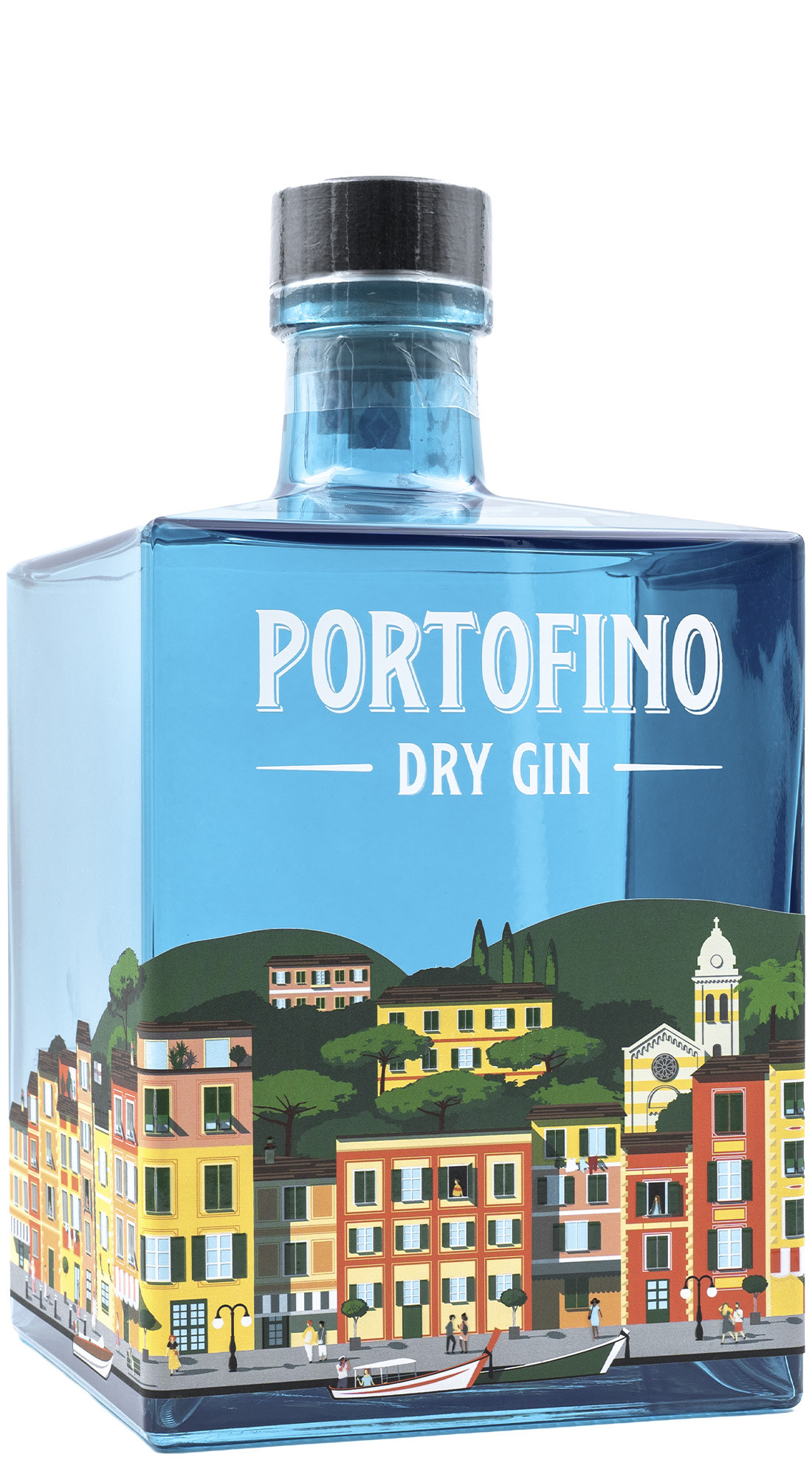
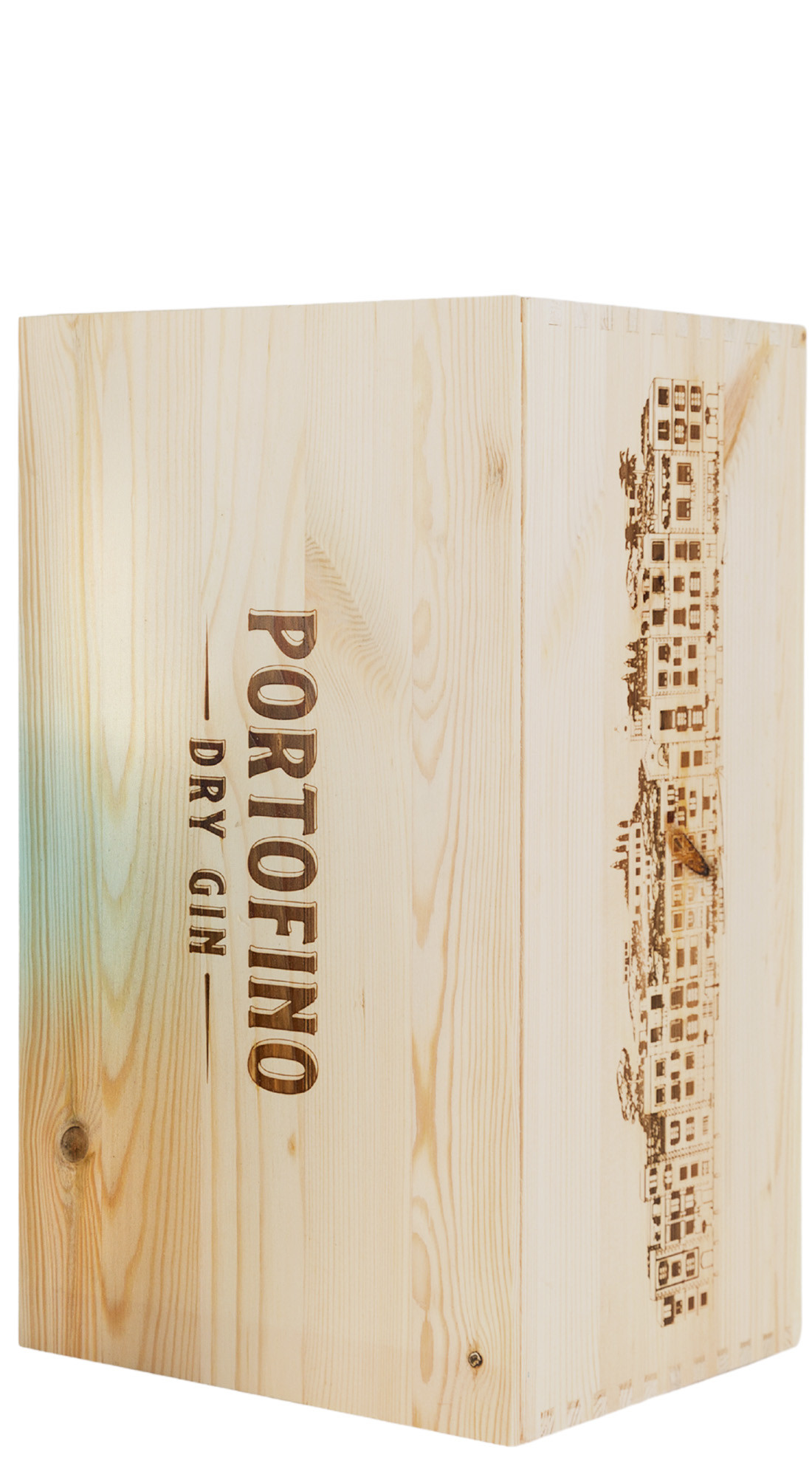
Portofino Dry Gin 5 LitreWith WOod Box
500cl / 43°



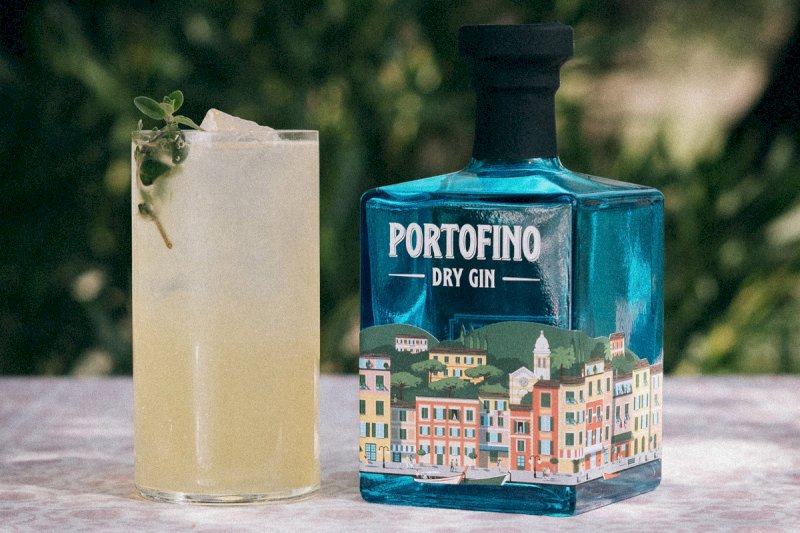
Portofino Dry Gin, pure Mediterranean style
Portofino Dry Gin has deep roots firmly planted in the territory from which it takes its name. Some of the 21 botanicals that make up the recipe are in fact grown and harvested by hand on the Portofino...
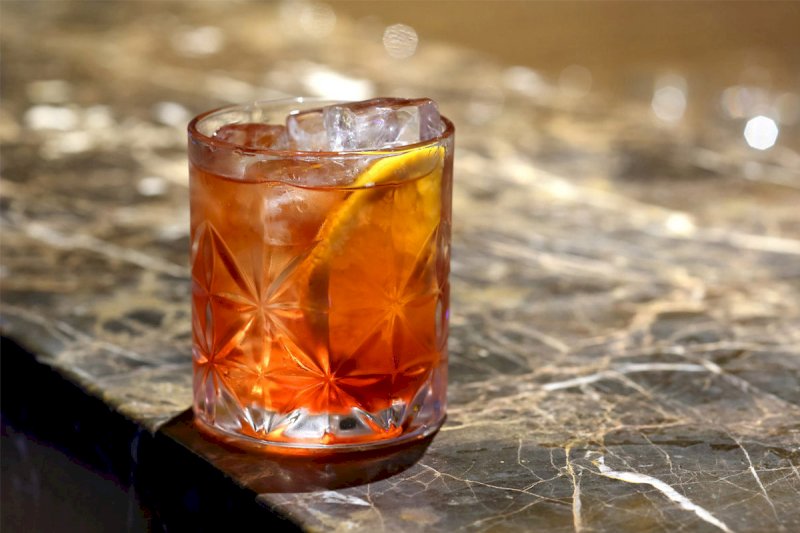
Negroni: the most international of Italian cocktails
Its birth dates back to 1919, in Florence, thanks to Count Camillo Negroni, an iconic character of the time. An elegant polyglot, fencing master, gambler and lover of mixed drinks, the gentleman was a...
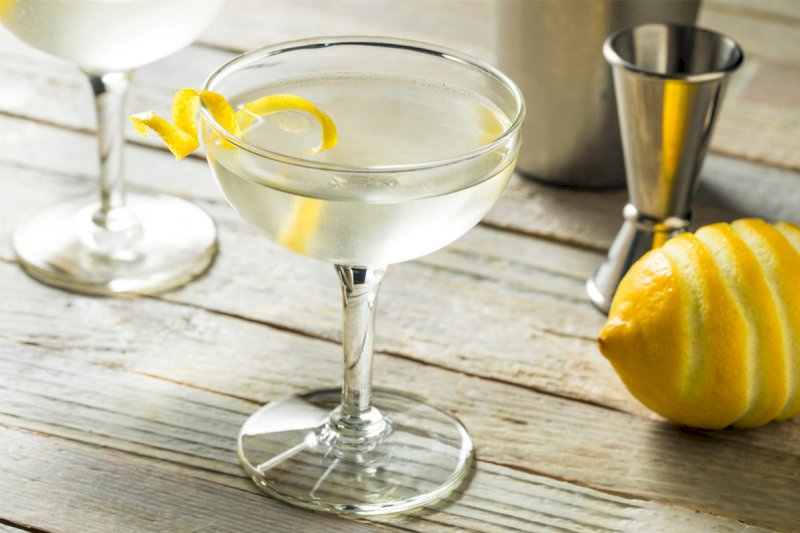
Dry Martini: a lifestyle
The dry martini, a true liquid style icon for experienced drinkers, has become a worldwide dogma for the concept of a "dry" drink, created from very few ingredients and where the balance between gin and...
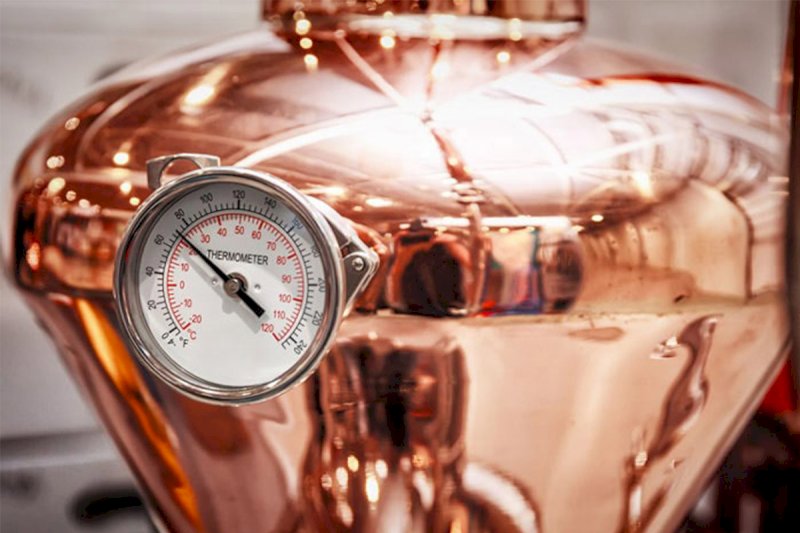
The complete guide to Gin
Long confined to the background behind vodka, gin saw a revival after the end of the 1980s. Primarily used in cocktails and mixology, it competes on an equal...