Ti potrebbe interessare anche…


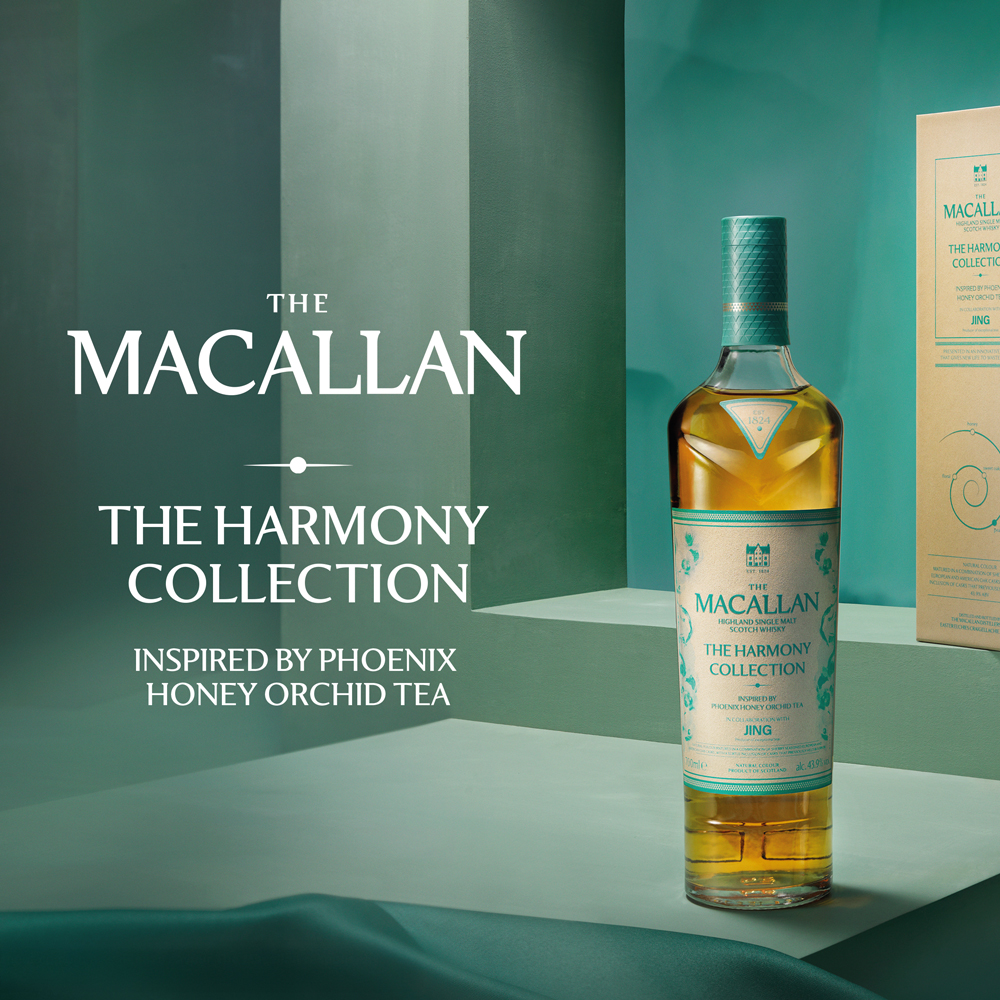
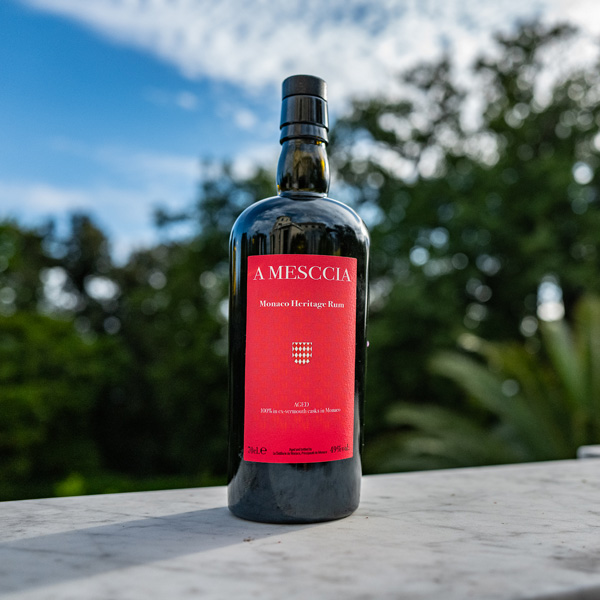





In order to facilitate the exchange between whisky and wood, Bill Lark, owner of the namesake distillery, decided to age his product in small 50 and 100 liters barrels.
The 50% of barley (Franklin or Gardner) is slightly dried with a peat coming from a peat bog from their property, Brown Marsh Bog. Recently he also named his daughter, Christy, Master distiller.
Tasting notes
• Color: coppery amber with golden shades.
• Fragrance: fine and precise. The wood pulp, the paint, the pine resin, the walnuts, all this reminds one of the atmosphere of a carpenter. It develops on cardamom, coconuts, moorland honey and ripe fruits (apricot, peach). But those are, in reality, variations on the same theme.
• Taste: Powerful and sincere. The fruit is dried (grapes, dates, figs). Durmast shows its nobility with its salted butter caramel notes. It evolves, later, into white truffle and cedar, to which it’s adding a brush stroke of bacon!
• Aftertaste: very long and with a lot of energy. Muscular, it reveals the nobility of its woods (durmast, cedar). It extends on oriental spices (turmeric, coriander, cardamom) and on ylang-ylang perfumes. Mooreland and fir honey remain in the empty glass.


Lark Cask Strength TasmanianCask LO138
50cl / 58°