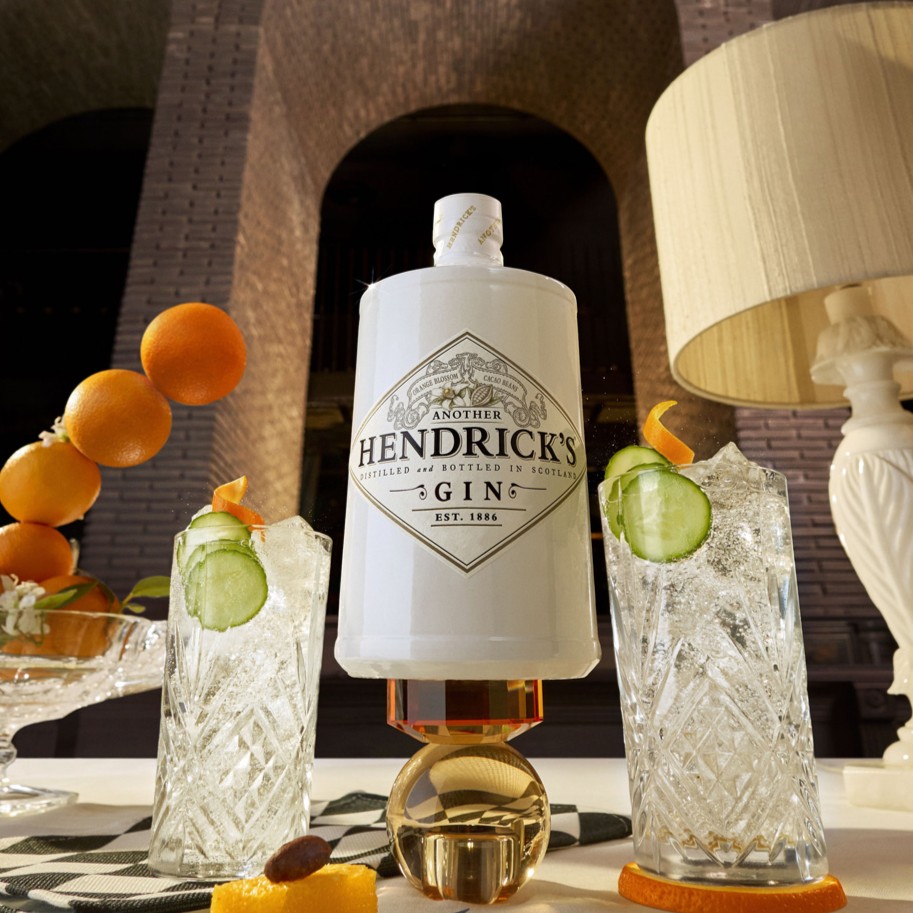
It is a real must for anyone arriving on the island of Menorca. The place is perfect for a holiday of sea and fun, and it is also a place that, after English domination, has seen Gin become at home. So what other ingredient could have characterised Menorca's most popular drink?
It is called Pomada everywhere except in Ciutadella, where it is called Ginet, and the ingredients are always the same: gin, lemonade and lots and lots of ice, so much so that in some cases it is served almost in the form of slush.
The Pomada, named after its frothy appearance, was invented in 1967 by hotelier Magì Camps, a native of Mahòn, who chose to use the products of his town for the patron saint's day. Legend has it that Camps was a heavy drinker and, in an attempt to hide it from his wife, he thought it best to mix gin with lemonade. The recipe was an instant success, and from Camps' clientele it spread throughout Menorca,soon becoming the island's most popular cocktail. It is mainly consumed during the summer, during patronal festivals and also on important occasions such as weddings.
In a chilled glass with crushed ice - and a lemon wedge, if you decide to follow the original recipe - add the gin and lemonade (the proportions are one-third and two-thirds).
Stir gently, garnishing with a few mint leaves.
Pomada is refreshing and not overly alcoholic, and it should be served very cold-often, as mentioned, it also comes in the form of slush.
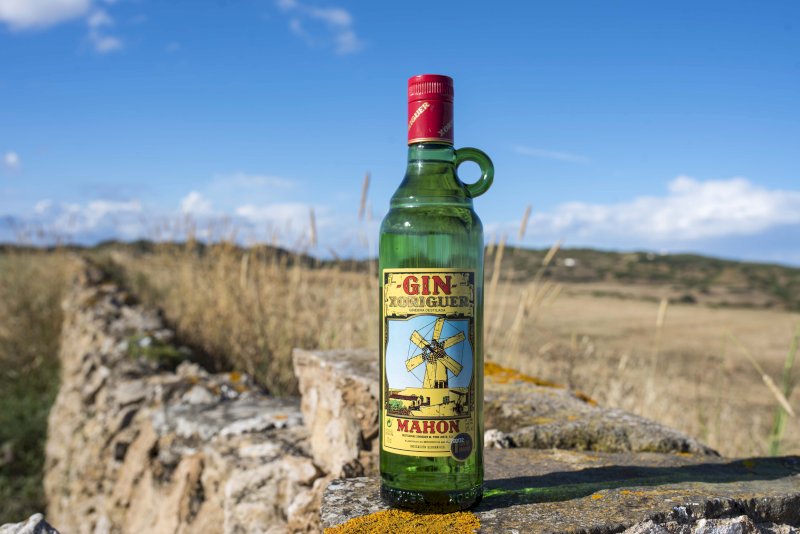
Ideal for its preparation is Xoriguer, a Menorcan gin born from the 1750 fusion of Dutch Genever and English gin recipes, which has been marketed since 1940 in Mahòn.
Distillates have different alcoholpercentages. So, we have defined a parameter allowing you to better understand and compare different prices. This parameter is calculated by dividing the bottle price by the alcohol content. The alcohol content (or strength) is the amount of pure alcohol (ethanol) contained in the distillate.
This parameter indicates the price of a single 4cl dosage of distillate. It is calculated by dividing the price of the bottle by its quantity (expressed in cl), then multiplying by the centilitres of the recommended single dose, as average in cocktail recipes.