Ti potrebbe interessare anche…








Increasingly green: distilleries also do their bit for the environment
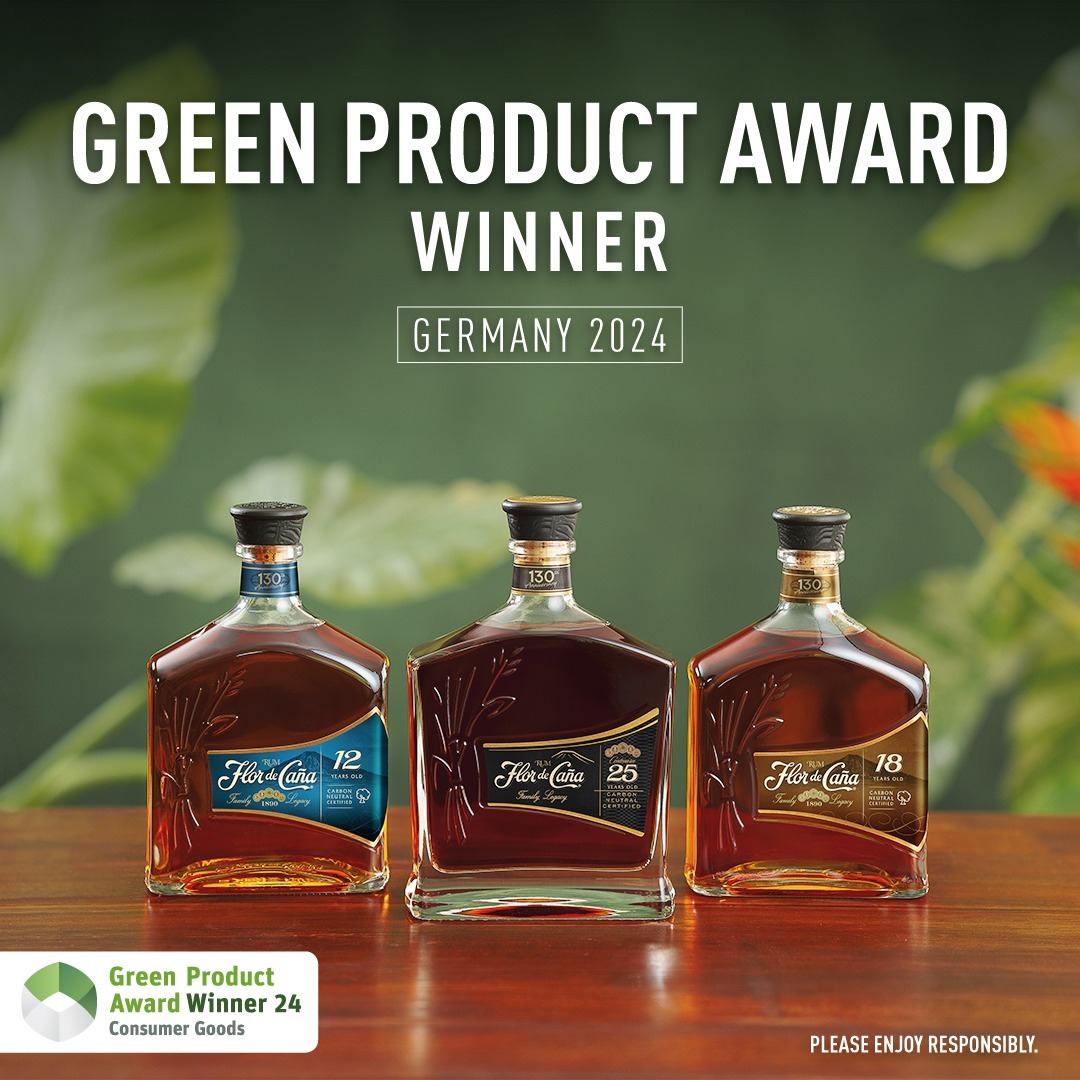
The theme of sustainability has finally been in the limelight for a few years now, and given its urgency and topicality, it has also involved the spirits world. To date, there are many spirits companies that have chosen a 'carbon free'approach, making a concrete commitment to the environment.
The trend started in the Anglo-Saxon world, has grown gradually and is becoming something more and more like a routine, which is also involving Italy: producers are more careful and are making more conscious and eco-sustainable choices, trying to continue to promote their excellence without underestimating the impact on the environment.
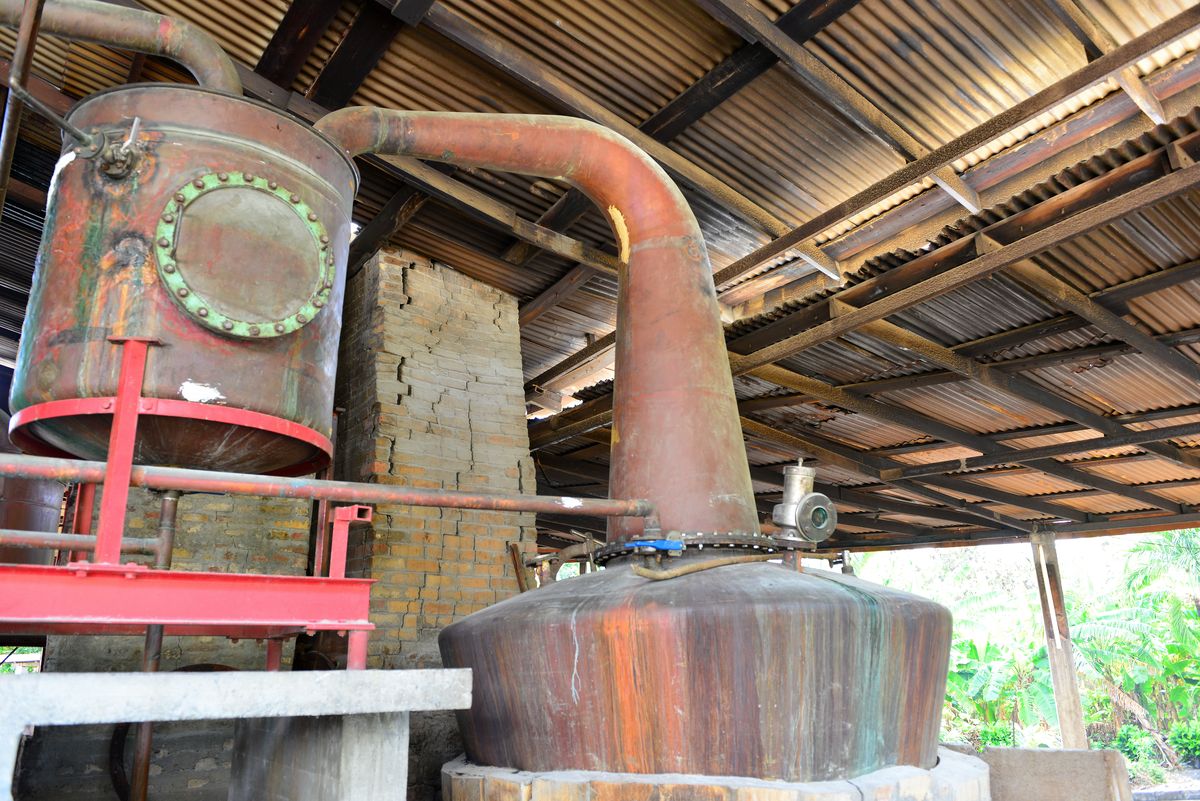
Distilleries are a great example of circularity in the food and wine sector: to be sustainable both economically and environmentally, they must focus on material utilisation, energy efficiency and the circular economy. This is a phenomenon that is expanding exponentially, also thanks to the use of renewable energies, which grew by 300% between 2018 and 2021 in the sector.
The green approach of distilleries has also become evident in the management of packaging materials and waste. The choice of materials has for some time now been oriented towards sustainable solutions such as glass, cork and wood, but more and more companies are looking for innovative solutions to reduce the environmental impact of packaging. There is talk of using pressed spent pomace to produce corks and flower paper for labels, and there are already the first prototypes of bottles made entirely from eco-sustainable materials.
Distilleries, in short, have been radically changing the way they work for some years now. The self-production of renewable energy, the containment of water consumption and the use of by-products from the supply chain are good practices for which the world of distilleries is becoming one of the most interesting sectors from the point of view of sustainability.


