Ti potrebbe interessare anche…






Produced in Hanoi in small batches with a copper still on a base of rice alcohol and molasses, the botanicals are hand-picked in the jungles of the Northern Highlands: Mắc Mắc Mật berries, Mắc Mật leaves, Mắc Khén jungle peppers, black peppercorns, Diễn pomelo peel, white liquorice, Đia Siêu wood, ginger, turmeric, coriander seeds, cassia among the local ingredients.
Aromatic profile: on the nose sweet citrus peel, fresh pine, lychee with hints of spices. On the palate spicy citrus fruits, honey, lychee and juniper berries. The finish is warm with notes of wood and tannins.
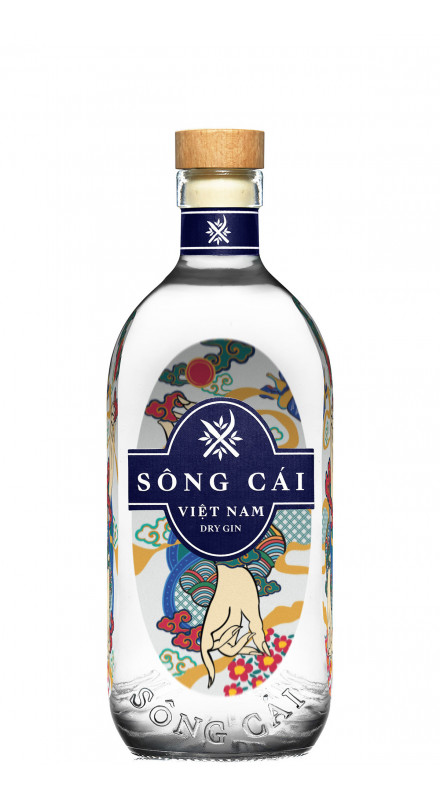
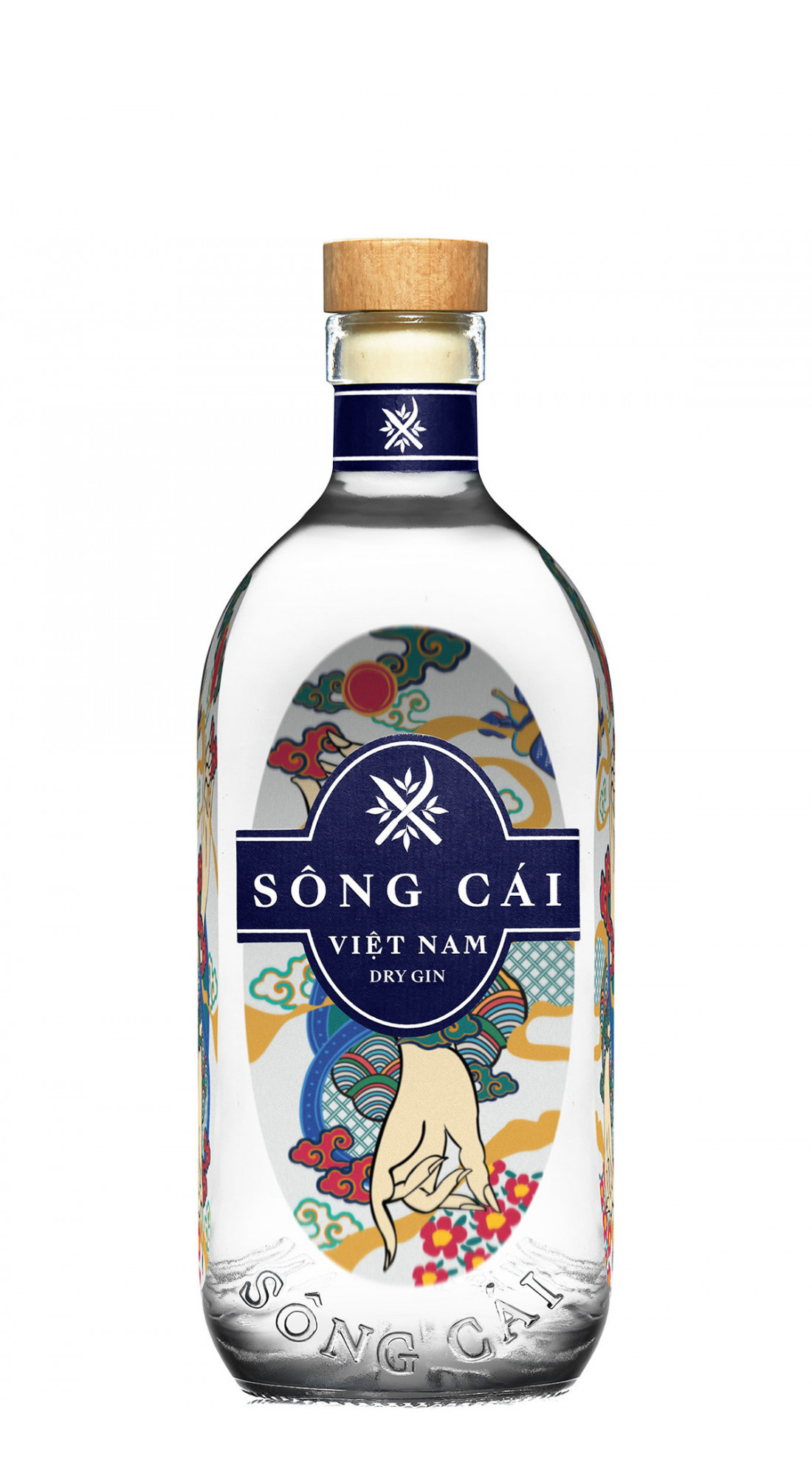
Sông Cái Dry Gin
70cl / 45°



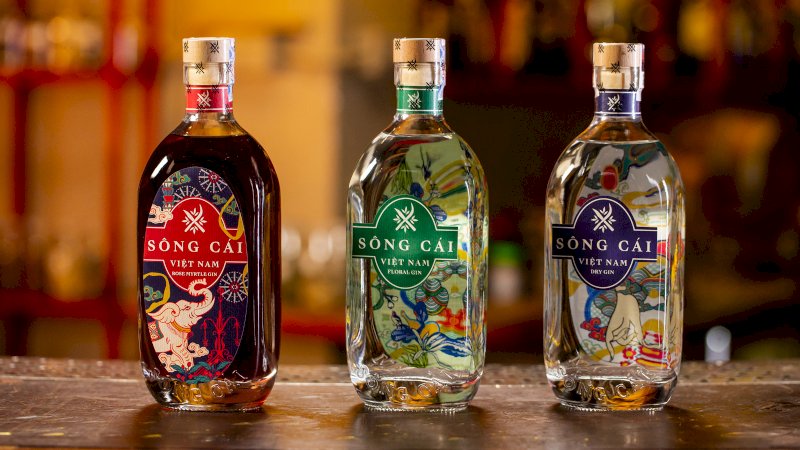
Sông Cái: the first Vietnamese gin
The distillery was founded in 2018 by Vietnamese-American Daniel Nguyen who, after many years spent studying the biodiversity and ethnobotany of rural Vietnam, joined forces with a number of gatherers and...
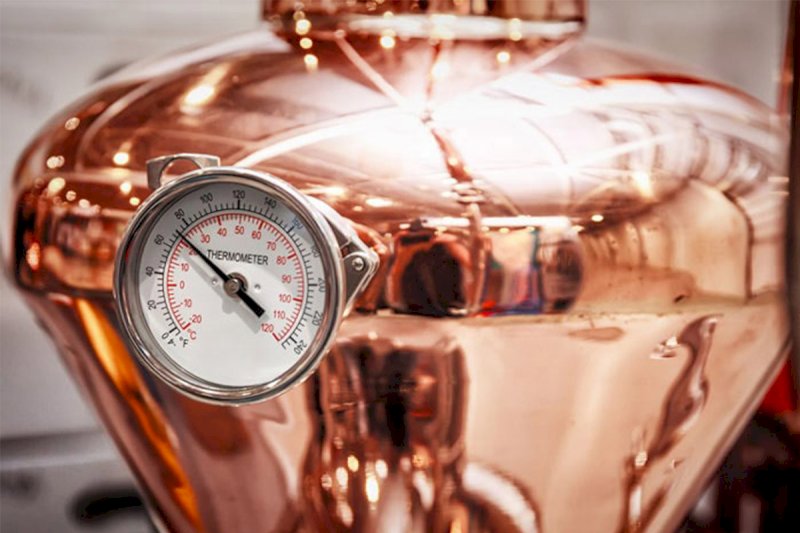
The complete guide to Gin
Long confined to the background behind vodka, gin saw a revival after the end of the 1980s. Primarily used in cocktails and mixology, it competes on an equal...