Ti potrebbe interessare anche…










What is most striking about Vodka Polugar No. 4 is the total absence, so to the nose as in the mouth, of any trace of rye. If this was the will of Mr. Rodionov, the result obtained is up to the intentions.
Tasting notes
• Color: colorless.
• Nose: dense, vibrant. Intense honey and equally powerful spices rival in intensity. The first ones cover the bottom of the aromatic palette while the latter evolve on the surface. Halfway, they find a soil of grassy accord (cut hay), licorice, menthol. Next to the spices are in particular cloves, nutmeg and coriander.
• Mouth: elegant, nuanced, with an incredible sweetness, an uninterrupted series of grains of green pepper literally rolls on the palate, dragging with it saffron, cumin and juniper berries. Sweetened by acacia honey, half of the mouth is resolutely floral (peony, rose) and exotic (litchi, khaki).
• Profile: Strong heath, fir and linden honey and powerful spices (cloves, nutmeg and coriander). Herbaceous (cut hay), licorice and menthol.
• Final: long, fluffy, spiritual (incense, wax). Its fruity register is enriched with white peaches, apricots and walnut peaches.
As far as honey and spices are concerned, their osmosis at this point is perfect, since they gave rise to floral notes of great finesse (wild blackberries, geranium).
Let yourself be tempted.
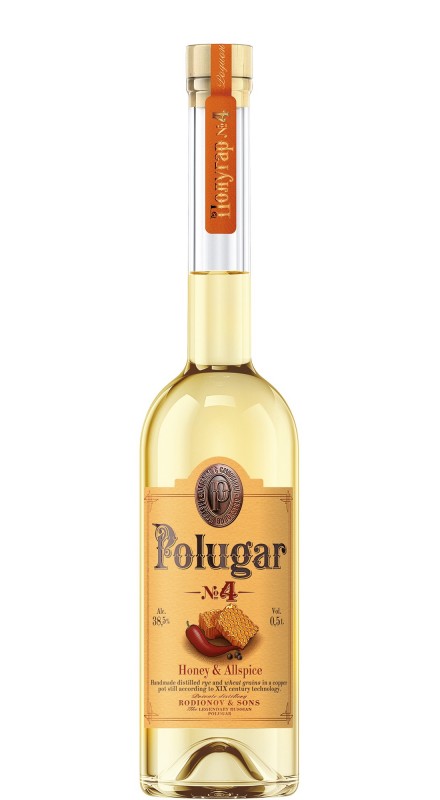
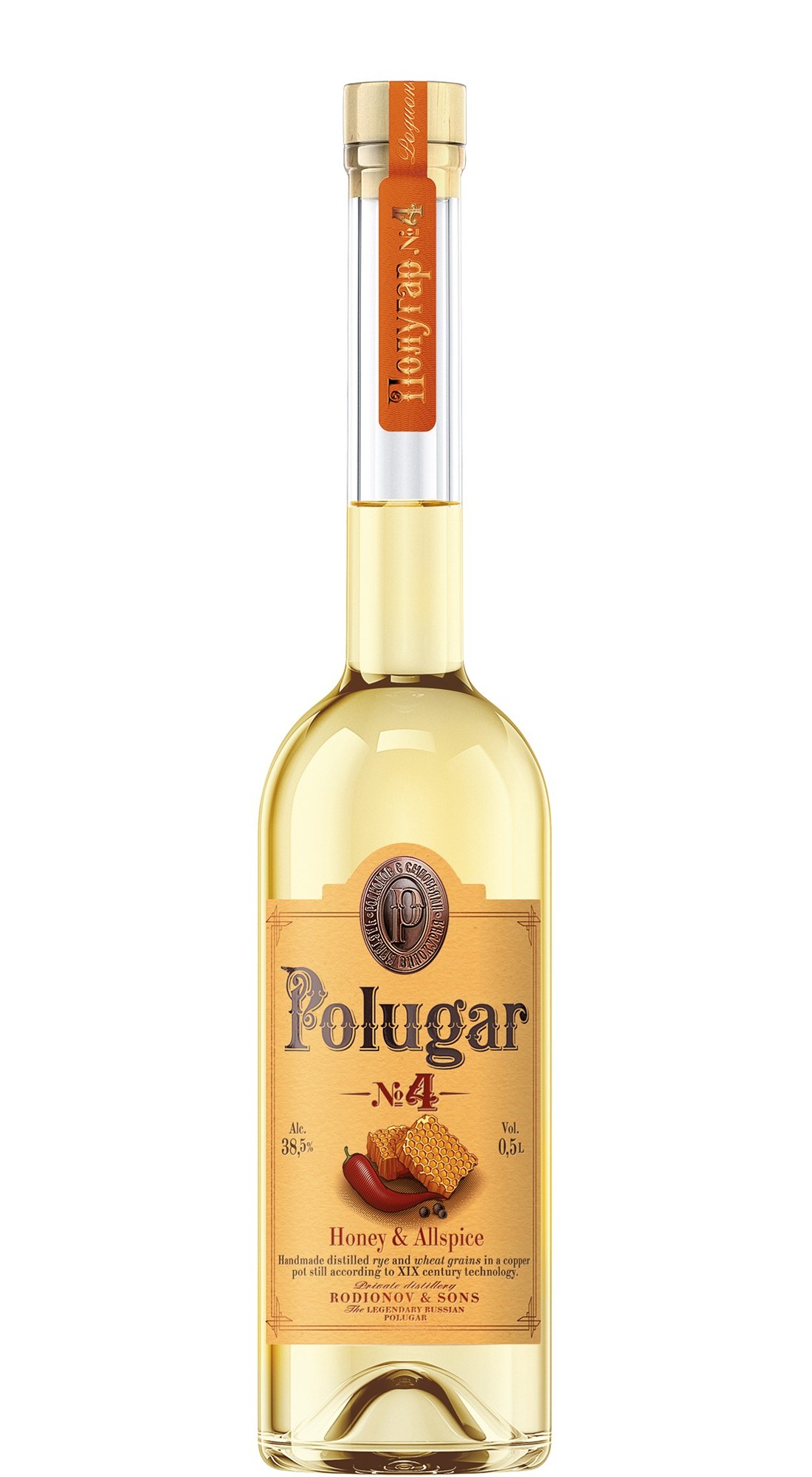
Polugar N°4 Honey & Allspice Vodka
50cl / 38.50°


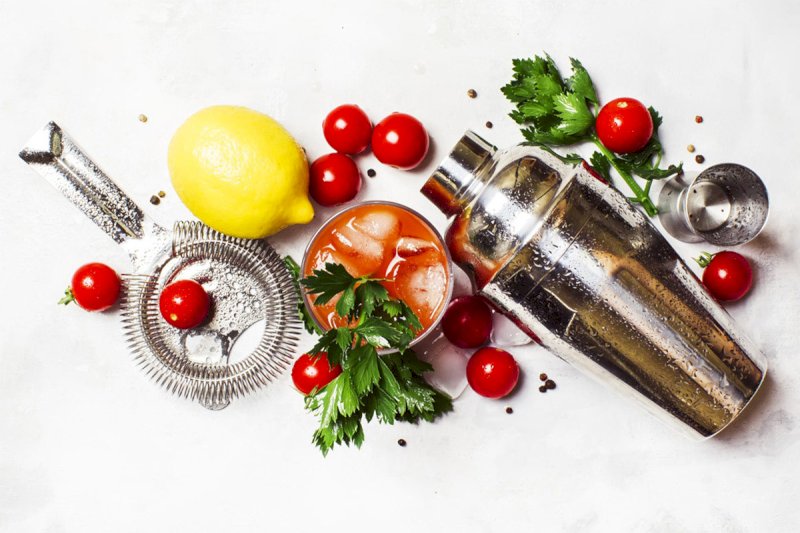
Bloody Mary: quando il cocktail si tinge di rosso
The first version of the Bloody Mary involved only equal parts tomato juice and vodka. The inventor of the Bloody Mary was French bartender Fernand Petiot in 1920, who was then working at the famous...
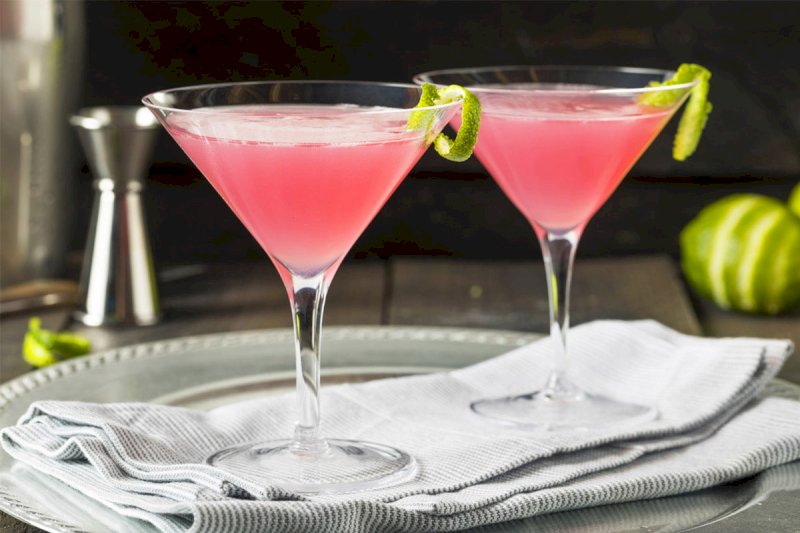
Cosmopolitan: vodka and the city
The 'Cosmo' is certainly one of the most famous 'modern classics'. It's no coincidence that it features in Candace Bushnell's best-selling novel, which went on to inspire the TV show Sex and the City, in...
The complete guide to Vodka
Vodka production has strongly influenced not just the social and demographic evolution of Russia, but of the entire European continent.