Ti potrebbe interessare anche…






The whiskey company now known as Michter's was founded by John Shenk in Pennsylvania in 1753, so it is certainly the first distilling company in the United States.
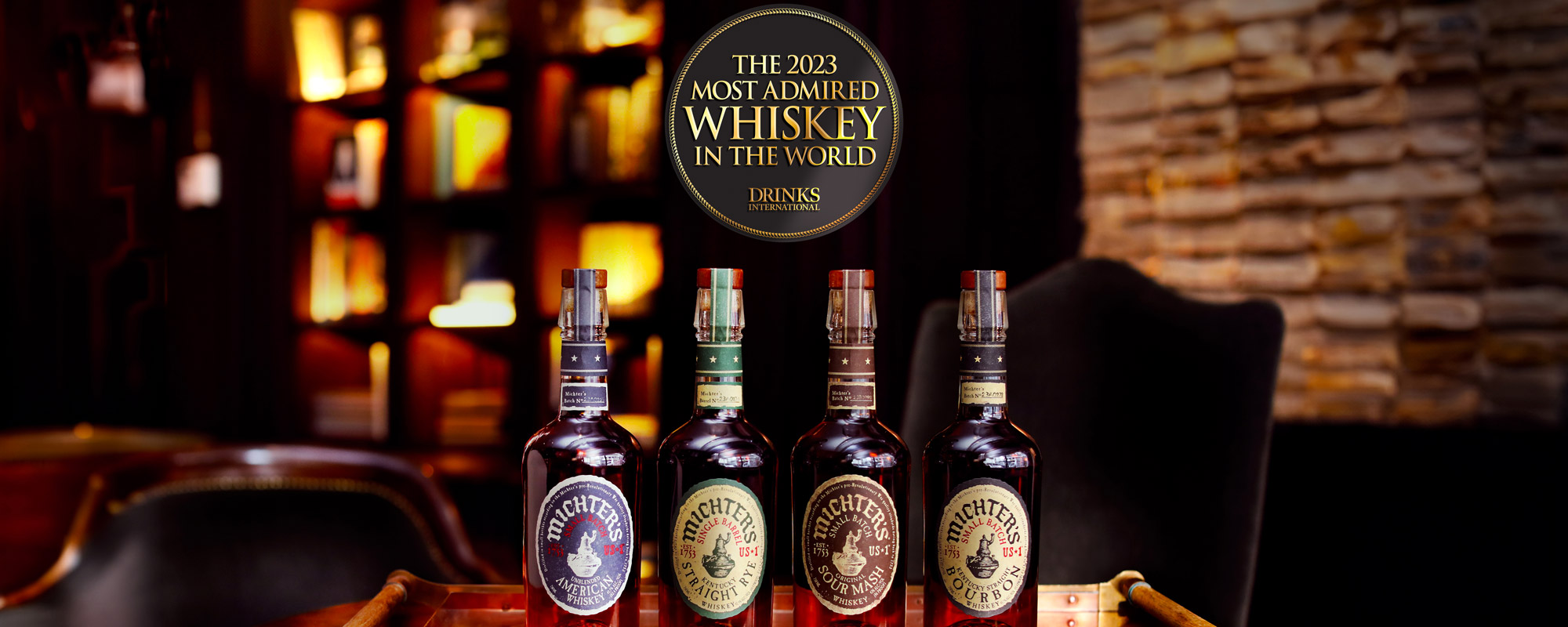
The whiskey company now known as Michter's was founded by John Shenk in Pennsylvania in 1753, so it is certainly the first distilling company in the United States.
In the 1950s, then owner Lou Forman created the current name Michter's from the contraction of the names of his two sons - Michael and Peter. In 1990, Joseph J. Magliocco and his long-time consultant Dick Newman decided to take on the challenge of acquiring and reopening the distillery, moving production to Louisville, Kentucky, in the heart of the American Bourbon industry.
Master distiller Willie Pratt has worked in the whiskey industry for more than 40 years, mainly for Brown Forman before moving to Michter's. He is nicknamed Dr.No by the Michter's sales force because of his tendency to categorically reject bottlings of young whiskeys. Joining him in production is Pam Heilmann, fifteen years at Beam Global and then Distillery Manager at Booker Noe Distillery in Boston.
The main distinguishing feature of Michter's is that it ages whiskeys at an alcohol content of 51.5°. Therefore, dilution takes place earlier and the whiskey ages already diluted for better results. Another important feature is that bourbon must age at least 4 years and many producers bottle immediately after the fourth year, while Michter's waits at least 6 years. During ageing, Willie Pratt insists on storing the ageing barrels in heat-cycle warehouses to improve the extraction of tannins and aromas.
But maturation is more important and complex. Before bottling, not charcoal filtration, which removes much more flavour, but cold filtration is done, specific and different for each of the whiskies in the range.
Distillates have different alcoholpercentages. So, we have defined a parameter allowing you to better understand and compare different prices. This parameter is calculated by dividing the bottle price by the alcohol content. The alcohol content (or strength) is the amount of pure alcohol (ethanol) contained in the distillate.
This parameter indicates the price of a single 4cl dosage of distillate. It is calculated by dividing the price of the bottle by its quantity (expressed in cl), then multiplying by the centilitres of the recommended single dose, as average in cocktail recipes.


