Ti potrebbe interessare anche…


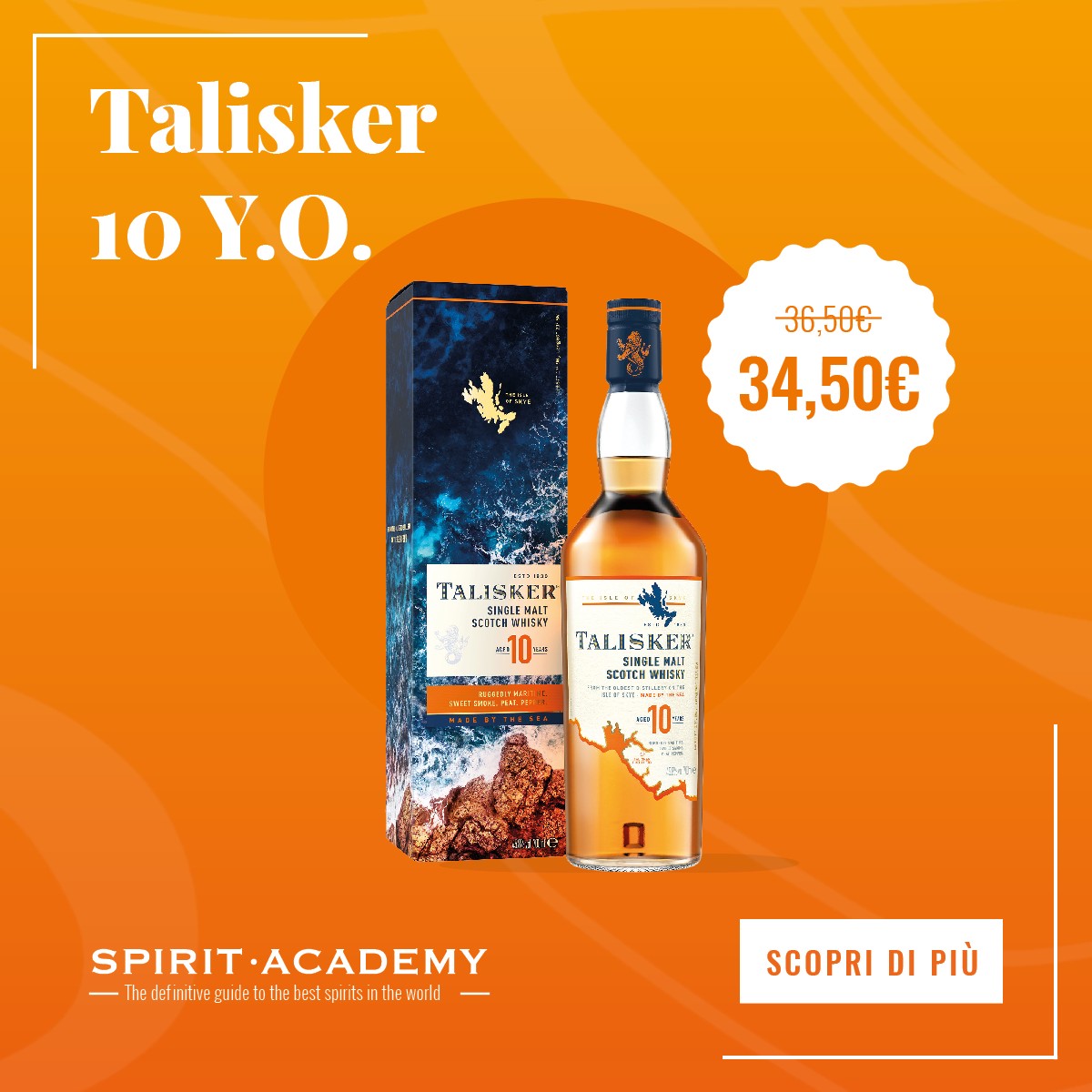





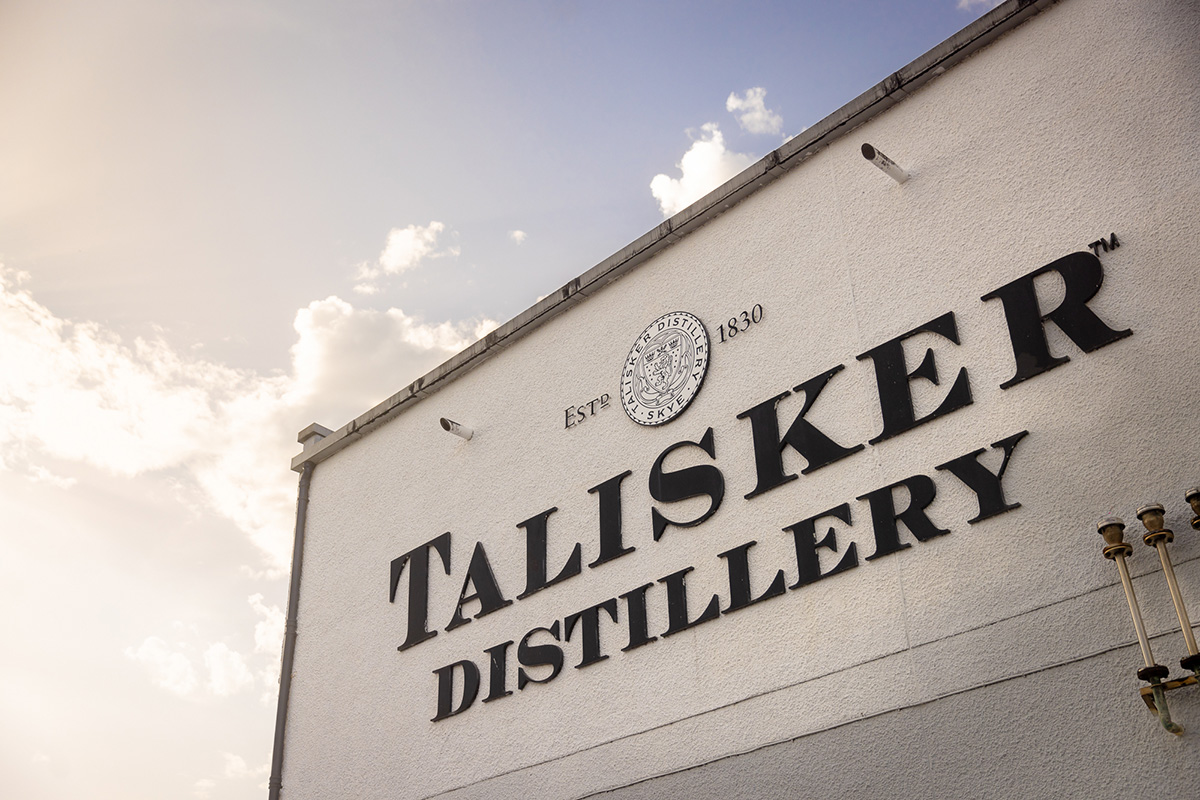

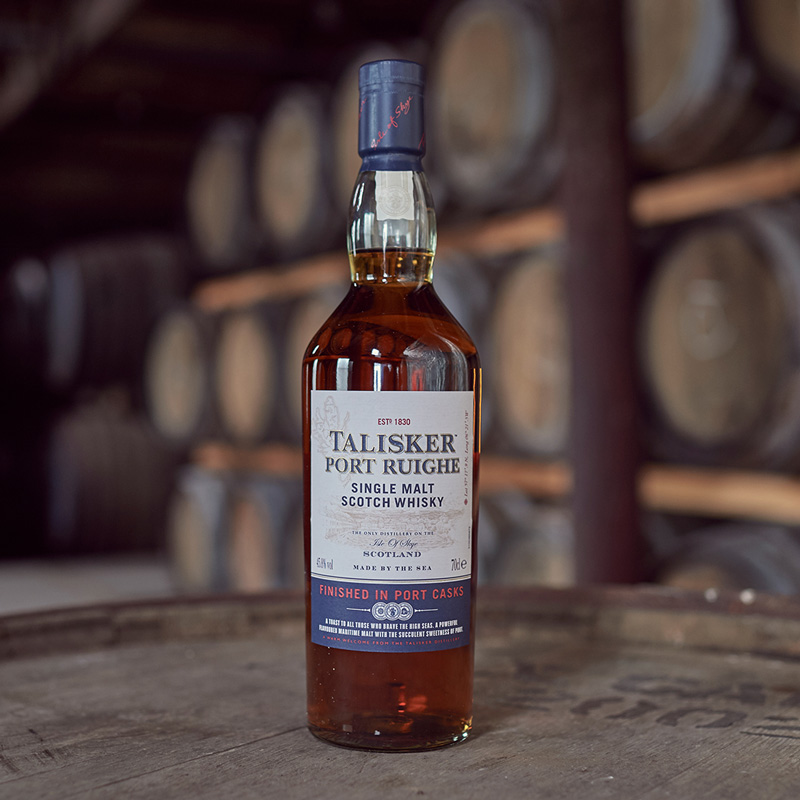
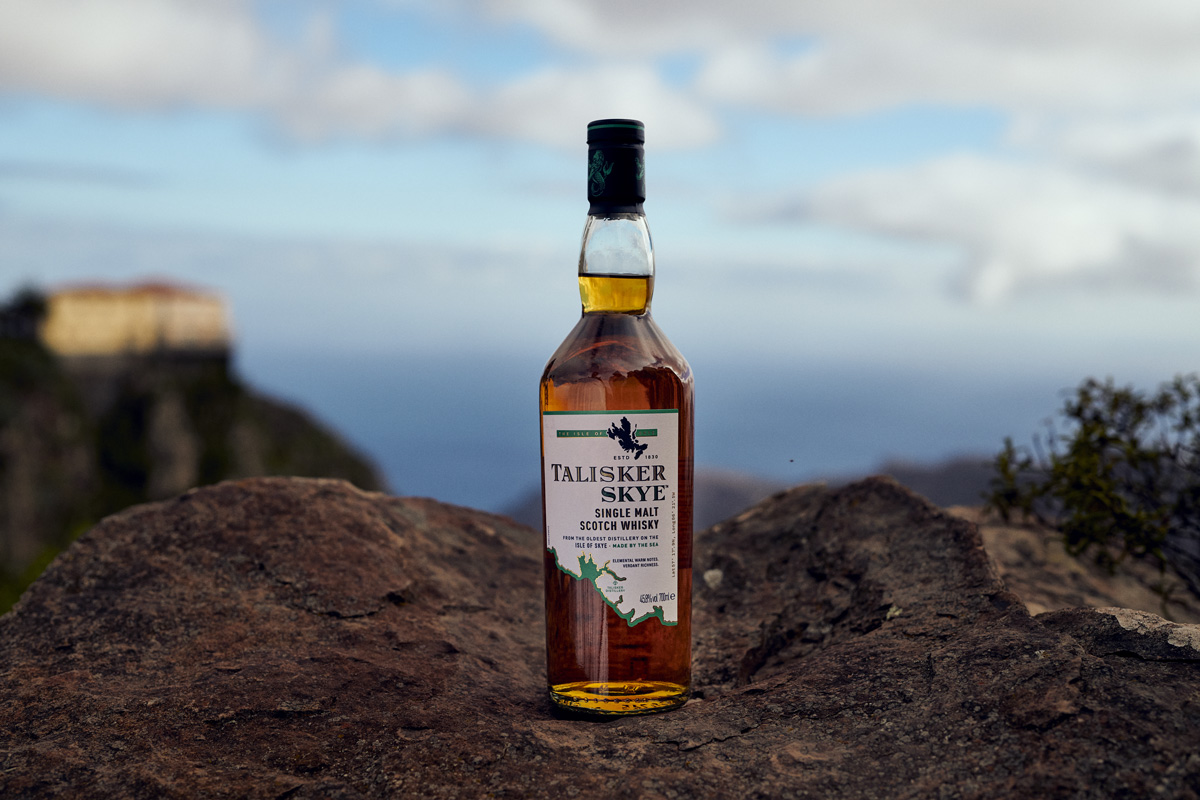
Its evocative name tells an ancient story: Talisker is the only distillery in existence on the rugged Isle of Skye, a beautiful wilderness in the Hebrides where nature reigns supreme, and wildlife is populated by seals, eagles and otters. A place that is an integral part of the island's life and, from the shores of the sea where it lies, embraces and incorporates all the elements that shape Skye.
Its name, meaning sloping rock, is intended to emphasise its mountainous landscape. Talisker is considered to be one of the world's most popular whiskies, and is truly a symbol of a whole country, Scotland, of an island but also of a culture and tradition.
The distillery traces its origins back to 1830: founded by Hugh and Kenneth MacAskill and expanded several times over the years, Talisker for the first time produced whisky using a triple distillation method, and from 1928 switched to a double distillation method. Its history came to an abrupt end in 1960, when a fire destroyed it, sparing only the external condensers. It took two years of work to rebuild everything, and in the process five exact replicas of the original distillers were built, carefully crafted to preserve the original flavours.
The territory of Skye is rich in peat, which in these parts is used as fossil fuel for cooking and heating, as well as for Talisker whisky, universally recognised as the number one brand of peat whiskies.
In addition, the water used for production flows right over peat deposits, which adds further smoky notes to its whiskies.
Talisker takes great care in maintaining traditional production methods, which also includethe use of the most natural raw materials possible. Water is collected from 21 different underground springs that flow past the distillery. The vast majority of the peat malt used comes from the malting plant in Glen Ord. The fermentation process takes place in 8 wooden tanks and is very long, approximately 65 hours.
The stills for distillation are two wash stills for the first and three spirit stills for the second; all five use classic coils instead of modern condensers.
To be considered a true Scotch Whisky, the distillate must rest in oak casks in Scotland for at least three years, but Talisker normally uses much longer maturation times in order to give greater complexity and concentration of flavours to its releases.
Distillates have different alcoholpercentages. So, we have defined a parameter allowing you to better understand and compare different prices. This parameter is calculated by dividing the bottle price by the alcohol content. The alcohol content (or strength) is the amount of pure alcohol (ethanol) contained in the distillate.
This parameter indicates the price of a single 4cl dosage of distillate. It is calculated by dividing the price of the bottle by its quantity (expressed in cl), then multiplying by the centilitres of the recommended single dose, as average in cocktail recipes.


