Ti potrebbe interessare anche…
A lifelong whisky lover, Dan couldn't help but notice the barley fields around his new home, and at the same time the absence of distilleries in the region.
Combining his passion for spirits with a new business project, Cotswolds Distillery was born.
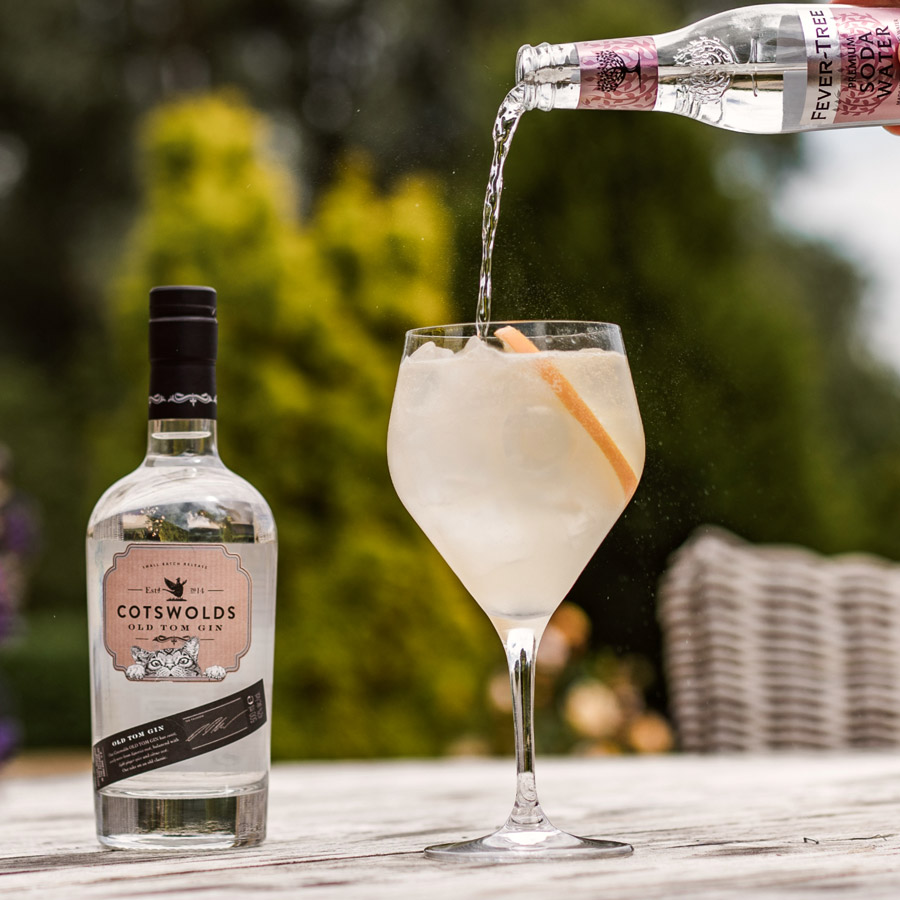
It began with gin, spending two months studying and researching botanical recipes. After distilling 150 spirits based on single botanicals, in a wide range of different aromas, experimenting with various combinations, the distillers create over 60 gin recipes, from which the one that will become Cotswolds Dry Gin is selected.

To produce the gin, Cotswolds Distillery begins with a neutral grain-based alcohol base, with which the 500-litre pot still created by Arnold Holstein and called Dolly is filled three-quarters full. To this base the essential botanicals are added, which are left to macerate for 15 hours, after which the others are added: compared to most distilleries, the amount of botanicals used is ten times greater, to extract the maximum aromas.
After distillation, the gin rests for five days, then water is added to reduce the degree and it is bottled: a process called 'single-shot distillation', according to which no other grain distillate is added to increase the yield, and all the aromas and flavours are preserved intact.


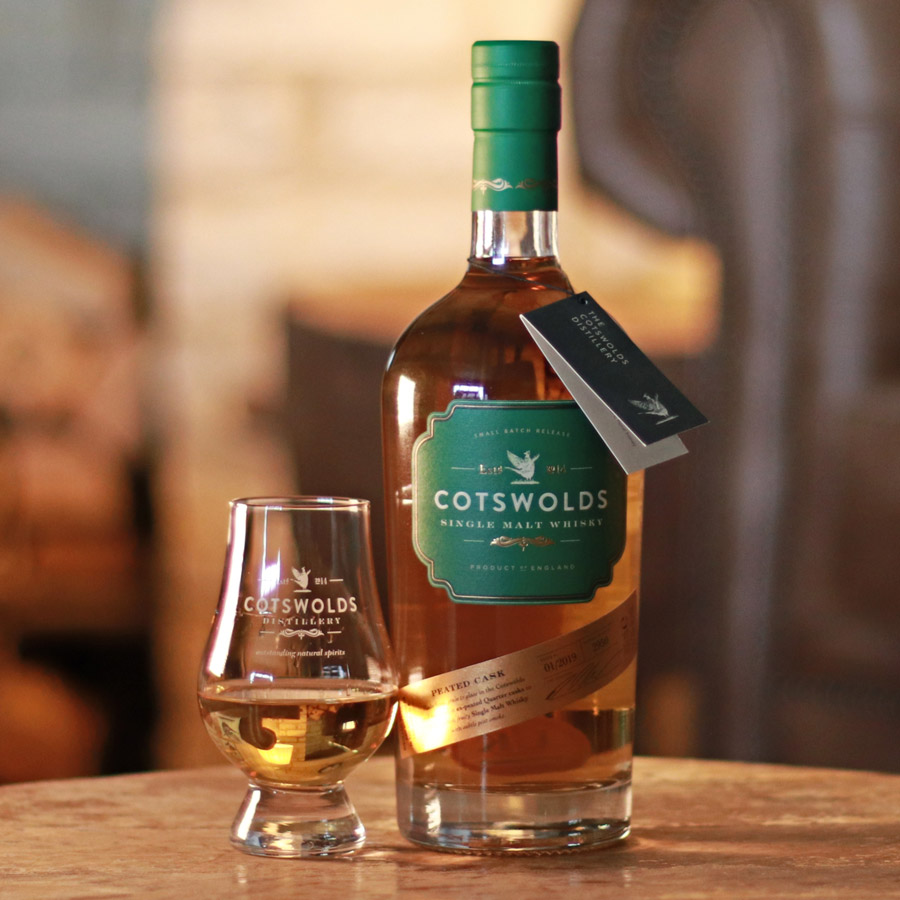
The first whisky is distilled at the end of 2017, and the range expands in the following years, thanks in part to the guidance of Harry Cockburn, former Distillery Manager at Bowmore, and Dr Jim Swan, known as the 'Einstein of whisky'.
The barley, which is 100% local, undergoes the malting process; after the milling and mashing phases, fermentation takes place: 90 hours during which the resulting mash rests together with the two types of yeast, Anchor and Fermentis. Distillation takes place on the fifth day, and the new make is reduced in degree by the addition of water. Maturation takes place in selected oak barrels.


Distillates have different alcoholpercentages. So, we have defined a parameter allowing you to better understand and compare different prices. This parameter is calculated by dividing the bottle price by the alcohol content. The alcohol content (or strength) is the amount of pure alcohol (ethanol) contained in the distillate.
This parameter indicates the price of a single 4cl dosage of distillate. It is calculated by dividing the price of the bottle by its quantity (expressed in cl), then multiplying by the centilitres of the recommended single dose, as average in cocktail recipes.