Ti potrebbe interessare anche…







Nagahama Bourbon Cask Single Barrel No. 313: from Japan's smallest distillery
Nagahama Bourbon Cask Single Barrel No. 313 is a Single Cask produced by Nagahama, Japan's smallest craft distillery, in operation since December 2016. Located near the shores of Lake Biwa, Japan's largest freshwater lake, it uses its waters for its own production. Distilled in July 2018 and bottled in July 2021, this whisky was conceived and crafted by Master Takashi Kiyoi and distiller Yusuke Yahisa, who used a proportion of very peaty barley and chose an ex-bourbon cask for ageing to preserve its peaty character.
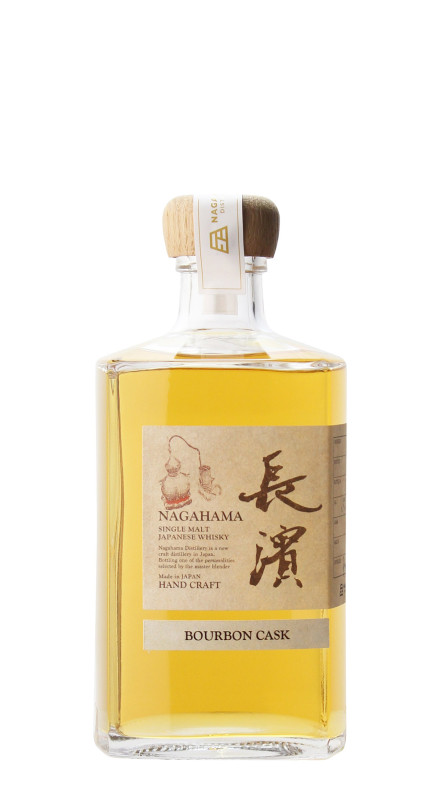
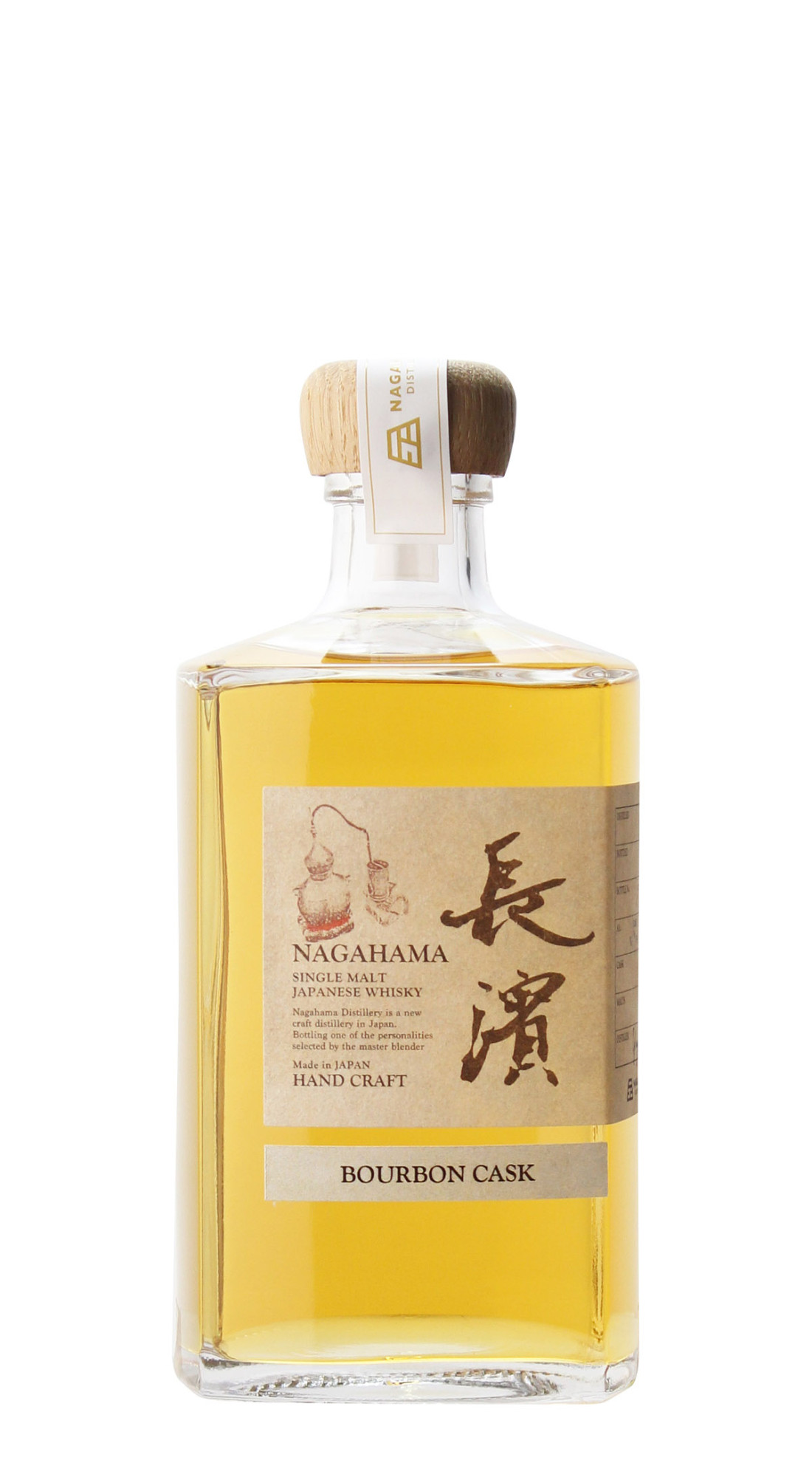
Nagahama Bourbon Single Cask No. 0313 Heavily Peated
50cl / 61.90°



The Complete Guide to Whisky
Ireland and Scotland have always contended over the paternity of the invention of whisky, however, there are no official documents and we will not go into this centuries-old dispute, but will rely on...
Peat whisky: a bit of history
Peat whisky offers great emotions, unmistakable flavours and smells that enrapture us and that, when combined with the scents given by oak wood, create new horizons of taste. But what is peat and where...
Not only sake: a trip to Japan among whisky, gin, rum and spirits
The production and consumption of alcohol in Japan has a thousand-year history that has been enriched and evolved considerably in this century, leading the country to world fame not only for its infamous...