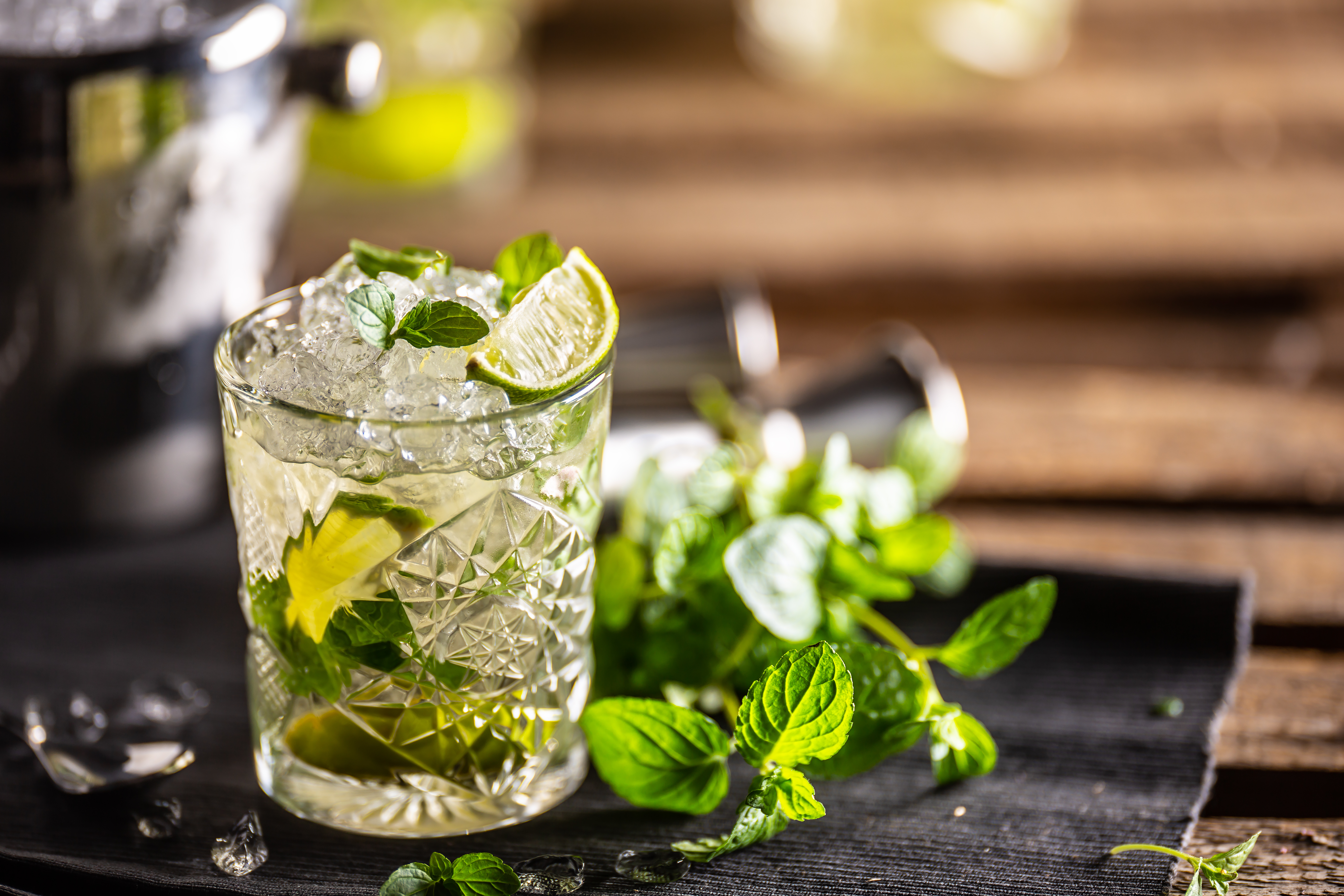
Raise your hand if you have never tasted a Mojito, perhaps on some warm summer evening: it is hard to find anyone, even among people less fond of cocktails. It is indeed one of the most popular drinks in the world, with legendary origins but still linked to the world of pirates.
The history of the Mojito is in fact linked to that of Sir Francis Drake, the famous English privateer, who in 1586 supposedly created a mixture of lime juice, water, cane sugar, distilled spirits and mint. This drink, known as El Draque, had two main purposes: to give pirates and sailors courage during assaults and, thanks to the vitamin C contained in the lime, to help fight scurvy, which was widespread among those who spent months on ships.

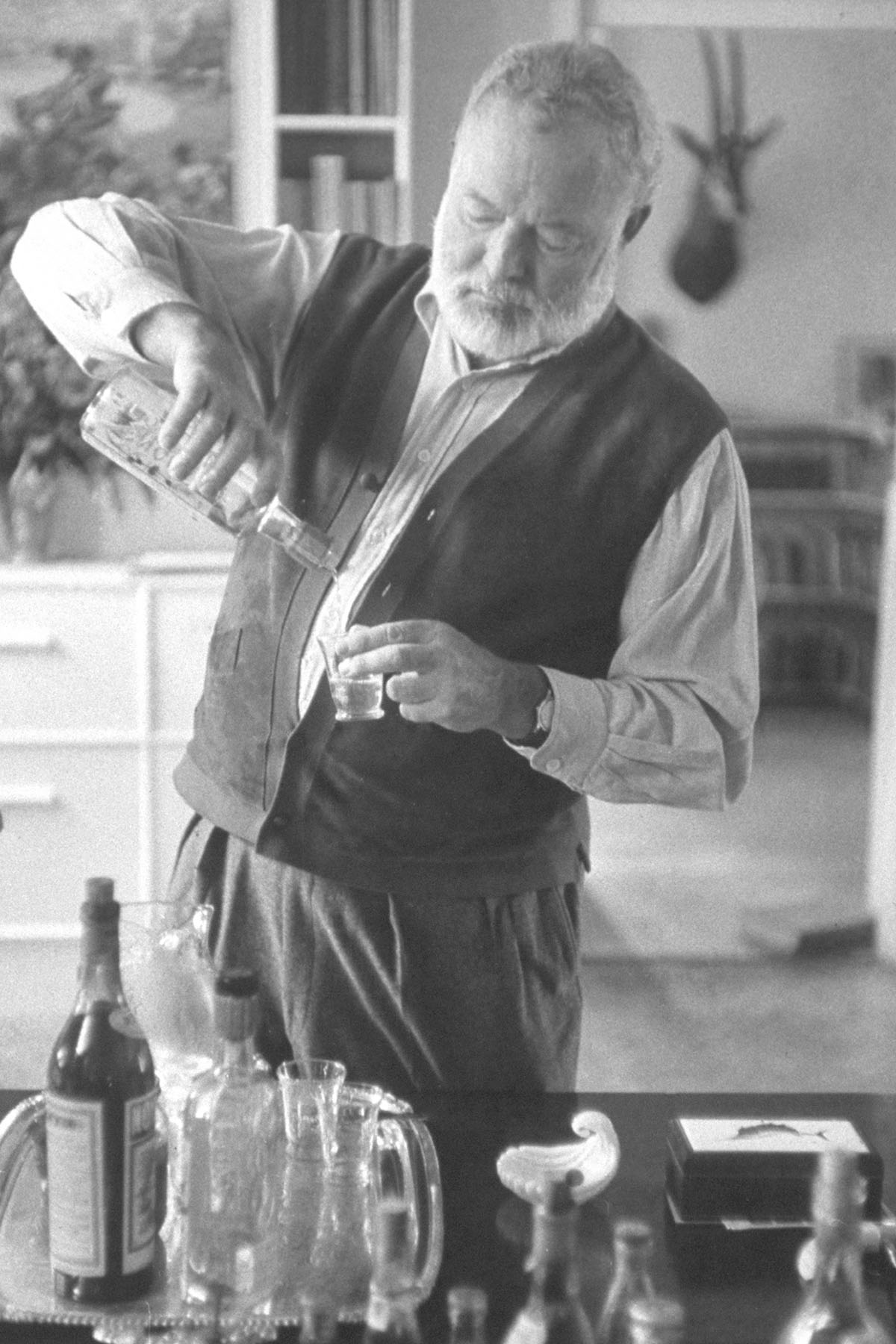
The Mojito as a cocktail, on the other hand, began to spread in the mid-19th century, at the same time as the spread of rum, and entered into legend thanks to the writer Ernest Hemingway. A great drinker, as well as the author of some of the most famous novels in the history of literature, Hemingway was an avid frequenter of the Bodeguita del Medio, the establishment of the legendary bartender Angel Martinez. It was here that the writer left his famous saying: 'My mojito in La Bodeguita, my daiquiri in El Floridita'.
The origins of the name are also uncertain: Mojito might derive from mojo, a Caribbean sauce made of lemon juice and garlic, but according to another, more suggestive version, it comes directly from the world of voodoo, where mojo means 'spell'.
The Mojito is always too often 'mistreated': the mint should not be crushed and broken up, as this prevents it from benefiting from its essential oils, compromising the drinking pleasure.
The lime should be squeezed, preferably on the spot, in order to obtain the right acidity by balancing it with the aromatic part of the fruit itself.
Try to keep the soda cool: it may seem like a detail, but this will avoid over-dilution.
Make sure that the rum you are going to use in the Mojito has an aromatic richness that will bring you back to sugar cane. This cocktail has suffered from over-popularity, and all too often is prepared with very low quality rums, without any aromatic intensity: practically rums that, apart from the alcoholic charge, carry nothing.
The ice must be whole cubes, so as to maintain the temperature as well as possible. Often crushed or cracked ice is not stored properly, so it heats up quickly and dilutes the cocktail irreparably.
Place fresh mint, a whole sprig complete with leaves and sprig, in the glass.
Add two tablespoons, barspoon size, filled with brown sugar.
Squeeze the lime on the spot and pour into the bottom of the glass. The lime should be massaged lightly before cutting it in half: this helps to soften the pulp and release the juice more easily. However, do not exaggerate with the pressure, you risk extracting bitter taste from the white part under the peel.
Add a small amount of soda.
Whirling the pestle in the glass, massage the mint without crushing it, so as to release all the essential oils of the mint. Do not exaggerate with the pressure, otherwise you will end up extracting the bitterness and herbaceous taste, which spoils the overall taste of the cocktail by bringing in smells of wet grass, and losing the fragrance of the mint.
Add ice, strictly in cubes.
Pour in the rum. You should look for a distillate with a medium intense flavour profile, such as ron might have been at the time this cocktail was invented.
Mix with barspoon. Top up with soda water, always cold, so as not to trigger unwanted dilution.
Mix quickly.
Garnish with a sprig of mint at the top, it is always very aesthetically pleasing and retains a good amount of essential oils.


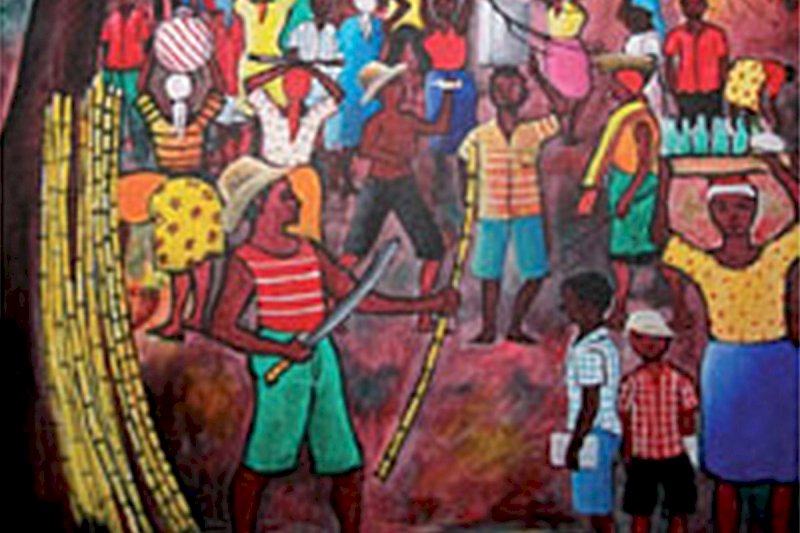
Haiti is the last frontier of rum and 'Clairins' are the rums of Haiti. They are artisanal and artistic productions, some minuscule, spread in the only Caribbean territory untouched by the 'modernisation'...
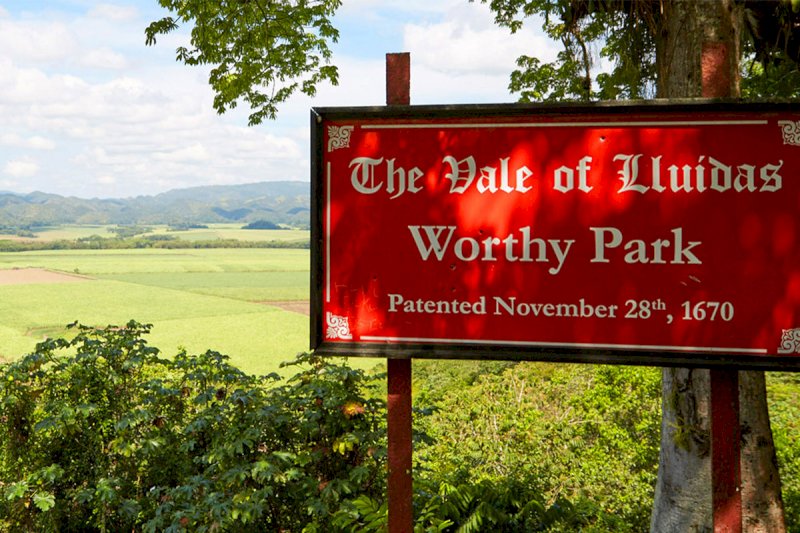
Jamaica's Worthy Park, located in a lush green area sixty kilometres from the capital city of Kingston, holds the incredible record of being the world's oldest working distillery. It was in fact in 1670...
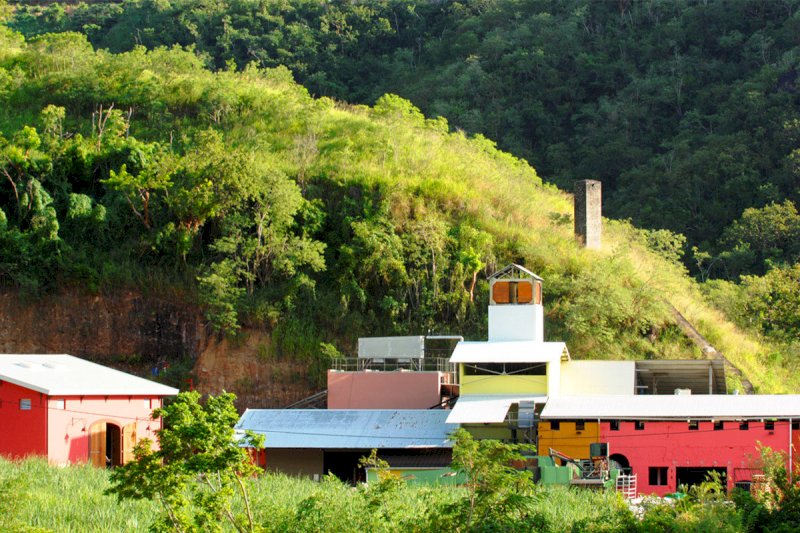
The story of Neisson began in 1932, when the brothers Adrien and Jean Neisson bought La Thieulbert, a 20-hectare sugar cane estate on the northwest coast of Martinique. Adrien opened the first distillery...
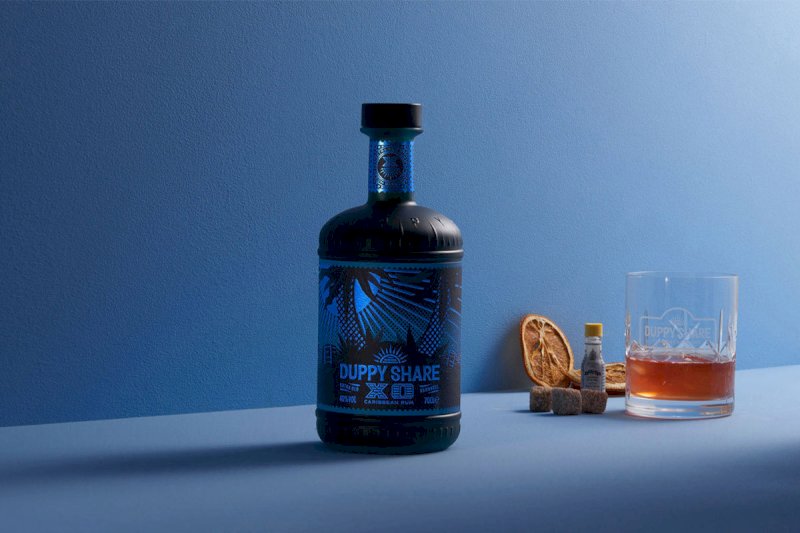
Duppies are ghosts or spirits present in many Caribbean legends. Originating in Jamaica, they are known for their great passion for rum. According to tradition, they would be the ones to roam the...
Distillates have different alcoholpercentages. So, we have defined a parameter allowing you to better understand and compare different prices. This parameter is calculated by dividing the bottle price by the alcohol content. The alcohol content (or strength) is the amount of pure alcohol (ethanol) contained in the distillate.
This parameter indicates the price of a single 4cl dosage of distillate. It is calculated by dividing the price of the bottle by its quantity (expressed in cl), then multiplying by the centilitres of the recommended single dose, as average in cocktail recipes.