Ti potrebbe interessare anche…






THE PRODUCTION METHOD
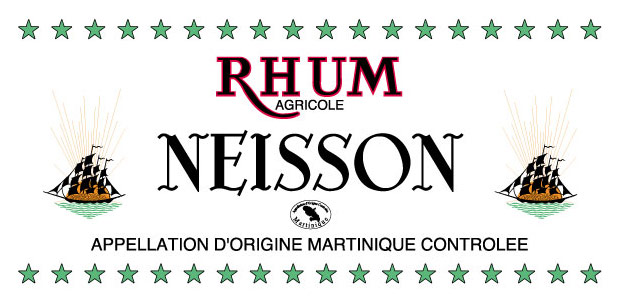
Grégory Neisson is a true pioneer in the cultivation of sugar cane using sustainable methods: almost all of his production has obtained organic certification, or is currently undergoing a conversion process.
The canes grown on the forty hectares of his property are among the best varieties included in the specifications of the Aoc Rhum Agricole Martinique, created in 1996 also thanks to Claudine Neisson's contribution: Cannelle, Zikak, Rouge, and even a part of the very rare non-hybrid Cristalline.
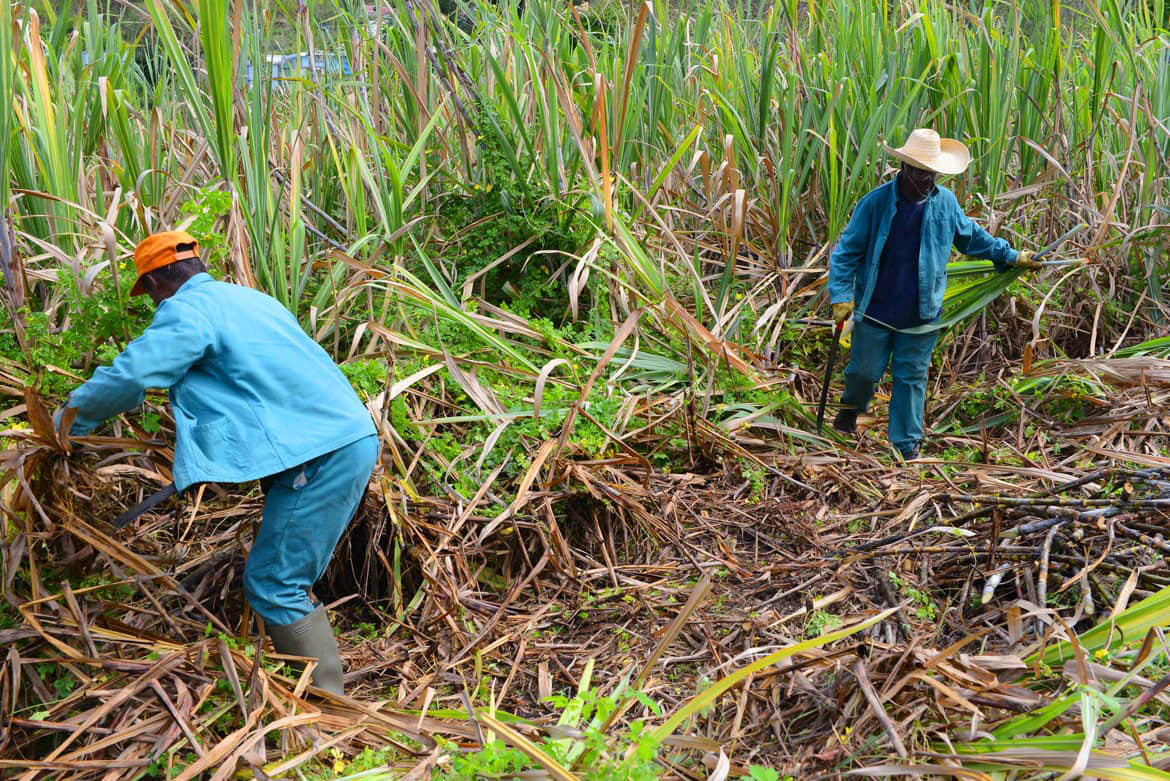
After the partially manual cutting, the cane is pressed in the distillery; the juice is put into fermentation, using a strain of yeast selected from those indigenous to the Neisson canes.
This is a fundamental process, capable of transmitting the aromatic richness that the reeds take from the subsoil.
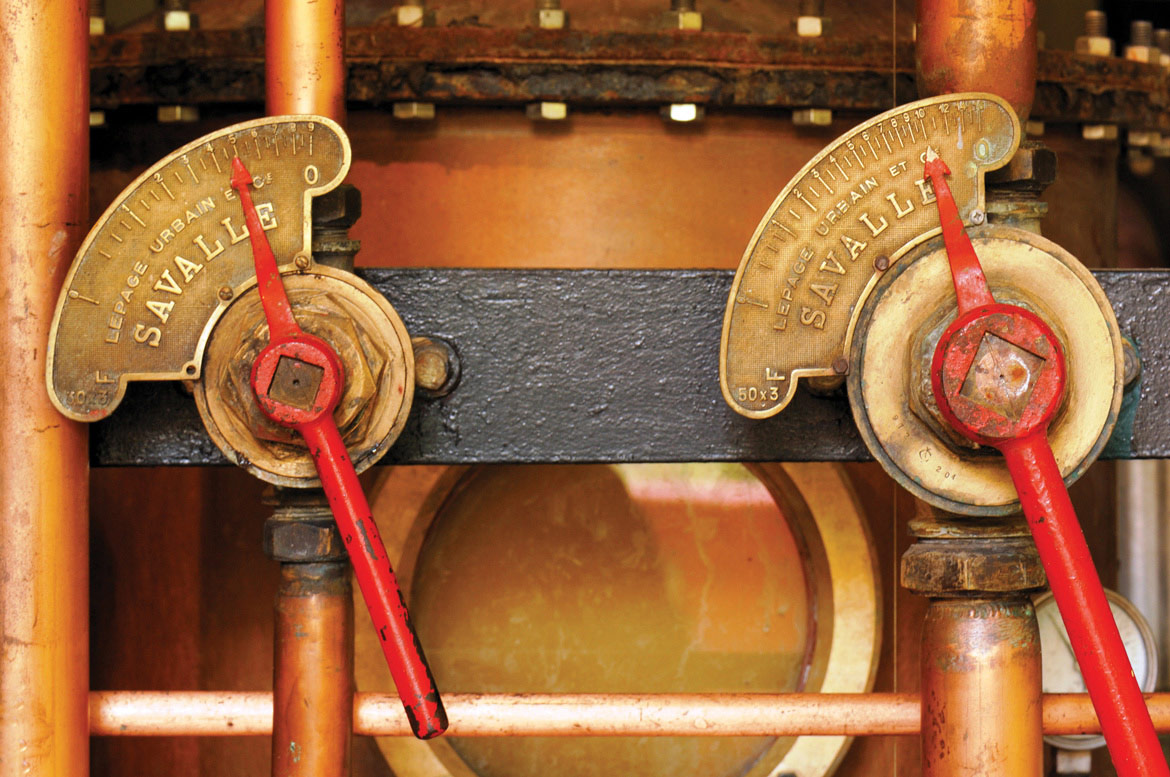
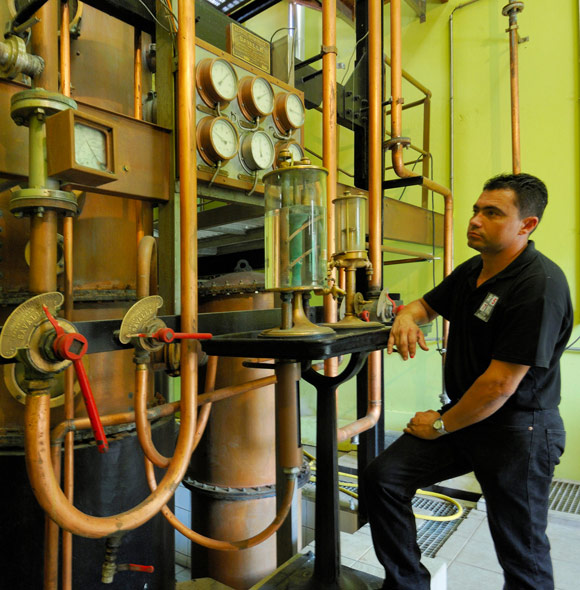
The cane fermented in this way after 96 long hours is truly unique, and is ready to be distilled in the famous Savalle column created in 1952 by Jean Neisson.
NEISSON: OUR SELECTION

A selection of rums aged in five different releases: 12, 15, 18, 19 and 21 Y.O.
Neisson 12 Y.O. release 2005 - bottled to celebrate Velier's 70th anniversary, this rum was cask strenght bottled in 1200 bottles. An explosion of rich, warm tropical aromas.
Neisson 15 Y.O. - this rum is a selection of just 500 bottles, from 3 ex-bourbon casks, aged on 9 July 2004 and then bottled on 23 April 2020. A great complexity of woody aromas, spicy and citrus notes, veined with vanilla.
Neisson 18 Y.O. Batch 2 - this rum is a vintage 1997 grand cru, produced from a blend of three casks in an edition of 750 bottles. Round and complex, with notes of spice, vanilla and chocolate.
Neisson 19 Y.O. - this rum is a blend of 150 litres aged on 31 January 2001 and only 50 litres aged on 17 November 2000. A great intensity of roasted wood, fruity cocoa aromas.
Neisson 21 Y.O. - this rum was aged on 30 September 1993 in 38 rum casks at 69°. In 2014, only 3 of 195 litres remained. Numbered 93/002, 003 and 004, these casks were then assembled on 10 October 2014 for a total volume of 200 litres at 45.3°. Round and intense, with notes of wood, coffee, cocoa and spices.


