Ti potrebbe interessare anche…








Neisson Carafe Mizunara Cask 282: one of the most unusual collaborations in the world of rum
The Neisson Mizunara project stems from a collaboration between Grégory Vernant of the Neisson distillery and the Franco-Vietnamese artist Cyril Kongo, a leading figure in the international street art scene.
The idea was not simply to create a limited edition of agricultural rum, but to explore the concept of time: the agricultural cycle of the sugarcane, the maturation period of the spirit, and the artistic creation of the painting. This is why each bottle is an integral part of a work of art, and not merely a container.
After an initial maturation in traditional ex-bourbon or ex-cognac casks, the rum was transferred to Mizunara Japanese oak casks for around two years. Mizunara is one of the rarest and most difficult woods to work with in the world: it is porous, fragile and highly aromatic. It is particularly renowned for use in the maturation of Japanese whiskies, as it imparts distinctive aromas of incense, sandalwood, sweet spices and resin.
Each decanter is engraved and presented within a frame hand-painted by Cyril Kongo. No two pieces are identical: the artwork and the spirit form part of the same project. Only 33 bottles were produced from each cask.
Bottle No. 32 of 33 produced.

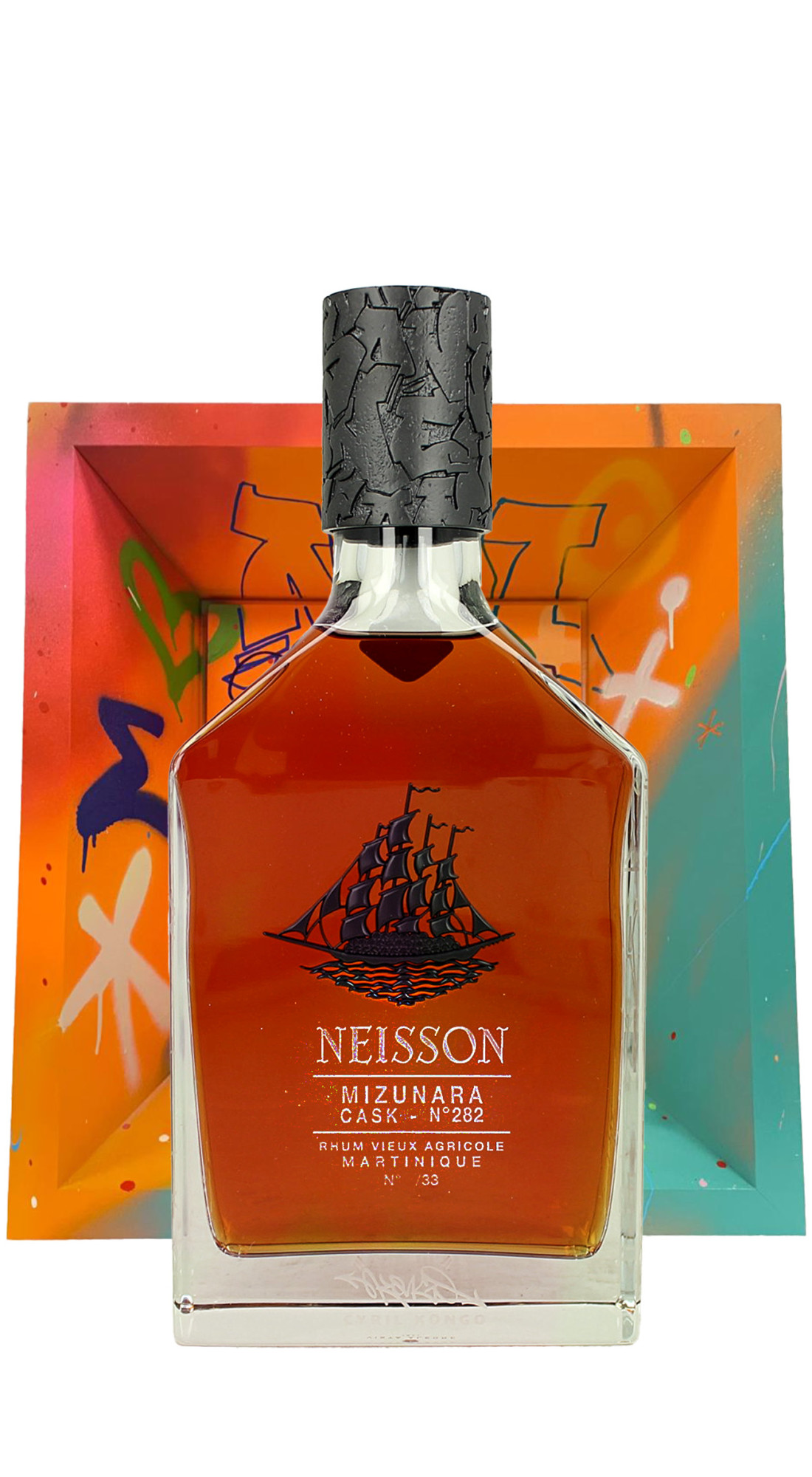
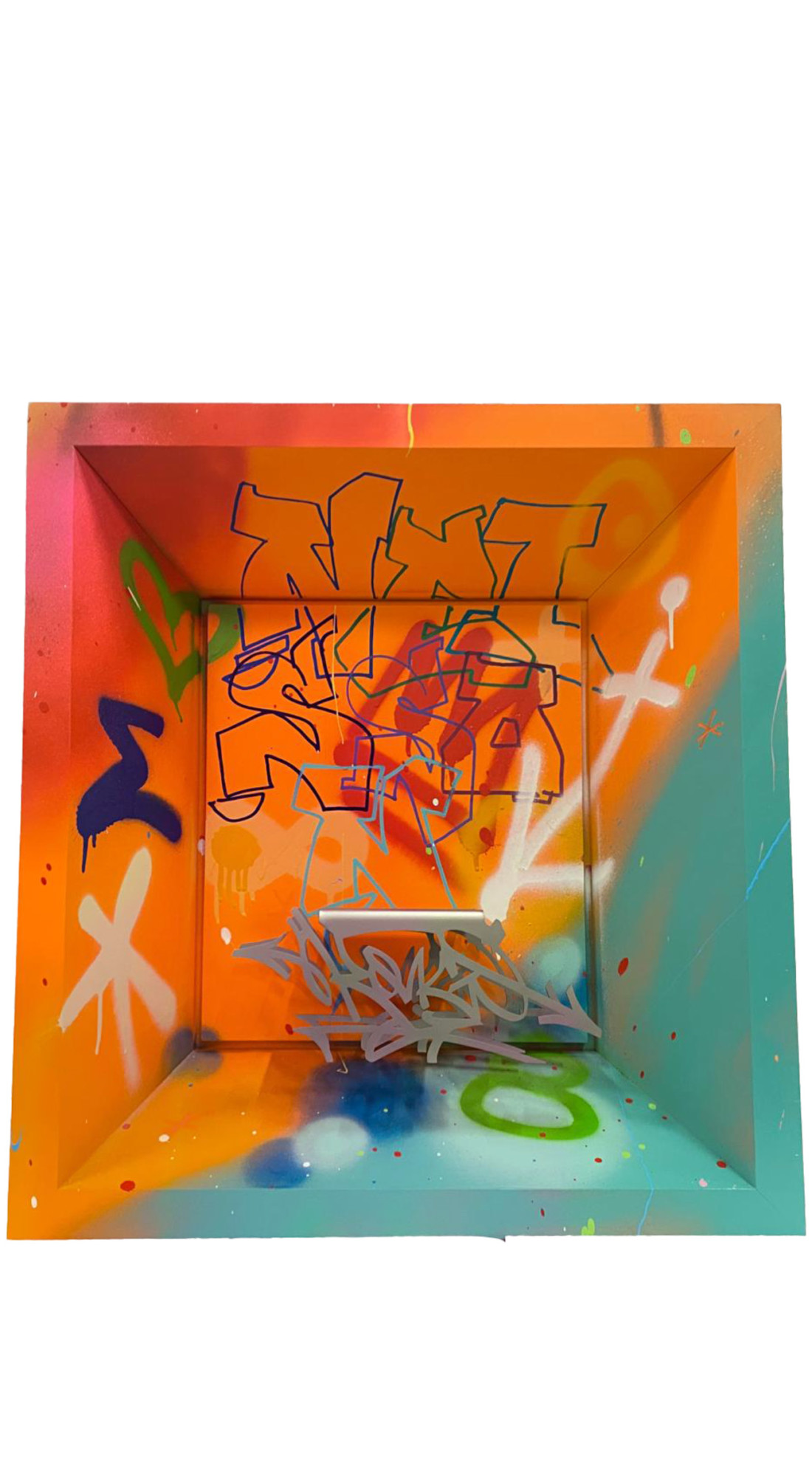
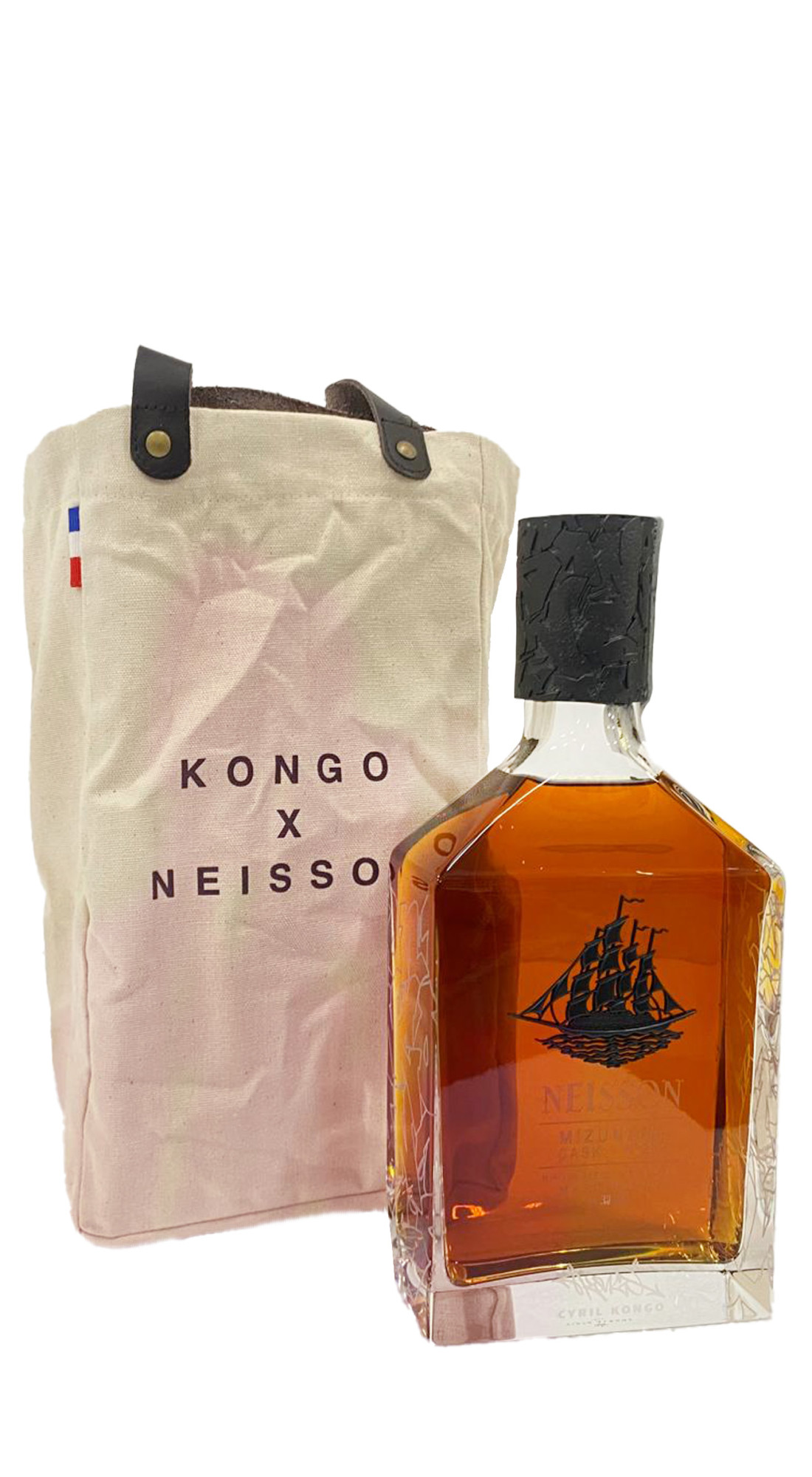
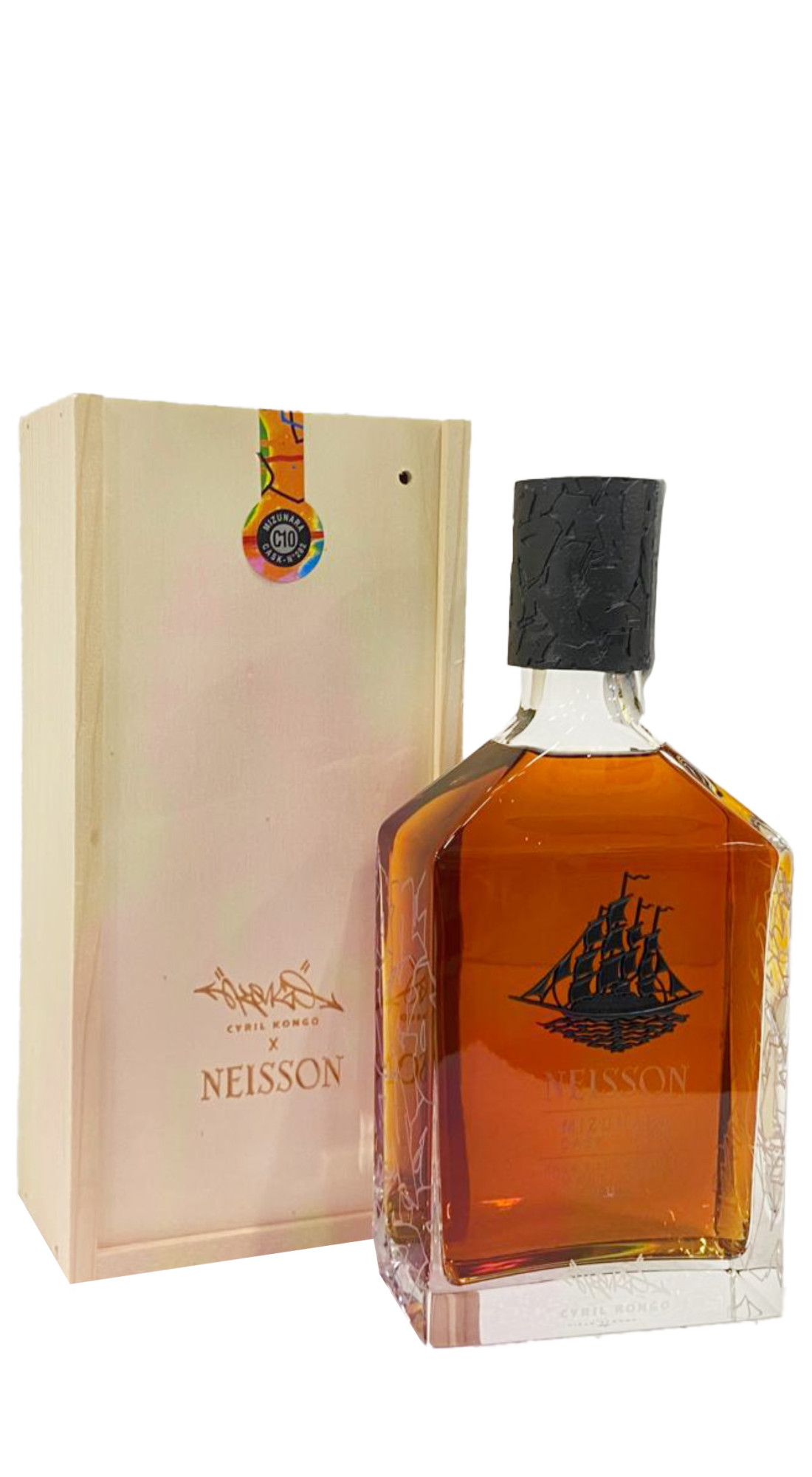
Kongo x Neisson Carafe Mizunara No. 282Cask #282 – N° 32/33
70cl / 49.80°



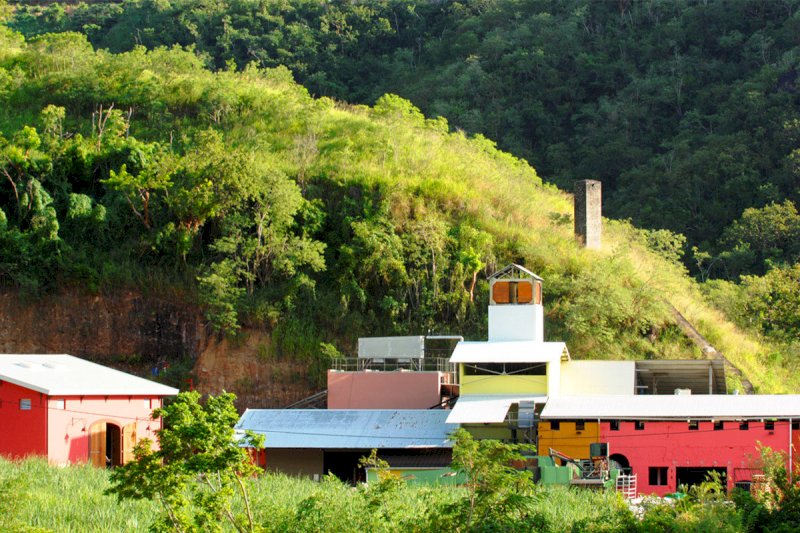
Neisson Rum Agricole: Martinique in the glass
The story of Neisson began in 1932, when the brothers Adrien and Jean Neisson bought La Thieulbert, a 20-hectare sugar cane estate on the northwest coast of Martinique. Adrien opened the first distillery...
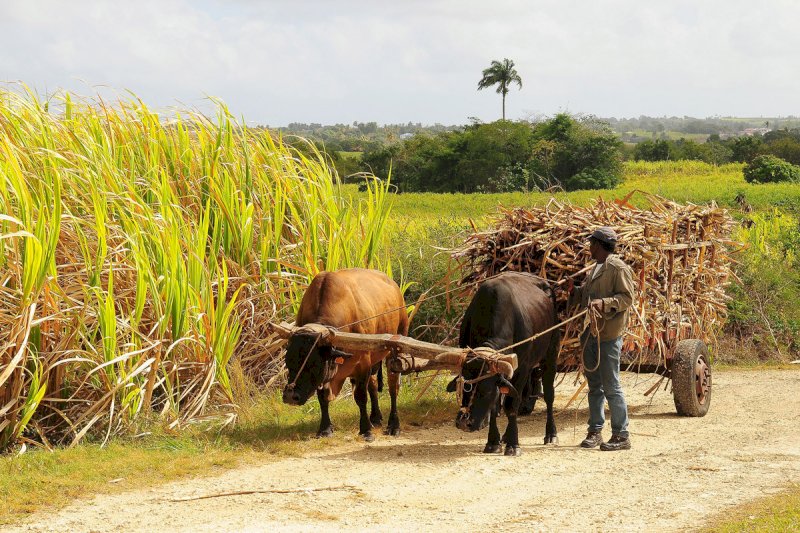
The complete guide to Rum
Discovered by the West following on from the Spanish, French and English conquests of the Indies, rum was originally a slave and seafarer drink. Used as bait by pirates in their attempts to get the...