Ti potrebbe interessare anche…








A very complex agricultural rhum thanks to the richness of the volcanic subsoil of the north east of Martinique, and in particular from the plots of the village of Le Carbet, where the distillery is located. The sugar canes grown here are harvested partly mechanically and partly manually, transported to the distillery and immediately pressed in the ancient roller mills moved by the steam mill. During pressing, the juice is added with water and passes into large open stainless steel vats, where fermentation begins with selected yeasts from an indigenous stock isolated on Neisson's reeds. Slow distillation in the 1952 Savalle copper column and a long rest in steel vats, where the alcohol content is very slowly lowered until it reaches 50 °.
All these attentions during the production lead the Rhum Agricole Neisson to have a great aromatic complexity. Format of 1 liter.
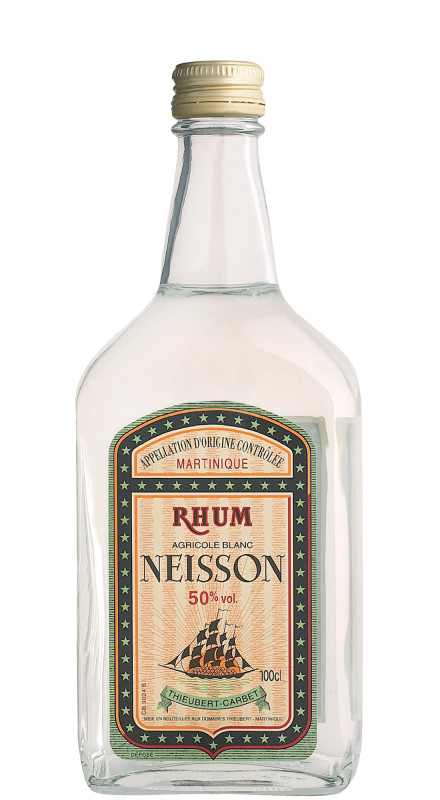
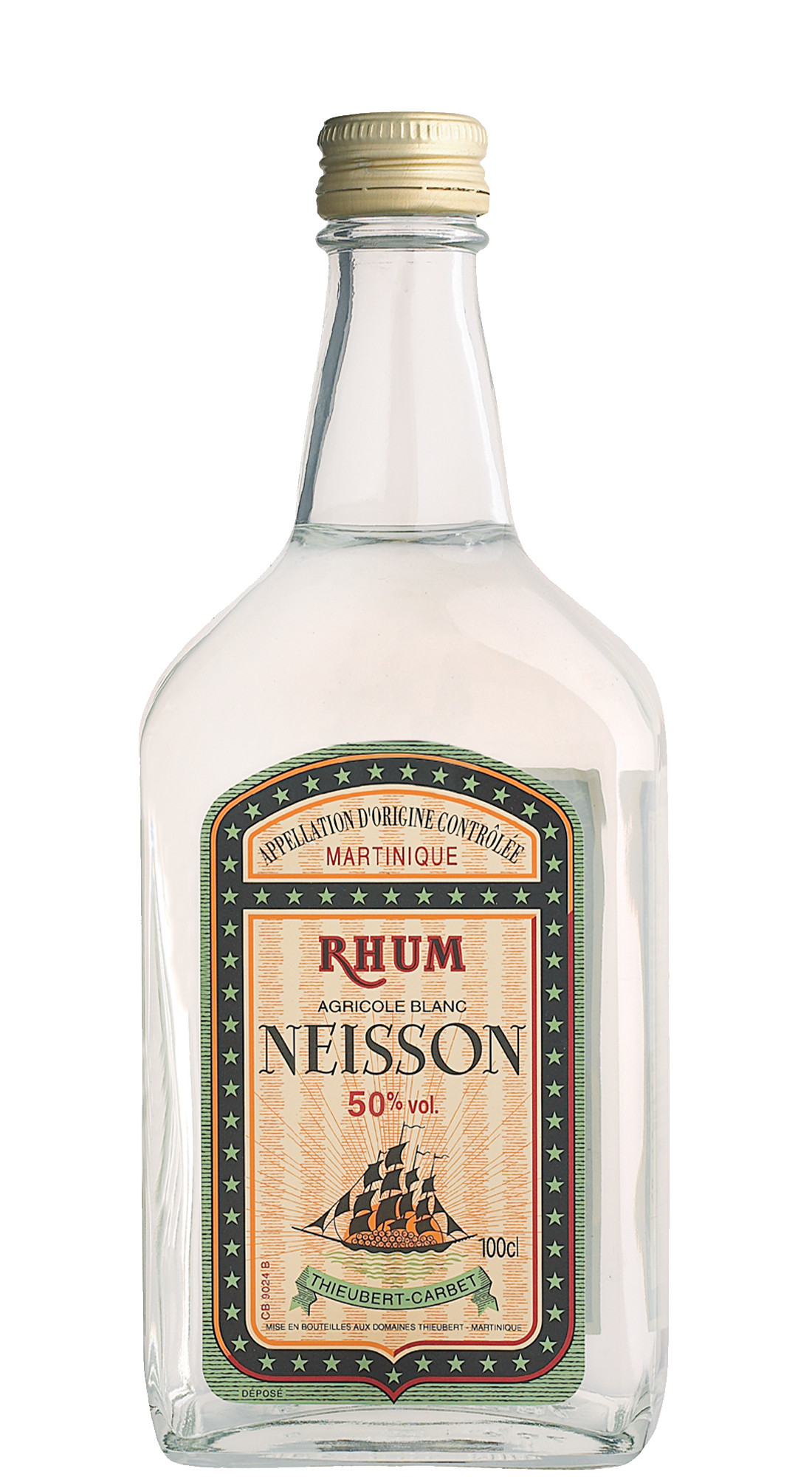
Neisson Blanc 100cl
100cl / 50°



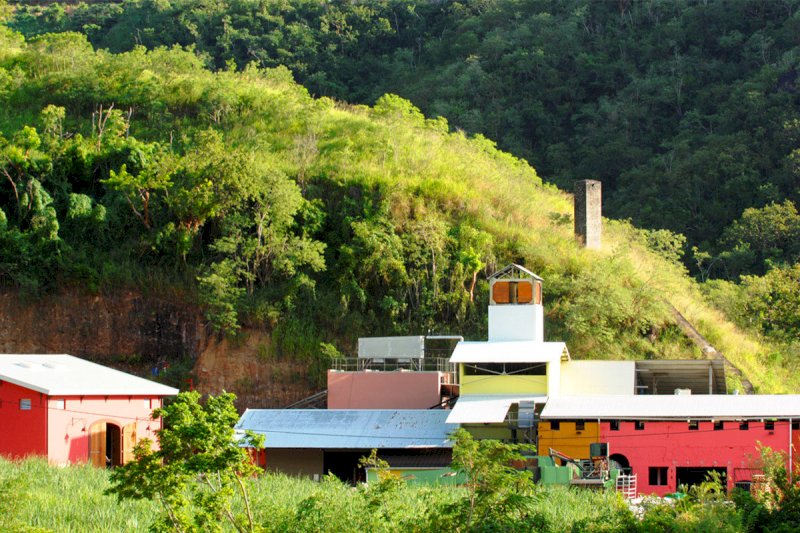
Neisson Rum Agricole: Martinique in the glass
The story of Neisson began in 1932, when the brothers Adrien and Jean Neisson bought La Thieulbert, a 20-hectare sugar cane estate on the northwest coast of Martinique. Adrien opened the first distillery...

Daiquirì, Caribbean vibes
The date of birth of this iconic cocktail is uncertain, but it's almost certain that it wasn't born as we know it today, shaken in a shaker and served in a bowl. Mining engineer Jenning Cox proposed it in...
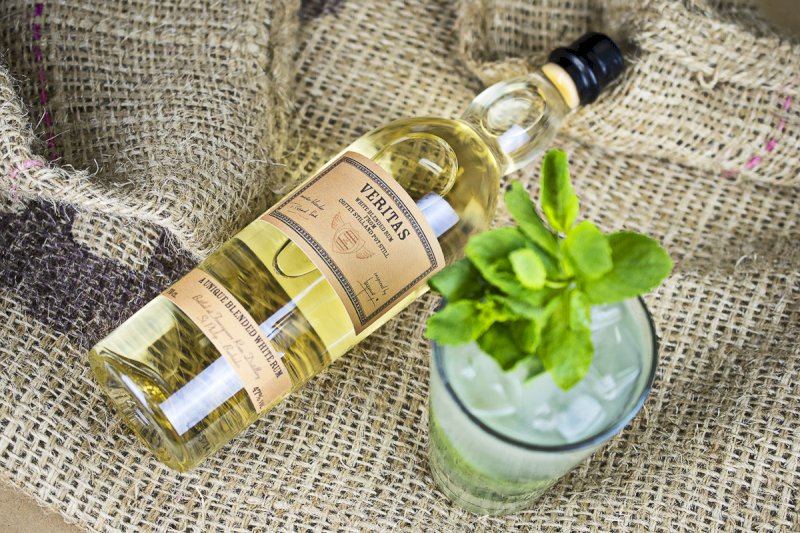
Mojito: the most drank cocktail in the world
Just the name is enough to transport us to Cuba, perhaps at a table in the Bodeguita del Medio, dreaming of Hemingway and his era. With its fresh taste, the Mojito is indeed one of the most popular drinks...
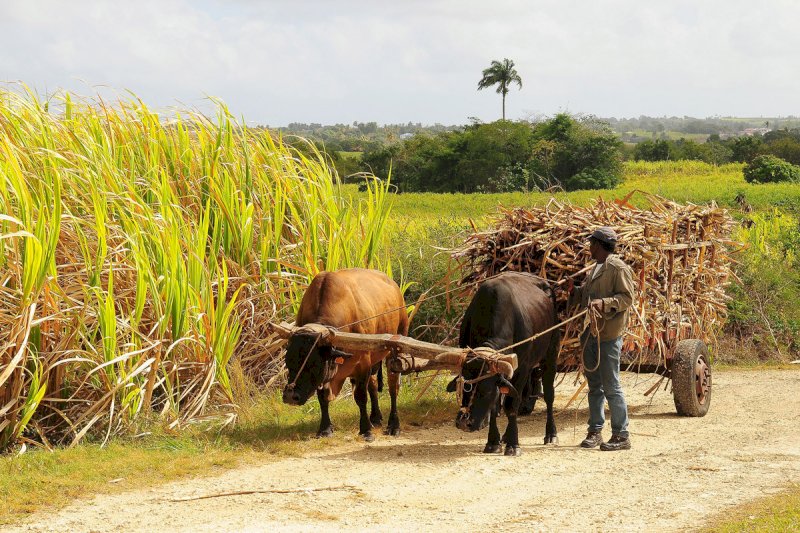
The complete guide to Rum
Discovered by the West following on from the Spanish, French and English conquests of the Indies, rum was originally a slave and seafarer drink. Used as bait by pirates in their attempts to get the...