Ti potrebbe interessare anche…






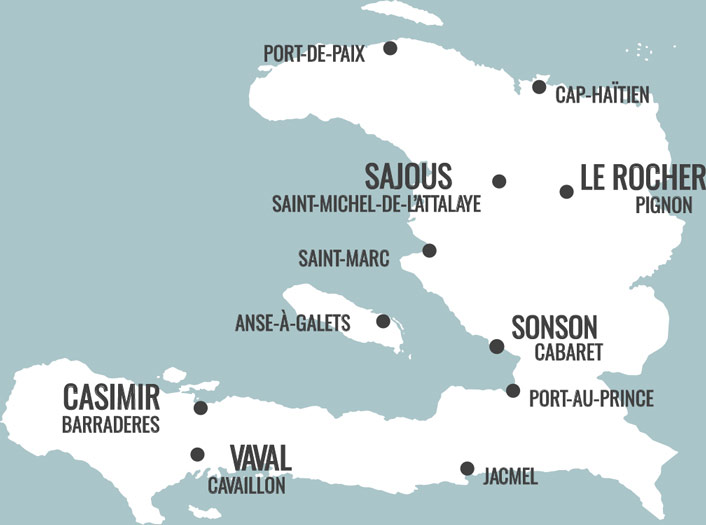
THE TERROIR
Haiti is the last frontier of rum and 'Clairins' are the rums of Haiti. They are artisanal and artistic productions, some minuscule, spread in the only Caribbean territory untouched by the 'modernisation' of the western world and therefore still wonderfully 'pure'.
Biodiversity in Haiti is enormous. Each region has its own production tradition, specific cane varieties and Clairins have distinctive aromatics. The five Clairins selected and bottled by Velier reflect this diversity as much in the cane varieties used as in the different fermentation and distillation techniques.
B-Tik clothing and accessories
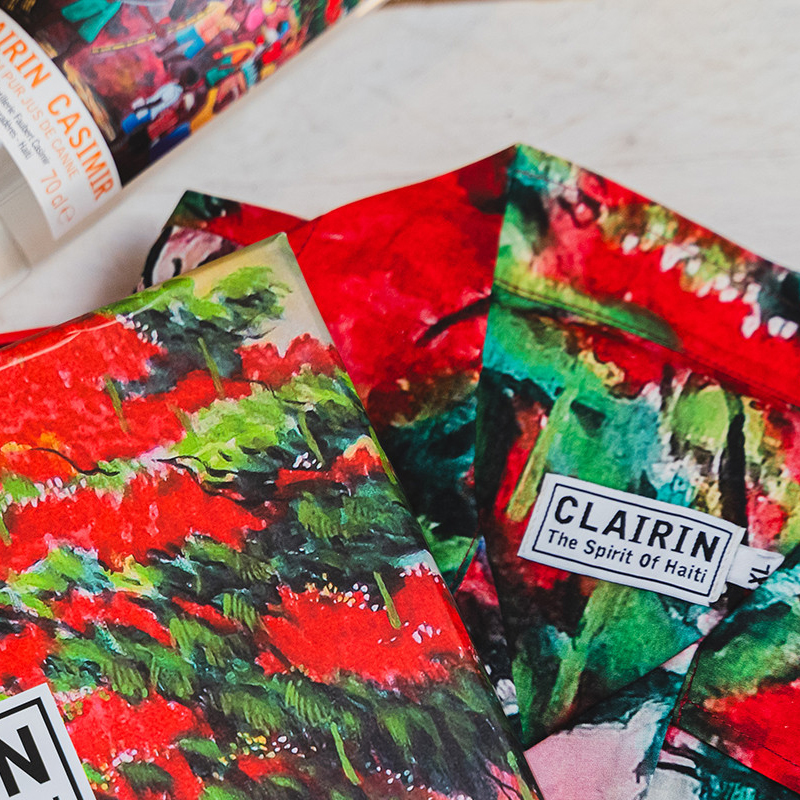
B-tik is Velier's lifestyle line inspired by the world of Haiti and rum. The range includes aprons, kitchen towels, placemats, shoppers, shirts and clutch bags inspired by both the wonderful colours of the Clairin Sajous, Sonson and Casimir labels and created by the Haitian design brand of Valérie Louis and her daughter Yaël. Characterised by striking patterns and colours that uniquely fuse Haitian art, history, culture and design with African roots, this label presents prints and fabrics of great elegance.
SAJOUS
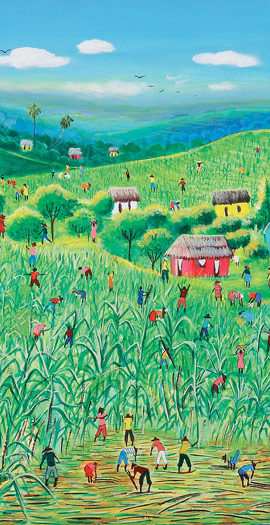
Clairin Sajous is produced in the small distillery of Michel Sajous, a 4-hour off-road drive north of Port-au-Prince, in the middle of the countryside of the central Saint Michel region. A small but well-organised distillery that uses only pure cane juice of the original Cristalline variety, spontaneous fermentation and a distillation typical of northern Haiti. The liquid has finer aromas with interesting citrus notes of sugar cane.


CASIMIR
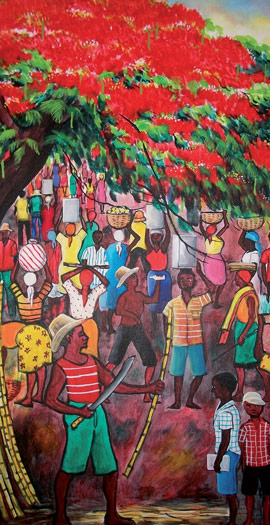
Clairin Casimir is produced eight hours from the capital, in the village of Barraderes, the last frontier of coffee, cocoa and Clairin. Faubert Casimir, an elegant and placid man, lives in a land and time that we find difficult to imagine. He uses sugar cane of the Hawaii variety, the same variety that comes from the Far East. Pure juice and wild fermentation in wooden vats, with the addition of local herbs, including aniseed and lemongrass. The liquid has very intense aromas, from candied fruit to herbs to truffles.


VAVAL
RIl Clairin Vaval is produced in southeast Haiti, in Cavaillon. Here Fritz Vaval has been running the Arrawaks distillery owned by his family since 1947. Fritz owns 20 hectares of land cultivated with the naturally grown Madame Meuze cane variety. Clairin Vaval is made from pure cane juice, fermented naturally with wild yeasts and distilled in a distinctly homemade still.


SONSON
Clairin Sonson is the fifth Clairin producer to join the Spirit of Haiti range. This Rhum Agricole is produced by Stephan Kalil Saoud in Cabaret, north of the capital Port Au Prince, where Stephan grows a particular variety of unhybridized sugar cane, called Madame Meuze, which gives the distillate vegetal and slightly mineral notes.


CLAIRIN VIEUX
The first Clairins to become full-fledged Rums, over 4 years of age losing the primary characteristics of Clairin, to be enriched with a new aromatic profile typical of aged rums.
The Clairin Vieux mark a turning point in ageing, the result of the experience of the short ageing of the Clairin Ansyen but above all due to the fact that they have a much lower full alcohol content than any other rum at the time of casking.
The result is extraordinary.
Novità

Clairin Vieux Vaval 10 Y.O. 2016
Small Batch ex-Caroni Cask
70cl / 54.60°
Rhum Agricole
160,00 €
Out of Stock
Novità

Clairin Vieux Casimir 10 Y.O. 2016
Small Batch ex-Caroni Cask
70cl
Rhum Agricole
160,00 €
Out of Stock


Over the years, we have come to know the Clairin as the only natural rum in the world, a true hidden treasure of Haiti, the Cinderella of the Caribbean. Its strict protocol is a guarantee of quality in every aspect of production, from farming to harvesting and production.
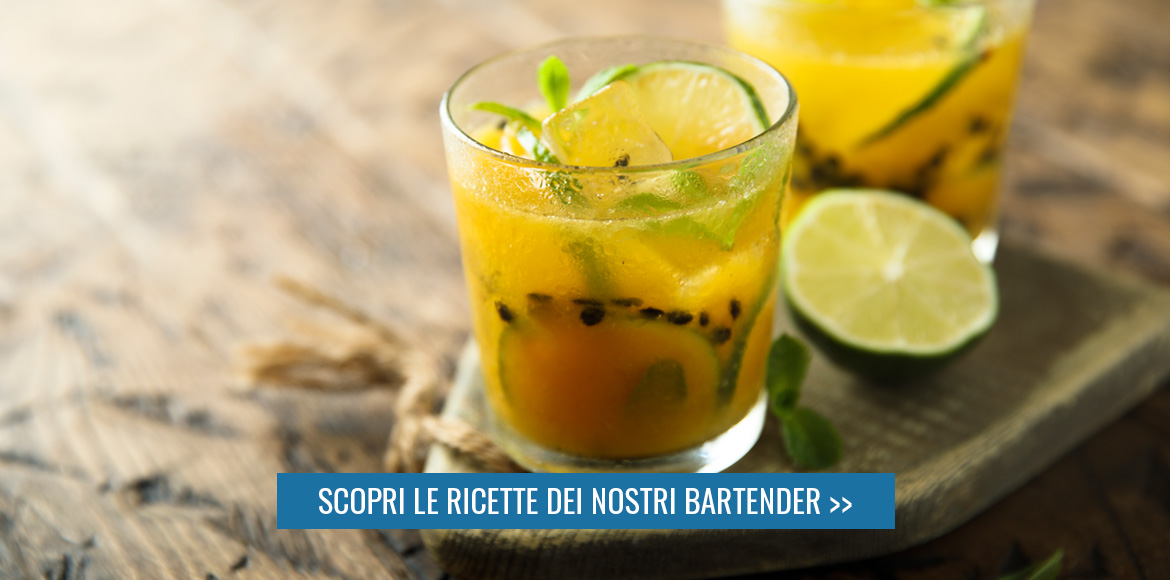
However, Clairin offers us another aspect, unprecedented and yet to be discovered, relating to its great versatility of use in cocktails.
Our our bartenders have studied and selected a series of drinks, between revisiting and absolute innovation, through which one can explore the vast and surprising aromatic possibilities of these exceptional rums.