Islay is the southernmost island of the Inland Hebrides, in Scotland, and is known as "Queen of the Hebrides" (Banrìgh nan Eilean). It has a total area of 600 km², with just over 3,000 inhabitants, and as many as nine different active distilleries for whisky production, located along the coast.
Islay's main economic activity is agriculture combined with the whisky industry. The reason for this concentration of distilleries, apart from tradition, is definitely due to Islay's natural resources, thanks to which the Scottish island produces its extraordinary malt whiskies, very characteristic and intense, which are a great success among aficionados all over the world.

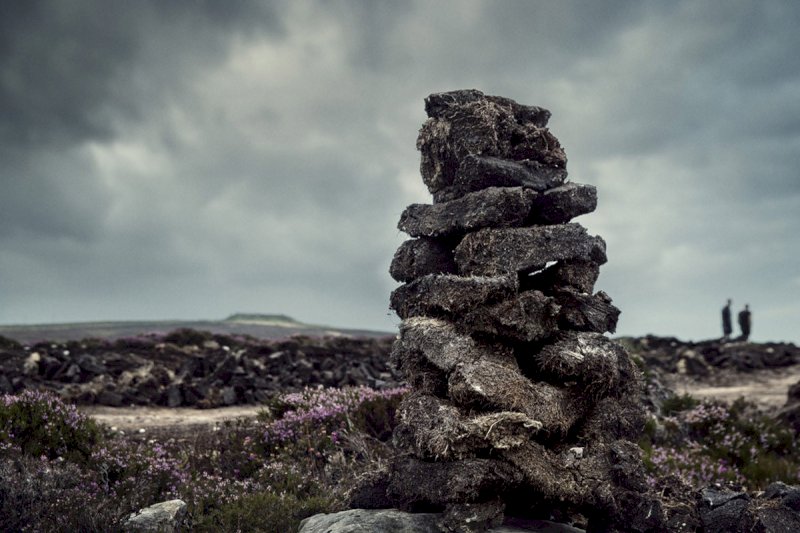
What creates the magic is the combination of the fertile soil with extensive peat bogs and exceptional soft peaty water, all mixed with sea breezes and enhanced - as far as whisky production is concerned - by traditional distillation processes.
Much of Islay is low and fertile, but the land also features highlands and hills, the highest of which is the Beinn Bheigeir, 491 metres. The variety of the landscape is due to the underlying geological structure. The rugged heights are formed by hard quartzites, while the lower, more fertile soils are covered by calcareous and micascale.
In the bays there are extensive raised beach deposits and considerable areas of blown sand, both along the coast and inland. Inland, there are numerous freshwater lakes and abundant streams, some of which form waterfalls in the higher areas of the coast.
As in other parts of western Scotland, the climate can be very variable, although there is no shortage of stable weather. As there is nothing between Islay and the east coast of Canada, except of course the Atlantic Ocean, south-westerly winds are virtually a constant.

According to legend, whisky is said to have originated on Islay. It is a fact that the historic Scottish distillate has been produced on this island since at least the beginning of the 16th century. It is said that the first distillation was carried out by Irish monks, who landed on the island because they were attracted by its climatic and geological features, but in particular by the massive presence of peat in the marshy areas.
Every natural element contributes, but it is undoubtedly the presence and use of the peat that dictates the whisky of Islay. It is the very intensive use of local, still harvested in the marshy areas that is the hallmark of Islay whiskies, which for these reasons are not only very typical but literally unique, to the point of being in a category of their own and infamous for being the strongest and most peaty of all.
Today, of the 3,000 inhabitants of Islay, all work in some way in the whisky industry: from barley growers or peat workers to those who work in whisky tourism.
The distilleries on the south-east coast are known for producing a particularly tormented whisky with saline notes. Of the other distilleries, located in the north of the island, Caol Ila is the only one that continues the heavily peated production. The few remaining distilleries tend to produce distillates with a lighter character, but even in cases where they use unripened malt and spring water before it has had time to gather much peat, the whiskies produced still retain a peaty flavour.
.

Peat whisky offers great emotions, unmistakable flavours and smells that enrapture us and that, when combined with the scents given by oak wood, create new horizons of taste. But what is peat and where...
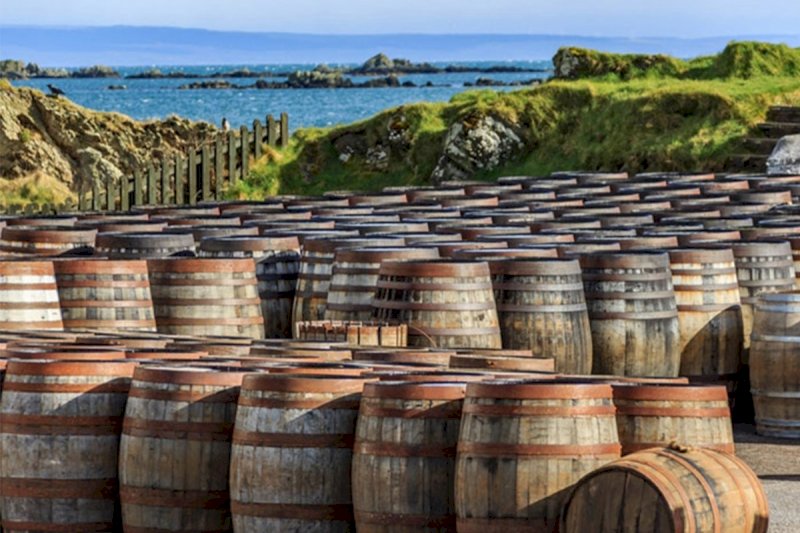
Ireland and Scotland have always contended over the paternity of the invention of whisky, however, there are no official documents and we will not go into this centuries-old dispute, but will rely on...
Distillates have different alcoholpercentages. So, we have defined a parameter allowing you to better understand and compare different prices. This parameter is calculated by dividing the bottle price by the alcohol content. The alcohol content (or strength) is the amount of pure alcohol (ethanol) contained in the distillate.
This parameter indicates the price of a single 4cl dosage of distillate. It is calculated by dividing the price of the bottle by its quantity (expressed in cl), then multiplying by the centilitres of the recommended single dose, as average in cocktail recipes.