Ti potrebbe interessare anche…






Ardbeg Ten 10 Y.O.: one of the world's most popular single malts
The Single Malt Ardbeg Ten is a true mainstay of this cult distillery for all fans of the great Scottish peat ales. The 10 year old is one of the few bottlings that has been around for decades, and comes from a selection of ex-Bourbon casks, both first-fill and refill. It is also the first Ardbeg whisky to be unfiltered. Overlooking an inlet in the village of Port Ellen on the mythical island of Islay, Ardbeg was founded in 1815, and is now operating at full capacity after a period of closure in the 1980s and 1990s.


Ardbeg Ten
70cl / 46°



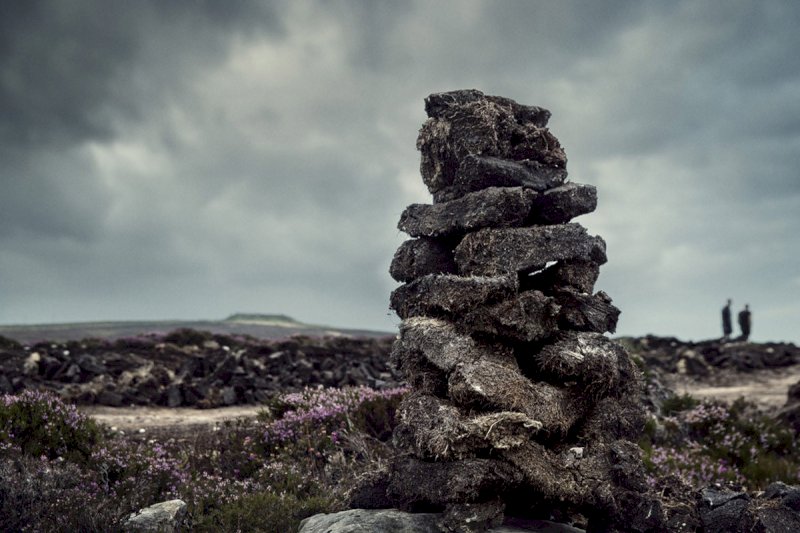
Peat whisky: a bit of history
Peat whisky offers great emotions, unmistakable flavours and smells that enrapture us and that, when combined with the scents given by oak wood, create new horizons of taste. But what is peat and where...
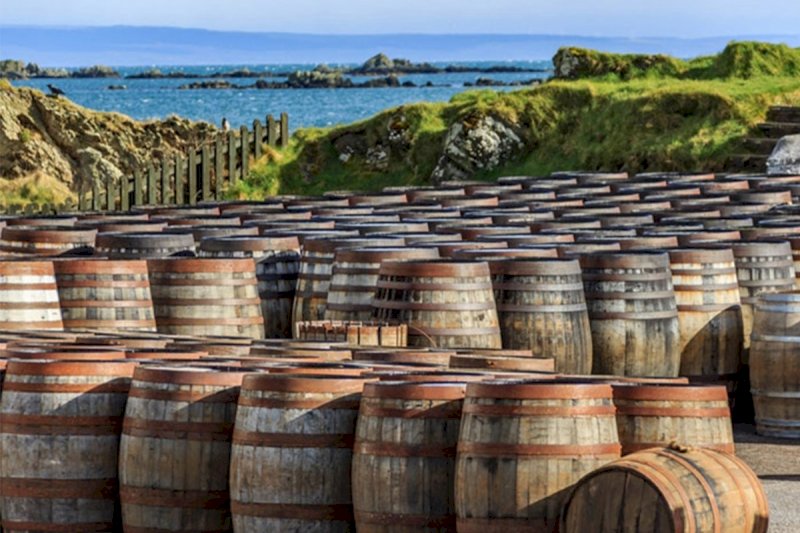
The Complete Guide to Whisky
Ireland and Scotland have always contended over the paternity of the invention of whisky, however, there are no official documents and we will not go into this centuries-old dispute, but will rely on...

Islay: the peat whisky queen
Islay is the southernmost island of the Inner Hebrides, in Scotland, and is known as the 'Queen of the Hebrides' (Banrìgh nan Eilean). It has a total area of 600 km², with just over 3 000 inhabitants, and...