Ti potrebbe interessare anche…






The daddy of all Spanish brandies
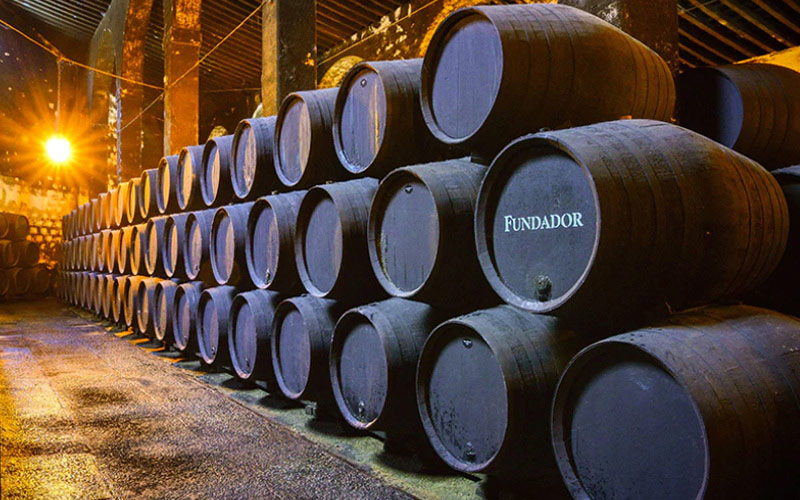
The story of Fundador began in 1874, when Pedro Domecq Loustau created the first Spanish Brandy in Jerez, Andalusia. The very choice of name, to be rendered in Italian as Founder, tells us of the pioneering spirit of this distillery, which single-handedly set the production standards for this new distillate.
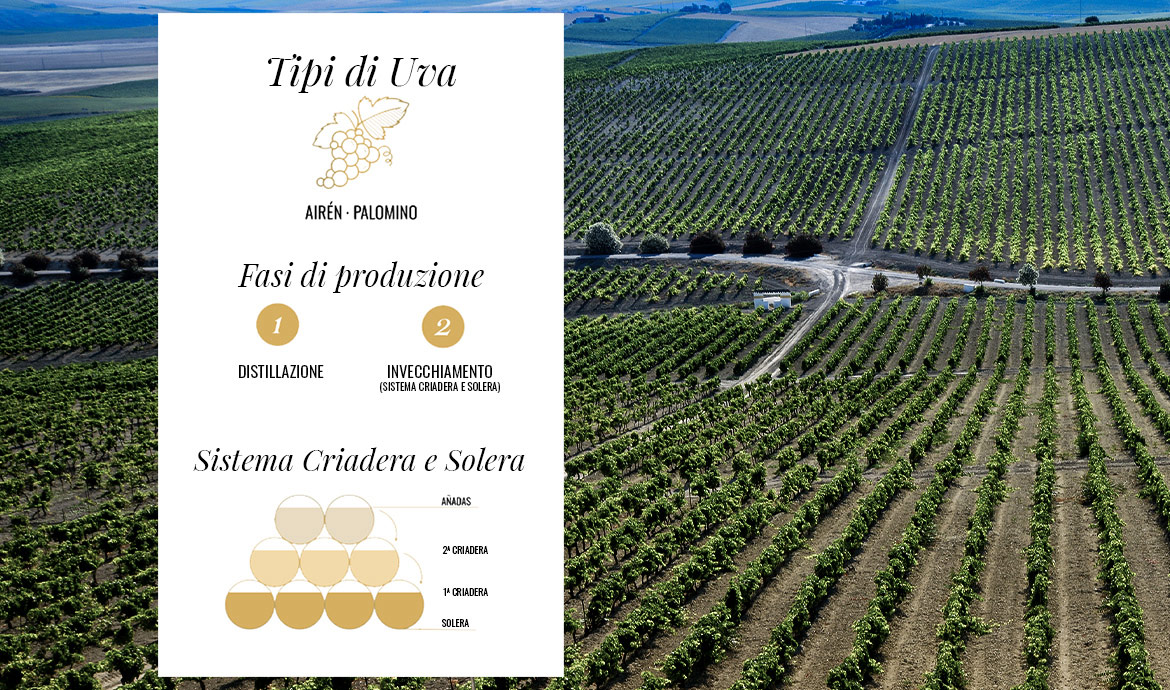
Today, the Group produces some of the world's most famous brands of Brandy and distills wine from Palomino and Airén grapes at its plant in Tomelloso, La Mancha.
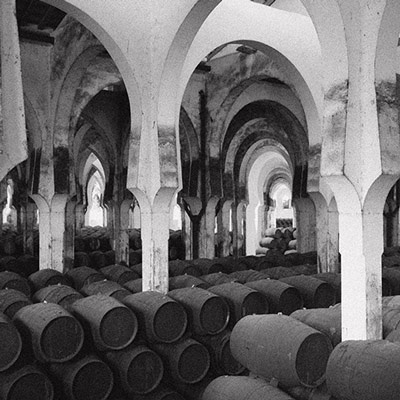
Instead, ageing still takes place in the wineries of Jerez de La Frontera, the most extensive in Spain, following the Denominacion de Origen Brandy de Jerez.
Criaderas y Soleras
Fundador first understood the enormous potential of dynamic ageing and applied it to its Brandies. This choice marks a fundamental difference from what happens in Cognac, where spirits are subjected to static ageing.
In the Criaderas method parts of the distillate are periodically decanted from barrels located higher up in the bodega to those closer to the ground, until they reach the solera. This technique activates processes of oxidation and harmonisation between spirits of different ages, allowing considerable complexity to be achieved at the end of the process.
Ageing in sherry casks
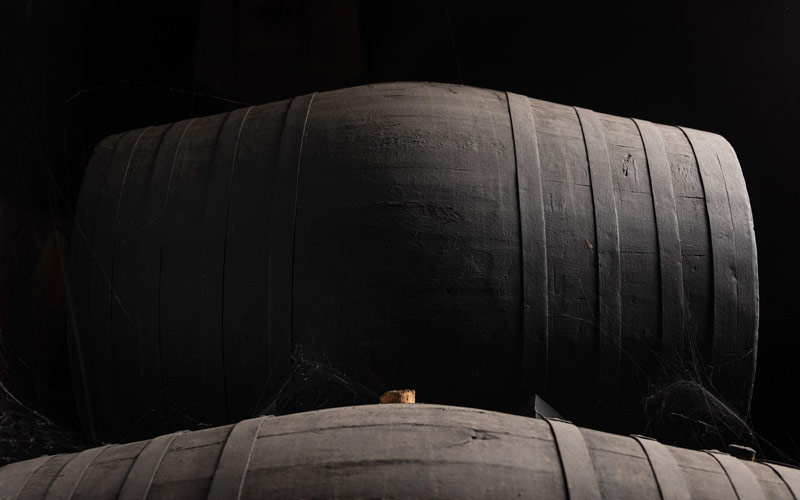
Another major innovation introduced by Pedro Domecq Loustau was the decision to age the distillate in barrels that had already contained Sherry wine.
The European oak wood, rich in tannins and soaked in the fortified wine produced in the Province of Cadiz, is indeed able to give an unexpected depth and richness to the distillate.
However, not all Sherries are the same, in fact there are many varieties. Hence the Fundador Supremo range, where each Brandy owes its soul to the type of barrel in which it matures.
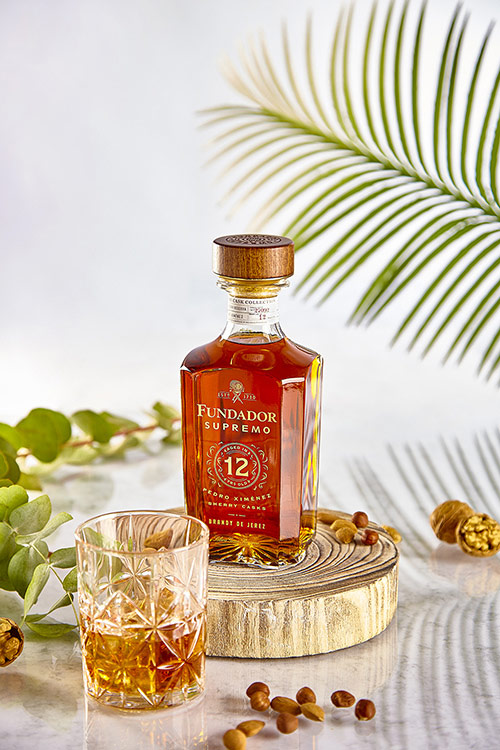
Fundador Supremo 12 Y.O.
Aged in barrels that have contained Sherry Pedro Ximenez, made from the grape variety of the same name, left to dry naturally. The significant residual sugar allows inviting notes of honey, toffee and chocolate to develop. This 12-year-old thus presents itself with a good personality, but at the same time has a good freshness and smoothness.
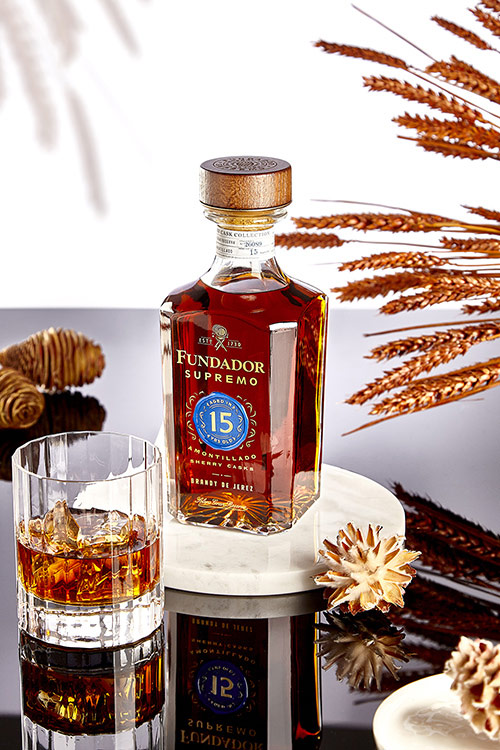
Fundador Supremo 15 Y.O.
Sherry Amontillado has a very special, mixed production method. After allowing the flor to form, a layer of yeast that protects the distillate from oxidation in the cask, it is destroyed, resulting in a style somewhere between a Sherry Fino and an Oloroso. The result is a complex Brandy with persuasive notes of dried fruit and wood.
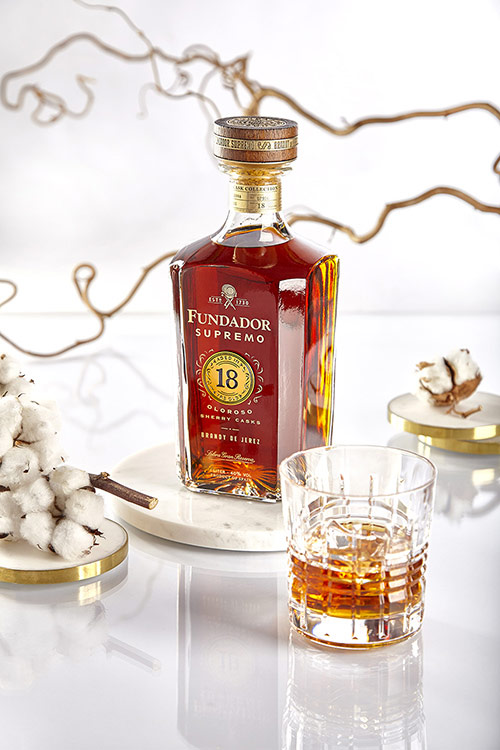
Fundador Supremo 18 Y.O.
The peak of the Supremo range owes its great personality to ex-Sherry Oloroso casks, produced from Palomino grapes and oxidative ageing. The contact with the surrounding atmosphere and the high extraction of aromatic compounds from the wood mean that these barrels are full of sensory treasures: notes of red fruit, vanilla and dried fruit dominate.