Ti potrebbe interessare anche…









Monkey Shoulder: a tribute to whisky maltsters
Monkey Shoulder is a blended scotch whisky. The story behind the name of this Scottish whisky is a very peculiar one: the 'maltmen' who used to stir barley with the help of a shovel, were constantly exposed to draughts that caused them serious rheumatism.
This malting malady was known under the name 'monkey shoulder'. It is as a tribute to these maltsters that the Grant's family, owners of the emblematic Glenfiddich distillery, created this 'triple malt' made from a blend of three single malts (Glenfiddich, Balvenie and Kininvie) with aromas of honey, cinnamon and vanilla.


Monkey Shoulder Blended Scotch Whisky
70cl / 40°


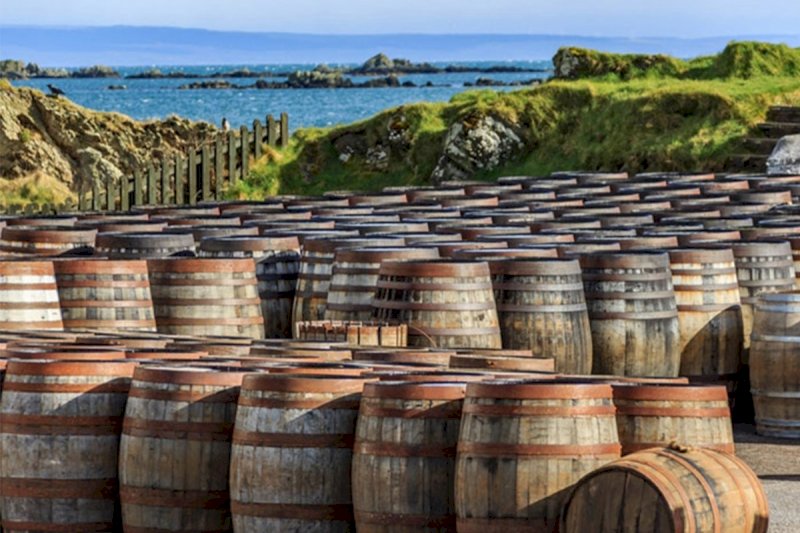
The Complete Guide to Whisky
Ireland and Scotland have always contended over the paternity of the invention of whisky, however, there are no official documents and we will not go into this centuries-old dispute, but will rely on...
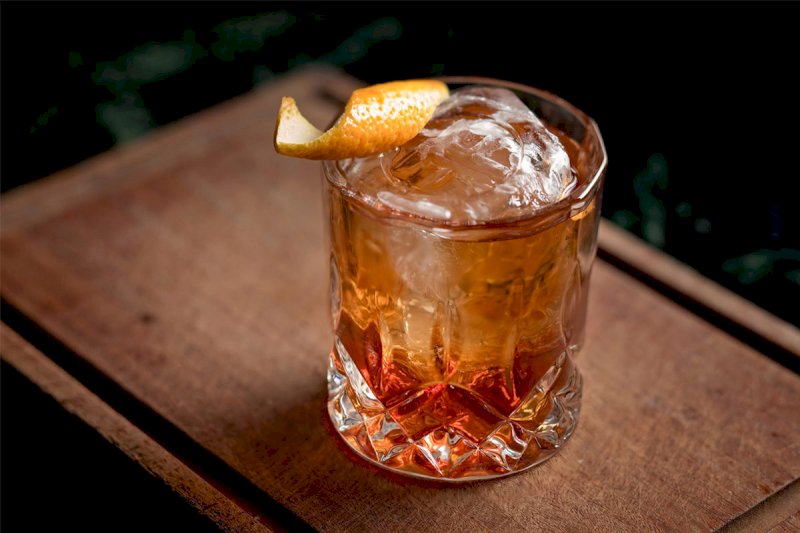
Old Fashioned: An Immortal Classic
Its birth is lost in the mists of time, in the mid-1800s when the first cocktails were born. It was the time of Professor Jerry Thomas, the Auguste Escoffier of mixology, the first to codify the recipes...
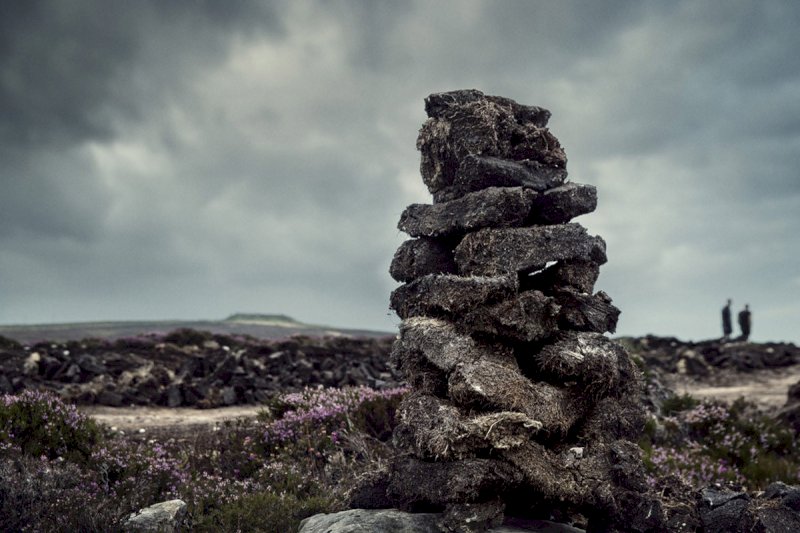
Peat whisky: a bit of history
Peat whisky offers great emotions, unmistakable flavours and smells that enrapture us and that, when combined with the scents given by oak wood, create new horizons of taste. But what is peat and where...