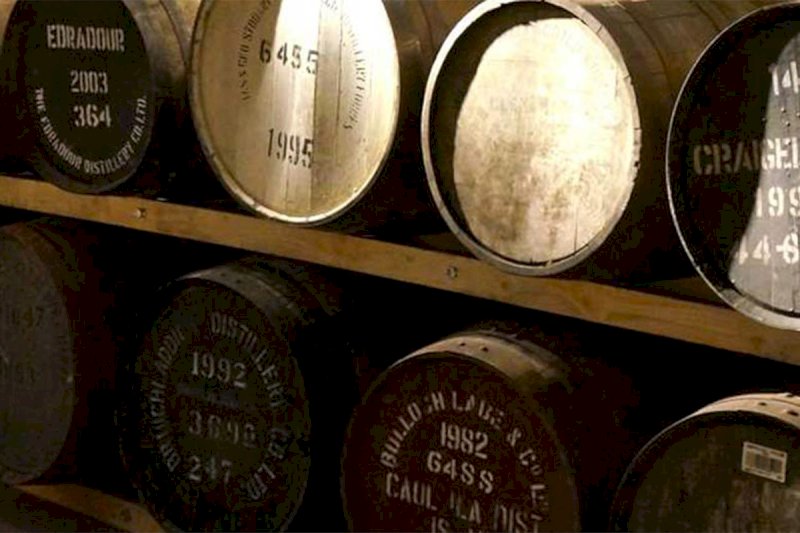
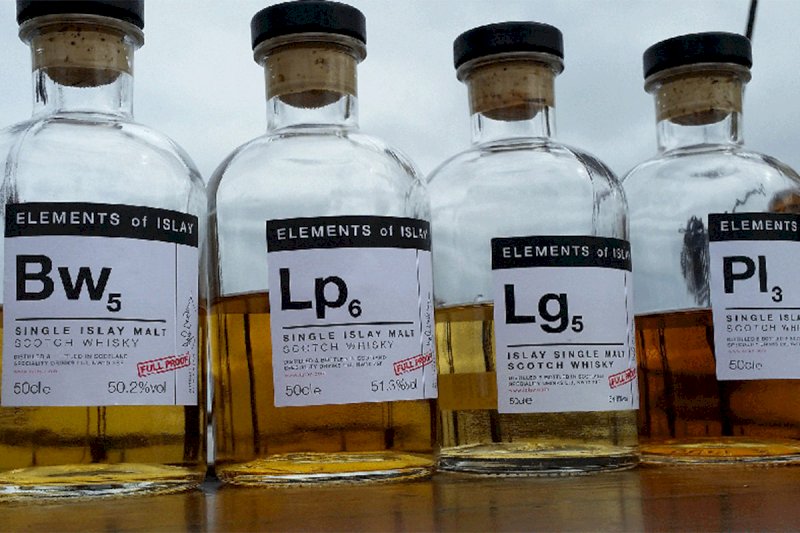
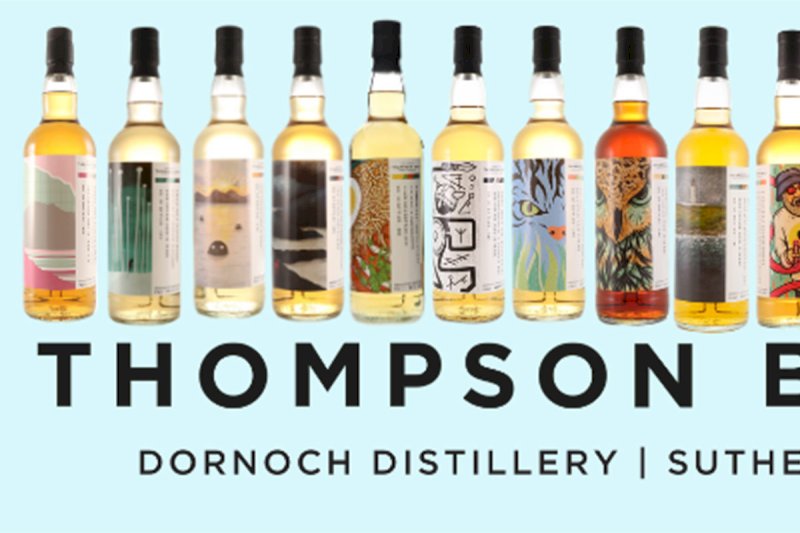
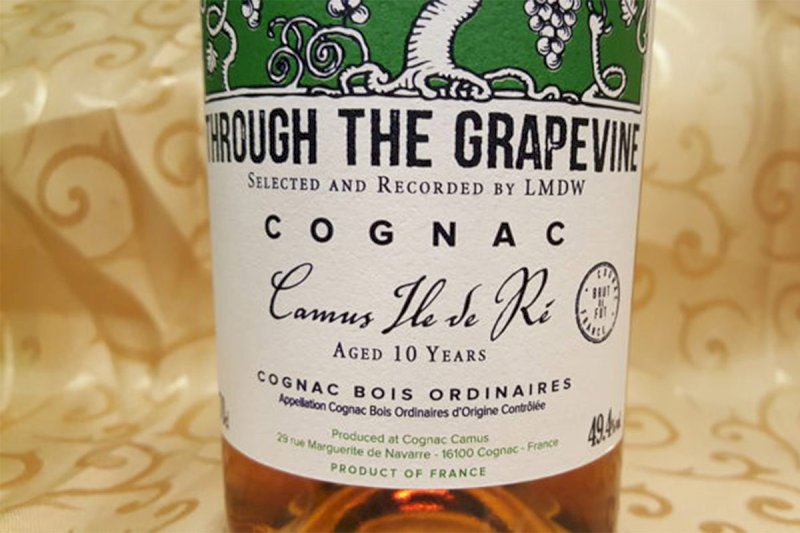
The world ofindependent bottlers is full of adventurous stories, exciting treasure hunts among distilleries and precious barrels. In fact, they are the ones who actively select the most promising casks from the world's distilleries, often directly following the aging process as well, and then bottle always listening to their instincts and desire for experimentation: whether whiskey or rum, every independent bottler goes in search of curiosity and novelty, aware that surprises are always just around the corner.

The popularity of independent bottlers began in the post-World War II period, when Single Malts represented a niche, overpowered by the widespread popularity of Blended. It is thanks to the work of independents that gradually Single Malts are being noticed by growing numbers of enthusiasts, with benefits for all: for distilleries, who enjoy immediate profits; for bottlers, who buy at reduced prices; and for enthusiasts, who can discover unique releases and buy them at reasonable prices.
Over the years, these pioneering companies become more and more competent, earning undisputed authority in the field.

The great advantage for those working independently is that they are not forced to follow guidelines of any kind, as distilleries often do. This makes it possible to introduce Cask Strength and Single Cask that are unique and all different, as well as a very wide range of very special aging: all productions that do not follow a standard, but with distinctive and unusual personalities and flavor profiles.
Another aspect that gives value to their work is how they were able to preserve distillery lots that later ceased operations. In the early days perhaps they took over excess stocks of distillates that were not fully matured, from distilleries in financial difficulty, and then, decades later,they found themselves able to offer new, unobtainable editions, from distilleries that had now disappeared.

In some cases, distilleries prohibit Independent Bottlers from using the name of the original producer on the label. Other times, in contracted contracts some distilleries use the teaspoon technique: just adding a teaspoon of another whiskey to the purchased cask is enough to make it illegal to use the name of the distillery of origin on the label.
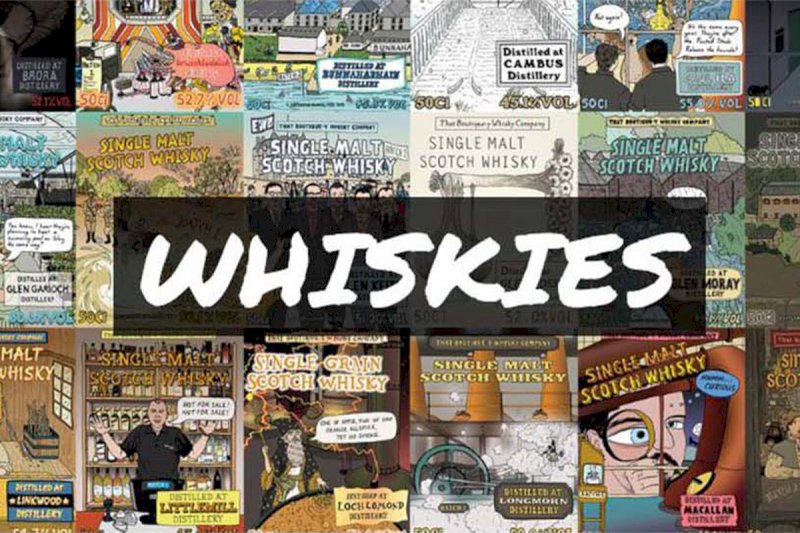
Here, then, is how some rare whiskies are called 'secret bottlings'; and here, too, is how label interpretation can become a game for collectors and whiskey lovers, when Independent Bottlers insert clues that can range from geographic location to illustrations.

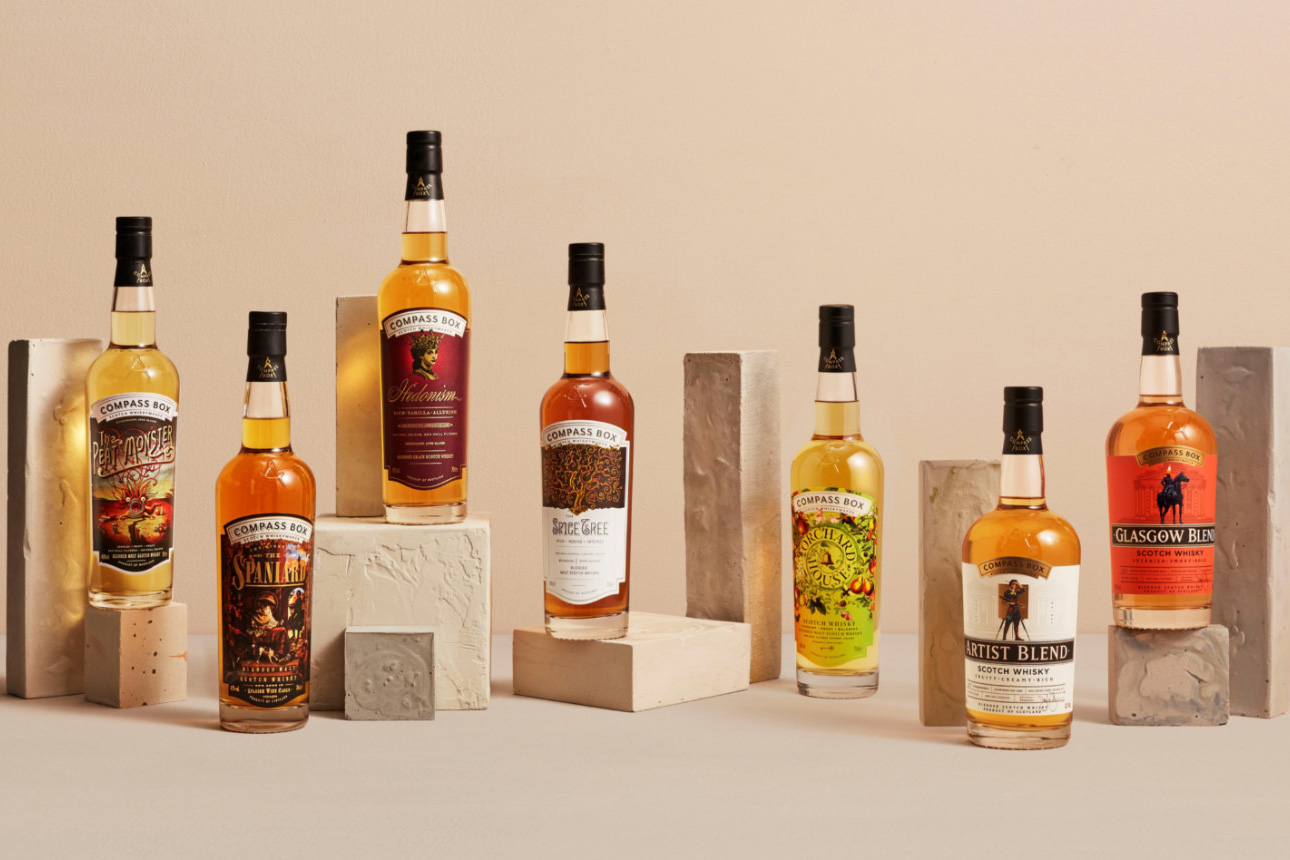
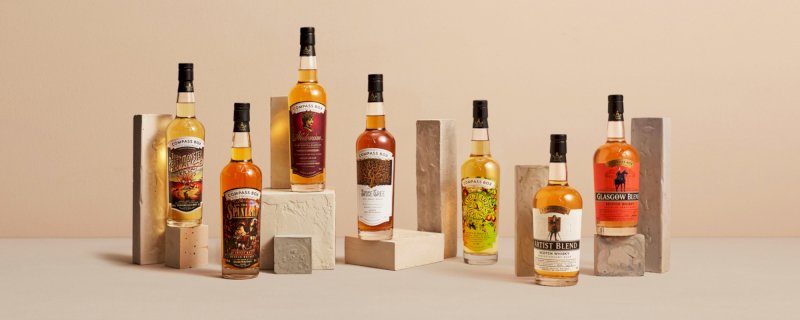
When talking about Independent Bottlers it is impossible not to mention the revolutionary example of Compass Box, which broke all whiskey molds after the 2000s by bringing the Blended Malt category to the forefront. Legend has it that John Glaser began by playing with bottles in his collection, creating the first blends in his kitchen at home in London. Today, Compass Box selects the best whiskies for its blends, which then rest in specially created casks to experiment with various aging and toast levels.
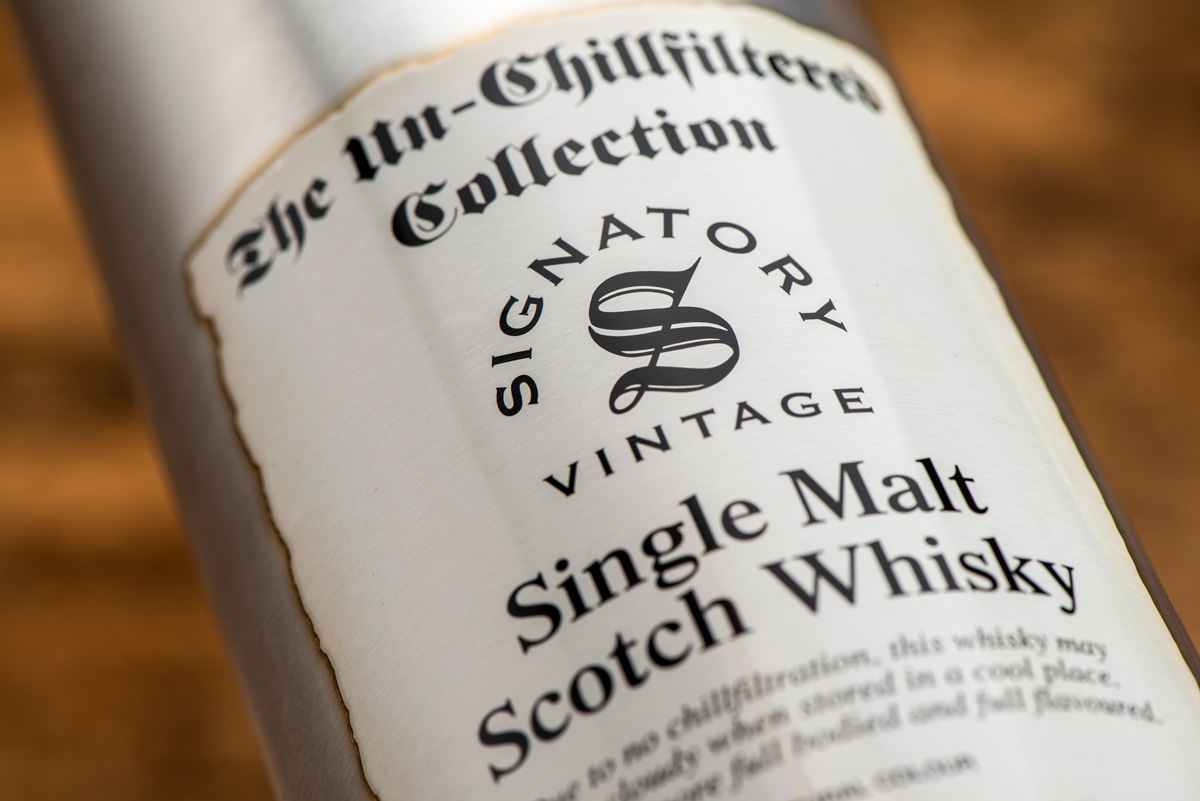
Signatory Vintage has gained a great deal of authority in the field over the years, since its beginnings in 1988 with Andrew Symington. This is where the best single batches are selected, proceeding to the bottling of the finest casks, one at a time or in small batches-this is how Single Malts that would only be found in Blended are launched onto the market. Each Signatory label shows the distillation and bottling dates, cask and bottle number. Its best-known ranges are the 86 Proof Collection, Cask Strength, and Un-Chillfiltered.
Whiskyfacile is a young independent Italian bottler, born out of a decade-long venture into the world of blogging and whiskey nerds. In 2021, the year of the 10-year anniversary, in fact, one idea is making its way: jumping to the other side of the fence. From strict judges to bottlers whose whiskies will be judged by customers. Thus begins the story of the independent label Whiskyfacile.
The second serie of the four guys behind Whiskyfacile brings the cat "Easy" to the label, starring in the somewhat metaphysical and somewhat enigmatic illustrations by German artist Itsallinsideus. Who better than the cat, an independent and anarchic animal par excellence, can represent the adventure of a collective of enthusiasts, animated only by the desire to bottle good things to drink?
Distillates have different alcoholpercentages. So, we have defined a parameter allowing you to better understand and compare different prices. This parameter is calculated by dividing the bottle price by the alcohol content. The alcohol content (or strength) is the amount of pure alcohol (ethanol) contained in the distillate.
This parameter indicates the price of a single 4cl dosage of distillate. It is calculated by dividing the price of the bottle by its quantity (expressed in cl), then multiplying by the centilitres of the recommended single dose, as average in cocktail recipes.